Category Archives: Environmental Science

What Is Parasitology? The Science of Parasites Explained
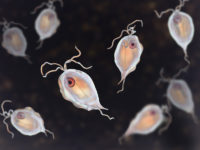
Parasitology is the scientific study of parasites — organisms that depend on a host species for survival while causing harm to it. It encompasses parasitic animals (protozoa, worms, arthropods), plants, and fungi, intersecting with ecology, medicine, genetics, and conservation biology. One of the biggest threats to human health today in both developed and developing nations…
Read more

Environmental Perspectives

This technical guide covers environmental measurement, data analysis, and regulation from a 45-year industry perspective. Topics include sampling methodology, analytical chemistry, data interpretation, major environmental laws (Clean Water Act, Clean Air Act, CERCLA/RCRA), and practical limitations in environmental management. Ideal for students, early-career professionals, and anyone seeking an insider's view of how environmental science translates…
Read more

Defining Zoology

Zoology is the scientific study of animal life, covering anatomy, behavior, evolution, and ecology across 2 million species. This diverse field offers career paths from wildlife research to conservation, with zoologists typically earning between $63,420 and $95,430, though salaries may range from $42,420 to over $103,000 depending on experience and specialization. Students typically need a…
Read more

Climatology: Climate Science Careers & Degrees

Climatology is the study of Earth's long-term weather patterns and the natural and human factors that influence them. Most positions require at least a master's degree in atmospheric sciences or environmental science. According to the Bureau of Labor Statistics, environmental scientists and specialists (the occupational category that includes climatologists) earned a median salary of $76,530…
Read more

What Is Geology? Studying Earth’s Structure & Careers

Geology is the study of Earth's physical structure, processes, and materials—from rocks and minerals to earthquakes and volcanoes. Geoscientists earn a median salary of $99,240 annually, with employment projected to grow 3% through 2034, creating approximately 2,000 job openings each year. Most positions require at least a bachelor's degree in geology or earth sciences, with…
Read more

Microbiology: Careers, Degrees & Specializations

Microbiology is the scientific study of microscopic organisms including bacteria, viruses, fungi, and parasites that are too small to see with the naked eye. This field plays critical roles in medicine, environmental remediation, biotechnology, and food safety. Microbiologists earn a median salary of $84,400 annually with steady job growth projected through 2032. When you study…
Read more

What is Biotechnology? History, Applications & Career Paths

Biotechnology applies biological systems and living organisms to develop products and solve problems across agriculture, medicine, and manufacturing. Originating with ancient fermentation and selective breedin g 6,000+ years ago, modern biotechnology encompasses genetic modification, bioengineering, and medical innovations. From disease-resistant crops to sustainable materials, biotechnology addresses critical challenges in food security, healthcare, and environmental protection.…
Read more

What is Meteorology? The Science of Weather and Climate

Meteorology is the atmospheric science studying weather patterns, atmospheric processes, and climate systems to predict weather conditions and understand environmental phenomena. Meteorologists work in weather forecasting, aviation safety, agricultural planning, climate research, and disaster management. The field requires strong backgrounds in physics, mathematics, and atmospheric chemistry, with career paths ranging from broadcast meteorology to environmental…
Read more

What is Paleontology? Degrees, Careers & Impact

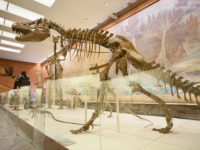
Paleontology is the scientific study of ancient life through fossils and other preserved evidence. While the field primarily focuses on life before the Holocene epoch (11,700 years ago), paleontologists also study late Ice Age species that overlapped with early humans, working alongside archaeologists and anthropologists in these cases. The field combines biology, geology, chemistry, and…
Read more

Ecology: Examining the Relationships Between Living Things

Ecology is the scientific study of relationships between living organisms and their environments. It examines how species interact with each other and with the physical world around them — from microscopic bacteria in soil to the cascading effects of climate change on global ecosystems. Ecology underpins nearly every environmental science career and discipline. If you've…
Read more