
Agriculture and forestry careers encompass diverse roles from hands-on field technicians to research scientists, employing millions of Americans in food production, forest conservation, and environmental stewardship. Entry-level positions with associate's degrees start around $47,000-$52,000 annually, while bachelor's graduates earn $65,000-$85,000, and advanced degree holders can exceed $86,000-$95,000 in research roles. The field shows modest 2-3% growth in agriculture, with forestry positions experiencing slight stabilization as expanded wildfire management policies create new opportunities.
Careers in Agriculture and Forestry make up one of the largest industries and a significant source of long-term employment in the country, providing jobs for millions of Americans. These careers provide us with a wide range of food products and alternative energy sources, among many other vital resources for sustaining our country and contributing to the global economy. In addition, these careers—particularly those associated with Forestry—conserve our natural resources and ensure we have ample land to use in the future. Many jobs in the Agriculture and Forestry industry are considered "Green Careers," meaning they involve preserving or protecting our environmental resources.
Agriculture & Forestry Employment Conditions
Many careers in Agriculture and Forestry will place workers in food production environments, including farms, hatcheries, and nurseries. In addition, some careers may place employees in wild environments that are involved in commodity production, including forests, rivers, mountains, and other natural areas.
Those seeking a career in Agriculture and Forestry should enjoy working outdoors and, ideally, working with animals. The ability to work independently in potentially isolating environments is also valuable, as some careers requiring fieldwork may send employees away from home and family for extended periods.
Some of these jobs are physically demanding and can be dangerous, depending on what kind of heavy equipment you're required to use and what weather conditions you're required to work in. Aversion to hard labor is not recommended for those wishing to break into the Agriculture and Forestry industry.
Agriculture & Forestry Job Outlook
The US Bureau of Labor Statistics shows that Agricultural and Forestry careers have experienced modest overall growth, with approximately 2-3% growth in agricultural positions. Forest conservation jobs are experiencing slight growth or stabilization, partly due to expanded wildfire management funding across federal and state agencies responding to ongoing wildfire crises in western states.
The job market for conservation scientists and foresters reflects this gradual shift as agencies adjust their workforce to address climate-related forest health challenges. Meanwhile, sustainable agriculture positions continue to grow as consumer demand for organic and locally-sourced food increases nationwide.
Learn more by checking out the pages for different agriculture and forestry careers listed below.
Agriculture & Forestry Jobs and Job Description
Forestry Management Duties
Forestry management jobs involve all aspects of the forest lifecycle, from reforestation planning to conservation monitoring. Those entering forestry degree programs will learn both the scientific and practical aspects of forest stewardship. Duties vary significantly from job to job, but the following list includes typical responsibilities one might encounter as a forestry technician:
- Aid reforestation plans at all levels, from site assessment to seedling cultivation
- Understand and participate in large-scale clearing operations, site excavations, and rock crushing.
- Assess sites for forest reclamation and rehabilitation work
- Manage inventory and work resources that include nurseries, sites, seeding, planting, controlling weeds, and pruning
- Carry out seed harvesting and cultivation of young trees
- Collect field and control samples of biological specimens and non-living media for analysis
- Take forest measurements, including species, height, diameter, age, and quality
- Survey, measure, and map forest areas and access roads using GIS or land technology
- Monitor compliance with regulations governing forest operations
- Work in remote locations in all weather conditions
Senior Forestry Manager Tasks
Senior forestry managers typically advance to team leadership roles after demonstrating technical expertise anda strong safety record. Some of the additional responsibilities that accompany these senior positions include:
- Manage, coordinate, and assist with forest fire-fighting efforts or controlled burns
- Approve the use of herbicides and insecticides to implement pest, weed, and disease control
- Oversee sample management and data recording
- Use computers to analyze data and predict outcomes based on modeling
- Work with other industry professionals to contribute information to long-term management plans and reporting procedures
- Communicate with clients, government departments, and the public
- Oversee quality assurance for all timber handling processes, including sawmilling, storage, transportation procedures, inspection, sorting, and drying.
Degree Options and Salaries for Careers in Green Agriculture and Forest Management
Environmental sustainability requires scientists and professionals with advanced expertise in sustainable agriculture and forestry practices. Globally, agriculture contributes approximately 16-18% of total greenhouse gas emissions, primarily methane; in the U.S., the figure is closer to 10%. At the same time, deforestation worldwide has removed vital carbon sinks, thereby increasing CO2 emissions. Research shows that soils stripped of nitrogen and phosphorus by unsustainable farming practices limit our ability to restore this critical part of the planet's ecosystem.
To make meaningful progress, we need professionals trained in both the science and management of sustainable land use—from entry-level technicians to doctoral researchers developing new conservation techniques.
Jobs and Salary Expectations for Associate's Graduates in Agriculture and Forestry
Many ground-level agriculture and forestry positions are experiencing growth and offer practical pathways into environmental careers. The Bureau of Labor Statistics estimates modest employment growth for environmental science and protection technicians between 2024 and 2034. Many of these positions are seasonal, however, offering employment primarily in the summer months.
Entry-level positions with associate's degrees offer competitive starting salaries. Environmental science and protection technicians (BLS category 19-4042) earn between $47,000 and $81,000 annually, while environmental engineering technicians (BLS category 17-3025) make $52,000 to $88,000. Agricultural and food science technicians (BLS category 19-4011) typically start at $42,000, with experienced professionals reaching $67,000.
Many ground-level agriculture and forestry technicians start with associate's degrees in fields like Sustainable Agriculture, Sustainable Horticulture, Forest Technology, or Sustainable Food and Farming. These tend to be very practical, hands-on programs that prepare you to get out into the field and start making a real impact, whether in agroecology and food processing or forestry and wildland management.
There are no unique prerequisites for these associate's programs. Still, you'll find specialized curricula including Soil Science, Remote Sensing Systems, Watershed Management and Irrigation, Agribusiness Concerns, and Pest Management.
Jobs and Salary Expectations for Bachelor's Graduates in Agriculture and Forestry
Bachelor's degrees open the door to management and specialized technical roles across agriculture and forestry. While forestry and recreation positions tend toward the lower end of compensation ranges, sustainable agriculture roles—backed by significant business funding—offer competitive salaries. These jobs come with benefits that are hard to find in other fields, such as spending most of your time working outdoors in nature.
The Bureau of Labor Statistics provides median salary data for bachelor's-level positions. Agricultural and food scientists (BLS category 19-1011) earn around $69,000 per year, while conservation scientists and foresters (BLS category 19-1031 and 19-1032) make approximately $65,000. Agricultural engineers (BLS category 17-2021) earn $85,000, farmers and farming managers (BLS category 11-9013) average $68,500, and wildlife biologists (BLS category 19-1023) make around $66,500 annually.
A bachelor's degree opens up considerably more career options in agriculture and forestry conservation work. With a bachelor's and the right field experience, you'll have access to upper-level positions that would typically require a master's degree in other fields.
Typical bachelor's programs include BS degrees in Soil Science, Organic and Sustainable Agriculture, Food Systems with Nutrition and Health concentrations, Forestry, and Forest Health. You'll encounter specialized courses like Forest Biometrics, Disease and Insect Biology, Recreational Land Management, Fire Management, Agricultural Law, World Crops, and Rangeland Science.
Jobs and Salary Expectations for Master's and Doctoral Graduates in Agriculture and Forestry
Jobs restricted exclusively to master's or doctoral graduates are relatively rare in agriculture and forestry. However, advanced degrees help you advance faster and further in leadership and research positions. PhD and master's graduates often move into teaching or research roles in private, university, or government laboratories—positions that can be quite well compensated.
Biological scientists (BLS category 19-1029) earn around $86,000 annually, while biochemists and biophysicists (BLS category 19-1021) make approximately $95,000. These positions typically involve developing new techniques for sustainable agriculture or conducting long-term forestry research.
Master's and doctoral studies in green agriculture and forestry prepare high-level research scientists and educators. Programs involve extensive field and laboratory studies that push forward biological and ecological knowledge while developing new environmental stewardship standards and best practices.
Degree options include MA programs in Environmental Studies with Sustainable Food and Farming concentrations, Master of Forestry degrees, MS programs in Range Management, MS or PhD programs in Sustainable Agriculture, MS degrees in Environmental Biology, and MS programs in Agricultural and Biosystems Engineering.
Programs at this level commonly require on-the-ground experience in agriculture or forestry, together with strong letters of recommendation, before applying. Additionally, because they're firmly science-based, you'll need high scores on math and quantitative reasoning components of standardized tests, plus appropriate undergraduate coursework in chemistry, biology, and mathematics.
Specialized coursework includes Silviculture (growing and cultivation of trees), Measurement and Management of Forest Resources (remote sensing technology and techniques for estimating forest and agricultural resources), Agricultural and Forestry Policy (high-level management and resource development policies), and Plant Ecophysiology (complex interactions between plants and environment, including responses to infestation or environmental stressors). These degrees almost always require internships or extensive field experience.
Salary Comparison by Degree Level
| Degree Level | Position Examples (BLS Category) | Typical Salary Range |
|---|---|---|
| Associate's Degree | Environmental Science Technician (19-4042), Agricultural Technician (19-4011) | $42,000 - $67,000 |
| Bachelor's Degree | Agricultural Scientist (19-1011), Conservation Scientist (19-1031), Agricultural Engineer (17-2021) | $65,000 - $85,000 |
| Master's/Doctoral Degree | Biological Scientist (19-1029), Biochemist (19-1021), Research Scientist | $86,000 - $95,000+ |
Learn more about forestry degrees and education.
Frequently Asked Questions
What degree do I need for an agriculture or forestry career?
Entry-level positions typically require an associate's degree in fields like Sustainable Agriculture, Forest Technology, or Environmental Science. For management roles and specialized positions, you'll need a bachelor's degree in Forestry, Agricultural Science, or related fields. Advanced research and teaching positions require master's or doctoral degrees with specialized coursework in areas like Silviculture or Agricultural Engineering.
Are agriculture and forestry jobs physically demanding?
Many positions in agriculture and forestry involve outdoor work in varying weather conditions and can be physically demanding. Field technicians and forest rangers often work in remote locations, carry equipment, and perform manual labor. However, not all roles require intense physical activity—positions in agricultural management, research science, and policy work are typically office-based with occasional fieldwork.
What's the salary range for entry-level positions?
Entry-level positions with associate's degrees start around $42,000-$52,000 annually, depending on specialization and location. Environmental science technicians earn $47,000-$81,000, while agricultural technicians typically make $42,000-$67,000. Bachelor's degree holders can expect starting salaries of $65,000-$85,000, with agrarian engineers at the higher end of that range.
Is the job market growing for these careers?
The agriculture sector shows modest 2-3% growth, while forestry positions are experiencing slight growth or stabilization due to expanded wildfire management funding. Federal and state forest management policies responding to wildfire crises are creating measured opportunities for conservation scientists and foresters. Sustainable agriculture positions continue to grow as consumer demand for organic and locally sourced food increases nationwide.
Do I need to work outdoors for all agriculture and forestry jobs?
Not all positions require outdoor work. While field technicians, forest rangers, and agricultural workers spend most of their time outdoors, many careers in this field are primarily office-based. Research scientists, agricultural economists, policy specialists, and university professors typically work indoors with periodic field visits. Management positions often balance office work with field supervision.
Key Takeaways
- Diverse Career Pathways: Agriculture and forestry careers range from hands-on field technicians requiring associate's degrees to research scientists with PhDs, offering opportunities for various skill levels and interests in environmental stewardship.
- Competitive Salary Progression: Entry-level positions start at $42,000-$52,000 annually for associate's degree holders; bachelor's graduates earn $65,000-$85,000; and advanced degree holders can exceed $86,000-$95,000 in research and teaching roles.
- Stabilizing Job Market: While agriculture shows modest 2-3% growth, forestry positions are experiencing slight growth or stabilization due to expanded wildfire management funding, particularly for those trained in forest health and climate adaptation.
- Physical and Environmental Demands: Many positions require outdoor work in challenging conditions, from remote forests to agricultural fields, though office-based roles in research, management, and policy are available for those preferring less physically demanding work.
- Sustainability Focus: Modern agriculture and forestry careers increasingly emphasize environmental protection, with growing demand for professionals trained in sustainable practices, climate adaptation, and ecosystem conservation across all degree levels.


Ready to explore agriculture and forestry programs? Discover accredited degree programs that align with your environmental career goals and interests, from sustainable agriculture to forest conservation.
2024 US Bureau of Labor Statistics salary and job growth figures for Environmental Scientists and Specialists, Agricultural Workers, and Forest Conservation Workers reflect state and national data, not school-specific information. Conditions in your area may vary. Data accessed January 2026.
Agriculture and Forestry Career Options
There are many different career options in the Agriculture and Forestry industry, ranging from more manual labor-oriented positions to advanced scientific careers that require extensive education.
Click on the highlighted areas below to learn more about each of these agricultural and forestry career specialties.
Jump to Careers in Agriculture and Forestry
- Agricultural Engineer
- Agricultural Food Scientist
- Agricultural Inspector
- Agricultural Manager
- Agricultural Specialist
- Agronomist
- Aquatic Ecologist
- Arborist
- Beekeeper
- Botanist
- Conservation Planner
- Conservationist
- Endangered Species Biologist
- Fisheries Biologist
- Fishery Manager
- Forest Firefighter
- Forest Health Specialist
- Forest Ranger
- Forester
- Horticulturalist
- Horticulture Technician
- Landscaper
- Municipal Forester
- National Park Service Tech
- Nutrient Management Specialist
- Park Ranger
- Plant Biologist
- Plant Ecologist
- Ranch Manager
- Silvicultural Researcher
- Soil And Plant Scientist
- Soil Engineer
- Water Conservationist
- Water Management Planner
- Water Quality Specialist
- Wetlands Biologist
- Wetlands Designer
- Wildlife Administrator
- Wildlife Consultant
- Wildlife Forensics
- Wildlife Inspector
- Wildlife Manager
- Wildlife Officer
- Wolf Biologist
Agricultural Engineer
Learn more about how to become an Agricultural Engineer >>>
Agricultural Food Scientist

Learn more about how to become an Agricultural Food Scientist >>>
Agricultural Inspector
Learn more about how to become an Agricultural Inspector >>>
Agricultural Manager
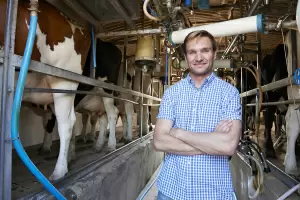
Agricultural managers are, in essence, business-savvy aids for farmers. Most prevalently, they are responsible for overseeing the development of crops, animals or other items that may be sold from agricultural entities. The scale at which they work can vary from large, industrialized farms down to smaller farms that are privately owned but may need some extra guidance in developing. Typically, agricultural managers are most involved with the business side of things, trying to maximize profit for the farm. Some common responsibilities may include: planning crop rotations, developing budgets, hiring personnel, maintaining farm equipment or maintaining budgets. The duties often will split an agricultural manager’s time between residing within an office and supervising the outdoor activities. Oftentimes, agricultural managers can learn the skills they need through working on a family or local farm, but it has become more common to receive formal training as of late. Relevant degrees that prepare individuals include, but are not limited to, farm management, agricultural economics or dairy science. A strong understanding of both the biology/ecology of the systems that you are working with and the economics of business markets is required to ensure a productive and financially solvent agricultural system. Although working in agriculture can be daunting, the position of agricultural manager is an increasingly important one as farmers strongly need to keep their business competitive.
Learn more about how to become an Agricultural Manager >>>
Agricultural Specialist
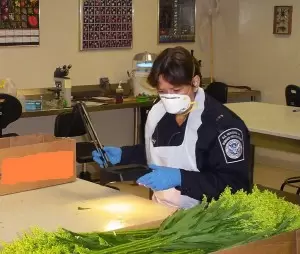
Agricultural Specialists are essential to border protection, ensuring that the U.S.' crops are not in danger of infection from abnormal or illegal crop imports. Agricultural Specialists identify and eradicate potentially invasive crops, menacing pests, or other factors may threaten the integrity of the American agricultural industry. They are a key component to maintaining a healthy food supply, as well as a thriving economy. Agricultural Specialists mostly work for the federal government at border posts, seaports, and other areas that examine incoming cargo. Their pay grade is often determined by education level, as well as previous experience in an agricultural or pest control field.
Learn more about how to become an Agricultural Specialist >>>
Agronomist
Learn more about how to become an Agronomist >>>
Aquatic Ecologist

Aquatic Ecologists are qualified ecologists that study and research the environments of water bodies and landscapes including streams and rivers, ponds and lakes, and wetlands such as marshes and floodplains. They study the relationship(s) between all forms of life within the ecological zone, and the relationship between the soil and geology and life forms. Particularly, they will look at the balance in nature and examine the impacts of anything that “upsets” the delicate balance – invasive species, removal of a predator or a boom or collapse in a population within the environment.
Learn more about how to become an Aquatic Ecologist >>>
Arborist

Learn more about how to become an Arborist >>>
Beekeeper
Learn more about how to become a Beekeeper >>>
Botanist
Learn more about how to become a Botanist >>>
Conservation Planner

Learn more about how to become a Conservation Planner >>>
Conservationist

“Conservationist” is a generic term covering anybody who works in the protection of protected landscapes and scientifically significant areas, protected buildings and monuments, nationally and internationally important artefacts and globally recognized heritage, and in the protection of wildlife species. Therefore conservationists will work in a specialization – archaeological, biological, environmental and so on rather than with the generic term. Regardless of their specialization, they are involved in protection and promotion of their core area.
Learn more about how to become a Conservationist >>>
Endangered Species Biologist

Learn more about how to become an Endangered Species Biologist >>>
Fisheries Biologist
Learn more about how to become a Fisheries Biologist >>>
Fishery Manager
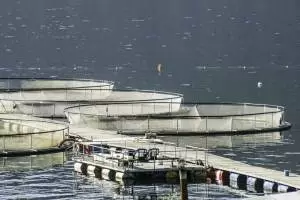
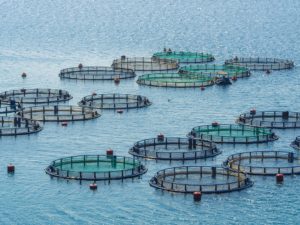
Fishery Managers oversee the activities and workers in fisheries, industrial aquaculture farms that provide artificially raised seafood to markets and grocery stores throughout the United States. Aside from performing normal management tasks like scheduling and training workers, Fishery Managers monitor that health of the stock, treat any issues or diseases that may arise, and coordinate fish harvests. Though small farming industries, including fisheries, are declining overall, fishery managers may be in a better position if they attempt to fill a position at a corporate fishery or smaller fishery that has filled a niche market. A Bachelor’s Degree and significant experience working in fisheries helps earn a Fishery Management positions.
Learn more about how to become a Fishery Manager >>>
Forest Firefighter
Learn more about how to become a Forest Firefighter >>>
Forest Health Specialist
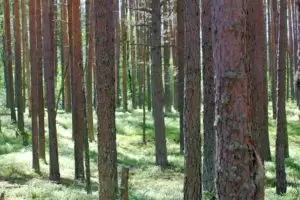
Forest Health Specialists work alongside other forest employees to preserve the health of individual trees, woodlands, copses, forest wildernesses and urban green spaces where there may be trees. Unlike foresters, they will spend time in offices working with plans, maps and GIS systems. Some may be required to have knowledge of laws on woodland protection. They are part scientists, part researcher, part fieldworker and part communicator.
Learn more about how to become a Forest Health Specialist >>>
Forest Ranger
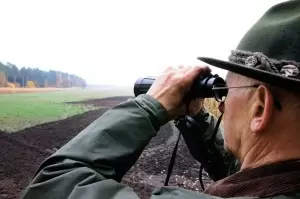
Learn more about how to become a Forest Ranger >>>
Forester
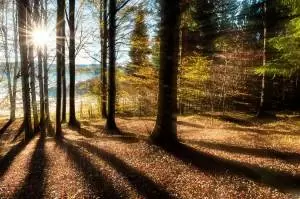
Are you a hiker or camper? Do you like spending time outdoors? With natural areas disappearing, forestry is a good way to make nature and outdoor activity are part of your daily life, rather than a weekend splurge.
Learn more about how to become a Forester >>>
Horticulturalist
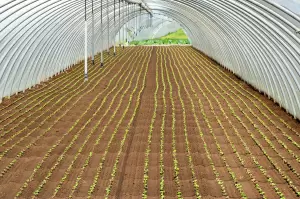
The importance of horticulture, or the art and science of cultivating crops for human and societal needs, increases proportionally with global population growth. A career as a horticulturalist differs from that of an agricultural manager primarily through their specialization with plant cultivation. However, the duties of a horticulturalist similarly necessitate a strong understanding of business practices and economics. Typically, horticulturalists will specialize within one area of cultivation (e.g. field crops, indoor growing, fruiting plants, etc.), and will work with a large organization such as a plant nursery, supermarket, or agricultural organization. As crops are living entities subject to evolution, horticulturalists must have a strong understanding of current scientific and technology findings. New technologies that increase crop yields, help protect crops from pests, or reduce spoilage during storage and transport help to inform horticulturalists of best-management practices, and thus they must be aware of the state of the art. While horticulturalists may begin with hands-on crop cultivation in the field, they will eventually work up to supervising others at all stages of the crop supply chain. Horticulturalists may be certified through a larger organization rather than entering the field through a more traditional university-based education. One such certification exists through the American Society of Horticultural Science (ASHS), and is a four hour exam that tests the examinee’s knowledge on topics such of landscape design, production of crops, shipping and handling, monitoring and testing, and business practices.
Learn more about how to become a Horticulturalist >>>
Horticulture Technician

Learn more about how to become a Horticulture Technician >>>
Landscaper
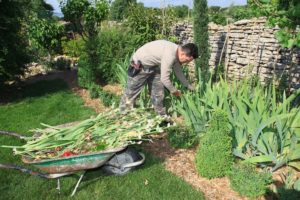
Learn more about how to become a Landscaper >>>
Municipal Forester

Municipal Foresters manage and care for trees in urban areas, which are commonly found along city streets and on parklands. This often requires extensive knowledge of tree care techniques and the ecology of the surrounding area. Sometimes Municipal Foresters will also work as environmental advocates in their city. Though a four-year degree is not required to become a Municipal Forester, it is recommended. Studying fields like arboriculture, horticulture, and landscape architecture can be helpful for succeeding in the position. Becoming an ISA-Certified Arborist can also increase your chances of getting a job as a Municipal Forester. This particular occupation is expected to grow in the next few years because of the public's increasing interest in having scenic green spaces in cities.
Learn more about how to become a Municipal Forester >>>
National Park Service Tech
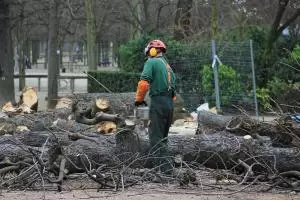
National Park Service Techs are tasked with managing the technical aspects of conserving forests, soils, forests, and other things vital to the health of National Parks. They typically find employment with the government on a local, state, or federal level. Though National Park Service Techs will typically work under the authority of a conservation scientist or higher-level forestry worker, they may spend a lot of time working alone in remote, outdoor environments. In addition, they are required to maintain National Park areas that are catered towards visitors, such as hiking trails or campsites.
Learn more about how to become a National Park Service Tech >>>
Nutrient Management Specialist
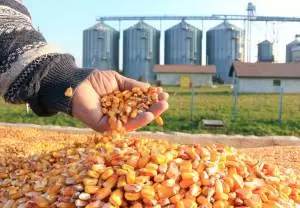
Nutrient Management Specialists collect and analyze data collected from farms and food processing plants to have a better understanding of the way our food is raised and produced. They then attempt to create pragmatic solutions to the problems facing a specific farm/plant or even the food processing industry at large. Nutrient Management Specialists are important to the increasing the production rate and quality of our national food supply, though very few Nutrient Management Specialists are actually employed by the government. Most find a home with private consulting firms or research universities. At minimum, Nutrient Management Specialists are required to have a Bachelor’s Degree, though many of them choose to pursue graduate studies and deepen their knowledge of the agricultural industry through internships.
Learn more about how to become a Nutrient Management Specialist >>>
Park Ranger
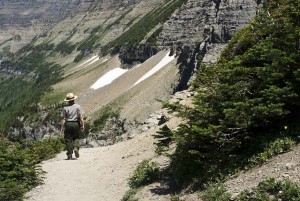
Learn more about how to become a Park Ranger >>>
Plant Biologist
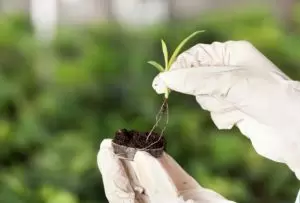
Plant biologists are an important part of modern research science. Plants are a vital resource, sources of building materials, pharmaceuticals and many other industrial and commercial applications. It requires a large body of researchers to look into the genetics of plants to understand why certain plants have such attributes, how they benefit humanity and their importance to the ecology.
Learn more about how to become a Plant Biologist >>>
Plant Ecologist

Learn more about how to become a Plant Ecologist >>>
Ranch Manager
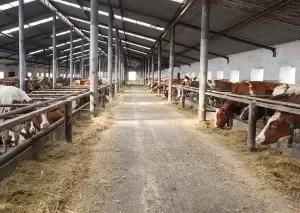
Ranch Managers supervise the establishments that raise livestock for various purposes, primarily for the production of meat and dairy products. This career track ensures that the U.S. is provided with a healthy supply of protein-rich foods. Ranch Managers often work in outdoor environments and are required to work strenuously throughout the day. Though an academic degree in agricultural or animal sciences is helpful, most Ranch Managers are able to advance to their position through hands-on work experience. This career track is seemingly in decline, but there are still many opportunities to work on smaller farms that engage with niche markets or work for larger corporate farms.
Learn more about how to become a Ranch Manager >>>
Silvicultural Researcher
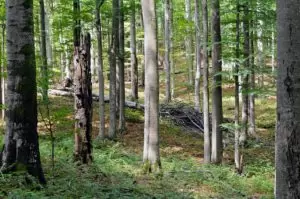
Learn more about how to become a Silvicultural Researcher >>>
Soil And Plant Scientist

Soil and plant scientists’ work differs from that of botanists primarily in their focus on the chemical and physical compositions of soil. When considering the establishment of farmland, the appropriateness of planting a given crop at that geographic location largely depends on the type of soil present. Soil and plant scientists work to elucidate what soil types, and what factors within a given soil, make it the most suitable for a particular crop. Although their primary goal is to increase the food yield of agricultural farmlands around the world, soil and plant scientists also conduct research on how plants might study pollution related topics, such as how plants might be able to remediate polluted soils. The day-to-day job duties of a soil and plant scientist can vary between collecting research samples from the field and conducting experiments in a controlled laboratory setting. One particular challenge that soil and plant scientists have been faced with in recent decades is elucidating the precipitous decline in bees, working to increase pollen yields and helping support healthy bee populations. Soil and plant scientists often work in close conjunction with others involved in the agricultural sciences, such as agricultural managers and horticulturalists. To prepare for a career as a soil and plant scientist, a strong understanding of plant-based biology, chemical cycles, hydrological cycles, and geology are necessitated.
Learn more about how to become a Soil And Plant Scientist >>>
Soil Engineer

Learn more about how to become a Soil Engineer >>>
Water Conservationist
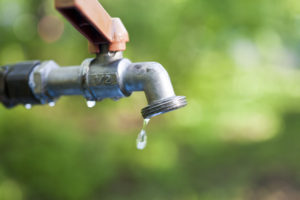
Climate change, population growth and lower precipitation means that water conservation is one of the biggest crises of our age. With severe droughts recorded in California in recent years with other parts of the country and the world under threat, we need to learn and teach the best use of water resources. Water Conservationists work with businesses, government bodies, private land owners and others to ensure proper management of water resources for the ecology and human use. They may monitor water quality and examine how water supplies are harnessed and promoted.
Learn more about how to become a Water Conservationist >>>
Water Management Planner

Learn more about how to become a Water Management Planner >>>
Water Quality Specialist

Water is the world’s most vital resource – we need it to grow food, to wash in, to drink and for the majority of our industrial and commercial purposes. It is equally vital that we do what we can to maintain minimum quality standards regarding pollutants, water’s PH level and other attributes to ensure the continued safety of the ecology and improve public health. Water Quality Specialists work in the field taking samples from water bodies (typically fresh water) such as rivers, lakes and reservoirs.
Learn more about how to become a Water Quality Specialist >>>
Wetlands Biologist
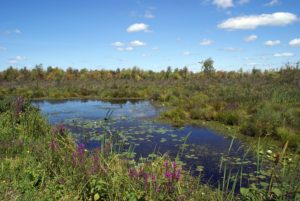
Wetlands are some of the most important ecological areas on the planet. Rare plants and animals come to rely on seasonal and permanent wetlands as a natural habitat. With a changing climate, some of these areas are already changing. Wetlands Biologists examine the life of wetlands (plant and animal) to ensure their continued good health, and research the conditions and life that live there. They can work in research, conservation, management and many other areas.
Learn more about how to become a Wetlands Biologist >>>
Wetlands Designer
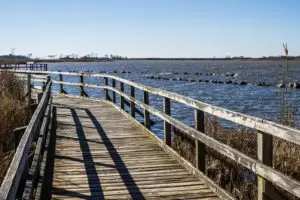
In the past, humans drained wetlands to make way for prime farmland. Today in these ecologically sensitive times, conservation groups are doing all they can to maintain existing wetlands. There is also a push to create artificial wetlands for species (both animal and plant) conservation, monitoring and the wider academic study. Wetlands designers are at the forefront of ecological engineering in maintaining existing wetland spaces and in creating new ones.
Learn more about how to become a Wetlands Designer >>>
Wildlife Administrator
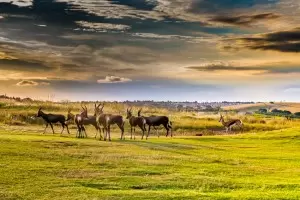
Learn more about how to become a Wildlife Administrator >>>
Wildlife Consultant
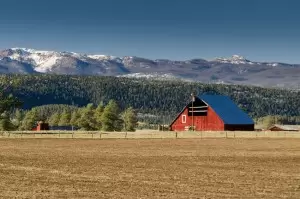
Habitat loss and degradation are some of the most pressing challenges facing wildlife. Across the Western United States, invasive grasses are infiltrating rangelands, increasing the risk of wildfire. Climate change threatens the sage grouse and other species. Overwhelmed state and federal agencies, along with some concerned landowners, have turned to wildlife consultants for help.
Wildlife consultants use their scientific expertise to improve habitat and manage the health of wildlife populations. These wildlife biologists provide services to public land and wildlife agencies. They also create management plans for landowners who want to integrate wildlife tourism into their operations.
Learn more about how to become a Wildlife Consultant >>>
Wildlife Forensics
Learn more about how to become a Wildlife Forensics >>>
Wildlife Inspector

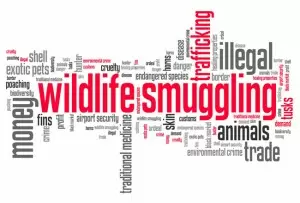
Illegal trafficking in wild animals and animal parts is a multi-billion dollar global industry. Belief in the curative powers of elephant tusks, rhino horns, and other animal parts – particularly in Asia - has made poaching a big business. Smuggling of live wild animals for the illegal pet trade is a larger problem in other parts of the world, such as the United States. Leather goods, trophies, jewelry, and other items are also shipped around the world each year. Wildlife inspectors are the knowledgeable and dedicated government officials who monitor international shipments for contraband wildlife and wildlife products. Wildlife inspectors work to disrupt the illegal wildlife trade to make it less profitable and attractive to criminals.
Learn more about how to become a Wildlife Inspector >>>
Wildlife Manager
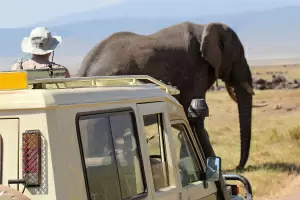
A career as a wildlife manager is one of the careers most directly related with conservation of biodiversity. At present, the Earth is experiencing massive species die-off at rates unseen since over 50 million years ago. The wildlife manager is tasked with the job of understanding the complex interactions of a particular ecosystem (often in conjunction with an ecologist), and developing a management plan to help maintain the levels of biodiversity and healthy quality of that ecosystem. Essentially, they work to balance the needs of humans and wildlife. Some of the common duties of a wildlife manager are to maintain populations of species at their appropriate, natural levels. This includes both the support of threatened or endangered species, as well as the reduction of nuisance animals that may be out-competing others. Hunting regulations and management are often under the control of a wildlife manager, as well as the responsibility of educating the public and developing ecotourism. Most wildlife managers work in publicly owned lands, typically at the national or state level. While a career as a wildlife manager can be arrived at from a variety of different pathways, degrees in biology, ecology, mammalogy, ichthyology (study of fish), or zoology are most helpful. Individuals that enjoy working outdoors in challenging environments and working with clients across a spread of interests and values will be best suited to careers as wildlife managers.
Learn more about how to become a Wildlife Manager >>>
Wildlife Officer

Learn more about how to become a Wildlife Officer >>>
Wolf Biologist
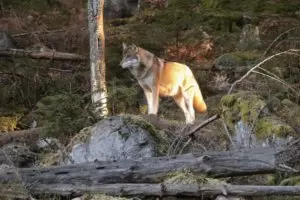
Wolf biologists are a type of wildlife biologist that examine wolves. This endangered species is much maligned but a vital part of the ecosystem in many parts of the world. Wolf biologists examine the life cycle, genetics, habits, evolution and social systems of wolves in their natural environment and captivity. In many places around the world, these animals are subject to protection laws. Wolf biologists may also be involved in consultation in their protection.
Learn more about how to become a Wolf Biologist >>>