
Forest firefighters prevent, control, and suppress wildfires on federal, state, and private forestlands across the United States. According to 2024 Bureau of Labor Statistics data, firefighters earn a median salary of $59,530 annually. Most positions require a two-year forestry or fire science degree, though some entry-level roles accept experience-based training. Job demand is projected to grow 3% through 2034, matching the average growth rate across all occupations.
Considering a career fighting wildfires in America's forests? Forest firefighting combines emergency response, environmental stewardship, and physical endurance in one of the most demanding outdoor careers available. If you're drawn to protecting natural resources while working in remote wilderness areas, this career path offers unique challenges and meaningful work.
Forest firefighting encompasses prevention, control, and suppression of fires in federal, state, and private forests. Professionals in this field work under various job titles, including forest fire warden, forest ranger, forest ranger technician, forestry technician (fire), wildland firefighter, and forest fire inspector and prevention specialist. Each role contributes to protecting millions of acres of forestland from destructive wildfires.
What Does a Forest Firefighter Do?
Forest firefighters typically work as part of a specialized crew or team responding to wildfire emergencies. When a fire breaks out in remote locations, specialized crews, such as smokejumpers, are trained to parachute into fire zones with equipment, providing rapid access to areas unreachable by ground vehicles. The work is divided into two main categories: active firefighting and fire prevention.
Emergency Response and Firefighting
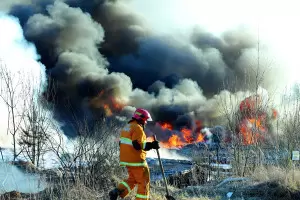
During active fires, forest firefighters use water pumps, chemical fire retardants, and hand tools like shovels to extinguish flames and prevent fire spread. They retrieve equipment that's been dropped separately by air, using compasses and topographic maps to navigate and maintain awareness of their position relative to the fire. When hikers or other visitors become trapped in fire zones, firefighters perform rescues and provide emergency medical treatment. After containing a fire, crews patrol the area for days or even weeks, monitoring hotspots that could reignite larger blazes.
Equipment Maintenance and Preparation
Between fire events, significant time goes into maintaining firefighting equipment. This includes testing water pumps, inspecting fire-resistant clothing, checking communication devices, and, for specialized airborne crews, maintaining parachutes. Ensuring all equipment remains deployment-ready is critical because when an emergency call comes, response time can determine whether a small fire gets contained or becomes a major wildfire.
Training and Fire Prevention Education
Forest firefighters plan and implement fire prevention programs for communities near forests. They teach residents about fire safety, explain local fire regulations, and help people understand how their actions can prevent wildfires. This educational component becomes especially important during dry seasons when fire risk increases.
Forest Fire Inspectors and Prevention Specialists
Forest fire inspectors and prevention specialists complement firefighting crews with more administrative duties. They enforce fire regulations by conducting inspection patrols to identify potential fire hazards before problems develop. During active fires, they report on fire conditions via radio or phone, coordinate crew locations, and may direct firefighting operations. Inspectors also investigate fire causes, documenting evidence to determine whether fires resulted from natural causes, accidents, or arson.
These specialists maintain detailed logbooks tracking fire incidents, crew deployments, equipment usage, and prevention activities. While they spend less time on the fire line than general firefighters, inspectors still need to be prepared to suppress small fires with pumps and shovels when encountered during patrols.
Leadership Roles for Senior Firefighters
After gaining several years of experience, forest firefighters may advance to team lead or captain positions. These senior roles involve managing and coordinating firefighting efforts or controlled burns, overseeing emergency dispatch and resource allocation, and deploying personnel for fire suppression and rescue operations. Senior firefighters also investigate fire patterns to assist law enforcement, facilitate public education sessions, create fire prevention programs, and hire both staff and volunteer firefighters. Leadership positions require not just firefighting expertise but also management skills and the ability to make critical decisions under intense pressure.
Where Does a Forest Firefighter Work?
The USDA Forest Service, which employs over 30,000 permanent staff across various roles, is the largest employer of forest firefighters. Some Forest Service employees advise state and private partners on fire management strategies. State forestry departments also directly employ firefighters, and a growing number work for private forestry firms and firefighting companies as agencies increasingly contract out some firefighting services.
Geographically, the West Coast states (California, Oregon, Washington, and Idaho) employ the largest concentration of forestry workers, followed by the Great Lakes region (Minnesota, Wisconsin), the Southeast (Florida, Alabama, North Carolina, Virginia), and Pennsylvania. These areas combine extensive forestland with conditions that create significant wildfire risk.
Physical Work Environment and Conditions
Forest firefighters spend most of their time outdoors in remote wilderness areas, exposed to all weather conditions. During fires, they work in smoke, extreme heat, and hazardous conditions, making this one of the more dangerous conservation careers. The work demands excellent physical fitness because firefighters hike long distances carrying heavy equipment, often in steep terrain.
Many forestry firefighting positions are seasonal summer jobs, corresponding with peak fire season. This seasonal nature means some firefighters supplement their income with winter work in other fields, while others pursue additional education during the off-season. The lifestyle can be demanding for maintaining relationships and family life, as firefighters may be deployed to remote locations for weeks at a time during major fire events.
Proper protective equipment is mandatory. Forest firefighters wear specialized boots, fire-resistant gloves, helmets with face shields, and flame-retardant clothing. Even with precautions, the work carries inherent risks from falling trees, sudden wind shifts that change fire direction, smoke inhalation, and heat exhaustion.
What Is the Average Forest Firefighter Salary?
According to the Bureau of Labor Statistics, firefighters earned a median annual salary of $59,530 as of 2024. Entry-level positions typically start below this median, while experienced firefighters and those in leadership roles earn considerably more. Geographic location significantly impacts salary, with federal positions often offering higher pay than state or private employment, and Western states generally offering better compensation due to higher costs of living and greater fire risk.
Many seasonal firefighters earn hourly wages rather than annual salaries. Overtime pay during active fire seasons can substantially increase total yearly earnings, sometimes doubling base pay during hectic fire years. Federal firefighters also receive benefits packages that include health insurance, retirement plans, and paid time off, which add considerable value beyond base salary.
What Is the Job Demand for Forest Firefighters?
Job demand for firefighters is projected to grow by 3% from 2024 to 2034, matching the average growth rate across all occupations. While this represents steady demand rather than explosive growth, opportunities remain strong within federal and state forest lands, particularly in the Western United States. Climate change continues to contribute to longer fire seasons and more intense wildfires, especially in California and throughout the West, maintaining a consistent need for trained wildland firefighters.
A notable trend involves cost-saving privatization, with more jobs opening at private firefighting companies contracted by agencies. These private firms often offer different work schedules and may provide opportunities for those who don't qualify for federal positions. Competition for federal forest firefighting positions remains intense, particularly for permanent rather than seasonal roles.
What Forest Firefighter Career Advancement Looks Like
After gaining several years of field experience, forest firefighters can work toward positions as forest firefighting and prevention supervisors. These managers plan forest fire prevention and control programs, recruit and train new firefighters, and oversee firefighting operations across larger geographic areas. Supervisors typically work in regional or district offices, coordinating multiple crews and making strategic decisions about resource allocation during fire events.
The career progression generally follows this path: entry-level crew member (1-3 years), experienced firefighter or specialist (3-5 years), team lead or squad leader (5-8 years), and eventually supervisor or fire management officer (8+ years). Each advancement requires demonstrating not just firefighting competence but also leadership ability, decision-making under pressure, and increasingly sophisticated knowledge of fire behavior and management strategies.
Some forest firefighters transition into related careers as forest rangers, focusing on broader land management, or move into fire prevention roles that involve less fieldwork. Others pursue advanced positions in fire science research, helping develop new firefighting technologies and strategies.
How Do I Get a Forest Firefighter Degree?
Many forest technician positions require a two-year degree from a technical college recognized by the Society of American Foresters (SAF). Associate degree programs in forestry, natural resources, or fire science provide the educational foundation for this career. Coursework typically covers forest ecology, wildfire behavior, emergency response procedures, map reading and navigation, equipment operation, and forest management principles.
However, not all forest firefighting positions require college degrees. The Forest Service offers many entry-level fire-related positions that accept experience-based training or military service in place of formal education. Veterans with experience in military firefighting or related fields often find direct pathways into forest firefighting careers. Some firefighters start as seasonal workers while pursuing their degrees, gaining valuable field experience that complements classroom learning.
Certifications and Training
The National Wildfire Suppression Association offers an optional training certification program resulting in designation as a Professional Certified Emergency Services Contractor. While voluntary, this certification demonstrates professional competency and can improve job prospects. Many employers provide additional on-the-job training specific to their equipment, procedures, and the particular ecosystems they protect.
Some states require foresters and forest technicians to be licensed or registered. Requirements vary by state, so checking with your state's forestry board is essential when planning your career path. The Society of American Foresters also offers voluntary professional certification that some employers value.
Physical Fitness Requirements
Before pursuing forest firefighting seriously, consider the physical demands. Many agencies require passing the "pack test" administered by the National Wildfire Coordinating Group (NWCG) - hiking three miles in 45 minutes while carrying a 45-pound pack. This is just the baseline. Actual firefighting work often demands carrying heavier loads over longer distances in more challenging terrain and conditions. Regular cardiovascular exercise, strength training, and hiking practice are essential for anyone serious about this career path.
Related Degree Options for Forest Firefighters
What Kind of Societies and Professional Organizations Do Forest Firefighters Have?
Founded in 1900 by Gifford Pinchot, the Society of American Foresters (SAF) is the most prominent professional association for foresters worldwide. The society advances forestry practice and provides information and networking opportunities for foresters and natural resource professionals. SAF hosts annual conferences, publishes research journals, and offers continuing education for members.
The National Wildfire Suppression Association (NWSA) is the leading organization specifically for private wildland firefighters. It represents private wildland fire services contractors who work with federal, state, and local agencies. NWSA offers the optional training certification mentioned earlier, organizes an annual conference where firefighters share best practices and new technologies, and keeps members informed about regulatory changes and developments in the field.
Frequently Asked Questions
What's the difference between a forest firefighter and a regular firefighter?
Forest firefighters specialize in wildland fires in remote wilderness areas, while municipal firefighters respond to structural fires in populated areas. Forest firefighters use various techniques, such as creating firebreaks, conducting controlled burns, and working in highly remote locations, often reached only by air. The work is more seasonal, physically demanding in terms of hiking and endurance, and involves extended deployments away from home during major fire events.
Is forest firefighting a year-round job?
Many forest firefighting positions are seasonal, corresponding with peak fire season (typically late spring through early fall). However, permanent positions are available for experienced firefighters, particularly with federal agencies such as the Forest Service. During the off-season, permanent firefighters conduct prescribed burns, maintain equipment, participate in training, and work on fire prevention programs. Seasonal firefighters often seek winter employment in other fields or pursue additional education.
Do I need to be in exceptional physical shape?
Yes. Forest firefighting is one of the most physically demanding outdoor careers. You'll hike long distances carrying 50+ pounds of equipment, often in steep terrain, extreme heat, and thin air at high elevations. Most agencies require passing a "pack test" to qualify. The work demands sustained cardiovascular endurance, strength, and mental toughness. If you don't enjoy strenuous outdoor physical activity, this career may not be a good fit for you.
Can I become a forest firefighter without a college degree?
Yes, particularly for entry-level positions with federal agencies. The Forest Service and other employers often accept relevant experience, military service, or completion of specific training programs in place of formal degrees. However, having an associate or bachelor's degree in forestry, fire science, or natural resources significantly improves your job prospects and opens doors to advancement. Many firefighters start in seasonal positions without degrees and pursue education as they gain experience.
How dangerous is forest firefighting really?
Forest firefighting carries significant risks. Firefighters face threats from falling trees, sudden wind shifts that can trap crews, smoke inhalation, heat exhaustion, and rough terrain that can cause injuries. Fatalities do occur, though they're relatively rare thanks to extensive training, safety protocols, and modern equipment. The work is dangerous enough that life insurance rates for wildland firefighters are notably higher than average. Anyone entering this field must respect these risks and commit to following safety procedures meticulously.
Key Takeaways
- Salary and Compensation: Firefighters earn a median salary of $59,530 annually (2024 BLS data), with significant overtime potential during active fire seasons and higher pay for federal positions and leadership roles.
- Job Outlook: Employment is projected to grow 3% from 2024 to 2034, matching average growth across all occupations, with steady opportunities in Western states where climate change continues extending fire seasons.
- Physical Demands: This career requires exceptional physical fitness, including the ability to hike long distances with heavy equipment in challenging terrain, often at high elevations in extreme heat.
- Education Pathways: While many positions require two-year forestry or fire science degrees, entry-level opportunities exist for those with relevant experience or military backgrounds, allowing you to gain experience while pursuing education.
- Seasonal Nature: Many positions are seasonal (spring through fall), which impacts lifestyle and requires planning for off-season employment or education, though permanent positions exist for experienced firefighters with federal agencies.


Ready to explore forestry and fire science education? Discover accredited programs that prepare you for a career protecting America's forests from wildfires.
2024 US Bureau of Labor Statistics salary and job growth figures for firefighters reflect national data, not school-specific information. Conditions in your area may vary. Data accessed January 2026.