

Public Health Employment Conditions
Public health careers focus on protecting communities from environmental health risks through facility inspection, disease research, and policy development. Key roles include environmental health specialists (median $76,480), epidemiologists (median $81,390), occupational health specialists (median $79,620), and health educators (median $62,860). The field projects 8-27% growth through 2032 depending on specialization, with strong demand for professionals addressing environmental contaminants, disease prevention, and workplace safety.
If you're passionate about protecting communities from environmental health risks—whether that's preventing disease outbreaks, ensuring workplace safety, or researching how pollution affects human health—a career in public health offers meaningful work with strong growth prospects. This guide explores career pathways, salary expectations, educational requirements, and the diverse roles available at the intersection of environmental science and public health.
Most public health professionals addressing environmental issues work for local and state health departments, environmental protection agencies, and occupational health and safety organizations. Some manage workplace safety programs for private companies, while others provide specialized services through environmental consulting firms.
Work environments vary significantly by role. Environmental health specialists often conduct field inspections at facilities with hazardous materials or respond to emergencies such as chemical spills or disease outbreaks. Occupational health specialists spend time in factories, construction sites, and industrial plants ensuring worker safety. Epidemiologists and health educators typically work in office settings, though field research and community outreach are common. Many positions offer a mix of fieldwork and office-based analysis, providing variety in day-to-day responsibilities.
Public Health Job Outlook
Employment prospects for public health professionals vary considerably by specialty, with most roles projected to grow faster than the national average for all occupations.
Occupational health and safety specialists face steady demand, with employment projected to grow 8% through 2032—slightly above the average for all professions. Health educators and community health workers will see much faster expansion, with a combined projected growth rate of 17% over the same period. This acceleration reflects increasing emphasis on preventive health measures and community-based interventions.
Epidemiologists enjoy the strongest outlook among public health careers, with employment expected to increase by 27% through 2032. This substantial growth reflects multiple factors, including heightened awareness of disease surveillance needs, environmental health threats, and expanded public health infrastructure. The COVID-19 pandemic highlighted the importance of epidemiological capacity, contributing to increased investment in these positions across government and healthcare systems.
2024 US Bureau of Labor Statistics job market data for Occupational Health and Safety Specialists, Epidemiologists, Health Educators, and Community Health Workers reflect national data, not school-specific information. Conditions in your area may vary. Data accessed January 2026.
Public Health Jobs & Job Responsibilities
Public health careers form a complex network of specialized roles working to protect communities and improve the quality of life. As populations grow and environmental challenges intensify—from emerging infectious diseases to climate-related health risks—the field demands professionals who can navigate scientific complexity while communicating effectively with diverse stakeholders.
Despite the diversity of specializations, public health professionals share common responsibilities. They collaborate on interdisciplinary projects, serve as subject-matter experts in their fields, and always act in the public's best interest. Most roles require networking across governmental agencies, nonprofits, and private sector partners. Professionals must convey complex information through reports and presentations, respond to inquiries from both superiors and the public, and engage in emergency management during outbreaks or environmental incidents. Continuing education throughout one's career is essential as research evolves and new threats emerge.
Core competencies across public health roles include:
- Collaborating on interdisciplinary projects and serving as a subject matter expert when needed
- Acting in the public's best interest while working within program frameworks
- Networking with governmental, nonprofit, and private health-related agencies
- Communicating findings through oral reports, written documentation, and stakeholder presentations
- Soliciting feedback from patients, clients, and communities to improve services
- Seeking cost-effective approaches to disease prevention and health promotion
- Preparing for and responding to emergency health situations and outbreaks
Senior Public Health Leadership Roles
Senior officials focus on reducing health inequalities through strategic program development, research initiatives, and policy advocacy. These leadership positions require evaluating existing systems to ensure they meet population needs, developing and monitoring program outcomes, and drafting communications for diverse audiences, including policymakers, administrators, and the public.
Strategic responsibilities include identifying program requirements and potential obstacles, overseeing contracts and grants, assigning programs to target populations based on geographic and demographic evidence, and recommending improvements when challenges arise. Senior professionals must stay current by continuously reviewing the research literature and best practices in disease management and public health interventions.
Degree Options and Salaries for Careers in Environmental Public Health
Environmental changes profoundly impact public health—a relationship that has gained increased attention in recent decades. Interactions between humans and natural environments create pathways for disease transmission, and research increasingly demonstrates that environmental stressors and habitat encroachment contribute to increased exposure to emerging pathogens. Understanding these connections helps public health professionals anticipate and manage health risks associated with conditions like SARS, Ebola, and MERS.
Food security, nutrition, access to clean water, and air quality are also critical environmental determinants of public health that require specialized expertise to address.
Associate Degree Pathways: Entry-Level Environmental Health Roles
Associate degree programs provide access to hands-on environmental health positions with solid middle-class earning potential. While these roles may not offer the visibility of senior research positions, they provide essential services that communities depend on. Water treatment, environmental monitoring, occupational safety technician work, and community health outreach all offer opportunities for meaningful work with stable employment prospects nationwide.
| Position | Median Annual Salary (2022 BLS) | Typical Responsibilities |
|---|---|---|
| Water and Wastewater Treatment Plant Operators | $51,360 | Operate equipment to treat water and wastewater, monitor systems, maintain safety standards |
| Occupational Health and Safety Technicians | $57,920 | Inspect workplaces for hazards, collect samples, test equipment, assist specialists |
| Community Health Workers | $46,590 | Provide health education, connect individuals to services, advocate for community needs |
Source: Bureau of Labor Statistics Occupational Outlook Handbook, 2022 data accessed January 2026. Median salaries reflect national data; actual compensation varies significantly by geographic location, employer type, and experience level. These figures do not represent job offers or employment assurance.
Common associate degree programs include the Associate of Public Health, the AS in Health Science, and the AS in Allied Health Science. These programs emphasize healthcare fundamentals similar to other clinical professions, with strong foundations in biology, chemistry, and laboratory sciences. Expect substantial coursework in computer literacy and information systems to prepare for the record-keeping and research components essential to public health work.
Note on educational requirements: Community health workers often enter the field without formal degrees, with many employers providing on-the-job training. However, associate degrees can improve employment prospects and advancement opportunities in this growing field.
Typical coursework includes:
- Medical Terminology
- Introduction to Sociology
- Anatomy and Physiology
- Microbiology
- Nutrition
- Health Care Administration
Bachelor's Degree Pathways: Professional Environmental Health Positions
Bachelor's degrees open doors to professional-level positions that move beyond routine fieldwork into specialized analysis, program management, and policy implementation. These roles offer greater responsibility, better compensation, and opportunities to shape environmental health initiatives rather than simply implementing established protocols.
| Position | Median Annual Salary (2022 BLS) | Career Focus |
|---|---|---|
| Environmental Scientists and Specialists | $76,480 | Analyze environmental data, assess health risks, recommend mitigation strategies |
| Health Education Specialists | $62,860 | Develop education programs, teach prevention strategies, evaluate program effectiveness |
| Conservation Scientists and Foresters | $64,420 | Manage natural resources, assess environmental health impacts, protect ecosystems |
| Management Analysts (Public Health Sector) | $95,290 | Improve efficiency of health programs, analyze systems, implement improvements |
Source: Bureau of Labor Statistics Occupational Outlook Handbook, 2022 data accessed January 2026. Median salaries reflect national data across all industries; salaries in the public health sector may vary. Management Analysts represent all industries—public health roles are a specialized subset. Actual compensation varies significantly by geographic location, sector (government vs. private), and experience level. These figures do not represent job offers or employment assurance.
Important note: Health Education Specialists typically require a bachelor's degree as the minimum educational qualification. This represents a professional-level position distinct from entry-level community health worker roles.
Bachelor's programs prepare students to transition from field technician roles into laboratory research, program development, and management positions. These multidisciplinary degrees require broad expertise spanning communication, statistics, biology, chemistry, and social sciences. Common degree options include BS in Biostatistics, BA in Public Health, BS in Nutrition, BA in Sociology, BS in Environmental Health, and BS in Environmental Microbiology.
Many students pursue bachelor's degrees as preparation for master's programs, which are increasingly required for competitive positions in public health. The additional years of study prepare you for complex analytical work through coursework in:
- Biology, Mathematics, and Chemistry
- Quantitative Analysis and Biostatistics
- Microorganism Biology
- Global Environmental and Public Health
- Radiation and Air Pollution
- Hazardous and Solid Waste Management
- Epidemiology
- Industrial Hygiene
Most programs include internship or practicum components that provide supervised experience in actual public health settings, applying classroom knowledge to real-world challenges.
Master's and Doctoral Pathways: Leadership and Research Positions
Graduate education is essential for advancing to leadership roles, conducting independent research, or influencing policy at the state and federal levels. The complexity of environmental public health—as demonstrated in decisions affecting community health outcomes—demands the advanced expertise that graduate training provides.
| Position | Median Annual Salary (2022 BLS) | Advanced Responsibilities |
|---|---|---|
| Epidemiologists | $81,390 | Investigate disease patterns, conduct studies, guide public health responses |
| Medical and Health Services Managers | $104,830 | Direct health programs, manage departments, oversee budgets and personnel |
| Emergency Management Directors | $79,180 | Plan disaster response, coordinate agencies, prepare communities for health emergencies |
| Occupational Health and Safety Specialists | $79,620 | Design safety programs, analyze workplace risks, ensure regulatory compliance |
Source: Bureau of Labor Statistics Occupational Outlook Handbook, 2022 data accessed January 2026. Median salaries reflect national data; actual compensation varies significantly by geographic location, sector (government, private, or academic), experience level, and specific role responsibilities. Emergency Management Directors' median represents all emergency management roles—public health-specific positions may vary. These figures do not represent job offers or employment assurance.
Master's programs commonly require a related bachelor's degree and often prefer candidates with real-world experience in healthcare or public health settings. Available degrees include MS in Environmental Sciences, MS in Health Science with Environmental Health emphasis, Master of Public Health (MPH) with environmental concentration, and MS in Health Informatics.
Graduate curricula mirror undergraduate foundations but allow significant specialization in areas such as:
- Epidemiology and Toxicology
- Healthcare Management and Policy
- Environmental Sociology
- Occupational Health
- Disease Surveillance Systems
Doctoral degrees serve those pursuing academic careers or conducting advanced research in government agencies or pharmaceutical companies. Most programs require laboratory research, fieldwork, and often internship components that place graduate students in applied roles where they contribute to actual public health initiatives.
2024 US Bureau of Labor Statistics salary figures and job growth projections for all occupations and job titles listed here reflect national data, not school-specific information. Conditions in your area may vary. Data accessed January 2026.
Frequently Asked Questions
What are four careers that help protect environmental health?
Four key careers include: (1) Environmental Health Specialists who inspect facilities for hazardous materials and enforce public health regulations, (2) Epidemiologists who investigate disease outbreaks and research environmental causes of illness, (3) Occupational Health and Safety Specialists who ensure workplace safety and prevent exposure to harmful substances, and (4) Health Educators who teach communities about environmental health risks and disease prevention strategies. Each profession addresses different aspects of the relationship between environment and public health.
What degree do I need to start a career in public health?
Educational requirements vary significantly by role. Community health workers often enter the field without formal degrees, receiving on-the-job training, though an associate degree can improve prospects. Entry-level technician positions like wastewater treatment operators typically require an associate's degree. Professional roles—including environmental health specialists and health education specialists—require a bachelor's degree as the minimum qualification. Advanced positions in epidemiology, research, program management, or policy typically require a Master of Public Health (MPH) or doctoral degree. The more responsibility and independence you seek, the more advanced your education needs to be.
How much do environmental public health professionals earn?
Median salaries vary significantly by education level and specialization, according to 2022 BLS data. Entry-level technicians and community health workers with associate degrees typically earn $46,590-$57,920 annually (median figures). Bachelor's-level environmental scientists and health educators earn median salaries of $62,860-$76,480, with management analysts in public health sectors reaching $95,290. Master's-prepared epidemiologists earn a median of $81,390, while health services managers command $104,830. Geographic location, years of experience, sector (government vs. private), and specific employer substantially influence actual earning potential, with many professionals earning above or below these medians.
What is the job outlook for public health careers through 2032?
Employment prospects are strong across nearly all public health specializations. Occupational health and safety specialists are projected to grow by 8% through 2032, slightly above the national average. Health educators and community health workers will see much faster expansion, with a combined 17% growth rate, driven by increased emphasis on preventive care and community-based interventions. Epidemiologists enjoy the strongest outlook with 27% projected growth—more than three times the national average—reflecting multiple factors including enhanced disease surveillance capacity, environmental health monitoring needs, and expanded public health infrastructure investment.
Where do environmental public health professionals typically work?
Most professionals work for local and state health departments, state environmental protection agencies, or federal agencies like the EPA and CDC. Others work for OSHA, ensuring workplace safety, public hospitals managing occupational health programs, or universities conducting research. Private sector opportunities exist with environmental consulting firms, pharmaceutical companies developing treatments, and large corporations managing internal health and safety programs. Some professionals combine roles—teaching part-time while consulting or conducting research alongside clinical practice.
Key Takeaways
- Strong Growth Across Specializations: Public health careers project 8-27% growth through 2032, depending on specialization, with epidemiologists facing the strongest demand at 27%—more than three times faster than the national average for all occupations.
- Competitive Median Salaries: Based on 2022 BLS data, bachelor's-level environmental scientists earn median salaries of $76,480 annually, while master's-prepared epidemiologists command $81,390, and health services managers earn $104,830. Geographic location and sector significantly impact actual compensation.
- Multiple Educational Entry Points: Community health workers often enter without formal degrees; associate degrees provide access to technician roles earning median salaries of $46,590-$57,920; bachelor's degrees open professional positions at median salaries of $62,860-$95,290; and master's degrees lead to leadership roles with median salaries exceeding $81,000.
- Diverse Work Environments: Professionals work across government agencies (local, state, federal), private consulting firms, academic research institutions, healthcare systems, and corporate safety departments—offering flexibility to match personal preferences for field, lab, office, or community-based work.
- Interdisciplinary Skill Requirements: Success requires combining scientific expertise (biology, chemistry, epidemiology, toxicology) with strong communication skills to educate communities, present findings to policymakers, and collaborate across disciplines to address complex public health challenges.
Ready to protect communities through environmental public health? Explore accredited degree programs that prepare you to address emerging health threats, prevent disease, and improve environmental health outcomes.
Explore Specific Public Health Career Paths
The field encompasses numerous specialized roles, each addressing unique aspects of environmental and public health protection. From facility inspection to epidemiological research, these careers require varying levels of education but share a common mission: protecting communities from health risks.
Click the career titles below to learn about specific roles, including detailed job descriptions, educational pathways, certification requirements, and salary expectations:
2024 US Bureau of Labor Statistics salary and job growth figures for Environmental Scientists and Specialists reflect state and national data, not school-specific information. Conditions in your area may vary. Data accessed January 2026.

Jump to Careers in Public Health
Air Pollution Analyst
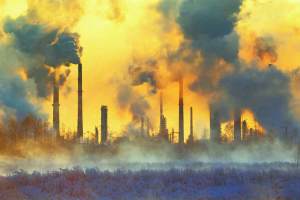
Air Pollution Analysts collect and analyze polluted air to devise environmentally friendly solutions to these problems. They employ the scientific method and critical thinking skills regularly, and often cooperate with other scientists while analyzing data. This field is growing because of increasing interest in environmental safety, the growing link between greenhouse gasses and global warming, and global interest in limiting pollution produced by different manufacturing processes and automobiles.
Learn more about how to become an Air Pollution Analyst >>>
Disaster Management Specialist
Learn more about how to become a Disaster Management Specialist >>>
Environmental Health Professional

Thousands of new chemicals enter the marketplace every year, posing potential hazards to the environment, workers, and the general public. Environmental health professionals play various protective roles to keep people and the environment safe. For example, they conduct inspections to make sure that landfills, hazardous materials facilities, and drinking water systems comply with regulations. Other environmental health professionals focus on the workplace environment. After all, all of those chemicals start out in someone’s workplace. And there are scores of other potential workplace hazards in a wide variety of industries. Environmental health specialists help keep people safe and healthy at work. These professionals are unique in that they work with virtually all aspects of business operations to run health programs. They coordinate with top management, human resources, unions, and government agencies to protect workers from chemical and workplace hazards.
Learn more about how to become an Environmental Health Professional >>>
Environmental Inspector
Learn more about how to become an Environmental Inspector >>>
Environmental Sanitation Engineer
Learn more about how to become an Environmental Sanitation Engineer >>>
Environmental Toxicologist
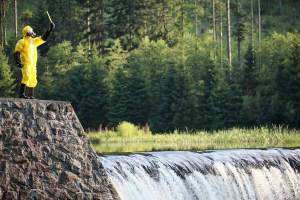
Most of us learned about Rachel Carson’s book Silent Spring as high school students. This classic and important work examined the effects of the pesticide DDT on bird populations, warned us about its dangers, and ultimately made the case for banning it. While Carson was a marine biologist by training, her famous work was akin to environmental toxicology – the study of the effects of toxic chemicals on organisms. Today, Carson might study the buildup of mercury in fish like tuna and swordfish, or the effects of the BP oil spill on seafood from the Gulf of Mexico. From pharmaceuticals to plastic microbeads, new chemical challenges continue to present themselves, and environmental toxicologists are on the front lines of predicting, preventing, and studying adverse environmental effects.
Learn more about how to become an Environmental Toxicologist >>>
Epidemiologist

Learn more about how to become an Epidemiologist >>>
Groundwater Protection Specialist
Learn more about how to become a Groundwater Protection Specialist >>>
Public Education Outreach Specialist

Learn more about how to become a Public Education Outreach Specialist >>>
Wastewater Treatment Operator

Water is the source of life. Without water there can be no humans and no animal or plant life. If you want to truly make a difference, working as a Wastewater Treatment Operator is a great career choice. Wastewater treatment plant and system operators manage a system of machines, often through the use of control boards, to transfer or treat water or wastewater. By treating wastewater, it can be released safely into the environment or used for watering gardens or other actions that do not require drinking water.
Learn more about how to become a Wastewater Treatment Operator >>>