

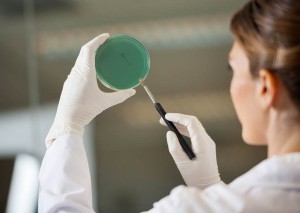
Epidemiologists study disease patterns and causes in populations, earning a median salary of $83,980 as of 2024. Most positions require a master's degree in public health or epidemiology, with strong employment growth projected at 16% through 2034. Epidemiologists work in government agencies, hospitals, research institutions, and consulting firms investigating health threats and developing prevention strategies.
Epidemiologists are the disease detectives of public health—tracking outbreaks, identifying causes, and developing strategies to protect entire populations. If you're drawn to scientific research that has immediate real-world impact on community health, epidemiology offers one of the most dynamic career paths in environmental and public health sciences.
Epidemiology is the study of the distribution and causes of disease. It aims to solve or control health problems through integrating experiments, risk assessment, statistical analysis, surveys, and interviews to study disease patterns. Epidemiologists investigate patterns and causes of diseases and injuries that affect people, working to reduce disease burden through community education and policy development.
What Does an Epidemiologist Do?
Epidemiologists play a key role in public health programs, investigating the causes of disease and often overseeing them. Their work involves analyzing statistics, monitoring communities for disease, and educating health care workers and the public. Using their expertise, they design research studies, monitoring programs, and community surveys that shape how we understand and respond to health threats.
A typical week for an epidemiologist balances several types of work. You'll spend time collecting and analyzing various types of data, including blood and tissue samples, patient interviews, and survey responses. Statistical software like SAS, R, or SPSS becomes second nature as you identify patterns and test hypotheses. You'll monitor and report disease occurrences to government health agencies, often collaborating with physicians, public health officials, and laboratory scientists to connect individual cases to broader trends. Read more at epidemiology 101.
Environmental epidemiologists are a specialized branch of the field, studying health effects linked to known or suspected environmental contaminants. They investigate developmental delays, neurological disorders, cardiovascular and pulmonary diseases, and other health effects in people of all ages. For example, they monitor people in communities exposed to air pollution, hazardous waste, metals, pesticides, radiation, or asbestos to watch for adverse health effects.
These specialists also investigate unknown causes of adverse health effects, such as unusually high incidences of cancer or autism in a particular community. Their research may involve ecological investigations that map disease patterns against environmental exposure data. Environmental epidemiologists also advise government agencies on acceptable levels of exposure to environmental contaminants. Public advisories about mercury in fish, high ozone days, and mold exposure are based on their work. The vital work of these professionals helps protect the public from the harmful effects of environmental contaminants.
Beyond data analysis, epidemiologists spend considerable time writing. You'll produce technical reports, journal articles, and policy briefs that translate complex statistical findings into actionable recommendations. Communication skills matter just as much as analytical abilities—you need to explain why a particular intervention works to both scientific peers and community stakeholders who may have no statistical background.
Where Does an Epidemiologist Work?
As of 2024, epidemiologists held approximately 12,300 jobs in the United States. Most epidemiologists work for state and local governments, representing 56% of employment—these professionals serve as the backbone of public health departments across the country. The largest concentration works for state government agencies (34%), followed by local government health departments (22%). Many also work for hospitals (10%), scientific research and development firms (5%), or as faculty members and research staff at colleges and universities (5%).
Your work environment choice significantly impacts your day-to-day experience. Epidemiologists in research positions generally spend their time in offices, studying data and reports—lab work and field data collection are usually the responsibility of others. Government epidemiologists, on the other hand, often travel to collect field data and conduct environmental investigations. This might mean visiting a community with an unusual disease cluster, inspecting a contaminated site, or interviewing affected residents in their homes.
The COVID-19 pandemic highlighted the critical role of epidemiologists working in rapid response. During public health emergencies, you might work extended or irregular hours, coordinating with multiple agencies to track disease spread and recommend interventions. However, most epidemiologists work full-time during regular business hours. Due to extensive safety precautions and protective equipment, the risk of fieldwork and sample collection is minimal.
What Is the Average Epidemiologist Salary?
Epidemiologists earned a median salary of $83,980 as of May 2024, with significant variation depending on work setting and specialization. Your earning potential grows substantially as you gain experience and take on more complex research projects or supervisory roles. Entry-level epidemiologists with a master's degree typically start around $56,950 or slightly higher, while experienced epidemiologists directing major research programs can earn more than $134,860 annually.
Work setting significantly impacts compensation. The table below shows median annual salaries by employer type based on 2024 Bureau of Labor Statistics data:
| Work Setting | Median Annual Salary (2024) | Typical Employers |
|---|---|---|
| Scientific Research & Development | $130,390 | Research institutions, pharmaceutical companies, and biotech firms |
| Hospitals | $99,690 | Healthcare systems, medical centers, specialty hospitals |
| State Universities | $80,640 | Schools of public health, research universities |
| State Government | $79,640 | State health departments, environmental agencies |
| Local Government | $76,180 | County and city health departments, CDC field offices |
Geographic location also affects salary. Epidemiologists working in major metropolitan areas and states with high concentrations of research institutions typically earn more than the national median. Benefits packages often include health insurance, retirement contributions, and support for continuing education—particularly valuable given the field's emphasis on staying current with evolving research methods and emerging health threats.
How Do I Get an Epidemiology Degree?
Epidemiologists need at least a master's degree from an accredited college or university. The most common path involves earning a master's in public health (MPH) with an emphasis in epidemiology. Plan for 6 to 8 years total from starting your bachelor's degree to entering the workforce: four years for undergraduate studies, plus two years for your master's program.
Your undergraduate major should build a strong foundation in science and mathematics. Biology, statistics, mathematics, public health, or pre-medicine programs all prepare you well. Focus on coursework in biology, chemistry, statistics, and research methods. Many students also take psychology and sociology courses better to understand human behavior and the social determinants of health.
Master's programs in epidemiology or public health typically require applicants to have completed prerequisite courses in biology, statistics, and introductory chemistry. Some programs also prefer 1 to 2 years of relevant work experience, which you can gain through research assistant positions, public health internships, or work with community health organizations. Most programs require GRE scores, though an increasing number are making this optional.
During your master's program, you'll take core courses in public health, biology, biostatistics, causal analysis, and survey design. Advanced courses focus on regression analysis, medical informatics, infectious disease modeling, and environmental health assessment. Nearly all Master of Public Health and related programs require students to complete an internship or practicum, giving you hands-on experience applying classroom concepts to real-world public health challenges.
Some epidemiologists earn both an epidemiology degree and a medical degree (M.D. or D.O.). These dual-trained scientists often work as practicing clinicians while conducting research, bridging the gap between clinical medicine and population health. A Ph.D. in epidemiology is required for those who want to direct major research projects, secure independent research funding, or serve as faculty members at colleges and universities. Doctoral programs typically take 4 to 5 years beyond the master's degree.
Choosing the Right Epidemiology Program
When evaluating graduate programs, accreditation matters. Look for schools accredited by the Council on Education for Public Health (CEPH), which ensures programs meet rigorous standards for curriculum, faculty qualifications, and student outcomes. Beyond accreditation, consider the program's research focus. Some programs emphasize infectious disease epidemiology, others focus on chronic disease or environmental health. Choose a program whose faculty research aligns with your interests.
Funding is another critical consideration. Many epidemiology students receive teaching or research assistantships that cover tuition and provide a stipend. Federal training grants, fellowships, and scholarships are also available. Don't rule out a program based on sticker price alone—investigate all funding options before making your decision. Some public health departments and government agencies offer loan forgiveness programs for graduates who commit to working in public service.
Essential Skills for Epidemiologists
Technical proficiency forms the foundation of epidemiological work. You'll need strong skills in statistical software, with most positions requiring expertise in SAS, R, or SPSS. Many epidemiologists also use GIS mapping software to visualize disease patterns geographically, database management systems to organize large datasets, and data visualization tools to communicate findings effectively. Familiarity with programming languages such as Python is increasingly valuable, especially for data science applications in public health and for machine learning approaches to disease prediction.
Analytical thinking separates competent epidemiologists from exceptional ones. You'll design research studies, develop hypotheses about disease causation, and critically evaluate evidence from multiple sources. Understanding causal inference—how to determine whether an association represents a genuine cause-and-effect relationship—requires both statistical sophistication and scientific judgment. You need to know when correlation suggests causation and when it's just a coincidence.
Communication skills prove just as important as technical abilities. You'll write technical reports and journal articles, but you'll also need to explain complex findings to policymakers, journalists, and community members. Can you translate a hazard ratio into plain language that a city council member can understand? Can you explain why your study's findings should change public health policy? These communication challenges require both clarity and diplomacy, especially when your findings have political or economic implications.
Soft skills round out the epidemiologist's toolkit. Attention to detail is critical—a small error in data coding or analysis can lead to incorrect conclusions with serious public health consequences. Problem-solving under pressure becomes essential during disease outbreaks, when decisions must be made quickly with incomplete information. Cultural competency helps you work effectively with diverse communities, understanding how social and cultural factors influence health behaviors and outcomes. Ethical decision-making guides you through situations in which public health needs must be balanced with individual rights and privacy concerns.
Career Specializations in Epidemiology
Epidemiology offers numerous specialization paths, allowing you to focus on the health challenges that interest you most. Infectious disease epidemiologists track and investigate outbreaks of communicable diseases, from foodborne illnesses to emerging contagious threats like COVID-19. This specialization often involves rapid response work and international collaboration, particularly for diseases that cross borders.
Chronic disease epidemiologists study long-term health conditions like heart disease, diabetes, and cancer. They investigate risk factors, evaluate prevention programs, and track disease trends over the course of decades. This work often influences health policy and clinical practice guidelines. As mentioned earlier, environmental epidemiologists focus specifically on health effects associated with environmental exposures. They work closely with environmental scientists and toxicologists to assess how pollution, chemical exposures, and climate change affect human health.
Occupational epidemiologists examine workplace health hazards, including repetitive stress injuries and occupational cancer risks. Injury epidemiologists investigate patterns of accidents and violence and develop prevention strategies. Perinatal and pediatric epidemiologists specialize in maternal and child health, studying factors that affect pregnancy outcomes and childhood development. Genetic epidemiologists combine epidemiology with genetics, investigating how genes and environment interact to influence disease risk.
Emerging specializations continue to develop as public health challenges evolve. Climate change epidemiologists study the health impacts of rising temperatures, extreme weather events, and shifting distributions of disease vectors. Digital epidemiologists use social media data, search trends, and electronic health records to track disease in real time. Pharmaceutical epidemiologists work with drug companies to monitor the safety and effectiveness of medications in real-world populations.
What Is the Job Demand for Epidemiologists?
The job demand for epidemiologists is excellent. Employment is projected to grow 16% between 2024 and 2034—much faster than the average for all occupations—adding approximately 2,000 positions over the decade. About 800 epidemiology job openings are projected each year, on average, with many resulting from the need to replace workers who transfer to other occupations or retire.
The COVID-19 pandemic dramatically increased public awareness of epidemiologists' critical role in protecting community health, leading to expanded funding for public health departments and increased demand for epidemiological expertise across all sectors. This heightened recognition of public health infrastructure needs continues to drive employment growth.
Several factors drive this strong outlook. Advances in "big data" availability and processing power enable more sophisticated disease surveillance and prediction. The integration of advanced mapping software, artificial intelligence, and machine learning opens new opportunities for epidemiologists with strong data science skills. Climate change creates new public health challenges, from heat-related illnesses to changes in vector-borne disease patterns, requiring epidemiological investigation and monitoring.
While demand will be strong in the public sector, the number of government positions will depend on the availability of federal, state, and local funding for public health programs. Private sector opportunities in pharmaceutical companies, consulting firms, and health insurance companies are expected to grow steadily. Demand for epidemiologists is also likely to increase as more hospitals join programs such as the National Healthcare Safety Network and realize the benefits of strengthened infection-control programs. Flexible candidates willing to consider available jobs that may not be within their specific areas of specialty will have the best opportunities.
Geographic hotspots for epidemiology jobs include areas with major research institutions, large public health departments, and concentrations of the pharmaceutical industry. Atlanta (home to the CDC), Washington D.C. (NIH and federal health agencies), Boston, San Francisco, and the Research Triangle in North Carolina all offer strong job markets. However, every state and many large counties employ epidemiologists, so opportunities exist nationwide.
Career advancement typically follows one of two paths. You might move into supervisory and management roles, directing disease surveillance programs or leading public health departments. Alternatively, you might deepen your expertise as a senior scientist or principal investigator, leading major research studies and securing independent research funding. Many experienced epidemiologists consult independently, combining several part-time projects for multiple clients.
What Kind of Societies and Professional Organizations Do Epidemiologists Have?
The Council of State and Territorial Epidemiologists provides peer networking opportunities and professional development for practicing epidemiologists. It also provides technical support and advice for public health programs and surveillance programs. Its Subcommittee on Environmental Health specifically addresses climate change, disaster epidemiology, and environmental health indicators.
The International Society for Environmental Epidemiology provides a forum for epidemiologists to discuss, collaborate, and solve problems. It organizes an annual meeting, hosts a Students and New Researchers Network, funds awards, and publishes the academic journal Epidemiology. The Society also hosts lists of job openings and grants, making it an excellent resource for career development.
Frequently Asked Questions
What's the difference between an epidemiologist and an environmental epidemiologist?
Epidemiologists study disease patterns across all populations and causes, while environmental epidemiologists focus on health effects linked to environmental exposures such as air pollution, hazardous waste, pesticides, and radiation. Environmental epidemiologists often work closely with environmental scientists to assess community health risks from contamination. Both share the same core training and methods, but environmental epidemiologists specialize in the intersection of public health and environmental science.
Can I become an epidemiologist with just a bachelor's degree?
Most epidemiologist positions require a master's degree in public health with an epidemiology concentration, or a master's in epidemiology. Entry-level research assistant or data analyst roles may be available with a bachelor's degree, but career advancement and independent research opportunities typically require graduate education. If you're interested in the field, consider working as a research assistant while earning your undergraduate degree to gain experience and confirm your interest before committing to graduate school.
How long does it take to become an epidemiologist?
Plan for 6 to 8 years total. This includes four years for a bachelor's degree in biology, statistics, public health, or a related field, plus two years for a master's in public health or epidemiology. If you pursue a Ph.D. for research or academic positions, add another 4 to 5 years. Many MPH programs prefer applicants with 1 to 2 years of relevant work experience, which can extend your timeline but strengthens your application and helps you get more value from your graduate education.
What software and technical skills do epidemiologists need?
Proficiency in statistical software is essential—most positions require experience with SAS, R, or SPSS. Many epidemiologists also use GIS mapping software to visualize disease patterns geographically, database management systems to organize large datasets, and data visualization tools like Tableau to communicate findings. Familiarity with programming languages like Python is increasingly valuable for data science applications and machine learning approaches to disease prediction. Strong Excel skills and experience with survey design platforms are also commonly required.
Is epidemiology a good career choice in 2026?
Yes—epidemiology offers strong job security with 16% projected growth through 2034, well above average for all occupations. The COVID-19 pandemic increased public awareness of epidemiologists' critical role in protecting community health, leading to expanded funding and opportunities. Salaries are competitive, with a median of $83,980, and research positions often exceed $130,000. Most importantly, the work has a meaningful impact—your research directly influences disease prevention strategies, health policy, and population well-being. If you're passionate about using science to solve real-world health challenges, epidemiology offers an intellectually stimulating and socially valuable career.
Key Takeaways
- Strong Salary Potential: Epidemiologists earn a median annual salary of $83,980 as of 2024, with scientific research and development positions reaching $130,390 annually. Entry-level positions typically start around $56,950, with substantial growth potential as you gain experience and specialization.
- Excellent Job Growth: Employment for epidemiologists is projected to grow 16% through 2034—much faster than average—adding approximately 2,000 positions and creating about 800 annual job openings. The COVID-19 pandemic heightened awareness of this field's critical role in public health infrastructure.
- Master's Degree Required: Most epidemiologist positions require a Master of Public Health (M.P.H.) with an epidemiology concentration, or a master's in epidemiology specifically, totaling 6 to 8 years of education, including undergraduate studies. Ph.D. programs are necessary for leading research projects and academic positions.
- Diverse Work Settings: Epidemiologists work in state and local health departments (56% of positions), hospitals (10%), research institutions, universities, pharmaceutical companies, and consulting firms. Your work environment significantly impacts daily experience—government roles often involve field investigations, while research positions focus on data analysis and study design.
- Meaningful Impact: Epidemiologists directly protect public health by investigating disease outbreaks, identifying risk factors, advising on environmental exposure limits, and informing health policy. Your research translates into real-world interventions that prevent disease and save lives across entire populations.


Ready to start your epidemiology career? Explore accredited Master of Public Health programs with epidemiology concentrations tailored to your interests—from infectious disease to environmental health.

2024 US Bureau of Labor Statistics salary and job growth figures for epidemiologists reflect national data, not school-specific information. Conditions in your area may vary. Data accessed January 2026.