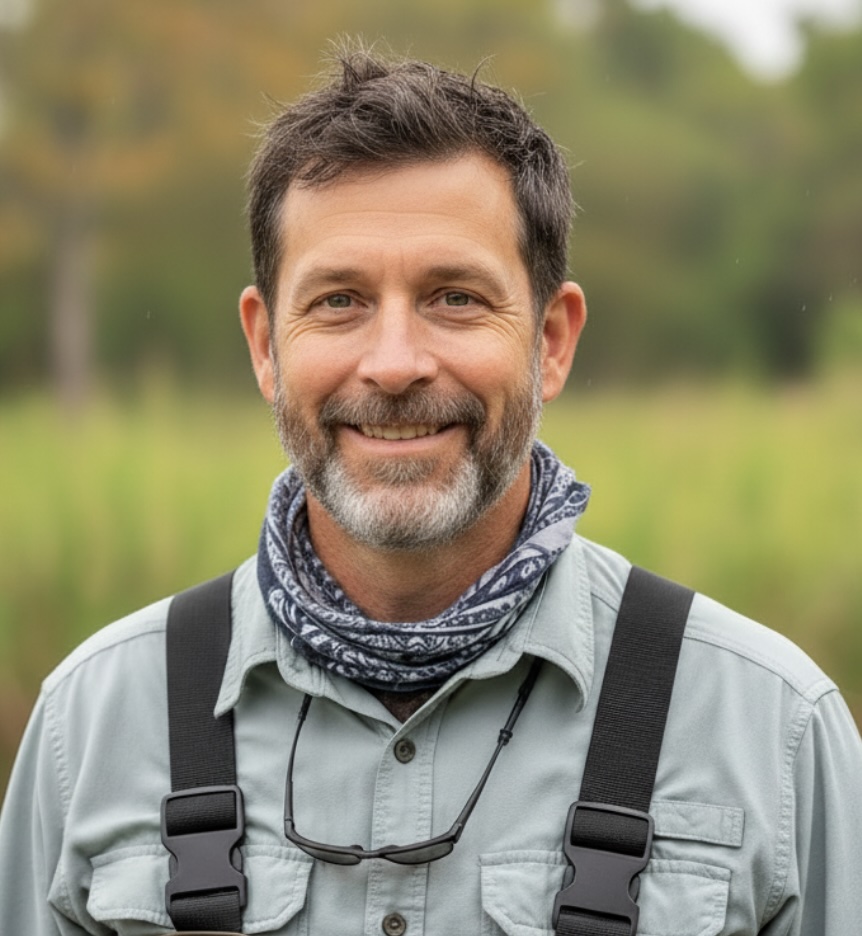
Environmental science internships are available through federal agencies like the EPA and NOAA, non-profit organizations such as the Sierra Club and WWF, and private companies including Tesla and AECOM. These positions—ranging from paid government programs to volunteer conservation work—provide hands-on experience in research, policy, or field work. Most programs accept applications 3-6 months before start dates, with summer positions typically opening in December through February.
Internships are among the most valuable experiences in your environmental science education. Whether you're passionate about marine conservation, renewable energy policy, or ecological restoration, an internship bridges the gap between classroom theory and real-world environmental work. This comprehensive guide explores where to find internships across all environmental specializations, how to choose the right opportunity, and what to expect from the application process.
What Is an Environmental Science Internship?
An internship is an opportunity to work in a professional environmental setting with limited prior experience, gaining hands-on skills in your chosen field. These positions vary widely in structure and commitment. You might work one day per week alongside your coursework, dedicate full-time hours during summer break, or participate in a semester-long field research program.
The internship landscape includes both paid positions and volunteer opportunities. Some organizations run comprehensive training programs for student intern cohorts, while others integrate you directly into experienced teams. Government agencies often offer structured programs with mentorship components, while smaller nonprofits might provide more independent project work. Private companies increasingly offer paid internships with potential pathways to full-time employment.
Understanding these variations helps you identify opportunities that align with your academic schedule, financial needs, and career goals.
Why Environmental Internships Matter
Professional Experience Opens Doors
In environmental fields, who you know often matters as much as what you know. An internship provides your entry point into professional networks that can shape your entire career. You'll work alongside practicing environmental scientists, policy analysts, or conservation managers, learning how they approach challenges and make decisions. Many interns receive job offers upon completion or gain contacts that lead to positions after graduation.
Consider this: a student who completes an internship with the National Park Service already understands NPS protocols, data collection methods, and reporting systems. When that student applies for a permanent position, they're not an unknown quantity—they're a trained team member who can contribute from day one.
Confirm Your Career Direction
Passion for environmental science is essential, but internships help you discover which specific path resonates most. Perhaps you've always imagined yourself conducting marine research from oceangoing vessels, only to find out during an internship that you prefer analyzing ocean policy from an office. Or maybe you realize your environmental engineering coursework needs more chemistry to prepare you for the water-quality work you want to pursue.
These realizations are valuable. Better to adjust your academic focus now than to discover misalignment after graduation. Internships provide low-stakes opportunities to test different roles, work environments, and specializations.
Develop Practical Skills
Environmental science degrees teach theory, methods, and foundational knowledge. Internships teach you how professionals actually apply that knowledge. You'll learn which software packages the industry uses for GIS analysis, how to navigate permitting processes, or how to communicate scientific findings to non-technical audiences. You'll understand workplace dynamics, professional communication, and project management—skills that don't typically appear in syllabi but prove essential in careers.
Build Your Resume
Environmental science is a competitive field. When graduate programs or employers review candidates, practical experience distinguishes applicants. An internship demonstrates initiative, confirms a genuine interest in the field, and provides concrete examples for interviews. You can discuss specific projects, challenges you overcame, and contributions you made—transforming your application from theoretical to proven.
Types of Environmental Science Internships
Environmental internships span three major categories, each offering distinct experiences and career preparation. Understanding these differences helps you target opportunities aligned with your interests and academic program.
| Internship Type | Typical Focus | Common Employers | Compensation |
|---|---|---|---|
| Environmental Science | Research, field work, lab analysis, data collection, species monitoring | NOAA, EPA, USGS, National Parks, university research labs | Often paid or stipend-based, especially federal programs |
| Environmental Policy/Management | Regulation analysis, advocacy, policy research, compliance, program coordination | Council on Environmental Quality, EDF, Sierra Club, EPA policy offices | Mix of paid and unpaid, depending on the organization |
| Environmental Studies | Renewable energy, sustainable systems, transportation, green technology, interdisciplinary projects | Department of Energy, Tesla, NREL, AECOM, green building firms | The private sector typically pays, and nonprofits vary |
Your academic major and career interests should guide which category you pursue, though many students benefit from experiencing multiple types. A policy-focused internship can complement technical research experience, providing a broader perspective on how scientific findings translate into environmental protection.
Where to Find Environmental Science Internships
Environmental internships exist across government agencies, nonprofit organizations, and private companies. Each sector offers unique advantages and requires different application approaches.
Government Agency Internships in Environmental Science

The National Oceanic and Atmospheric Administration (NOAA) studies weather patterns, ocean changes, and earth systems while protecting marine resources. NOAA operates active internship programs across its research facilities and field stations. Find more information about the National Oceanic and Atmospheric Administration internships.

The National Park Service (NPS) preserves natural and cultural resources while maintaining public access to national parks. NPS offers programs that immerse students in fieldwork in environmental science. Learn more about science internship, volunteer, and career opportunities offered in national parks nationwide. Applications typically open in December and close in January for summer internships.

The National Science Foundation (NSF), an independent federal agency, promotes scientific progress while advancing national interests. NSF operates one of the premier internship programs for environmental science majors through Research Experience for Undergraduates (REU), which helps undergraduates gain substantive field and research experience.

Oak Ridge Institute for Science and Education (ORISE), part of the U.S. Department of Energy, grants numerous internships and fellowships in environmental fields, connecting students with DOE research facilities and programs.

The United States Department of Energy (DOE) ensures America's energy future through transformative science and technology. A variety of internships are available with the DOE, most of which are performed during the summer months. Also review Internships, Fellowships, Graduate & Postdoctoral Opportunities, Student Programs, and Stipend-Based Internships.

The United States Environmental Protection Agency (EPA) addresses both human health and natural environment challenges. Explore EPA internships, fellowships, and recent graduate positions at its Washington D.C. headquarters, ten regional offices, and nationwide labs and research centers. Join the Pathways Program to gain paid experience in the federal government as a student or recent graduate.

The United States Geological Survey (USGS) operates sites nationwide dedicated to studying Earth systems, mitigating the impacts of natural disasters, and managing natural resources. Review available USGS resources for finding internships, paid employment, and volunteering in environmental science.
Non-Nonprofit Internships in Environmental Science

The Environmental Defense Fund's mission is to preserve natural systems through sound science and economics. EDF accepts undergraduate, recent graduates, and graduate students for internships in policy, science, and general studies.

American Geophysical Union (AGU), an international non-nonprofitentific community with over 62,000 members, advances understanding of Earth sciences. Check out internships currently offered by AGU.
The Sierra Club, with 3.8 million members and supporters across 64 local chapters, focuses on exploring, enjoying, and preserving the outdoors. The organization helped pass landmark legislation,n including the Clean Water Act, Clean Air Act, and Endangered Species Act.

The World Wildlife Fund works to stop planetary degradation and foster harmony with nature. The WWF Young Adult Volunteer Internship Program provides diverse opportunities in priority conservation programs worldwide, including communications, policy and advocacy, environmental education, project monitoring, and field assignments. Gain hands-on experience, expertise, and knowledge to advance your professional career.
Environmental Policy and Management Internships
If you're interested in how environmental science translates into regulation, legislation, or organizational strategy, policy, and management, policy and management internships offer that bridge. These positions emphasize analysis, advocacy, program coordination, and the regulatory frameworks that protect environmental resources.
Government Agency Internships in Environmental Policy/Management

The Council on Environmental Quality (CEQ) coordinates environmental policy at the White House level, promoting national ecological health, advancing clean energy, and protecting natural systems. The CEQ Internship Program offers both part-time (16-34 hours weekly) and full-time (minimum 35 hours weekly) paid, in-person internships in Washington, D.C.
Many agencies listed under Environmental Science also maintain policy-focused positions. When exploring government internships, review both scientific and policy opportunities in a non-profit agency.
Non-Profit Internships in Environmental Policy/Management
The Environmental Defense Fund preserves natural systems through sound science and economics. They accept undergraduate, recent graduate, and graduate students for internships in policy, science, and general studies.

The Environmental Law and Policy Center protects the Midwest's environment and natural heritage. Headquartered in downtown Chicago, they accept students year-round for science and policy positions, and legal students during the summer.

The National Sustainable Agriculture Coalition (NSAC) works to reform federal policy to support sustainable food systems, natural resources, and rural communities. They've secured funding for dozens of conservation and sustainability programs. Positions are available three times yearly.
The Sierra Club champions outdoor exploration and preservation, having helped pass primary environmental legislation. Environmental Law Program internships are available in Oakland, D.C., and Denver, and are currently accepting applications for upcoming semesters.

The U.S. Green Building Council is a private, nonprofit organization with tens of thousands of member organizations, chapters, and student volunteers that promotes sustainability in building design, construction, and operations. Internships span topics including policy and design. Most positions are in Washington, D.C.

The Washington Center (TWC), an independent non-profit, provides students worldwide opportunities to work in Washington, D.C., fostering academic achievement, leadership, and civic engagement.
- TWC's Academic Internship Program provides comprehensive experiences that combine internships with academic credit, helping you gain the necessary skills and professional networks.
- TWC collaborates with various federal agencies to provide funded diversity internships, enhancing workforce diversity through 15-week fall and spring internships, plus 10-week summer internships.
Environmental Studies Internships
Environmental studies internships often emphasize interdisciplinary approaches, renewable energy, sustainable systems, and the intersection of technology with ecological protection. These positions suit students interested in solving environmental challenges through innovation and systems thinking.
Government Agency Internships in Environmental Studies

The National Renewable Energy Laboratory (NREL), a Department of Energy laboratory, focuses on renewable energy and energy-efficiency technologies. Internship positions are available for undergraduate and graduate students during both the academic year and the summer. Learn more about NREL internships.

Transportation is an often-overlooked field with a real need for ecologically educated workers. The United States Department of Transportation (DOT) offers internships across 13 different administrations. Learn more about various internships provided by the DOT.
Agencies listed under Environmental Science frequently offer Environmental Studies internships as well, so review those opportunities when searching.
Private Company Internships in Environmental Studies

Advanced Energy Industries (AEI) leads in green technology, including solar cells. AEI offers internship programs year-round at its Colorado headquarters and worldwide sites.

Eos Energy Storage produces cost-effective energy storage solutions that are more affordable than competing technologies. They offer internships in business development, though opportunities vary. Interest and understanding of clean technology are essential.

Tesla Motors leads in alternative vehicle technology. Founded in 2003, Tesla electric vehicles now have a global reach. Tesla employed approximately 140,473 workers as of the end of 2022. Tesla offers internships of 3, 6, 8, and 12 months for college students.

SIG, a global trading firm where workers use their own capital to trade financial products, offers a Trading Internship Program that provides college seniors with a summer experience as traders. Energy is among the commodities traded, making knowledge of environmental energy valuable. Learn more about SIG full-time trading positions and internships.

AECOM is a global infrastructure consulting firm providing professional services across project lifecycles, including advisory, planning, design, engineering, and program management. Projects encompass transportation, buildings, water, energy, and environment for public and private clients. If you're passionate about environmental engineering, an AECOM internship could align well with your goals. Learn more about the AECOM internship program.
Non-Profit Internships in Environmental Studies
The Environmental Defense Fund preserves natural systems through sound science and economics. They accept undergraduate, recent graduate, and graduate students for internships across policy, science, and general studies.

The American Council on Renewable Energy (ACORE), a non-profit of diverse businesses and groups, contributes to a secure, prosperous America by promoting clean, renewable energy. ACORE provides an educational platform for technology, finance, policy, and market development interests. They welcome current students and recent graduates interested in renewable energy careers for internships.

The Student Conservation Association (SCA), a non-profit dedicated to building the next generation of conservation leaders, provides hands-on experience. The SCA offers internship opportunities with agencies, organizations, and sustainable businesses.
How to Choose the Right Internship
With hundreds of environmental internships available, selecting the right opportunity requires strategic thinking about your goals, constraints, and interests.
Consider these guiding questions as you evaluate options:
What's your primary goal? Are you testing a career path, building specific technical skills, networking for future employment, or fulfilling degree requirements? Different internships serve different purposes. A structured federal program might offer comprehensive, while a smaller nonprofit might provide greater independence.
What can you afford? Paid internships allow you to gain experience without additional financial strain. Unpaid positions may require you to secure housing, transportation, and living expenses on your own. Some programs offer stipends or housing support. Calculate the actual cost before committing.
Where do you want to be? Geographic location matters. An internship in your preferred region helps you build local professional networks. Remote internships, increasingly common, offer flexibility but provide different networking dynamics than in-person positions.
What environment suits you? Some students thrive in highly structured programs with clear daily expectations. Others prefer more autonomous work where they define projects and approaches. Consider whether you want to work primarily outdoors conducting fieldwork, in laboratories running analyses, or in offices developing policy.
What's the time commitment? Academic-year internships typically require 10-20 hours weekly. Summer programs may expect 40+ hours per week. Longer commitments (semester or year-long) provide deeper immersion but require more planning around coursework.
Visit your department's office, check bulletin boards, and review email lists for local opportunities. Reach out directly to organizations you admire—many smaller groups accept interns but don't formally advertise. Your school's career guidance office can help identify programs aligned with your major.
Application Tips and Timeline
Successful internship applications require planning. Most competitive programs fill positions 3-6 months before start dates.
| Internship Period | Application Opens | Typical Deadline | Key Preparation Steps |
|---|---|---|---|
| Summer (June-August) | October-December | January-February | Update resume for the fall semester, secure references by December, and research programs early |
| Fall Semester | March-May | June-July | Apply during the spring semester, confirm housing and courses early |
| Spring Semester | September-October | November | Plan early fall, coordinate with the spring course schedule |
Strengthen Your Application: Tailor your resume and cover letter to each program. Highlight relevant coursework, laboratory experience, field skills, and any previous environmental involvement. Demonstrate genuine interest in the organization's specific mission—generic applications rarely succeed.
Prepare for Interviews: Research the organization thoroughly. Prepare questions about projects, mentorship, and typical intern responsibilities. Be ready to discuss why you chose environmental science, what you hope to learn, and how this internship fits your career direction.
Secure Strong References: Ask professors or previous supervisors who know your work well. Provide them with your resume, a description of the internship, and an explanation of why you're interested. Give them at least two weeks' notice before recommendation deadlines.
Making the Most of Your Internship
Once you've secured an internship, approach it professionally to maximize learning and networking opportunities.
Represent Your Institution: Whether you're the first intern from your school or the thirtieth, your conduct affects opportunities for future students. Your behavior could strengthen or damage your institution's relationship with this employer. Approach your work with professionalism and genuine effort.
Communicate Proactively: If you encounter unclear expectations, need additional training, or feel uncomfortable with any request, speak up. Talk to your direct supervisor first. If that feels difficult, contact your school's internship coordinator or program advisor. Don't endanger yourself or compromise ethics out of uncertainty.
Protect Yourself: If something seems unethical or you feel unable to perform work safely without proper training or equipment, let someone know immediately. Organizations may not intend harm—they might lack experience with student interns. Your safety and ethical standards are non-negotiable.
Build Relationships: Connect with colleagues beyond your immediate supervisor. Ask questions, express genuine interest in others' work, and seek mentorship. The professional network you build may prove as valuable as the technical skills you gain.
Document Your Work: Keep records of projects completed, skills developed, and accomplishments achieved. These details strengthen your resume and provide concrete interview examples for future opportunities.
Alternatives to Traditional Internships
If traditional internship positions aren't accessible due to timing, location, or financial constraints, consider these alternatives that provide similar benefits.
Work-Study Positions: Many schools offer work-study programs that allow students to work while attending classes. These positions often exist within your department or with graduate advisors, providing exposure to research while earning income. Work-study opportunities may be need-based, so verify eligibility with your financial aid office.
Volunteer Programs: Established volunteer programs through organizations like the Student Conservation Association provide structured experiences similar to internships. While unpaid, they often include training, mentorship, and precise project objectives.
Part-Time Environmental Employment: Working for environmental consultants, testing laboratories, or conservation organizations—even in entry-level roles—builds relevant experience while providing income. These positions may offer more flexibility than formal internship programs.
Create Your Own Internship: Identify an organization where you'd eventually like to work and propose an internship arrangement. Approach them directly or ask your department office to facilitate the connection. If your program requires internships for graduation, departments often help establish new partnerships with organizations.
Additional Resources and Programs
Beyond the major programs listed above, several specialized opportunities serve specific student populations or provide unique pathways into environmental careers.
Diversity-Focused Programs:
- Hispanic Association of Colleges and Universities (HACU) National Internship Program
- National Association for Equal Opportunity in Higher Education (NAFEO)
- National Congress of American Indians (NCAI) Internship
- Washington Internships for Native Students (WINS)
- Workforce Recruitment Program for College Students with Disabilities (WRP)
Global and Specialized Platforms:
- World Endeavors places students in environmental field positions worldwide
- Environmental Career Opportunities list positions globally in environmental science and policy
- Bureau of Labor Statistics' Occupational Outlook Handbook provides field outlook and role details
- Wikipedia's international list of environmental research institutes offers a global perspective on institutions offering environmental science degrees and often internship programs.
Frequently Asked Questions
Do I need an internship to graduate with an environmental science degree?
Requirements vary by institution and program. Some schools mandate internships or field experience as part of environmental science curricula, while others strongly encourage but don't require them. Check your degree requirements and consult your academic advisor. Even if not needed, internships provide significant career advantages through practical experience, professional networks, and resume differentiation.
Are environmental science internships typically paid or unpaid?
Compensation varies by sector and organization. Federal government internships through agencies like EPA, NOAA, and NSF often provide stipends or hourly wages. Private companies, especially in renewable energy and environmental consulting, offer paid positions. Non-profit organizations present a mix—larger established groups may pay interns, while smaller conservation organizations often offer unpaid volunteer positions, sometimes with housing or meal support. Always clarify compensation during the application process.
When should I start applying for summer environmental internships?
Begin researching and applying in October through December for the following summer. Most competitive programs have January or February deadlines, with some closing as early as December. Starting your search early allows time to strengthen your application, secure strong references, and apply to multiple programs. Fall semester applications also give you time to arrange housing and plan your academic schedule around the internship.
Can I do an environmental internship if my major is different from environmental science?
Absolutely. Many environmental internships welcome students from related fields, including biology, chemistry, geology, geography, political science, engineering, and public policy. Environmental challenges require interdisciplinary approaches, so diverse academic backgrounds strengthen teams. Highlight how your specific major's skills apply to environmental work—for example, communications majors supporting environmental education, or business students assisting sustainability program development.
What if I can't find an internship through established programs?
Several alternatives exist. Contact organizations you admire directly to propose an internship arrangement—many smaller groups accept interns but don't formally advertise. Explore work-study positions within your department. Consider volunteer programs with structured experiences. Check with your department office, which may help establish new partnerships with local environmental organizations. Creating your own opportunity often demonstrates initiative that employers value.
Key Takeaways
- Diverse Opportunities Exist: Environmental internships span federal agencies, non-profits, and private companies across research, policy, and applied environmental work, with positions available for most interests and career goals.
- Early Planning Matters: Competitive summer internships require applications 3-6 months in advance, typically with October-February deadlines, so begin researching programs early in your academic year.
- Experience Builds Careers: Internships provide practical skills, professional networks, and career clarity that distinguish you in graduate school applications and job searches, often leading directly to employment opportunities.
- Options Accommodate Constraints: Whether seeking paid federal positions, volunteer conservation work, academic-year part-time roles, or remote opportunities, internship structures exist to fit different financial situations and schedules.
- Professional Conduct Opens Doors: Your internship performance affects not only your own career prospects but also future students' opportunities at your institution, making professionalism and genuine effort essential throughout the experience.


Ready to explore environmental science degree programs? Discover accredited programs that prepare you for internships and careers in conservation, research, policy, and sustainable development.