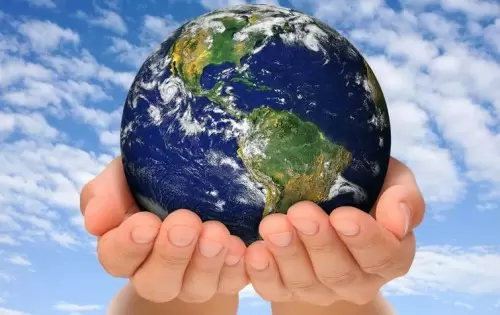


Environmental science spans five major areas: agricultural and forestry systems, environmental policy and planning, core environmental science disciplines, public health intersections, and sustainability careers. This page organizes our in-depth guides into these categories to help you explore specific topics, whether you're researching career paths, academic interests, or policy issues.
Let's be honest: "environmental science" is a massive field. It touches everything from forest management to public health policy, from microscopic organisms to global climate systems. We've organized our guides into five major categories to help you navigate this breadth without getting lost.
Whether you're exploring career options, researching for a class, or just curious about how environmental science affects your daily life, you'll find in-depth, accessible guides in each section below.


Overview of Environmental Science Categories
The table below summarizes each category to help you quickly identify where to start based on your interests:
| Category | Primary Focus | Best For | Key Topics |
|---|---|---|---|
| Agricultural & Forestry | Food systems and land management | Students, farmers, land managers | GIS applications, biotechnology, and agricultural history |
| Environmental Policy & Planning | Regulations and decision-making | Policy advocates, planners, and law students | NEPA, environmental law, international experience |
| Environmental Science | Core scientific disciplines | Researchers, students, curious learners | Climate science, energy systems, species management |
| Public Health | Environmental health impacts | Health professionals, community advocates | Air quality, epidemiology, and fishing practices |
| Sustainability & Green Jobs | Careers and solutions | Career changers, sustainability professionals | Environmental engineering, GIS careers, resource management |
Use the jump links below to navigate directly to your area of interest:
- Agricultural & Forestry
- Environmental Policy & Planning
- Environmental Science
- Public Health
- Sustainability and Green Jobs
Agricultural & Forestry
Agricultural and forestry systems sit at the intersection of food production, land stewardship, and environmental conservation. These guides explore how technology, such as GIS, transforms farming practices, how biotechnology shapes crop development, and how historical agricultural methods inform modern sustainability. If you're interested in how we feed populations while protecting ecosystems, start here.
- Agricultural Science and GIS — How mapping technology improves crop management and yield
- Future of Agriculture: Facts About GM Crops and Biotech — Science behind genetically modified organisms and agricultural innovation
- History of Agriculture — Evolution of farming from ancient practices to modern systems
Environmental Policy & Planning
Environmental policy and planning guides address how regulations shape environmental protection, how international collaboration tackles global challenges, and how cultural resources fit into environmental review processes. These resources serve policy students, advocates working on environmental legislation, and professionals navigating compliance requirements. Understanding policy frameworks helps you influence change at local, national, and global levels.
- Cultural Resources 101: Part of the Federal Environmental Process — How cultural heritage fits into environmental impact assessments
- Gaining International Experience in Environmental Science — Career paths and opportunities for global environmental work
- Environmental Law: Government and Public Policy Towards the Environment — Legal frameworks protecting natural resources and public health
- Environmental Management and Its History — Evolution of environmental protection strategies and practices
- NEPA 101: Introduction to United States Environmental Policy — Establishes procedures for environmental review, but does not mandate specific environmental outcomes
Environmental Science
Core environmental science disciplines explore how natural systems work and interact. From radiocarbon dating to invasive species management, these guides break down complex scientific concepts into accessible explanations. Perfect for students, researchers, or anyone curious about the science behind environmental issues—no advanced degree required. We explain the "why" and "how" behind everything from energy production to microscopic life.
- Cold Hard Facts about Nuclear Power — Safety, waste management, and energy production realities
- The Environmental Impact of Roads — How transportation infrastructure affects ecosystems and wildlife
- Geospatial Technology: An Introduction and Overview — Mapping and spatial analysis tools transforming environmental research
- History of the Study of Climate Change in the Field of Environmental Science — Scientific discoveries that shaped our understanding of climate
- How Does Radiocarbon-14 Dating Work? — Science behind dating organic materials and archaeological finds
- How Sustainability Uses GIS — Geographic information systems for environmental conservation planning
- Hydroelectric Power 101 — Water-based energy generation, benefits, and environmental tradeoffs
- Invasive Species: How They Affect the Environment — Non-native species impact on ecosystems and management strategies
- Microbiology: Tiniest Lifeforms Under the Microscope — Microscopic organisms and their environmental roles
- Natural Gas 101: Pros & Cons — Energy source analysis including extraction and environmental impact
- With Palynology, We Can See the Tiniest Details — Pollen and spore study revealing environmental history.
- Phytoliths: What They Are and What They Tell Us — Plant microfossils as environmental and archaeological evidence
- Solar Power 101: Advantages & Disadvantages — Photovoltaic technology, costs, and sustainability considerations
- Zoology: Exploring the Animal Kingdom as an Academic Pursuit — Animal biology and behavior in environmental contexts
Public Health
Public health and environmental science intersect wherever human wellbeing depends on environmental quality. These guides examine air pollution's health effects, disease patterns linked to environmental factors, and how fishing practices impact both ecosystems and food safety. Health professionals, community advocates, and students exploring environmental health careers will find practical insights on protecting populations from environmental hazards.
- Ambient Air Quality and Environmental Health — Outdoor air pollution effects on respiratory and cardiovascular health
- Epidemiology 101 — Population-level disease pattern investigation and methods in environmental health research
- Environmental Consequences of Fishing Practices — Fishing methods' impact on marine ecosystems and sustainability
- Fracking: What Is It and How Will It Affect You? — Hydraulic fracturing process, potential water contamination risks, and associated health debates depending on regulation and geography
- Guide to Parasitology — Parasites in environmental and public health contexts
- Indoor Air Quality and Environmental Health — Building environment effects on occupant health and wellbeing.
Sustainability and Green Jobs
Sustainability and green jobs represent where environmental science meets career opportunity. These guides cover environmental engineering applications, GIS technology in conservation work, and emerging fields addressing climate challenges. If you're considering a career change into environmental science careers or want to understand how your current role can incorporate sustainability principles, these resources provide practical pathways forward.
- Drought Issues Facing the United States — Water scarcity challenges and management strategies by region
- Environmental Engineering and GIS — Spatial technology applications in environmental infrastructure projects
- Environmental Microbiology & GIS — Mapping microbial patterns for public health and ecosystem monitoring
- Guide to Mathematics — Mathematical foundations for environmental modeling and analysis
- Is It Safe? Raising Environmental Questions — Critical thinking about environmental health claims and risk assessment
- Why Environmental Engineering Is Vital for Our Future — Career overview and role in solving environmental challenges
Frequently Asked Questions
What areas of environmental science are most in-demand for careers?
Sustainability and green jobs, environmental policy, and public health all show strong career growth. Environmental engineering and GIS specialists are particularly sought-after as organizations prioritize climate adaptation and data-driven decision-making. We're also seeing increased demand for professionals who can bridge technical expertise with communication skills to translate complex environmental issues for policymakers and the public.
How are these categories different from environmental science degrees?
These categories organize our content by topic area, not academic programs. A single environmental science degree might cover topics from multiple categories—for example, studying both climate science and environmental policy. Use these groupings to explore specific interests within the broader field, regardless of your degree program. Many professionals work across multiple categories throughout their careers.
Which category should I explore first?
Start with whatever sparked your interest in environmental science. Career-focused? Check Sustainability and Green Jobs. Policy-oriented? Explore Environmental Policy & Planning. Curious about the science itself? Dive into the Environmental Science or Public Health sections. There's no wrong starting point—environmental issues are interconnected, so you'll naturally encounter related topics as you explore.
Do I need a science background to understand these guides?
No. We write for curious readers, not just scientists. Each guide explains concepts clearly, defines technical terms, and connects ideas to real-world applications. If you can follow a news article about climate change or understand a weather forecast, you can appreciate our guides. We avoid unnecessary jargon and focus on practical knowledge you can actually use.
Are these guides updated regularly?
Yes. We review and update content as new research, policies, and technologies emerge. Environmental science evolves constantly—new energy technologies, updated regulations, emerging health research—and we work to keep our guides up to date. Each guide includes publication and update dates, so you know you're working with the latest information.
Key Takeaways
- Five major categories: Environmental science divides into agricultural and forestry, policy and planning, core science disciplines, public health, and sustainability careers—each serving different goals and audiences.
- Interconnected topics: These categories overlap significantly. GIS appears across multiple areas, climate science touches all five, and public health connects to nearly every environmental issue.
- Career and academic focus: Whether you're exploring career paths, conducting educational research, or advocating for policy change, you'll find relevant guides in multiple categories.
- Accessible explanations: All guides translate complex science into clear, practical information. No advanced degree required—just curiosity and willingness to learn.
- Exploration over expertise: You don't need to master every area. Focus on topics that align with your interests and goals, and follow connections to related subjects as they arise.
Looking for more information to help put you on the right path?
We often add new guides and expand our coverage of environmental science topics to help prospective students make informed decisions about their degree options.