

Environmental law encompasses regulations, statutes, and treaties designed to protect the environment from damage at local, national, and international levels. It covers pollution control, resource sustainability, wildlife protection, and impact assessment. For environmental science students, understanding environmental law is essential as it shapes career opportunities in policy, compliance, research, and advocacy across public and private sectors.
Humanity has been aware of its environment far longer than laws existed to protect it. Environmental law—also called environmental and natural resources law—encompasses the regulations, statutes, and treaties designed to safeguard ecosystems and hold polluters accountable.
Environmental law has always been a flashpoint of controversy. Debates center on cost, the necessity of regulations, and the tension between government oversight and market self-regulation. For example, ongoing debates over pesticide impacts in agriculture and greenhouse gas emissions often pit scientific evidence against industry lobbying efforts to roll back legislation. The opposing view argues that current regulations remain insufficient. Both sides regularly hold conferences to advocate for changes in their favor.
Whichever perspective you examine, environmental law affects all of us—individual health, business activity, geographical sustainability, and the responsibility to preserve these for future generations.
Jump to Section
- Environmental Law Glossary
- What Does Environmental Law Cover?
- Why is Environmental Law Important?
- How Environmental Law Shapes Careers
- Key US Environmental Laws
- International Environmental Laws
- Frequently Asked Questions
- Key Takeaways
Environmental Law Glossary - Key Terms You Need to Know
A-C
Abatement: The process of reducing the quantity, intensity, or saturation of a pollutant or other harmful substance through treatment.
Acidification: Reducing the pH rating of a substance, making it more acidic. For example, increased carbon emissions lead to the oceans absorbing more CO2, which increases acidification and damages ecosystems, such as coral reefs through coral bleaching.
Active ingredient: The component in a chemical compound that produces the intended effect. In pesticides, it's the substance that kills or repels pests.
Air emissions: Any gas released into the atmosphere from industrial or commercial activity. Typically refers to greenhouse gases, though some emissions are not GHGs.
Biodegradable: Describes substances that microorganisms (bacteria, algae) can break down naturally.
Biodiversity: The range of species in an ecology, examining population numbers of each species, total number of species, predator-prey balance, and food chain dynamics.
Biomass: The total sum of vegetation in a given ecological area.
Brownfields site: An EPA-defined term in US environmental policy referring to land previously developed but now underused or disused. These sites may require investigation and treatment for contamination before construction or to protect the local environment.
Chlorofluorocarbons (CFCs): A group of inert chemicals used in industrial processes and appliances like refrigerators. CFCs are not broken down at lower atmospheric levels and rise into the stratosphere, where UV radiation breaks them down, releasing chlorine atoms that destroy ozone molecules.
Climate change: The process by which climate changes due to "forcings"—natural events or, as currently observed, industrial-age activities increasing greenhouse gases and reducing carbon sinks.
Commercial Waste: Any waste material produced as a byproduct of commercial or industrial activity.
Conservation: The preservation or restoration of a natural environment for social, ecological, or economic benefit. For example, river conservation programs increase biodiversity while improving health for surrounding communities.
D-F
Decontamination: The removal of toxic or harmful substances from an environment that poses risks to wildlife, people, biodiversity, or overall ecology.
Drainage: The process of removing excess moisture from land, typically wetlands or saturated agricultural areas.
Dredging: The removal of silt, mud, or other solid material from a water body's bed. Excess material can cause flooding.
Emission: Any pollutant discharged into the atmosphere that contributes to chemical change because it won't be broken down or removed.
Endangered species: Any species whose population numbers and genetic diversity are so low that extinction is likely without intervention.

Erosion: The process of land wearing away over time through natural forces.
Energy Efficiency: The amount of energy harnessed from combustion. Machinery, vehicles, and homes are energy efficient when they extract more energy from smaller fuel volumes.
Filtration: Removing solid waste and material from water during wastewater treatment processes.
Fossil fuel: Any mineralized, formerly organic material extracted from the ground for energy production: coal, natural gas, oil.
G-I
Greenfields site: Land used only for agriculture or forestry that has never been developed for residential, commercial, or industrial purposes—the opposite of brownfield sites.
Greenhouse gas: Gases that absorb infrared radiation and increase atmospheric density, contributing to the greenhouse effect: water vapor, carbon dioxide, methane, nitrous oxide, ozone, CFCs, and hydrofluorocarbons.
Half-life: The time required for any pollutant (usually radioactive material, but also toxic substances) to reduce its environmental impact by half.
Hazardous material/substance: Any organic or inorganic material that can damage human health or the environment through corrosive, toxic, explosive, flammable, or chemically reactive properties. Spills in US waters must be reported to the EPA.
Hazardous Waste: Waste material produced from commercial or industrial activity with dangerous attributes similar to hazardous materials. As waste, it serves no purpose.
Indigenous species: Flora or fauna recognized as native to a specific area. Often subject to environmental protections, especially when endangered.
Indoor air (pollution): Air contained within buildings, regulated by OSHA rather than EPA. Indoor air pollution includes any chemical or substance that contributes to imbalances that affect building inhabitants' health. Laws ensure employees work in clean, well-ventilated environments.
Invasive species: Flora or fauna not native to an area that has colonized it, usually presenting problems for native wildlife. Invasive species are sometimes subject to active control and deliberate removal programs.
L-N
Landfill: An area designated for waste disposal—usually non-toxic commercial or residential waste, though sites containing hazardous materials may require treatment to prevent pollution.
Margin of Safety: The highest exposure level considered safe for human health or the environment, often incorporating safety factors to account for uncertainty and vulnerable populations.
Material Safety Data Sheet: An international standard form containing information about a substance's toxicity, hazards, potential environmental damage, proper protective equipment, and first aid procedures following exposure.
National Ambient Air Quality Standards (NAAQS): EPA standards applying to outdoor air quality in the US.
National Emissions Standards for Hazardous Air Pollutants (NESHAP): EPA standards on air pollutant emissions of chemicals that could cause serious permanent harm to wildlife, people, or kill organic matter.
National Pollutant Discharge Elimination System (NPDES): Established by the EPA under the Clean Water Act to determine clean water standards. It prohibits discharging polluting chemicals into US waters without a special permit.
National Priorities List (NPL): The EPA's registry of abandoned US sites containing hazardous waste requiring long-term remedial action. Sites are ranked by hazard level, and federal funds support remediation.
National Response Team (NRT): A team from 13 federal agencies coordinating federal responses to natural disasters, oil spills, significant pollution emissions, chemical releases, and similar incidents.
National Strike Force (NSF): A US Coast Guard responsibility comprising three regional teams (Atlantic, Pacific, and Gulf Coast areas) that support federal On-Scene Coordinators responding to environmental emergencies.
O-R
Ozone layer: A protective gas layer in the upper atmosphere that absorbs the sun's most harmful radiation. Its depletion was a major environmental concern in the 1980s.
Pollutant: A substance introduced into an environment with negative or harmful effects on ecology or specific biological species, or one that reduces resource efficiency or safety.
Radiation: Energy transmission through space. Can be ionizing (powerful enough to break chemical bonds, like x-rays) or non-ionizing (not powerful enough, like radio frequencies).
Remediation: The process of removing toxic materials from an environment and attempting to restore it to a previous state. Can involve asbestos, lead, other heavy metals, and radioactive isotopes.
Risk Assessment: An official investigation, usually legally required, examining risk exposure and potential consequences under various scenarios.
S-W
Sanctions: The application of measures against polluters or entities that violate environmental law. Often includes bans on government contracts.
Sewage: Solid and liquid waste removed from residential properties, including human waste and anything using water for disposal. Also called "wastewater."
Smog: A human-made air pollution phenomenon resulting from industrial emissions reacting with sunlight. The term combines "smoke" and "fog."
Toxic: A substance labeled toxic if it is poisonous or otherwise harmful to biological organisms or ecologies.
Vulnerable Zone: During a chemical leak, the area where airborne pollutants or chemicals might pose a problem is identified using meteorological data.
Water budget: The difference between water stock and water used. Increasingly important in drought-affected areas for monitoring and managing water supplies to prevent usage exceeding availability.
Water table: The typical level of groundwater beneath solid ground. It rises during wet periods and lowers during dry spells.
Wetlands: Land with a high water table or typically flooded areas. Can be tidal or non-tidal, including marshes and floodplains. Wetlands like Everglades National Park are havens for wildlife and are protected to preserve their unique characteristics.
What Does Environmental Law Cover?
Environmental law encompasses many specialized areas. All share a common purpose: protecting the environment and environmental health.
Pollution
Pollution control represents the most visible way the public engages with environmental law. Some of the world's earliest environmental laws concern protecting the environment from pollution while improving public health.
Air Pollution and Quality: Enforcement of air standards through monitoring helps determine safe levels of emissions from industrial processes, motor vehicles, and everyday activities. Laws govern both outdoor and indoor environments to protect human and ecological health. Some place limits on emissions (such as annual vehicle emissions tests), while others mandate elimination. The 1980s global legislation limiting CFC emissions, which damaged the ozone layer, exemplifies elimination. Requirements may specify mitigation technologies, such as catalytic converters, for vehicles that use older leaded fuel.
Contaminant Cleanup, Prevention and Mitigation: Toxic spills and leaks occur despite best intentions. Whether avoidable or unavoidable, laws determine what responsible parties and cleanup teams must do to limit, control, and remove contamination to avoid long-term or large-scale damage. Regulations cover liability, response procedures, investigation processes, monitoring throughout cleanup, and long-term effect risk assessment.
Safe Use of Chemicals: Chemical safety laws govern workplaces where chemicals are used—from industrial manufacturing to agriculture, testing laboratories, professional cleaning, and repair garages. This includes proper storage, application safety equipment, container types, and purchasing/selling licenses. These laws manage risk by limiting access and ensuring safety. Environmental law has also banned chemicals when the risks outweigh the benefits. For example, some US states have banned Bisphenol A (BPA) in specific applications, such as baby bottles and food containers, due to health concerns.
Waste Management: Waste is unavoidable from homes, industry, and commerce. Waste management governs transport, storage, disposal procedures, and treatment where necessary—from recyclable household packaging to nuclear waste from energy production. Some waste harms the environment or human health, while other waste takes too long to break down. Waste management reduces the amount of material sent to landfills while protecting health.
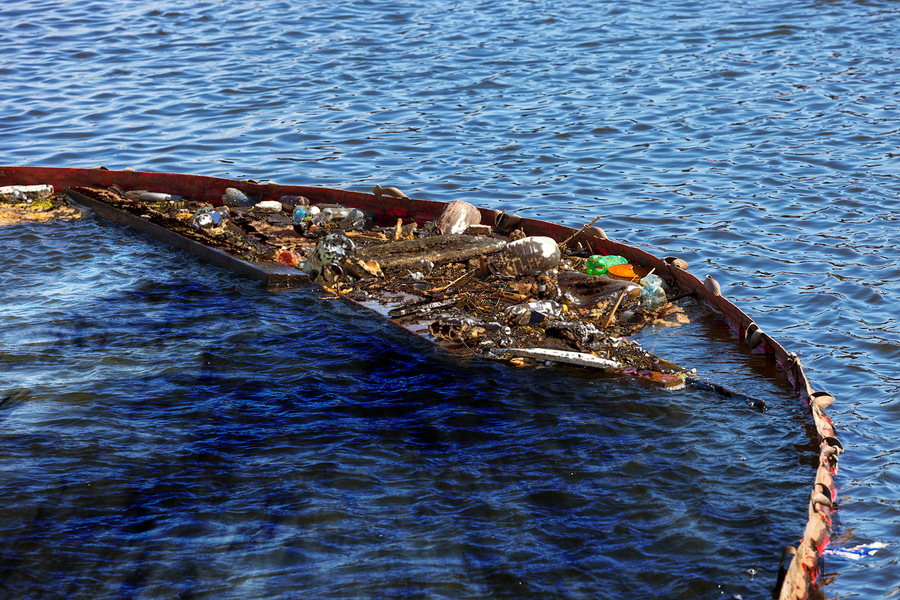
Water Quality: Water covers approximately two-thirds of the planet's surface. State, federal, and international laws govern how we may use water sources. Pollutants don't just harm drinking water or localized areas—they can enter water systems and oceans, causing widespread damage. Water quality laws concern the release of pollutants into any water body, including surface water, drinking water supplies, groundwater, rivers, seas, and oceans. Some focus solely on human health while others address wider ecological issues. Some lists prohibited pollutants, while others required that substances be chemically altered and rendered inert before disposal. Examples include raw sewage, agricultural waste, and water runoff from industrial or construction sites.
Sustainability of Resources
Beyond prevention, treatment, and mitigation, laws increasingly address sustainability—the ability to sustain resources at certain levels — based on three scientific principles: increased reliance on renewable energy, biodiversity, and chemical cycling. This typically involves interventions that limit use or enforce replacement standards.
Learn more about MNR programs.
Forestry and landscape sustainability: Forestry and landscape protection are among the world's oldest environmental laws. In the late 19th century, the US and other nations established National Parks—protected natural spaces that promote ecological conservation. While terms and policies differ by country, the general philosophy protects areas from activities, particularly construction and development. Laws can address land-clearance procedures and controlled-burning policies. Governments enforce laws, set punishments, and mitigate problems. Often, workers in these areas are government employees, though this varies by jurisdiction.
Impact assessment and monitoring: Environmental impact assessments examine potential consequences of actions under specific scenarios. This includes broader ecological effects of construction, development, or increased industrial output, as well as potential positives such as land recovery from environmental problems and the long-term ecological benefits of reforesting with specific tree canopy types. Impact assessment examines issues critically, with a focus on facts and potential consequences. Governments typically require formalized reports before granting planning permission.
Mineral resource sustainability: Minerals—precious metals and fossil fuels like oil and coal—are finite resources requiring licensing and protection for proper management. Since these exist on government land, businesses must seek licenses to operate. Mining is messy and potentially dangerous. Sustainability doesn't apply to the resource itself (since it's finite) but to ensuring good environmental standards in extraction and processing, as well as health and safety standards for those extracting it.
Water resource sustainability: Water is renewable, but can lead to shortages when handled poorly. Water resource sustainability refers to the efficient use of water with minimal waste, especially in drought-prone areas. Since water and runoff don't respect political boundaries, international conservation and use laws are common, especially where there's shared use, responsibility, or competing claims. Laws apply to surface water (rivers, lakes, oceans), floodwater, ice meltwater, groundwater, and water tables.
Wildlife and fishery sustainability: Laws protecting wildlife control and limit human activity impacts on animal species and, by extension, prevent natural food chain imbalances. Laws also protect botanical species, particularly those vital to local ecosystems or that are endangered, threatened, or scientifically important. This includes conservation status designations, catch/hunt quotas (such as international fishing rights), complete bans, or international trade bans on certain items. Ivory exemplifies this approach.
Learn more about sustainability degrees.
General Principles and Philosophies
These aren't "laws" per se, but general trends in environmental policy for business, industry regulator guidance, customer-driven changes, or non-binding governmental agreements and good practices for the common good. They address many aspects not covered in previous sections.
Accountability and Transparency: Growing expectations demand transparency from those responsible for mitigating and treating environmental damage, from government and industry toward affected populations. UNEP (United Nations Environment Programme) emphasizes the need to protect human rights in its opinions and in seeking/imparting ideas. Rights include timely, appropriate access to government-held information concerning the public, including environmental protection, without prohibitive costs. There should also be effective judicial proceedings against polluters and responsible parties.
Cross-border responsibility: This international legal obligation, established by UNEP, requires governments to protect environments within their borders and prevent a nation's activities from harming neighboring nations. It's seen as a potential limitation on the sovereign rights of states and is therefore treated as a human rights issue.
Equity and Equality: According to UNEP, this isn't about equality in gender, sexuality, or race, but about the right of succeeding generations to enjoy equal or better benefits than preceding generations. Major issues include climate change and resource depletion affecting the coming generations as previous generations contribute to depletion and environmental damage. This determines previous generations' responsibility to the future, concerning not just resource control but also pollution mitigation.
Polluter Pays: This foundational principle in many modern environmental laws (such as CERCLA/Superfund in the US) holds that the party responsible for the damage should fund cleanup rather than expecting the public or taxpayers to do so. Environmental remediation is necessary for environmental protection, and this principle creates such roles within organizations.
Precautionary Principle: Often hotly debated, this international standard, as articulated in the Rio Declaration, holds that protecting the environment requires a precautionary approach in line with available capabilities. When threats of damage exist, governments must not use scientific uncertainty (real or imagined) to abdicate responsibility or procrastinate.
Prevention: "Prevention is better than cure" applies strongly to ecology and environmental protection. This looks at preventing incidents, accidents, and worst-case scenarios through risk assessment and preventive measures. Prevention costs (financial or otherwise) always beat long-term harm and massive cleanup expenses.
Sustainable Development: Defined as "development that meets present needs without compromising future generations' ability to meet their own needs," tied to generational equity and equality. Interdependence, integration, and legal environmental impact requirements are key pillars. Introduced in 1972, it gained prominence recently. In 1983, the UN declared that development rights should apply equally to present and future generations.
Why is Environmental Law Important?
Laws serve many purposes—public good, health, protection, and avoiding various forms of harm. Environmental laws are enacted domestically and internationally for many reasons, with public health and resource protection among the most common.
For Health of Current Generations
Healthcare costs affect everyone worldwide. Some of the world's earliest environmental protections were designed with human health in mind. The Clean Air Act exemplifies this, following the publication of Rachel Carson's book Silent Spring. Though focused on ecology, portions addressed human health, and the damage industrial activity caused to our lives over 100-150 years. Even today, people in heavily industrialized areas suffer more health issues and longer-term problems. Cleaning up the air, water, and other environmental factors is vital to improving people's health.
For Health of Future Generations
Our children and their descendants will face rising healthcare costs, sometimes due to environmental factors, leading to more cases of certain conditions. Worldwide, even in countries with socialized healthcare, the incidence of health problems and healthcare costs continues to rise. Some environmental health laws aim to preserve future generations against further costs, mitigate current problems, and ensure healthier populations and environments. We're also seeing new emerging diseases in areas that have never experienced them before, and more cases of existing diseases in areas where they are prevalent. Some reasons are believed to be ecological—warming air and damper environments encouraging virus replication or species carrying them, like mosquitoes.
Maintaining Resources and Lifestyle
Environmental laws are insurance policies for the future regarding food and water security, resource protection, energy, and ecological balance. Fossil fuels are depleting, and though many metals are finite, they could potentially last centuries. Certain resources will eventually be gone, so it is important to use as few as possible and to take out insurance policies. Fishing rights exemplify this. Overfishing in many regions of the world harms food supplies and industries while potentially disrupting the ocean's ecological balance. That's why many countries agreed to fish quotas.
For Ecology
The importance of protecting the ecosystem cannot be overstated. The food chain, water cycle, and resource security all depend on environmental protection. Any balance upset—resource depletion or removal, introduction of invasive species, damage to tree cover, uncontrolled emissions—can cause long-term, widespread environmental problems. We're already seeing ice cap depletion and rising sea levels. Dilution of ocean salt can affect the ecological balance. We know that atmospheric carbon can alter jet streams and oscillations, leading to erratic long-term weather patterns and causing imbalances elsewhere. Global ecology is a network transcending national interests and borders.

The Financial Issues
Of all these issues, governments are most concerned about—and often use as an excuse for inaction—the bottom line. But as the OECD states, inaction costs have always been far greater. Taxpayer and business costs will skyrocket over the coming decades. In the US, we're already seeing increases in health insurance premiums. Globally, property insurance costs are increasing as extreme weather damage increases. Climate change will cost us all significantly—individually, businesses, and public funds spent through governments. Environmental protection laws reduce some of the issues mentioned, protect health, and mitigate potential future costs of addressing them. This is an issue where prevention beats cure.
"Future Proofing" Our World
How do we future-proof our world for future generations to enjoy the same prosperity and health levels as previous generations have enjoyed? The answer is to enact environmental laws, aiming to preserve and protect the beneficial status quo while addressing harm and damage to ensure long-term sustainability. This applies to food and water security for everyone. Environmental degradation is increasingly recognized as a contributing factor to some refugee crises this decade, alongside complex political, economic, and social factors.
Learn more about environmental law degrees.
How Environmental Law Shapes Environmental Science Careers
Whether you pursue research, consulting, government work, or industry positions, environmental law influences your daily responsibilities as an environmental scientist. Understanding the regulatory landscape doesn't just help you comply—it opens career opportunities and increases your professional value.
Research and Impact Assessment
Environmental scientists conducting field research must comply with permit requirements under laws such as the Endangered Species Act and the National Environmental Policy Act (NEPA). If your research involves protected species, wetlands, or federal lands, you'll navigate regulatory requirements before collecting a single sample. Grant applications often require demonstrating regulatory compliance and environmental impact mitigation plans. Many research positions specifically focus on gathering data for environmental impact statements—the formal reports required before major development projects can proceed.
Consulting and Private Sector Roles
Environmental consultants help businesses navigate complex regulations—from air emissions standards under the Clean Air Act to hazardous waste disposal requirements under RCRA. Your scientific expertise, combined with regulatory knowledge, becomes essential for client compliance and risk management. You might conduct Phase I and Phase II environmental site assessments before property transactions, monitor compliance with discharge permits, or design remediation plans for contaminated sites. Companies increasingly hire environmental scientists for internal compliance roles, making you the bridge between operations teams and regulatory agencies.
Government and Policy Positions
Federal agencies like the EPA, state environmental departments, and local health departments employ environmental scientists to implement and enforce environmental laws. You might review permit applications, conduct facility inspections, investigate violations, or develop new regulations based on emerging science. These positions let you directly shape how environmental laws are applied and updated. Many environmental scientists in government roles also provide technical expertise during the rulemaking process, translating scientific findings into enforceable standards.
Key Current US Environmental Laws
National Environmental Policy Act (NEPA): Coming into force in 1969, NEPA was one of the first major modern environmental laws in the US, predating the EPA's establishment in 1970. It requires Federal government agencies to consider potential environmental consequences before engaging in any Federal action with environmental impact. This applies to public works such as bridge construction, highway construction, urban development, and oil pipelines on public land.
The Clean Air Act: One of the most comprehensive and well-known US environmental laws, enacted in 1970, sets provisions for regulating air emissions from all potential pollution sources. The US EPA (Environmental Protection Agency) enforces it and creates, reviews, and maintains NAAQS—the National Ambient Air Quality Standards.
The Clean Water Act: Originally enacted in 1972 and significantly expanded in 1987, this law helps ensure that waterways remain clean and healthy. The EPA enforces provisions making it illegal for any person or entity to discharge pollutants into navigable US waters without special permits. The 1987 amendments added provisions for toxic pollutants and funded sewage treatment programs.
Comprehensive Environmental Response, Compensation, and Liability Act (CERCLA): Known as Superfund, this 1980 Act addressed growing problems of abandoned built environments containing hazardous waste and toxic spills/accidents. CERCLA addresses these issues and provides a federal Superfund for cleaning up spills and mitigating problems. It grants the EPA the authority to identify responsible individuals or organizations and require them to take action (under the Polluter Pays principle), and to recover costs associated with the action.
Emergency Planning & Community Right-to-Know Act (EPCRA): EPCRA was enacted in 1986 to help local communities protect health, safety, and the environment from toxic chemicals. It requires states to create and maintain a SERC (State Emergency Response Commission) organized by district, with individual committees (LEPCs) responsible for ensuring transparency about chemical hazards in their areas.
Endangered Species Act: Nearly every country now has similar laws, as well as international designations for cross-border conservation cooperation. This Act was enacted in 1973, establishing special protections for species at risk of extinction. The goal was conservation and increasing population numbers—a measure with mixed success. Risks include overhunting/overfishing, toxic waste, changing environments, and deforestation.
Federal Insecticide, Fungicide & Rodenticide Act (FIFRA): Enacted in 1972, FIFRA is another EPA-enforced law. Under this Act, the EPA licenses all agricultural pesticides and herbicides, empowered to prohibit the sale, distribution, or use of substances that demonstrate health damage or affect endangered/threatened species' survival rates. Farmers and others legitimately needing pesticides must register as buyers and pass exams.
Occupational Safety & Health Act (OSHA): Enacted in 1970, OSHA addressed gaps in workers' rights regarding workplace health and safety. It also addresses environmental issues, such as the use and storage of toxic and hazardous substances on sites. It protects the wider environment and public health as much as it protects the user/handler's health. EPA doesn't enforce OSHA; as a public health issue, responsibility goes to the Department of Labor division and the National Institute for Occupational Safety and Health (NIOSH).
Pollution Prevention Act: Enacted in 1990, prevention beats cure, and PPA sets codes, standards, regulations, and laws for preventing environmental accidents. This reduces US pollutant levels and amounts by altering production and operating processes that emit pollutants. The aim is mitigating potential future problems by enforcing production changes—proactive rather than reactive. This has been vital for improving general public health in recent decades.
Resource Conservation and Recovery Act (RCRA): Another EPA-jurisdiction law designed to oversee potentially toxic and hazardous waste generation, plus transportation, storage, treatment, and disposal measures. This applies to non-hazardous waste, too. It complements CERCLA and addresses authority gaps to provide a robust framework for waste management and storage legislation. RCRA oversees active sites and future mitigation, while CERCLA handles historic sites. Several amendments followed—the 1984 Hazardous and Solid Waste Amendments, phasing out hazardous waste land disposal, and the 1986 general RCRA amendments addressing subterranean storage concerns.
Safe Drinking Water Act (SDWA): Introduced in 1974, it ensures that US water maintains sufficient quality and high standards for public health. Clean water is recognized internationally as a human rights issue and a key indicator of public health standards. However, it contains provisions for "nuisance" secondary standards covering color, odor, and flavor. These aren't enforced because they're not health-related, but negative scents and colors could discourage consumption.
Superfund Amendments and Reauthorization Act (SARA): Superfunds are Federally-mandated emergency environmental situation funds. This 1986 law reauthorized CERCLA to continue cleanup efforts and addressed specific issues arising through that action. Title III of the Act created EPCRA.
Toxic Substances Control Act (TSCA): TSCA became effective in 1976, establishing a framework for screening chemical substances for potential hazards and risks before market availability. It tracks chemicals posing health or environmental threats and provides cleanup procedure guidance following leaks or contamination. It was designed as an addition to the Clean Air Act, Clean Water Act, and others to bridge gaps.
10 Key International Environmental Laws
Numerous international environmental laws cover a multitude of areas. Here are the most common cross-border agreements.
Aarhus Convention: Full name: Convention on Access to Information, Public Participation in Decision-making and Access to Justice in Environmental Matters. Signed by 46 states and 28 European Union member states, it came into force on October 30, 2001. Its main provision grants citizens of signatory nations the right to information on environmental issues.
Biological Weapons Convention: Understanding biological weapons harm human health and have long-term ecological effects, the BWC was the first agreement completely ban a specific weapon type. It became effective in 1975 and had over 180 signatories in 2018.
Convention on Biological Diversity: Maintaining conservation and promoting biodiversity is one of the three major components of this treaty. The other two are: natural resource sustainability and equity in benefit sharing. It became effective in 1993.
Convention on the Conservation of Antarctic Marine Living Resources: The world's last continent was already subject to international protection and to an agreement that no country could claim it (Antarctic Treaty 1959) when this 1980 convention established protections for its unique marine ecology and environmental integrity. Similar conventions exist in other ecologically rich and delicate areas globally.
Convention on Fishing and Conservation of Living Resources of the High Seas: Fish stocks are international resources. While countries manage and fish their own stocks within their own borders and waters, shared rights apply in international waters. This convention enables international cooperation in conserving marine species on the high seas.
Convention on Long-Range Transboundary Air Pollution: Air pollution in one country rarely limits effects to that country alone. Air pollution requires an international agreement to tackle and control. Virtually all countries in the Northern Hemisphere are signatories or have ratified this convention.
Framework Convention on Climate Change: This convention is the basis for the Kyoto Protocol (1997) and the Paris Agreement (2015), and for the Intergovernmental Panel on Climate Change. Their aim is to monitor all climate change issues and propose treaties and laws to mitigate and reduce global temperature.
US-Canada Air Quality Agreement: This bilateral treaty was signed in the 1980s and entered into force in 1991. During negotiations, the media referred to it as the "Acid Rain Treaty." That was its major reason, but it addressed several issues in creating a healthy North American environment.
Vienna Convention for the Protection of the Ozone Layer: The 1980s and 1990s were critical for many changes to international standards. One of the biggest problems was CFC use, which was soon discovered as damaging to the ozone layer—the protective gas layer in the upper atmosphere. This international treaty banned their use in most cases to restore atmospheric safety.
World Heritage Convention Concerning the Protection of the World Cultural and Natural Heritage: This groundbreaking 1970s treaty is responsible for UNESCO's international protection of natural wonders and historic monuments deemed of utmost importance to humanity. It created the World Heritage List, which consists of cultural monuments and natural features.
Learn how to become an Environmental Lawyer.
Frequently Asked Questions
Do I need a law degree to work in environmental law?
Not necessarily. While environmental lawyers require a J.D., environmental scientists with strong regulatory knowledge often work in compliance, policy analysis, and impact assessment roles. Many positions value environmental science degrees combined with knowledge of environmental regulations. You can contribute to environmental law implementation and enforcement through scientific expertise without being a licensed attorney.
What's the difference between environmental law and environmental policy?
Environmental law refers to enforceable regulations and statutes with legal consequences for violations. Environmental policy encompasses broader guidelines, voluntary standards, and strategic frameworks that guide decision-making but aren't legally binding until codified into law. Policy often influences future lawmaking—for example, corporate sustainability commitments may eventually inspire new regulations.
How does environmental law affect environmental science careers?
Environmental scientists must understand relevant regulations when conducting research, preparing impact assessments, or working in industry compliance. Many career paths—from consulting to government agencies—require applying scientific knowledge within legal frameworks established by environmental law. Understanding regulations like the Clean Water Act or Endangered Species Act is as important as your technical skills in fields like water quality testing or wildlife biology.
What are the most important US environmental laws to know?
The Clean Air Act, Clean Water Act, Endangered Species Act, CERCLA (Superfund), and NEPA (requiring environmental impact assessments) form the foundation of US environmental law. These laws shape everything from industrial emissions standards to wildlife protections to construction project requirements. As an environmental science student or professional, familiarity with these laws helps you understand the regulatory context of your work.
Is environmental law a growing field?
Yes. Concerns about climate change, the expansion of renewable energy, and increased environmental awareness are driving demand for expertise in environmental law. Careers span government agencies (EPA, state regulators), private law firms, corporate compliance departments, and nonprofit advocacy organizations. The intersection of environmental science and law creates opportunities for professionals who can bridge technical knowledge and regulatory frameworks.
Key Takeaways
- Broad Scope: Environmental law covers air and water quality, waste management, endangered species, and resource sustainability across local, national, and international jurisdictions.
- Career Relevance: Environmental scientists work alongside lawyers, policymakers, and regulators to implement and enforce environmental protections. Understanding regulations is as important as technical skills in many environmental science careers.
- Historical Impact: Landmark laws like NEPA (1969), the Clean Air Act (1970), and the Clean Water Act (1972) transformed public health outcomes and established the EPA's regulatory authority that shapes environmental science work today.
- Global Framework: International treaties such as the Paris Agreement and the Vienna Convention require cross-border cooperation on climate change and ozone protection, creating opportunities for environmental scientists in international organizations.
- Evolving Field: Environmental law continues to adapt to emerging challenges such as climate change, the renewable energy transition, and environmental justice concerns, ensuring sustained demand for professionals who understand both science and regulation.
Interested in combining environmental science with law and policy? Explore environmental science degree programs that prepare you for careers in regulation, compliance, and advocacy.

- What Is Parasitology? The Science of Parasites Explained - November 19, 2018
- Desert Ecosystems: Types, Ecology, and Global Importance - November 19, 2018
- Conservation: History and Future - September 14, 2018
Related Articles




Featured Article

What Is Archaeology? History, Theories, and Subdisciplines