
Conservationists protect natural ecosystems, wildlife populations, and habitats from degradation and destruction. Working across government agencies, nonprofits, and private organizations, they earn a median salary of $67,200 annually (May 2023 BLS data). The field combines fieldwork with policy advocacy, requiring bachelor's degrees in biology, ecology, or environmental science, with strong job growth projected through 2034.
If you're passionate about protecting endangered species, restoring damaged ecosystems, or preserving natural areas for future generations, a career in conservation might be your calling. Conservationists work on the front lines of environmental protection, developing strategies to safeguard everything from monarch butterfly populations to old-growth forests.
This field has grown significantly as climate change, habitat loss, and biodiversity decline have accelerated. Today's conservationists need scientific expertise, policy knowledge, and strong communication skills to balance ecological needs with economic realities. You'll find conservation professionals working in national parks, conducting wildlife surveys, negotiating land use agreements, and educating communities about sustainable practices.
What Does a Conservationist Do?
Conservationists focus primarily on protecting and restoring natural ecosystems and wildlife. While the term can apply to various fields of preservation (including archaeological and cultural conservation), most conservation careers center on ecological systems and biological diversity.
Your work as a conservationist depends on whether you pursue hands-on fieldwork or research-focused conservation science. Both paths are essential to protecting our natural world, but they require different skill sets and offer distinct day-to-day experiences.
Conservation Field Work
Field conservationists work directly with ecosystems, wildlife, and land management. Here's what that looks like in practice:
- Monitoring endangered wildlife populations through camera traps, population surveys, and habitat assessments
- Removing invasive plant species that threaten native ecosystems
- Restoring degraded habitats by replanting native vegetation, rebuilding wetlands, or creating wildlife corridors
- Working with landowners to implement conservation easements and sustainable land management practices
- Conducting water quality testing in streams and watersheds
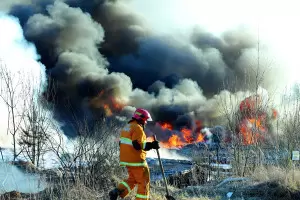
- Managing prescribed burns to maintain healthy forest ecosystems
- Installing and maintaining wildlife crossing structures to reduce roadway mortality
Field conservationists typically spend 60-80% of their time outdoors, often in remote locations. You'll need physical stamina for hiking through rugged terrain, tolerance for extreme weather, and the ability to work independently for extended periods.
Conservation Science
Conservation scientists conduct research to develop better protection methods and inform policy decisions. This role emphasizes analysis over hands-on intervention:
- Analyzing population genetics to identify conservation priorities for endangered species
- Developing predictive models for habitat loss under various climate scenarios
- Testing restoration techniques in controlled environments before field application
- Researching the effectiveness of different conservation strategies through long-term studies
- Collaborating with biochemists to develop non-toxic methods for controlling invasive species
- Publishing findings in scientific journals to advance conservation knowledge
- Advising policymakers on science-based conservation regulations
Conservation scientists typically work 70-80% in laboratory or office settings, spending the remaining time in the field collecting samples and verifying data. Advanced degrees (master's or PhD) significantly expand opportunities in this path, particularly for leadership and research roles.
Where Do Conservationists Work?
Your employment options vary widely based on your conservation specialty and whether you prefer government, nonprofit, or private sector work.
Government Agencies
Federal and state agencies employ the majority of conservationists. Major employers include:
- National Park Service: Managing and protecting 423 national park sites across ecosystems from Everglades wetlands to Alaskan tundra
- U.S. Forest Service: Overseeing 193 million acres of national forests and grasslands, employing foresters and wildlife biologists
- U.S. Fish & Wildlife Service: Managing the National Wildlife Refuge System's 95 million acres, enforcing endangered species protections, and overseeing conservation programs
- Natural Resources Conservation Service (NRCS): Working with private landowners on soil conservation and sustainable agriculture practices
- State wildlife agencies: Managing hunting/fishing programs, conducting species surveys, and operating state parks
- Bureau of Land Management: Overseeing 245+ million surface acres of public lands (plus 700+ million acres of subsurface mineral estate) for multiple-use conservation
Government positions typically offer strong benefits, job security, and clear advancement paths. However, they often involve navigating bureaucracy and relocating to rural areas with conservation lands.
Nonprofit Conservation Organizations
Conservation nonprofits range from large international organizations to small local land trusts:
- The Nature Conservancy: Operating in over 70 countries, focusing on land acquisition and protection
- World Wildlife Fund: Working on species conservation, habitat protection, and environmental policy
- Local land trusts: Protecting regionally significant natural areas through conservation easements
- Wildlife rehabilitation centers: Caring for injured wildlife and breeding endangered species
- Environmental advocacy groups: Conducting research to influence conservation policy
Nonprofit work often offers greater flexibility and a mission-driven focus than government roles. You'll likely wear multiple hats (fieldwork, fundraising, education), which appeals to some conservationists but overwhelms others. Salaries typically run 10-20% lower than government positions.
Private Sector & Consulting
Private companies hire conservationists for environmental compliance, impact assessment, and sustainability initiatives. You might conduct environmental impact studies for developers, design wildlife corridors for highway projects, or help timber companies maintain Forest Stewardship Council certification. These positions generally offer higher salaries but less direct conservation impact.
Conservationist Salary & Compensation
Conservation salaries vary significantly based on your specialization, education level, experience, and employer type. Conservation scientists and foresters (the BLS category encompassing most conservation careers) earned a median salary of $67,200 as of May 2023.
| Percentile | Annual Salary | What This Means |
|---|---|---|
| 10th Percentile | $42,030 | Entry-level positions, often seasonal or part-time field technicians |
| 25th Percentile | $52,840 | Early-career conservationists with bachelor's degrees |
| 50th Percentile (Median) | $67,200 | Mid-career professionals with 5-7 years experience |
| 75th Percentile | $83,950 | Senior conservationists, often with master's degrees or specialized expertise |
| 90th Percentile | $105,830 | Conservation directors, PhDs in research roles, or senior government positions |
Salary by Conservation Specialization
Different conservation paths offer varying compensation levels:
- Wildlife conservationists work on endangered species and habitat protection. Federal wildlife biologists average $65,000-$75,000, while nonprofit positions often start at $45,000-$55,000.
- Forest conservationists: Manage timber resources and forest health. USFS foresters average $70,000-$85,000 with strong benefits packages.
- Soil and water conservationists: Focus on agricultural land and watershed protection. NRCS positions typically range from $55,000-$80,000 depending on experience and location.
- Marine conservationists: Protect ocean and coastal ecosystems. NOAA positions average $65,000-$90,000, with research roles at the higher end.
- Conservation planners: Develop land-use strategies that balance development with protection. These positions average $60,000- $85,000 in government roles, with consulting roles sometimes exceeding $100,000.
Conservation field technicians and hands-on workers typically earn $35,000-$48,000 annually. These positions may not require four-year degrees, making them accessible entry points for those with relevant field experience or associate degrees. Many conservationists begin here before pursuing bachelor's degrees and entering professional roles.
A Day in the Life of a Conservationist
Your daily work varies dramatically by role, season, and current projects. Here's what typical days look like for different conservation positions:
Wildlife Field Biologist - Spring
5:30 AM - Begin dawn bird surveys along transect routes, recording species and abundance. 9:00 AM - Return to truck, input field data into mobile database while eating breakfast. 10:00 AM - Check trail cameras at black bear denning sites, download SD cards. 12:00 PM - Meet with private landowner to discuss conservation easement proposal. 2:00 PM - Attend team meeting via satellite phone to discuss lynx population monitoring strategy. 4:00 PM - Set up mist nets for evening bat surveys in old-growth forest. 7:00 PM - Process captured bats (measure, band, collect hair samples) before releasing. 9:00 PM - Return to field station, update daily logs.
Conservation Scientist - Research Lab
8:00 AM - Review overnight sequencing results from salamander DNA samples. 9:30 AM - Video conference with university collaborators about joint restoration study. 11:00 AM - Prepare genetic analysis protocol for endangered butterfly populations. 1:00 PM - Write methods section for journal article on wetland restoration outcomes. 3:00 PM - Analyze five years of water quality data to identify statistically significant trends. 4:30 PM - Present preliminary findings to the conservation team, discuss implications for field management strategies. 5:30 PM - Review grant proposal draft before submission deadline.
Conservation Planner - Regional Office
8:30 AM - GIS mapping session to identify priority conservation areas based on habitat connectivity. 10:00 AM - Phone calls with three landowners interested in conservation easements. 12:00 PM - Site visit to proposed conservation property, walk boundaries with property owner and land trust attorney. 2:30 PM - Draft conservation easement agreement incorporating landowner's ongoing timber management needs. 4:00 PM - Community meeting presentation on watershed protection initiatives and funding opportunities. 6:00 PM - Attend county planning commission meeting to comment on development proposal near critical habitat.
Essential Conservationist Skills
Success in conservation requires a blend of scientific knowledge, practical field skills, and communication abilities. Here's what you'll need to develop:
Technical Skills
- Species identification: Accurately identifying plants, animals, and ecosystem indicators in the field
- GIS and spatial analysis: Using Geographic Information Systems to map habitats, track changes, and prioritize conservation areas
- Data collection and analysis: Designing scientifically rigorous surveys and analyzing results using statistical software
- Field techniques: Wildlife tracking, water quality testing, vegetation surveys, GPS navigation
- Ecological monitoring: Establishing baseline conditions and detecting changes over time
- Remote sensing: Interpreting aerial and satellite imagery to assess landscape-scale changes
Soft Skills
- Communication: Explaining complex ecological concepts to landowners, policymakers, and the public. You'll write grant proposals, scientific reports, and educational materials.
- Negotiation: Working with stakeholders who have competing interests (ranchers, developers, recreation users) to find conservation solutions everyone can accept
- Project management: Coordinating multiple conservation projects simultaneously, managing budgets, and meeting deadlines
- Physical endurance: Hiking long distances with equipment, working in extreme weather, and maintaining focus during long field days
- Patience and persistence: Conservation work often takes years or decades to show results. You need resilience when projects face setbacks.
Job Outlook & Career Growth
Employment of conservation scientists is projected to grow 6% between 2024 and 2034, roughly in line with the average growth rate for all occupations. This translates to approximately 2,800 job openings annually when combining new positions with replacement needs as current conservationists retire or change careers.
Several factors drive conservation employment:
Growing demand: Climate change impacts, the spread of invasive species, and habitat fragmentation are creating an increasing need for conservation expertise. The Bipartisan Infrastructure Law includes $2.9 billion for ecosystem restoration projects through the Department of the Interior, creating new employment opportunities. Private landowners are increasingly interested in conservation easements for tax benefits and legacy preservation.
Competitive challenges: Conservation positions attract passionate candidates, making competition intense for desirable locations and employers. Budget constraints at government agencies can limit hiring even when workload increases. Some positions require a willingness to relocate to rural areas with conservation lands.
Best opportunities: Candidates with master's degrees have significantly better prospects than those with only bachelor's degrees. GIS expertise and statistical analysis skills are increasingly essential. Experience with climate adaptation planning and urban conservation is increasingly important. Professionals who can work across disciplines (combining conservation biology with policy, economics, or community engagement) find the most opportunities.
Education Requirements to Become a Conservationist
Professional conservation science and management positions generally require at least a bachelor's degree, though field technician roles may be accessible with an associate degree or equivalent field experience. Your specific career goals determine how much education you'll need.
Bachelor's Degree (4 years)
A bachelor's degree qualifies you for entry-level professional conservation positions and is typically required for career advancement. Strong majors include:
- Wildlife Biology or Ecology: Best preparation for species-focused conservation
- Environmental Science: Broad foundation covering multiple conservation disciplines
- Forestry: Ideal for forest conservation and natural resource management
- Conservation Biology: Directly aligned with conservation career goals
- Natural Resources Management: Balances conservation with sustainable use
Focus your coursework on ecology, conservation biology, wildlife management, GIS, and statistics. Gain fieldwork experience through internships, volunteer work, or seasonal positions with agencies like the Park Service or Fish & Wildlife Service. These experiences often matter as much as your GPA when competing for jobs.
Master's Degree (2 years)
A master's degree significantly expands your opportunities, particularly for conservation science, planning, and leadership roles. It's often required for:
- Federal wildlife biologist positions are above entry level
- Conservation planners and program managers
- Research positions with nonprofits or government agencies
- Teaching roles at community colleges
- Supervisory conservation positions
Most conservationists pursue Master of Science degrees in their specialty area (wildlife biology, ecology, conservation biology, etc.). Thesis-based programs provide research experience that strengthens your scientific credentials and publication record.
Doctoral Degree (4-6 years)
PhDs are required for university faculty positions, senior research roles, and certain federal science leadership roles. Most conservation professionals don't need doctoral degrees unless their career goals explicitly require them. The time investment makes sense if you're passionate about research and want to shape conservation science at the highest levels.
Conservation - Related Degrees
How to Get Started in Conservation
Breaking into conservation requires strategic planning, especially given the competitive job market. Here's a realistic pathway:
High School (Start Early)
Take advanced biology, chemistry, and mathematics courses. Join environmental clubs or start conservation projects. Volunteer at nature centers, wildlife rehabilitation facilities, or with local land trusts. Apply to summer youth conservation programs, such as the Student Conservation Association's high school programs.
Undergraduate Years (Build Your Foundation)
Year 1-2: Complete core science requirements while exploring different conservation fields. Join conservation or wildlife clubs. Volunteer with campus or community environmental organizations. Attend guest lectures by conservation professionals.
Year 2-3: Secure your first paid or unpaid conservation internship. Federal agencies, nonprofits, and state wildlife departments offer summer positions. Even if it's not your dream job, any field experience builds skills and connections. Take GIS courses and learn R or other statistical software.
Year 3-4: Complete more advanced internships or seasonal technician positions. Begin networking at professional conferences (The Wildlife Society, Ecological Society of America). Develop a specialty area within conservation. Consider independent research or honors thesis projects.
Post-Graduation (Launch Your Career)
First 1-2 years: Accept entry-level or seasonal positions even if they're not perfect. These build your resume and professional network. Many permanent conservation jobs require 1-2 years of related experience. Be willing to relocate for opportunities. Apply to federal programs like Pathways (for students) or AmeriCorps conservation positions.
Years 2-5: Pursue permanent positions in your specialty area. Consider whether a master's degree would help your specific career goals. Build a professional reputation through quality work and networking. Join relevant professional organizations.
Years 5+: Move into senior conservationist roles, specializing in areas like species recovery planning, conservation policy, or habitat restoration. Some professionals transition into education, policy advocacy, or conservation leadership positions.
Alternative Entry Points
Not everyone follows the traditional path. Some successful conservationists start as:
- Career changers: Bringing skills from other fields (teaching, engineering, business) into conservation
- Military veterans: Transitioning through programs specifically designed to place veterans in conservation careers
- Field technicians: Starting with hands-on work, then pursuing degrees while employed
- Volunteers: Building experience through consistent volunteer work before making it a career
Conservation Career Progression
Conservation careers typically follow these advancement stages:
Entry Level (0-3 years) - $38,000-$52,000
You'll work as a field technician, seasonal biologist, or conservation assistant. Expect to conduct surveys, collect data, and support senior staff projects. These positions often involve irregular schedules, seasonal employment, and significant time outdoors in challenging conditions. This stage focuses on building skills and demonstrating reliability.
Mid-Level (3-7 years) - $55,000-$75,000
You'll lead specific projects, supervise technicians, and take on more analytical work. Positions include wildlife biologist, conservation specialist, or habitat restoration coordinator. You'll design your own studies, manage budgets, and interact more with stakeholders. Many professionals pursue master's degrees at this stage to advance their careers.
Senior Level (7-15 years) - $75,000-$95,000
You'll oversee programs, manage teams, and shape conservation strategy. Positions include senior biologist, conservation program manager, or regional ecologist. You'll spend less time in the field and more time on planning, budgeting, and coordination. Your expertise influences agency or organizational conservation priorities.
Leadership Level (15+ years) - $90,000-$130,000+
You'll direct entire conservation programs, represent your organization in policy discussions, and mentor the next generation of conservationists. Positions include chief scientist, conservation director, or refuge manager. At this level, you're setting conservation strategy and securing funding for large-scale initiatives.
Frequently Asked Questions
What's the difference between a conservationist and an environmentalist?
Conservationists typically work in science-based roles to protect specific ecosystems, species, or natural resources. Their work involves hands-on management, research, and policy implementation. Environmentalists is a broader term that can include anyone advocating for environmental protection, whether in a career or as a personal commitment. All conservationists are environmentalists, but not all environmentalists work professionally in conservation.
Can I work as a conservationist remotely?
Some conservation roles offer partial or even full remote work, particularly positions focused on data analysis, GIS mapping, policy development, grant writing, or nonprofit strategy. These roles have become more common as organizations adapt to remote work capabilities. However, most conservation careers still require significant field time for monitoring, habitat assessment, and stakeholder meetings. Hybrid arrangements (3 days office/remote, 2 days field) are increasingly common, especially for senior roles. Check USAJobs and conservation job boards for remote-friendly listings, particularly in analytical and planning positions.
Do I need a graduate degree to become a conservationist?
A bachelor's degree is sufficient for many entry-level conservation positions, especially field-based roles like wildlife technician or habitat restoration specialist. However, a master's degree significantly improves your career prospects and is often required for advancement beyond entry-level. PhDs are necessary only for university research positions or high-level federal science roles. If you're uncertain, start with a bachelor's, gain work experience, and pursue graduate school if your career goals require it.
What's the job market like for conservationists?
The conservation job market is competitive but growing steadily. Expect to apply for many positions before landing offers, especially for permanent jobs in desirable locations. Your chances improve significantly with relevant internship experience, GIS skills, and flexibility about location. Seasonal and temporary positions are easier to secure and often lead to permanent opportunities. Networking through professional organizations and maintaining relationships with former supervisors can be as important as your qualifications on paper.
Can conservationists make good money?
Yes, though conservation typically won't make you wealthy. The median salary of $67,200 supports a comfortable middle-class standard of living, with senior positions earning $90,000- $130,000. Conservation scientists with PhDs at universities or federal agencies can exceed $100,000, especially later in their careers. If maximizing income is your primary goal, consider conservation consulting for private firms, which often pays 20-30% more than government or nonprofit positions. However, most conservationists accept somewhat lower pay in exchange for meaningful work aligned with their values.
What are the biggest challenges conservationists face?
Funding constraints frequently limit conservation projects and staffing. You'll often have more work than resources to accomplish it. Political changes can shift conservation priorities, sometimes eliminating programs you've spent years developing. The slow pace of conservation work can be frustrating when ecological problems require urgent action. Balancing competing stakeholder interests often means compromise solutions that don't fully satisfy anyone. Despite these challenges, most conservationists find the work deeply rewarding and wouldn't choose another career.
Is conservation work physically demanding?
Field-based conservation roles can be quite physically demanding. You might hike 10-15 miles daily with 40-pound packs, work in extreme heat or cold, navigate rugged terrain, and maintain focus during long days. However, many conservation positions primarily involve office or lab work, with occasional field days. As you advance in your career, you'll typically spend less time on physically demanding fieldwork and more on planning and management. Choose your conservation path based on your physical capabilities and preferences.
Key Takeaways
- Conservation careers combine science and stewardship. You'll need strong scientific foundations in biology or ecology, along with practical skills in habitat management, species monitoring, and stakeholder collaboration to succeed in conservation work.
- Field work and research offer different paths: Conservation field positions emphasize hands-on habitat restoration and wildlife monitoring (60-80% outdoors), while conservation science roles focus on research and analysis (70-80% lab/office). Both paths protect natural resources but suit different work preferences.
- Competitive but growing job market: Conservation scientist employment will grow 6% through 2034, creating approximately 2,800 annual openings (new positions plus replacements). Expect intense competition for desirable positions, especially with federal agencies and major nonprofits. Master's degrees and specialized skills (GIS, statistical analysis) significantly improve your prospects.
- Median salaries are around $67,200 with variation: Conservation scientists and foresters earn $42,000-$106,000 depending on experience, education, and employer. Government positions offer stability and benefits, nonprofits provide mission focus, but lower pay, and private consulting offers higher salaries but less direct conservation impact.
- Strategic career building is essential: Success requires gaining field experience through college internships and seasonal work, being willing to relocate for entry-level opportunities, and building a professional network through conferences and collaborations. Most conservationists start in temporary positions before securing permanent roles.
Ready to start your conservation career? Explore accredited environmental science, wildlife biology, and ecology programs that can prepare you for protecting our planet's natural resources and biodiversity.
Professional Organizations for Conservationists
Joining professional organizations helps you network, access job boards, and stay current on conservation science. Consider these groups based on your specialty:
- The Wildlife Society: Premier organization for wildlife professionals with 30,000+ members worldwide. Offers certification, annual conferences, and local chapter networking. Particularly valuable for wildlife conservationists.
- Ecological Society of America: Focuses on ecological research and conservation science. Excellent for conservation scientists and those pursuing graduate degrees. Strong publication opportunities and research networking.
- Society for Conservation Biology: International network of conservation professionals and scientists. Emphasizes evidence-based conservation practice and policy. Regional sections offer local networking.
- NatureServe: Network focused on biodiversity conservation data and science. Particularly useful for conservationists tracking threatened and endangered species.
Student memberships typically cost $20-50 annually and provide access to job boards, mentorship programs, and conference discounts. Many conservation employers view professional membership as a sign of career commitment.
2024 US Bureau of Labor Statistics salary and job growth figures for conservation scientists and foresters reflect national data, not school-specific information. Conditions in your area may vary. Data accessed January 2026.