
Archaeologists study past human cultures by excavating sites, analyzing artifacts, and documenting historical evidence. The career offers intellectual fulfillment but requires realistic expectations: median salary is $64,910 (combined anthropologists/archaeologists), most positions are in cultural resource management (not academia), and you'll need at least a bachelor's degree to start as a field technician. If you're drawn to solving historical mysteries through hands-on fieldwork, this career combines scientific rigor with detective work.
Welcome to your comprehensive guide to becoming an archaeologist. Whether you're a college student exploring anthropology programs or a professional considering a career change, understanding the realities of archaeological work—from daily responsibilities to job market competition—will help you make an informed decision about this fascinating but challenging field.
Archaeology isn't just about dramatic discoveries featured in documentaries. It's meticulous scientific work that requires patience, physical stamina, and genuine passion for understanding humanity's past. Let's explore what this career actually involves, what you'll earn, and how to break into this competitive field.
What Does an Archaeologist Do?
Archaeologists serve as scientific detectives, piecing together stories of past human societies through material evidence. Your work bridges multiple disciplines—combining elements of history, anthropology, geology, and even chemistry to understand how people lived, worked, and organized their communities centuries or millennia ago.
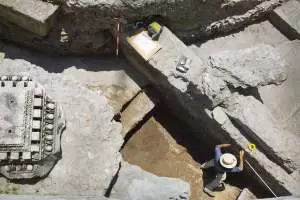
On any given project, you'll conduct systematic field investigations at archaeological sites, carefully excavating layers of soil to recover artifacts, bones, and structural remains. This isn't the rapid digging you might see in movies. Archaeological excavation is painstaking work, often conducted on hands and knees with hand tools, brushes, and dental picks. You'll document everything—exact locations, soil composition, relationships between objects—because the context of a find often tells you more than the object itself.
A Day in the Life
Your typical day varies dramatically depending on whether you're conducting fieldwork or office-based analysis. During field seasons, expect to start early (often 6-7 AM to beat afternoon heat), spend 8-10 hours excavating or surveying, and end your day washing artifacts and updating field notes. You'll work outdoors in all weather conditions, from desert heat to humid forests, often at remote locations requiring camping or temporary housing.
Back in the office or laboratory, you'll spend considerable time analyzing what you've found. This means cataloging artifacts, conducting chemical analyses, creating detailed maps using Geographic Information Systems (GIS), researching historical records, and writing technical reports. If you work for a university, you'll also teach classes, mentor graduate students, and publish research in academic journals. Anthropologists work closely with archaeologists on many projects, especially those investigating cultural practices and social structures.
Core Responsibilities by Career Level
Field Technicians (Entry-Level with BA/BS): You'll focus on hands-on excavation work under supervision. This includes establishing excavation grids, carefully removing soil layers, screening for artifacts, photographing finds in situ, and maintaining detailed field notes. You'll also handle logistics like setting up equipment, managing tools, and ensuring site security. Physical stamina is essential—you're on your feet most of the day, often bending, kneeling, and carrying equipment across uneven terrain.
Project Supervisors (Typically MA/MS): With a graduate degree and several years of field experience, you'll lead excavation crews, design data collection protocols, and ensure work meets professional standards. You're responsible for training field technicians, managing project timelines and budgets, coordinating with property owners and regulatory agencies, and making critical decisions about excavation strategies. You'll spend less time physically digging and more time planning, supervising, and problem-solving.
Principal Investigators and Professors (PhD): At this level, you design research projects, secure grant funding, oversee multiple teams, and contribute original scholarship to the field. Academic archaeologists balance research with teaching and administrative duties. Those in cultural resource management firms may serve as senior consultants, reviewing reports, providing expert testimony, and maintaining client relationships. You'll also represent your organization at conferences, publish findings, and mentor the next generation of archaeologists.
Where Does an Archaeologist Work?
Archaeological work splits your time between outdoor field sites and indoor office or laboratory spaces. The proportion depends on your specific role and employment sector.
Field Settings: You'll work at excavation sites ranging from prehistoric caves to historic urban buildings. Some projects take you to remote wilderness areas that require camping and have limited amenities. Others keep you in developed areas, perhaps excavating ahead of highway construction or documenting historic structures slated for renovation. International fieldwork has become increasingly rare outside academic research positions, though some universities and research institutes still sponsor overseas projects in Europe, Central and South America, Africa, the Middle East, and Asia.
Office and Laboratory Settings: Much archaeological work takes place indoors. University archaeologists maintain campus offices and teach in classrooms. Museum curators work in climate-controlled collections facilities. Cultural resource management (CRM) professionals typically work in standard office environments, though they travel frequently to project sites. Laboratory work involves analyzing artifacts, conducting chemical tests, and using specialized equipment to date and analyze their composition.
Recent high-profile discoveries demonstrate archaeology's continued relevance. In 2024-2025, significant excavations in Saudi Arabia uncovered early human settlements, expanded our understanding of Mayan urban planning in Guatemala, and revealed Viking trade routes through sophisticated artifact analysis. The field continues to evolve alongside related disciplines such as paleontology (which studies ancient life forms as a separate scientific field), while environmental archaeologists investigate how past societies adapted to environmental changes—insights increasingly relevant today.
Work Environment Considerations: Field archaeology involves genuine occupational health and safety risks. You're exposed to extreme temperatures, uneven terrain, insect bites, and potential exposure to hazardous materials (especially at historic industrial sites). Physical demands are real—expect heavy lifting, prolonged periods of kneeling or crouching, and repetitive motions that can lead to joint strain. Many archaeologists report chronic sun exposure and related skin concerns over the course of long careers, despite precautions, and remote fieldwork can be isolating.
What Is the Average Archaeologist Salary?
Understanding archaeological salaries requires looking beyond simple averages. Your earning potential depends significantly on your education level, years of experience, employment sector, and geographic location.
National Salary Overview: According to the Bureau of Labor Statistics, anthropologists and archaeologists (classified together in BLS occupational data) earn a combined median annual salary of $64,910. Note that BLS does not separate archaeologists from anthropologists in salary reporting, so this figure reflects both professions. However, this figure masks considerable variation:
- Bottom 10%: Approximately $44,510 (typically entry-level field technicians)
- 25th Percentile: Around $51,000 (experienced field technicians, early-career professionals)
- Median (50th Percentile): $64,910
- 75th Percentile: Approximately $82,000 (project managers, senior CRM professionals)
- Top 10%: $104,510 or more (senior professors, directors of major CRM firms, museum directors) — Note: This figure represents the combined anthropologist/archaeologist BLS category
Salary by Employment Sector and Experience
| Career Stage | Cultural Resource Management | Academia/University | Museum/Government |
|---|---|---|---|
| Entry-Level (BA/BS, 0-2 years) | $38,000 - $48,000 (high-demand regions/federal positions; lower in some areas) | $35,000 - $42,000 (adjunct/temporary) | $42,000 - $52,000 |
| Mid-Career (MA/MS, 5-10 years) | $55,000 - $75,000 | $48,000 - $68,000 (tenure-track) | $58,000 - $72,000 |
| Senior-Level (PhD, 10+ years) | $80,000 - $120,000+ | $75,000 - $125,000+ (tenured professor) | $75,000 - $95,000 |
Factors Affecting Archaeologist Salary
Geographic Location: Salaries vary significantly by region, often reflecting the local cost of living and concentration of archaeological projects. States with robust CRM industries (California, Texas, Florida, Arizona, and New Mexico) typically offer higher entry-level wages. Major metropolitan areas pay more, but the cost of living often offsets the advantage. Federal positions follow standardized GS pay scales adjusted for locality.
Specialization: Certain specializations command premium compensation. Environmental archaeology programs are growing as developers need environmental impact assessments. Underwater archaeologists with diving certifications, forensic archaeologists working with law enforcement, and those with rare technical skills (ancient DNA analysis, advanced GIS modeling) can negotiate higher salaries.
Employer Type: Cultural resource management firms generally pay more than academic positions at the entry and mid-career levels, but academic salaries often surpass CRM at senior levels (full professors at research universities). Federal archaeologists (National Park Service, Forest Service, BLM) enjoy competitive salaries, excellent benefits, and retirement packages. State and local government positions vary widely.
Project Funding and Employment Stability: Many archaeological positions are project-based or seasonal, creating income volatility. A CRM field technician might earn $45,000 during busy field seasons but face unemployment in the winter months. Academic positions offer more stability but increasingly rely on temporary adjunct contracts. Only tenured professors and permanent government positions provide true job security.
What Is the Job Demand for Archaeologists?
Let's be direct: archaeology is a competitive field with limited growth in traditional academic positions. The Bureau of Labor Statistics projects 5-6% growth for anthropologists and archaeologists through 2032, roughly in line with average occupational growth. However, this modest overall growth masks dramatically different prospects in different sectors.
The Academic Reality: Tenure-track positions at colleges and universities remain scarce and intensely competitive. Most universities hire only one or two archaeologists per decade, and each opening may draw 200+ applicants. Many PhD graduates piece together multiple adjunct teaching positions, earning $3,000-$5,000 per course (varies significantly by institution and region) with no benefits. If your primary goal is becoming a professor, understand that estimates suggest only about 20-30% of archaeology PhDs secure tenure-track positions within five years of graduation.
Cultural Resource Management Growth: The more optimistic news centers on cultural resource management (CRM), which industry estimates suggest employs approximately 60-70% of professional archaeologists in the United States. Federal and state laws require archaeological surveys before major construction projects—highways, pipelines, renewable energy installations, and housing developments. This regulatory framework creates a steady demand for CRM services. The renewable energy boom, in particular, is driving new archaeological surveys as solar and wind farms require extensive land assessments.
Emerging Opportunities: Several trends are creating new niches within archaeology. Climate change archaeology—investigating how past societies adapted to environmental shifts—attracts grant funding and public interest. Digital archaeology, combining traditional methods with 3D modeling, drone surveying, and machine learning, appeals to tech-savvy graduates. Heritage management and cultural tourism create positions in historic preservation and site interpretation. Some archaeologists even consult for video game and film productions, ensuring accurate historical representation.
Museum Positions: Museum archaeology positions remain rare and highly desirable. Most museums hire curators and collections managers infrequently, and candidates typically need both a PhD and several years of experience. Competition for these positions rivals academic jobs.
Archaeology Jobs & Job Description
Archaeological positions vary dramatically in scope and responsibility. Here's what you actually need to succeed at different career stages.
Essential Skills and Competencies
Archaeological work demands a unique combination of technical, physical, and interpersonal skills. You'll need to develop systematic data collection methods tailored to each project's research questions. This means designing excavation strategies, establishing protocols for artifact documentation, and maintaining rigorous standards for recording observations. Detail orientation isn't optional—a misplaced decimal point in GPS coordinates or a forgotten photograph can compromise an entire excavation's scientific value.
Technical proficiency increasingly sets competitive candidates apart. Modern archaeologists must navigate specialized software for GIS mapping, database management, and statistical analysis. You'll collect spatial data using GPS units, create detailed site maps, and manage digital records of thousands of artifacts. Many positions now require or prefer experience with photogrammetry (the creation of 3D models from photographs), remote sensing, or ground-penetrating radar.
Physical capabilities matter more in archaeology than in many academic careers. Field seasons test your endurance—you'll spend weeks working outdoors in challenging conditions, performing repetitive motions, and maintaining concentration during physically demanding tasks. Most archaeologists develop strategies for protecting their bodies, but knee problems, back issues, and sun-related concerns are common occupational hazards.
Communication skills prove essential regardless of your career path. You'll write technical reports that must satisfy both scientific standards and regulatory requirements. These documents become permanent records, so clarity and accuracy are critical. If you pursue academia, you'll teach classes, present at conferences, and publish in peer-reviewed journals. CRM archaeologists regularly interact with clients, regulatory agencies, and indigenous communities, requiring cultural sensitivity and professional diplomacy.
| Skill Category | Field Technician (BA/BS) | Project Supervisor (MA/MS) | Principal Investigator (PhD) |
|---|---|---|---|
| Technical Skills | Basic excavation techniques, artifact identification, GPS/GIS basics, field photography, database entry | Advanced excavation methods, GIS analysis, artifact analysis, report writing, regulatory compliance knowledge | Research design, statistical analysis, advanced GIS modeling, grant writing, publication standards |
| Management Skills | Following protocols, time management, basic logistics | Crew supervision, budget management, project scheduling, quality assurance, safety protocols | Multi-project oversight, strategic planning, funding acquisition, team building, stakeholder management |
| Communication Skills | Clear field notes, status reports, basic presentations | Technical report writing, client communication, crew training, public speaking | Academic publishing, grant proposals, expert testimony, conference presentations, media interviews |
Additional Responsibilities for Senior Roles
As you advance to supervisory and leadership positions, your responsibilities shift from technical execution to strategic oversight. Project managers develop comprehensive project scopes, establish realistic schedules, and allocate budgets across multiple competing needs. You'll coordinate with diverse stakeholders—property owners, tribal representatives, federal regulators, and academic collaborators—each with their own priorities and concerns.
Quality assurance becomes your responsibility. You're ensuring data integrity across multiple field crews, reviewing documentation for completeness and accuracy, and verifying that excavation methods meet professional standards. When fieldwork uncovers unexpected findings—human remains, contaminated soils, or historically significant structures—you make judgment calls about how to proceed while balancing scientific value, legal requirements, and project timelines.
Senior archaeologists increasingly advocate for site preservation and inform public policy. You might testify at zoning hearings, advise on development impacts, or collaborate with communities on heritage preservation. Building relationships with indigenous peoples is particularly important, as many archaeological sites hold cultural and spiritual significance beyond their scientific value. Successful archaeologists approach these situations with humility and respect, recognizing that they're studying someone's ancestors and heritage.
What Do Archaeologists Study?
Your educational path in archaeology progresses through increasingly specialized stages, with each degree level opening different career opportunities. Anthropology degree programs typically house archaeology concentrations, though some universities offer standalone archaeology departments.
Bachelor's Degree (BA/BS) - Entry Point
The minimum educational requirement for working as a field archaeologist is a Bachelor of Arts or Bachelor of Science degree with a major in anthropology or archaeology. Your undergraduate curriculum should include courses in archaeological theory, field methods, artifact analysis, and human osteology (the study of skeletal remains). Most programs require at least one field school—an intensive summer program where you gain hands-on excavation experience under professional supervision.
Competitive applicants supplement their major coursework with related fields. Take classes in geology (for understanding soil formation and stratigraphy), chemistry (for conservation and dating techniques), statistics (for analyzing data), and history (for contextualizing findings). Geographic Information Systems (GIS) training has become almost essential, as most archaeological projects now incorporate spatial analysis.
A bachelor's degree qualifies you for entry-level field technician positions. These roles provide essential experience but limited opportunities for advancement without graduate education. Expect to work seasonally or on temporary contracts, often relocating between projects. Many archaeologists work as field technicians for 2-5 years while applying to graduate programs, using this time to clarify their research interests and build professional networks.
Master's Degree (MA/MS) - Professional Practice
A graduate degree—usually a Master of Arts or Master of Science—is required to move into supervisory roles in CRM or permanent positions in museums and government agencies. Most master's programs take two years of full-time study and require a thesis based on original research. Your thesis demonstrates your ability to design research questions, collect and analyze data independently, and contribute new knowledge to the field.
Master's students typically specialize in a particular geographic region (e.g., North American prehistory, Mediterranean classical archaeology) or time period. You'll take advanced seminars in archaeological theory, research methods, and your specialization. Many programs include additional field schools, laboratory courses in specialized techniques (ceramics analysis, zooarchaeology, lithics), and opportunities to assist with faculty research.
Applied anthropology specialization within archaeology focuses on heritage management, community engagement, and cultural resource management—skills highly valued in CRM careers. Some programs offer dual degrees (MA in Archaeology plus MBA or JD) for students interested in the private sector or the legal aspects of cultural resource management.
Doctoral Degree (PhD) - Research and Academia
A PhD is essential for tenure-track academic positions, though it may not significantly increase salary in CRM careers unless you move into senior management. Doctoral programs typically require 5-7 years beyond the bachelor's degree, including coursework, comprehensive exams, dissertation research, and writing. Your dissertation represents an original contribution to archaeological knowledge, often involving multiple field seasons and extensive laboratory analysis.
PhD candidates develop deep expertise in specific topics—perhaps the political economy of ancient civilizations, the origins of agriculture, or technological innovation in prehistoric societies. You'll master multiple languages if working on historical archaeology (reading archival documents in their original language), develop advanced theoretical knowledge, and publish research articles before graduating.
The PhD path demands significant financial and personal sacrifice. While many programs offer teaching assistantships or research funding, stipends rarely exceed $25,000 annually. You may accumulate substantial student debt, defer starting a family, and face geographic uncertainty about where you'll ultimately find employment. Make this choice with clear eyes about the competitive academic job market.
| Degree Level | Typical Positions | Career Ceiling | Advancement Path |
|---|---|---|---|
| Bachelor's (BA/BS) | Field technician, archaeological survey crew, laboratory assistant | Senior field technician, field supervisor (with extensive experience) | Gain 3-5 years field experience → Apply to MA programs |
| Master's (MA/MS) | Project archaeologist, CRM project manager, museum curator, government archaeologist | Senior project manager, CRM firm principal, museum director | 5-10 years management experience → Senior roles OR → PhD for academia |
| Doctorate (PhD) | University professor, principal investigator, research director | Tenured full professor, department chair, major research institution director | Tenure-track → Associate professor → Full professor → Administration |
Field Experience and Permits
Academic credentials alone don't make you employable as an archaeologist. Extensive fieldwork experience is equally essential. Most positions require demonstrated competency in excavation techniques, survey methods, and artifact documentation. You'll build this experience through field schools, volunteer opportunities, and paid seasonal positions.
Some work contexts require specific permits or certifications. Excavating on federal land typically requires permits issued by the appropriate agency (Forest Service, BLM, National Park Service). Working with human remains may require state-specific permits and demonstrated knowledge of relevant laws (particularly NAGPRA—Native American Graves Protection and Repatriation Act). Underwater archaeology demands diving certifications, and some specializations require additional technical training (operating ground-penetrating radar, conducting soil chemistry analyses).
Degrees Related to Archaeology
What Kinds of Societies and Professional Organizations Do Archaeologists Have?
Professional archaeological societies provide crucial networking opportunities, continuing education, and advocacy for the field. Membership demonstrates professional commitment and keeps you connected to current research, methodological innovations, and job opportunities.
The Archaeological Institute of America (AIA) stands as the oldest and largest organization devoted to archaeology worldwide. Founded in 1879, the AIA supports archaeological research through grants and fellowships, publishes the peer-reviewed journal American Journal of Archaeology, and sponsors public lectures nationwide. Student membership costs significantly less than professional membership and includes access to the same resources—conference proceedings, job listings, and regional chapter events. The AIA's annual meeting brings together archaeologists from around the world to present research, network, and discuss the field's future.
The Council for British Archaeology serves UK-based archaeologists (and those working on British sites internationally). This educational charity promotes archaeological awareness, supports community archaeology projects, and advocates for heritage preservation. They offer training programs, publish British Archaeology magazine, and maintain extensive resources on archaeological methods and legal frameworks affecting UK archaeology.
Additional organizations serve more specialized interests. The Society for American Archaeology (SAA) focuses on New World archaeology and sets ethical guidelines widely adopted across the profession. The Society for Historical Archaeology serves those studying post-Columbian America and later periods globally. Regional organizations (like the Southeastern Archaeological Conference or the Society for California Archaeology) provide venues for presenting research and connecting with local practitioners. Many archaeologists maintain memberships in multiple organizations, selecting based on their geographic and topical specializations.
Frequently Asked Questions About Becoming an Archaeologist
How long does it take to become an archaeologist?
The timeline varies significantly based on your career goals. At minimum, you'll need four years for a bachelor's degree, which qualifies you for entry-level field technician work. Most professionals add 2-3 years to their experience for a master's degree, which enables them to pursue supervisory roles and more stable employment. If you're aiming for university teaching positions, expect 4-7 additional years for a PhD, plus several years in temporary or tenure-track positions before securing permanent academic employment. From high school graduation to established professional archaeologist typically requires 8-12 years of education and early-career experience.
Can you become an archaeologist without a degree in archaeology or anthropology?
It's extremely difficult but not impossible. Most archaeological employers require formal training in archaeological methods, theory, and ethics—knowledge typically gained through degree programs. However, if you have a related degree (geology, history, classics) and complete field schools, gain substantial volunteer experience, and potentially pursue a graduate degree in archaeology, you can transition into the field. Some mid-career professionals successfully pivot into archaeology this way, though they often face steeper competition for positions than traditional candidates.
What's the difference between archaeologists and anthropologists?
Archaeology is actually a subfield within anthropology (the study of humans across time and space). Anthropologists study human cultures through multiple approaches: archaeology (material remains), cultural anthropology (living cultures), biological anthropology (human evolution and biology), and linguistic anthropology (language). Archaeologists specifically focus on understanding past societies through physical evidence. Many anthropology departments house archaeology programs, and archaeologists apply anthropological theory to interpret material culture.
Is archaeology a good career for people who don't like office work?
Archaeology offers more outdoor work than many careers, but don't underestimate the office component. Even field-focused positions require substantial time indoors analyzing findings, writing reports, and managing logistics. Field seasons might occupy 3-6 months annually, with the remainder spent in offices and laboratories. If you absolutely can't tolerate office environments, consider that advancing to higher-paid positions typically means more administrative work and less fieldwork. Many archaeologists find the balance rewarding—fieldwork provides adventure and physical activity, while analysis and writing allow deeper interpretation of discoveries.
Do archaeologists travel internationally?
International opportunities exist but are less common than many people imagine. Most archaeologists work domestically, particularly those in cultural resource management who serve local developers and agencies. Academic archaeologists with research projects abroad travel regularly but face competition for permits and funding. Some universities sponsor international field schools, allowing students to gain overseas experience. If international work is a priority, consider specializing in regions outside North America, developing language skills, and pursuing academic rather than CRM career paths. However, be realistic—most archaeological work happens closer to home than Indiana Jones movies suggest.
What are the physical demands of archaeological fieldwork?
Archaeological fieldwork is genuinely physically demanding. You'll spend long days (often 8-10 hours) outdoors in heat, cold, rain, or sun, performing repetitive motions—digging, sifting soil, carrying buckets of dirt, kneeling for extended periods. Many archaeologists develop chronic knee problems, back issues, or sun-related concerns over the course of their careers. You'll need moderate fitness, the ability to lift 40-50 pounds repeatedly, and tolerance for uncomfortable working conditions. Remote sites may lack running water or climate control. As you age in the profession, many archaeologists transition toward more supervisory roles that reduce physical demands while leveraging their expertise.
How competitive is the job market for archaeologists?
The academic job market remains intensely competitive, with roughly 200+ applicants for each tenure-track position. Many PhD graduates never secure permanent academic employment. However, cultural resource management offers more opportunities, particularly for those with master's degrees and strong field skills. Entry-level CRM positions face moderate competition, though you may need to relocate frequently early in your career. Geographic flexibility significantly improves your employment prospects—archaeologists willing to move for opportunities find work more readily than those geographically constrained. The key is entering the field with realistic expectations about where most jobs actually exist (CRM firms and government agencies rather than universities).
Can archaeologists work remotely or have flexible schedules?
Remote work is limited in archaeology, as the core work requires physical presence at sites or in laboratories. However, some positions offer flexibility during analysis phases—you might work remotely while writing reports or conducting archival research. University positions provide more scheduling autonomy than CRM roles, though field seasons demand intensive, inflexible time commitments. Some archaeologists create portfolio careers, combining part-time teaching with seasonal CRM work and freelance consulting, which offers flexibility but reduces income stability. If work-life balance and schedule control are priorities, carefully research specific employers, as organizational culture varies dramatically.
What technology skills do modern archaeologists need?
Technology increasingly shapes archaeological practice. You'll need proficiency with GIS software (ArcGIS or QGIS) for mapping and spatial analysis, database management for cataloging artifacts, and basic statistical software for analyzing data. Many positions now value experience with photogrammetry (creating 3D models), drone operation for aerial surveys, ground-penetrating radar interpretation, and digital illustration software. Don't neglect traditional skills—hand drawing, photography, and written communication remain essential—but supplement them with digital competencies. The archaeologists who thrive combine technological aptitude with deep knowledge of material culture and theory.
How does climate change affect archaeological career opportunities?
Climate change creates both challenges and opportunities for archaeologists. Rising seas threaten coastal sites with erosion and flooding, spurring emergency documentation projects. Melting ice reveals previously frozen sites and artifacts, opening new research areas. Meanwhile, environmental archaeology—studying how past societies adapted to environmental and climatic changes over time—attracts substantial research funding as modern societies seek historical lessons. Some archaeologists now specialize in assessing the vulnerability of archaeological sites to climate change, combining traditional skills with training in environmental science. If you're interested in this intersection, consider coursework in climate science, environmental policy, or environmental studies alongside your archaeology training.
Key Takeaways
- Realistic Career Outlook: Archaeology offers intellectual fulfillment but demands realistic expectations. Industry estimates suggest that most positions (60-70%) are in cultural resource management rather than universities. Academic positions remain intensely competitive, with estimates suggesting that only 20-30% of archaeology PhDs secure tenure-track roles within five years of graduation.
- Educational Investment Required: You'll need at a minimum a bachelor's degree to work as a field technician ($38,000-$48,000 starting salary in high-demand regions). Advancement to project management requires a master's degree (2-3 additional years), while professorships require a PhD (5-7 years beyond a bachelor's degree). Each degree level significantly expands career options and earning potential.
- Salary Realities: The combined median salary for anthropologists and archaeologists is $64,910 (BLS does not separate these professions in reporting), but earnings vary dramatically by sector, experience, and location. Entry-level positions start around $38,000-$48,000 in high-demand regions, mid-career professionals earn $55,000-$75,000, and senior roles can reach $80,000-$125,000+. Cultural resource management often pays more than academia at entry levels, though senior academic positions can surpass CRM at full professor ranks.
- Physical and Geographic Demands: Archaeological fieldwork is physically demanding—expect long days outdoors in all weather, repetitive motions, and a risk of chronic injuries (knee problems, back issues, sun-related concerns). Many positions require frequent relocation, especially early career. Geographic flexibility dramatically improves employment prospects. Remote work is limited given the hands-on nature of archaeological investigation.
- Technology Skills Matter: Modern archaeologists need more than trowel skills. Proficiency with GIS software, database management, statistical analysis, and increasingly specialized tools (drones, photogrammetry, ground-penetrating radar) sets competitive candidates apart. Supplement traditional excavation training with digital competencies throughout your education.
Ready to explore archaeology degree programs? Whether you're starting with a bachelor's or pursuing graduate specialization, finding the right program is crucial for your archaeological career.
2024 US Bureau of Labor Statistics salary and job growth figures for anthropologists and archeologists reflect national data, not school-specific information. Conditions in your area may vary. Data accessed January 2026.