
Geomagnetists are scientists specializing in Earth's magnetic field, often with training in geophysics, physics, or Earth sciences. They work in research institutions, fossil fuel prospecting, mining operations, and water resource engineering. Geoscientists earn a median salary of $99,240 annually, with the highest earnings in oil and gas extraction. Entry-level positions require a bachelor's degree in geophysics, Earth sciences, physics, or geology, while senior roles typically require advanced degrees.
Geomagnetism represents one of the oldest branches of physical science, yet it remains one of the most specialized fields within Earth sciences. While most geologists study rocks and visible Earth processes, geomagnetists focus on what cannot be seen—the invisible magnetic forces that shape our planet's behavior.
This specialization opens unique career opportunities. Geomagnetists contribute to fundamental research about planetary formation, but their expertise also has practical applications in resource prospecting, infrastructure planning, and environmental management. Understanding Earth's magnetic field helps locate valuable resources, predict geological hazards, and advance our knowledge of how planets form and evolve.
If you're drawn to both physics and Earth sciences, geomagnetism offers a fascinating intersection of these disciplines. The field is small but vital, with strong opportunities for graduates who combine the right technical skills in geophysics and data analysis.
What Does a Geomagnetist Do?
Geomagnetists are scientists who specialize in studying Earth's magnetic field, a field that spans one of the oldest physical sciences. Where geologists study rocks and the physical processes of the Earth, geomagnetists study that which cannot be seen—the magnetic processes of geological features and the Earth as a whole.
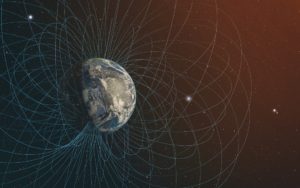
The geodynamo generates Earth's magnetic field—the motion of molten iron in the planet's outer core. This dynamo process is influenced by Earth's rotation, creating the complex magnetic field that extends far into space. However, other forces contribute to variations in the field. Surface features such as mountain ranges, ocean trenches, and grabens, as well as shifting tectonics, all affect the geomagnetic field to varying degrees.
Understanding these specialized processes is vital to our understanding of Earth's formation and that of other planets, but it also serves several industries. Studying Earth's magnetic fields helps us search for specific resources and predict where they might be located. Geomagnetists work alongside other professionals in teams, studying one small aspect of the geosciences as part of larger projects.
Where Does a Geomagnetist Work?
Geomagnetism is a small subfield within the broader field of Earth sciences. The majority of qualified geomagnetists work in research at public science institutes, university departments, and private research bodies. They collaborate with environmental geologists and other geoscientists, physicists, and even astronomers and astrophysicists. Much of this work focuses on understanding how planetary processes begin or are influenced by magnetic fields.
Geomagnetism has essential applications in industry. These professionals are particularly valuable in prospecting. Job opportunities exist in mining for precious metals and gems. There are significant opportunities in the fossil fuel industry—searching for new coal seams and oil and gas pockets using geomagnetic data. Specific signatures in geomagnetic readings indicate where these resources are located.
The same information reveals water sources, making this data useful for water resource engineering. This can benefit urban planning when building infrastructure for new towns, identifying water sources for irrigation, and planning work by charitable organizations installing wells and water supplies in developing countries. Scientific data is vital for effective planning in these applications.
What Is the Average Geomagnetist Salary?
There is no specific salary data set for geomagnetists since this is a small niche within the broader geoscience classification. However, geoscientists overall earn competitive salaries with strong growth potential based on specialization and industry.
| Category | Median Annual Salary |
|---|---|
| All Geoscientists (2024) | $99,240 |
| Oil and Gas Extraction | $125,670 |
The highest salaries in geoscience are in oil and gas extraction, where specialized knowledge of geomagnetic data supports resource identification and planning for extraction. Entry-level positions typically start near the median, with senior geomagnetists in research or industry leadership roles earning significantly more.
Geomagnetism Jobs & Job Description
Solar storms might make headlines, but they represent just one aspect of a geomagnetist's work. Day-to-day responsibilities vary significantly depending on whether you're in research, industry, or consulting. However, specific core competencies and duties remain consistent across most positions.
Entry-level geomagnetists typically hold a Bachelor of Science degree in geophysics, Earth sciences, physics, or geology with relevant coursework. They need both theoretical and practical knowledge of the geomagnetic field and its changes over time and across space. Most work occurs in laboratory settings, where they collect and analyze geomagnetic field information from Earth and outer space using satellites, GIS, and industry-specific computer monitoring equipment.
The work involves creating comprehensive reports and databases that summarize field-collected information. Geomagnetists must produce significant qualitative and quantitative results studying changes in the geomagnetic field over time. They need to communicate various types of data efficiently through multiple methods—verbally, in writing, graphically, or via databases. The results of geomagnetic analyses are shared with colleagues in the scientific community and applied to research and industry needs.
Common responsibilities include:
- Collecting and analyzing geomagnetic field data from satellites, ground-based stations, and monitoring equipment
- Creating models and simulations to understand magnetic field variations over time
- Tracking and recording geomagnetic storms or disturbances and assessing their impacts on technology, communications, and power systems
- Supporting resource prospecting in mining, oil, and gas industries through magnetic signature interpretation
Senior geomagnetists perform many of the same duties as entry-level professionals but with additional responsibilities. They typically hold a Master's degree or Ph.D. in geophysics, physics, Earth sciences, or a related scientific field. Senior positions involve overseeing the work of entry-level geomagnetists and scientists, reviewing reports and analyses, and providing constructive recommendations and feedback.
Senior-level responsibilities expand to include:
- Managing projects and investigations while making procedural changes to increase productivity
- Designing budgets that outline all project costs
- Developing periodical reports summarizing large quantities of information
- Designing investigations and using simulations for testing hypotheses about magnetic field behavior
- Providing predictions to forecast future changes to the geomagnetic field
- Presenting scientific information to audiences at various technical levels
What Is the Job Demand for Geomagnetists?
While geomagnetist-specific job data is not tracked independently by the Bureau of Labor Statistics, trends in the broader geosciences field provide helpful guidance. Overall, job demand for geoscientists is expected to grow 3% between 2024 and 2034, about as fast as the average for all occupations. This growth will add approximately 800 new positions to the current workforce of 25,100 geoscientists.
Most available work in geosciences comes from two sectors: fossil fuel prospecting and environmental protection. Within these sectors, professionals with specialized skills in geomagnetism and geophysical data analysis remain valuable. As energy companies continue to explore new resources and ecological monitoring becomes more sophisticated, the technical expertise of geomagnetists is increasingly sought in research and industry settings.
What Are the Education Requirements to Become a Geomagnetist?
Dedicated geomagnetism degree programs are rare, though some universities offer geomagnetism or space physics specializations through Earth and Planetary Science or Geophysics departments. Most aspiring geomagnetists pursue undergraduate degrees in geophysics, Earth sciences, physics, or geology and incorporate relevant coursework through minors, electives, and focused study.
Geomagnetism studies the physical world and the planet's invisible magnetic processes, examining how they interact. Students should also take mathematics courses where available. This improves chances of acceptance into desired postgraduate programs and builds the quantitative skills essential for data analysis and modeling.
| Degree Level | Typical Path | Career Opportunities |
|---|---|---|
| Bachelor's Degree | Geophysics, Earth Sciences, Physics, or Geology with relevant coursework and mathematics | Entry-level positions in research, industry prospecting, and laboratory work |
| Master's Degree | Geophysics, Physics, Earth Sciences, Geochemistry, or specialized geomagnetism programs | Project leadership, advanced research positions, specialized industry roles |
| Doctorate (Ph.D.) | Specialized research in geophysics, space physics, or planetary magnetism | University teaching, independent research leadership, and advanced consulting |
There are more choices for master's degree programs. Students can pursue geophysics (the most common path), physics, Earth sciences, geochemistry, or specialized programs in space physics or planetary science. Some universities offer dedicated geomagnetism coursework or research opportunities within these broader programs.
In most cases, a bachelor's degree is sufficient for entry-level jobs. Students should not experience significant difficulty accessing their desired career path with the right combination of physics, mathematics, and Earth science coursework. Postgraduate courses suit those who wish to run their own projects or assume greater responsibility in the future. Research positions often require graduates with a master's or doctoral degree. Teaching positions require a doctorate, especially where research funding is involved.
Geomagnetism - Related Degrees
What Kind of Societies and Professional Organizations Do Geomagnetists Have?
Geomagnetism has several professional organizations:
- World Data Centre for Geomagnetism: Presently part of the British Geological Survey and established by the World Data System, this resource provides essential data on geomagnetism for the global research community
- International Association of Geomagnetism and Aeronomy: IAGA holds a general assembly every few years; it is a division of UGGI (Union Geodesique et Geophysique Internationale). They have workshops and sponsor research programs into this vital area of Earth science.
- Indian Institute of Geomagnetism: India's premier Earth science institute focusing on geomagnetism, recording data, and establishing labs and research projects to understand India's geology and magnetic environment better
Frequently Asked Questions
What's the difference between a geomagnetist and a regular geologist?
Geologists study rocks and the physical processes of Earth that can be observed directly. Geomagnetists specialize in Earth's magnetic field and the invisible magnetic processes of geological features. Geomagnetists typically have training in geophysics, which combines physics and Earth sciences, rather than traditional geology alone.
Can I become a geomagnetist with just a bachelor's degree?
Yes, most entry-level geomagnetism positions require a bachelor's degree in geophysics, Earth sciences, physics, or geology with relevant coursework in mathematics and geophysical methods. However, advancing to senior positions, leading research projects, or teaching at universities typically requires a master's or doctoral degree.
Where do most geomagnetists find employment?
The majority work in research at universities, public science institutes, and private research bodies. However, significant opportunities exist in the fossil fuel industry for oil and gas prospecting, precious metal mining, and water resource engineering for infrastructure planning.
Is geomagnetism a growing field?
While geomagnetist-specific job data isn't tracked separately, job demand for geoscientists overall is expected to grow 3% through 2034, adding approximately 800 new positions. Professionals with specialized skills in geomagnetism and geophysical data analysis remain valuable in both research and industry settings.
What tools and technology do geomagnetists use?
Geomagnetists work primarily with satellites, ground-based magnetometers, GIS systems, and specialized computer monitoring equipment to collect and analyze geomagnetic field data. Most work occurs in laboratory settings, though some fieldwork may be required for data collection and instrument deployment.
Key Takeaways
- Specialized Field: Geomagnetism is a small but vital subfield within Earth sciences, focusing on Earth's magnetic field generated by the geodynamo in the planet's outer core.
- Diverse Applications: Beyond academic research, geomagnetists contribute to fossil fuel prospecting, mining operations, water resource planning, and infrastructure development.
- Strong Earning Potential: Geoscientists earn a median salary of $99,240, with positions in oil and gas extraction reaching $125,670 annually.
- Multidisciplinary Education: Success requires strong foundations in geophysics, Earth sciences, physics, or geology, with mathematics enhancing career prospects and graduate school opportunities.
- Steady Demand: Geosciences overall are projected to grow by 3% through 2034, creating approximately 800 new positions, primarily in the fossil fuel industry and environmental protection, where geomagnetic expertise remains valuable.


Ready to explore geomagnetism programs? Start by researching geophysics and Earth sciences degree programs that offer coursework in geomagnetism or space physics. Your combination of physics, mathematics, and Earth science training will position you for this specialized field.
2024 US Bureau of Labor Statistics salary and job growth figures for geoscientists reflect national data, not school-specific information. Conditions in your area may vary. Data accessed January 2026.