Hydrologists study water movement, quality, and availability to solve critical environmental challenges. The median salary is $88,770 annually, with federal positions paying $97,340+. The field is projected to grow 3% through 2033, creating approximately 500 new jobs nationwide (2023-2033 projection). Most positions require a master's degree in geosciences, environmental science, or earth sciences.
If you're fascinated by water—where it flows underground, how it shapes landscapes, what happens when it carries pollutants—hydrology might be your path forward. Hydrologists solve real-world water challenges that matter to communities, from cleaning up contaminated aquifers to forecasting floods that save lives. It's fieldwork and data analysis, rubber boots and computer models, working at the intersection of environmental science and practical problem-solving.
Hydrologists study how water interacts with the Earth's crust. For example, they investigate how rainfall and snowfall cause erosion and sedimentation, create caves, percolate through soil and rock to become groundwater, or eventually reach the sea. They also study how precipitation affects people by influencing river levels or groundwater availability. When industrial sites leak chemicals, hydrologists help investigate contaminated locations to assess how water flow might disperse pollutants—or how to remediate the damage.


Groundwater hydrologists study the water below Earth's surface. Most groundwater hydrologists focus on cleaning up polluted groundwater at industrial contamination sites—work that became critical after high-profile cases like Flint, Michigan's water crisis revealed how groundwater contamination threatens entire communities. Others work on water supply, siting new wells, and estimating the amount of water available for pumping. They help determine the locations of new waste disposal sites to prevent groundwater contamination before it happens.
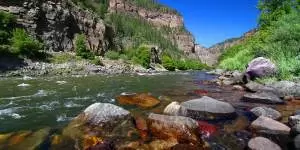
Surface water hydrologists study surface water sources such as streams, lakes, and glaciers. They use usage and precipitation data to estimate reservoir water levels, helping managers decide when to store and release water to meet demand. They also create flood forecasts that protect communities—during Hurricane Harvey in 2017, surface water hydrologists provided critical data that helped coordinate evacuations and emergency response.
Beyond these two main paths, hydrologists develop additional specialties: glacial meltwater analysis, urban stormwater management, climate change impacts on watersheds, and aquatic ecosystem health monitoring.
What Does a Hydrologist Actually Do?
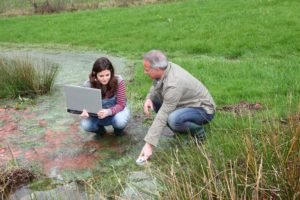
Your day might start in a stream, wading through cold water to collect samples, and end at your desk analyzing datasets with sophisticated models. The variety keeps the work engaging—you're not stuck in one environment doing repetitive tasks.
Most hydrologists collect water and soil samples and measure their properties. You'll record water volume, velocity, pH levels, and pollutant concentrations. This hands-on data collection gives you a direct connection to the environmental challenges you're trying to solve. You'll also analyze data to assess the environmental impacts of pollutants, erosion, sedimentation, drought, and other water-related issues, then research ways to minimize their effects.
Computer modeling is a huge part of the job. Hydrologists use specialized software to forecast future conditions concerning water supplies, the spread or remediation of pollution, floods, and other events. You'll also assess the suitability of proposed hydroelectric power plants, irrigation systems, and wastewater treatment facilities—determining whether projects will work as planned or create unintended consequences.
Technology plays an increasingly important role. You'll work with remote sensing equipment to collect data from hard-to-reach locations, use geographic information systems (GIS) to create detailed maps showing contamination plumes or flood zones, and develop computer models that simulate decades of water movement in minutes. Hydrologists who combine field experience with strong data science skills are particularly valuable in today's job market.
Collaboration defines much of the work. You'll often team up with engineers and scientists to study water availability, and with government officials to develop conservation plans and policies. You might work alongside water quality monitoring specialists testing for contaminants, or consult with water infrastructure engineering teams on major projects.
Some hydrologists transition into teaching, becoming college professors or high school science educators who share their expertise with the next generation of environmental professionals.
Where Does a Hydrologist Work?
As of 2023, 27% of all hydrologists were employed by the federal government, and 18% worked in management, scientific, and technical consulting services. Another 13% worked in engineering services. The remaining positions are split between state government (23%) and local government (10%).
Your work environment varies significantly depending on your employer and specialization. Federal hydrologists often work on large-scale projects, such as national water quality assessments or western water rights disputes. Consulting hydrologists tackle diverse projects for multiple clients, from environmental impact studies for proposed developments to contamination cleanup at Superfund sites. State and local government hydrologists focus on regional water management, permitting, and regulatory compliance.
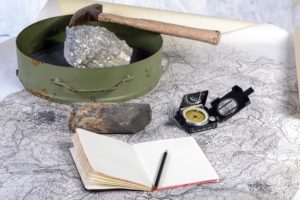
The work is split between outdoors and offices. In the field, you might wade into lakes and streams to collect samples, install monitoring equipment in remote locations, or map aquifer boundaries using specialized instruments. When indoors, you'll use computers to analyze data, create predictive models, and write reports on surface and groundwater conditions. The field-to-office ratio shifts with seasons—summer means more outdoor work, while winter in cold climates often focuses on data analysis and project planning.
Many jobs require travel. Private-sector positions may involve international travel for major infrastructure projects or contamination assessments. Federal positions might involve working across multiple states or territories. Even local government jobs include regular day trips to monitoring sites across your jurisdiction.
Most hydrologists work full-time, with shifts varying during fieldwork. Spring snowmelt, flood events, or contamination emergencies can mean irregular hours, but routine monitoring and analysis generally follow standard business schedules.
What Do Hydrologists Earn?
Median pay for hydrologists in 2023 was $88,770 per year, or $42.68 per hour. Your salary varies significantly based on your employer and experience level.
| Employer Type | Median Annual Salary (2023) |
|---|---|
| Management, Scientific, and Technical Consulting | $104,320 |
| Federal Government | $97,340 |
| Engineering Services (Private Sector) | $90,000 |
| Local Government | $87,670 |
| State Government | $75,150 |
These figures represent median salaries—half of hydrologists in each category earn more, half earn less. Your actual compensation will vary based on your geographic location, years of experience, specialized certifications, and the specific demands of your position.
Consulting services offer the highest compensation, reflecting the specialized expertise and project-based work these positions require. Federal government positions offer competitive salaries, strong benefits, and job security. Entry-level hydrologists with bachelor's degrees typically start in the $50,000-$60,000 range, while experienced professionals with master's degrees and specialized certifications can earn $100,000+.
Geographic location affects salaries significantly. Hydrologists in water-stressed western states like California, Arizona, and Nevada often command premium compensation due to high demand. Urban areas with complex water infrastructure needs (such as coastal cities managing stormwater and flood risks) also pay above the national median.
What's the Job Outlook for Hydrologists?
Job growth in hydrology is estimated at 3%, with approximately 500 additional positions expected to be created in the ten-year period leading up to 2033 (2023-2033 projection). This rate is as fast as the average predicted across all occupations.
Several factors drive this steady growth. The expansion of mining and hydraulic fracturing (fracking) operations requires environmental impact assessments and ongoing water quality monitoring, creating consistent demand for hydrologists to evaluate and mitigate impacts on water resources. Concerns about climate change, including droughts, flooding, and shifting precipitation patterns, are making water management expertise increasingly valuable. Communities dealing with "once in a century" floods multiple times per decade need professionals who can model risk and design adaptation strategies.
Aging water infrastructure in many U.S. cities creates opportunities for hydrologists specializing in urban water systems. The replacement of lead pipes, upgrading of wastewater treatment facilities, and redesign of stormwater management systems all require hydrological expertise.
Cleanup work on contamination provides another source of demand. Thousands of sites contaminated with industrial chemicals, petroleum products, and other pollutants require long-term monitoring and remediation—work that can span decades and needs consistent professional oversight.
Competition for positions varies by specialization and location. Federal government jobs are highly competitive, often requiring master's degrees and previous experience. Private sector consulting roles are more accessible for entry-level candidates, particularly if you have strong technical skills in GIS, remote sensing, and computer modeling.
What Are the Education Requirements to Become a Hydrologist?
While a bachelor's degree is sufficient for some entry-level positions, most hydrologists need a graduate degree in the natural sciences to advance in their careers. Here's what the educational pathway typically looks like:
| Degree Level | Typical Timeline | Career Access | Salary Range |
|---|---|---|---|
| Bachelor's Degree (Geosciences, Environmental Science, Earth Science) | 4 years | Entry-level field technician, junior analyst positions | $50,000-$65,000 |
| Master's Degree (Hydrology, Hydrogeology, Environmental Science, Geosciences) | 2-3 years beyond bachelor's | Most professional hydrologist positions, project leadership roles | $75,000-$100,000+ |
| Ph.D. (Hydrology, Earth Sciences) | 4-6 years beyond master's | Research positions, university faculty, senior consulting roles | $90,000-$130,000+ |
Since few undergraduate programs specialize in hydrology, students interested in this career path should seek out hydrology concentrations within geoscience, engineering, or earth science programs. Look for programs that offer coursework or research opportunities in water resources, groundwater flow, surface water hydrology, or watershed management.
Your coursework should include a strong foundation in math, statistics, the physical sciences, computer science, and the life sciences. Advanced courses in environmental law or public administration can be helpful if you plan to work with government agencies or on policy-related projects. Computer modeling, data analysis, and digital mapping are highly marketable skills that employers actively seek.
Practical experience matters enormously. Seek internships with the U.S. Geological Survey (USGS), state environmental agencies, or private consulting firms during your undergraduate or graduate studies. Research assistantships that involve fieldwork and data collection provide valuable hands-on training. Many successful hydrologists start as field technicians while completing their degrees, gaining experience that makes them more competitive for professional positions.
Licensing requirements vary by state. Some states require Professional Geoscientist (PG) licensure for hydrologists who provide consulting services or sign off on reports. This typically requires a combination of education, passing the Fundamentals of Geology exam, completing several years of professional experience under a licensed geoscientist, and passing the Practice of Geology exam. Check your state's requirements if you plan to work independently or in consulting.
Related Degree Options for Hydrologists
Hydrologist Specialization Paths
As you develop your career, you'll likely focus on a specific area of hydrology. Understanding these specializations helps you target your education and early career experiences:
| Specialization | Primary Focus | Typical Employers | Key Skills |
|---|---|---|---|
| Groundwater Hydrology | Subsurface water flow, aquifer management, contamination remediation | Environmental consulting firms, EPA, state environmental agencies | Well hydraulics, contaminant transport modeling, pump test analysis |
| Surface Water Hydrology | Rivers, lakes, reservoirs, flood forecasting, watershed management | USGS, Army Corps of Engineers, water utilities, dam operators | Streamflow measurement, hydraulic modeling, flood risk assessment |
| Climate Hydrology | Climate change impacts on water resources, precipitation patterns, drought prediction | NOAA, universities, international development organizations | Climate modeling, statistical analysis, long-term trend analysis |
| Urban Hydrology | Stormwater management, urban flooding, water infrastructure in cities | Municipal governments, engineering firms, regional planning agencies | Stormwater modeling, green infrastructure design, urban watershed analysis |
| Glacial Hydrology | Glacier meltwater, ice sheet dynamics, cold-region water resources | Research institutions, USGS, international climate research programs | Remote sensing, cryosphere science, glacier mass balance calculations |
Your specialization choice significantly influences your day-to-day work. Groundwater specialists spend more time analyzing contamination data and working at industrial sites. Surface water specialists focus on flow measurements and flood modeling. Climate hydrologists work extensively with large datasets and predictive models. Urban hydrologists balance engineering considerations with environmental protection. Glacial hydrologists often conduct research in remote, challenging environments.
Professional Organizations for Hydrologists
Joining professional organizations helps you stay current with industry developments, network with experienced professionals, and demonstrate your commitment to the field:
The American Institute of Hydrology (AIH) (http://www.aihydrology.org/) issues certifications to qualified professional hydrologists, helping ensure quality within this critical profession and increasing the marketability of certified individuals.
The American Water Resources Association (http://www.awra.org/) offers information exchange, professional development, and education about water resources through conferences and publications.
The International Association for Environmental Hydrology (IAEH) (http://www.hydroweb.com/) focuses on remediation of freshwater resources and facilitates the exchange of ideas through discussion forums and the Journal of Environmental Hydrology.
Frequently Asked Questions
What's the difference between a hydrologist and a hydrogeologist?
While these careers overlap significantly, hydrologists study water in all its forms—surface water, groundwater, precipitation, and ice—and how it moves through the environment. Hydrogeologists specialize specifically in groundwater, focusing on water within rock formations and aquifers. Most hydrogeologists are also trained as geologists, with expertise in rock properties and subsurface geology. If you're interested primarily in groundwater contamination, wells, and aquifers, hydrogeology might be your focus. If you want to study watersheds, rivers, flood forecasting, or water resources more broadly, hydrology is the better fit.
Can I become a hydrologist with an environmental science degree?
Yes, many hydrologists start with environmental science degrees, especially if their program included strong coursework in water resources, chemistry, physics, and math. However, you'll want to supplement your undergraduate work with a master's degree that includes hydrology-specific training. Look for graduate programs in hydrology, hydrogeology, or water resources engineering that accept graduates in environmental science. Taking additional math and physics courses during your undergraduate years strengthens your application for competitive graduate programs.
Do hydrologists need to get their Professional Geoscientist (PG) license?
Licensing requirements vary by state and job type. If you plan to work for federal or state government agencies, or as an employee of a consulting firm, you typically don't need licensure—the organization's licensed professionals sign off on reports. However, if you want to work independently as a consultant or if you'll be signing technical reports that go to regulatory agencies, most states require PG licensure. The process involves passing the Fundamentals of Geology exam, gaining several years of supervised professional experience, and passing the Practice of Geology exam. Check your state's board of geology for specific requirements.
What's the job market like for entry-level hydrologists?
Entry-level positions are moderately competitive. Your best opportunities come through internships and networking during your degree programs—many employers hire interns they've already trained. Federal government jobs (USGS, EPA, Army Corps of Engineers) are highly competitive and often require graduate degrees plus internship experience. Private consulting firms offer more entry-level openings and provide valuable experience, though starting salaries are typically lower than in federal positions. State and local government agencies fall somewhere in between. Geographic flexibility helps significantly—water-stressed western states and coastal areas that manage flood risks have higher demand than regions with abundant water resources.
Do hydrologists work outdoors year-round, even in winter?
Your outdoor work varies by season, specialization, and location. Summer typically means extensive fieldwork—sampling streams, installing monitoring equipment, cand onducting surveys. Winter fieldwork decreases in cold climates, shifting focus to data analysis, modeling, and report writing. However, some winter fieldwork is necessary for certain projects, such as monitoring snowpack for spring runoff predictions, assessing ice jams that could cause flooding, or maintaining year-round monitoring equipment. If you specialize in areas with mild climates or focus on groundwater work, your seasonal variation is less pronounced. Most hydrologists appreciate this variety rather than being stuck at a desk year-round.
What software do hydrologists use most often?
GIS platforms (ArcGIS, QGIS) are essential for virtually all hydrologists—you'll create maps, analyze spatial data, and visualize watershed boundaries. MODFLOW is the standard for groundwater modeling. HEC-RAS handles river hydraulics and flood modeling. For surface water, you'll work with tools like SWAT (Soil and Water Assessment Tool). Statistical software (R, Python with pandas) helps analyze large datasets. Excel remains surprisingly important for data management and basic calculations. Many hydrologists also use specialized tools specific to their employer or projects. Strong skills in at least 2-3 of these platforms make you much more marketable.
Can hydrologists work remotely, or is it all fieldwork?
Hybrid work is becoming more common in hydrology. You can't collect field samples remotely, but much of the data analysis, modeling, report writing, and project planning can be done from anywhere with a reliable internet connection. The typical pattern: spend a few days in the field each month collecting data or overseeing equipment installation, then work from home or the office analyzing that data and developing recommendations. Early-career positions usually require more field presence as you develop expertise. Senior hydrologists with established reputations have more flexibility to work remotely, though client meetings and site visits still require travel. Full-time remote hydrology positions are rare—the field component is typically essential to the role.
Key Takeaways
- Steady Career Growth: Hydrology is projected to grow by 3% through 2033, creating approximately 500 new positions driven by climate change concerns, infrastructure needs, and contamination cleanup work.
- Competitive Compensation: Median salary of $88,770 nationally, with consulting positions paying $104,320+ and federal positions offering $97,340+ plus strong benefits and job security.
- Graduate Degree Preferred: While bachelor's degrees open entry-level roles, most professional hydrologist positions require master's degrees in geosciences, hydrology, or environmental science for career advancement.
- Diverse Work Environment: Balance fieldwork (stream sampling, equipment installation) with office-based analysis (computer modeling, data visualization, report writing) that varies by season and specialization.
- Specialization Options: Focus areas include groundwater contamination remediation, surface-water flood forecasting, climate change impact assessment, urban stormwater management, and glacial meltwater analysis.
Ready to explore hydrology degree programs? Compare accredited programs in geosciences, environmental science, and earth sciences that prepare you for water science careers.

2023 US Bureau of Labor Statistics salary and employment figures for Hydrologists reflect national data, not school-specific information. Conditions in your area may vary. Data accessed January 2026.