
Asbestos abatement managers oversee the safe identification and removal of asbestos-containing materials from buildings during demolition, remodeling, or renovation. The median salary for hazardous materials removal workers is $48,490 (May 2024), with 51,300 jobs nationwide. Employment is projected to grow 1% through 2034, adding approximately 500 jobs, with about 5,000 annual openings primarily from worker replacement.
If you're considering a career in asbestos abatement management, you're looking at a specialized field within environmental health and safety. These professionals ensure that buildings containing asbestos are safely managed during construction projects—protecting both workers and the public from exposure to this hazardous material. The role combines technical knowledge, safety management, and regulatory compliance in an essential environmental career.
What Does an Asbestos Abatement Manager Do?
Asbestos abatement managers are responsible for overseeing all aspects of asbestos removal from buildings and structures. During the 1960s and 1970s in North America, builders widely used asbestos—a fire-resistant silicate material—in wall linings, insulation, and other construction applications. Research in the 1970s revealed that asbestos fibers have carcinogenic properties and can cause mesothelioma (a specific type of cancer), lung cancer, and asbestosis. As a result, asbestos quickly fell out of use as a fire retardant.
However, many buildings from that era still stand. These structures remain safe in their current state, but problems arise when owners wish to demolish, remodel, or extend them. Asbestos abatement managers step in to ensure proper handling and removal procedures, offering expert guidance, placing specialized equipment, and maintaining compliance with federal and state regulations. Similar to lead abatement work, they also handle the disposal of other toxic materials.
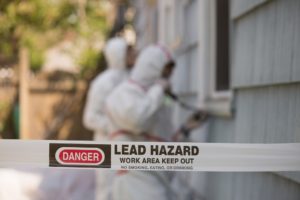
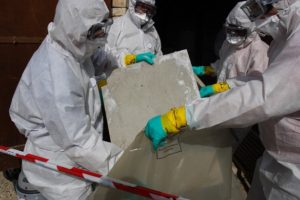
On a typical project, asbestos abatement managers coordinate removal teams, verify proper containment procedures, and ensure all work follows EPA and OSHA guidelines. They assess contamination levels, develop safety protocols, and supervise workers wearing protective equipment. The role requires constant attention to detail—a single breach in containment procedures can expose workers and building occupants to dangerous fibers.
Where Does an Asbestos Abatement Manager Work?
Most asbestos abatement managers work as freelance consultants or on a per-contract basis. For those in regular employment, construction companies provide the most opportunities. This ongoing industry will always need people with qualifications in industrial toxicology. Projects span industrial, commercial, and residential sites, though most buildings that used asbestos in the 1960s and 1970s were commercial or public properties due to their high-volume use.
Managers work in both advisory and on-site capacities. Advisory work includes recommending safety apparel, specifying industrial equipment (such as specialized vacuums that remove asbestos from the air), and identifying appropriate chemicals and scraping tools for removing lead-based paint. On-site work involves direct supervision of removal teams during active abatement projects.
Some asbestos abatement professionals work in dedicated waste management and disposal plants that accept and neutralize hazardous materials through dilution, burial, or recycling. Chemical processing is dangerous work and typically pays more than most other construction jobs. Most are full-time employees, and some—particularly those employed by federal agencies for disaster relief—can expect to be on call or available for overtime on short notice.
Where Is Demand Highest?
Job demand for asbestos abatement managers varies significantly by region. Older cities in the Northeast and Midwest—where construction boomed during the 1960s and 1970s—tend to have higher demand due to the concentration of asbestos-containing buildings. Urban areas undergoing renovation and redevelopment create consistent work opportunities. State and federal government agencies maintain standing needs for professionals with this expertise, particularly for cleanup work following disasters or environmental emergencies.
What Is the Average Asbestos Abatement Manager Salary?
Asbestos abatement managers fall under the broader category of hazardous materials removal workers. Some specialize in toxic materials in manufacturing, others in construction, and still others in the disposal of radioactive material. According to the U.S. Bureau of Labor Statistics, the median annual salary for hazardous materials removal workers was $48,490 in May 2024. The field employed 51,300 workers nationwide.
Salary varies based on experience, certification level, and work setting. Entry-level workers and apprentices earn less than fully trained professionals, with pay increases as they advance through training programs. Geographic location also impacts earnings—areas with higher costs of living and greater demand for abatement services typically offer higher wages.
| Work Setting | Median Annual Salary | Description |
|---|---|---|
| Construction | $54,690 | Highest-paying sector: renovation and demolition projects |
| Remediation & Waste Management | $48,430 | Specialized hazmat removal and cleanup services |
| Waste Treatment & Disposal | $47,610 | Disposal facilities and processing plants |
Experience level significantly affects earnings. Workers in the lowest 10th percentile earn around $37,330 annually, while those in the highest 10th percentile can earn more than $82,480. Senior managers and specialists with extensive certifications typically command the highest salaries.
Asbestos Abatement Jobs & Job Description
Asbestos abatement managers facilitate all aspects of removing asbestos-containing materials from buildings or engage in other practices that eliminate asbestos exposure. While jobs vary from building to building, managers oversee comprehensive removal processes from initial assessment through final clearance testing.
The typical project begins with site assessment and the setup of the containment area. Managers ensure workers seal off the work area to prevent fiber migration to adjacent spaces. They supervise the careful removal of asbestos from surfaces, the collection and packaging of contaminated materials into specialized containers, and the transport of sealed waste to approved disposal facilities. Throughout the project, they maintain strict adherence to safety protocols and regulatory requirements.
Core responsibilities for asbestos abatement managers include:
- Cleaning up construction sites by removing asbestos from surfaces
- Assembling scraps and placing them into specialized containment systems and vehicles for removal
- Sealing work areas to prevent contamination of natural resources and adjacent buildings
- Supervising the removal and disposal of asbestos materials according to EPA and OSHA regulations
- Removing and disposing of lead paint and other toxic materials
- Following project plans and adhering to benchmarks while maintaining complete safety compliance
- Verifying appropriate tools and procedures for each specific job
- Maintaining 100% safety standards and regulatory accountability across all areas
- Reporting and addressing all potential safety concerns, incidents, and issues promptly
- Demonstrating proficient working knowledge of response-related equipment, policies, and procedures
Senior Manager Responsibilities
Senior asbestos abatement managers typically earn their positions through years of field experience and demonstrated leadership. Their role expands beyond direct oversight to include strategic planning, regulatory compliance, and team development. Similar to environmental health and safety managers, they often coordinate multiple projects simultaneously.
Additional responsibilities for senior managers include:
- Evaluating and provisioning materials, tools, and personnel for upcoming projects
- Remaining current with evolving U.S. Environmental Protection Agency and Occupational Safety and Health Administration regulations
- Operating light and heavy equipment such as pumps, vacuum systems, oil spill boom equipment, generators, air compressors, bobcats, excavators, and forklifts
- Interacting effectively with all stakeholders, including building owners, contractors, and regulatory agencies
- Supervising multiple project sites simultaneously
- Evaluating and approving Work Plans and site Health and Safety Plans (HASP) for assignments and projects
- Developing, leading, and participating in training courses focused on occupational safety and environmental regulations.
- Mentoring junior staff and providing technical, interpersonal, and administrative support to field work groups
What Is the Job Demand for Asbestos Abatement Managers?
Employment of hazardous materials removal workers is projected to grow 1% from 2024 to 2034, which is slower than the average for all occupations. This translates to approximately 500 new jobs over the decade, bringing total employment from 51,300 in 2024 to 51,800 by 2034. Despite limited employment growth, approximately 5,000 job openings are projected each year. Most openings result from the need to replace workers who transfer to different occupations or retire.
Several factors influence job demand. The construction industry's health directly affects available positions—economic growth in construction typically means more renovation and demolition projects that require abatement services. The extent to which older asbestos and lead-containing buildings undergo redevelopment or demolition also affects demand. State and federal government agencies consistently need professionals with this expertise for cleanup work, particularly following environmental disasters.
Job security in this field remains relatively stable due to the extensive inventory of existing asbestos-containing buildings. As nuclear plants undergo decommissioning, professionals trained in decontamination procedures will be needed to handle radioactive materials and facility cleanup. However, some decommissioning activities have been delayed by recent extensions of site licenses.
Challenges of the Role
Asbestos abatement management is physically demanding and inherently risky. Workers often spend extended periods in confined spaces, at significant heights, or in extreme temperatures. Protective equipment—including full-body suits, respirators, and multiple layers of protective clothing—can be uncomfortable during long shifts, particularly in summer heat or poorly ventilated spaces.
The work involves genuine health risks despite stringent safety protocols. Managers must maintain constant vigilance because exposure to asbestos fibers can cause serious illness years or decades after the fact. The job also demands emotional resilience—workers face pressure to complete projects on schedule while never compromising safety standards. Emergency response work may require extended periods away from home during disaster cleanup operations.
Physical demands include frequent bending, stooping, lifting heavy equipment, and working in awkward positions. The job requires excellent physical fitness and the ability to work in challenging environments. Mental stress comes from the responsibility of protecting worker safety and public health while managing project timelines and regulatory compliance.
What Are the Education Requirements to Become an Asbestos Abatement Manager?
For most entry-level positions, a high school diploma is the minimum requirement. However, workers must complete mandatory on-the-job training that includes education in Occupational Safety & Health Administration (OSHA) standards. Upon completion, workers in some states need full licensure before handling hazardous materials in practice.
Most training occurs on the job under the supervision of experienced supervisors. A college degree is not necessary for most positions, though a background in chemistry, public health, or environmental science proves helpful for advancement to executive roles. Workers typically complete 40 hours of OSHA-required training covering hazardous materials handling, safety procedures, and regulatory compliance.
Certification and Licensing Requirements
Certification requirements vary significantly by state. Many states require specific asbestos abatement licenses or permits for workers and supervisors. The licensing process typically involves:
- Completing an EPA-approved training course (32 to 40 hours for supervisors)
- Passing a written examination on asbestos safety and regulations
- Maintaining annual continuing education requirements
- Renewing licenses periodically (usually every one to three years)
States with stringent requirements include California, New York, Massachusetts, and Illinois. Workers planning to operate across state lines should research specific requirements for each jurisdiction. Federal facilities follow EPA regulations regardless of state requirements.
Career Advancement Pathways
Career progression in asbestos abatement typically follows this path: entry-level worker → certified technician → crew supervisor → project manager → senior manager or consultant. Advancement requires demonstrated competence, additional certifications, and leadership skills.
Professionals who pursue additional education in environmental health, safety management, or related fields open doors to broader career opportunities. Many experienced abatement managers transition into roles as independent consultants, regulatory compliance specialists, or corporate safety directors. Some pursue positions with government environmental agencies, leveraging their field experience into policy and enforcement roles.
Asbestos Abatement - Related Degrees
What Kind of Societies and Professional Organizations Do Asbestos Abatement Managers Have?
Asbestos and hazardous material abatement is a critical area of construction and pollution control. Several professional organizations provide resources, training, and networking opportunities:
- EPA (Environmental Protection Agency): The largest environmental organization of its kind in the USA. The EPA oversees asbestos mitigation and provides comprehensive information to homeowners and construction managers on proper mitigation procedures.
- AIHA (American Industrial Hygiene Association): The world's largest professional organization dedicated to maintaining the highest quality standards for industrial hygiene, including the treatment of toxic materials. Founded in 1938, AIHA offers certification programs, continuing education, and technical resources.
- OSHA (Occupational Safety and Health Administration): Sets and enforces protective workplace safety and health standards. OSHA provides essential training requirements and regulatory guidance for asbestos abatement work.
Frequently Asked Questions
What qualifications do I need to become an asbestos abatement manager?
You need a high school diploma or equivalent, completion of 32-40 hours of EPA-approved asbestos abatement training, and passing scores on certification exams. Many states require specific licenses. Most managers start as entry-level workers and advance through several years of hands-on experience before moving into management roles. Strong leadership skills, attention to detail, and thorough knowledge of OSHA and EPA regulations are essential.
Is asbestos abatement dangerous work?
Yes, asbestos abatement carries inherent health risks, which is why extensive safety protocols are in place. Workers wear complete protective equipment, including respirators, protective suits, and gloves. When proper procedures are followed and safety equipment is used correctly, risks are significantly minimized. The danger comes from potential long-term exposure to asbestos fibers, which can cause severe respiratory diseases years after exposure. This is why training, certification, and strict adherence to safety protocols are absolutely critical.
How long does it take to become licensed?
The licensing timeline varies by state, but typically, workers can complete initial certification in 4-6 weeks. This includes completing the 32-40 hour EPA-approved training course and passing the certification exam. However, most states require hands-on experience under a licensed supervisor before you can work independently. The full path from entry-level worker to licensed manager typically takes 2-3 years of field experience.
Do I need a college degree for this career?
No, a college degree is not required for entry-level positions or even most management roles in asbestos abatement. A high school diploma and proper certifications are sufficient to start and build a successful career. However, a degree in environmental science, public health, chemistry, or occupational safety can be advantageous for advancement to senior management positions or for transitioning into consulting, regulatory compliance, or corporate safety roles.
Where is the demand highest for asbestos abatement managers?
Demand is highest in older cities and metropolitan areas—particularly in the Northeast and Midwest—where buildings constructed during the 1960s and 1970s asbestos boom are concentrated. Areas experiencing significant urban redevelopment, renovation activity, or demolition projects create the most opportunities. Government facilities, schools, and commercial buildings in these regions regularly require abatement services during renovation or before demolition.
Key Takeaways
- Role & Responsibilities: Asbestos abatement managers oversee the safe removal of asbestos from buildings during demolition, remodeling, or renovation projects, ensuring compliance with EPA and OSHA regulations throughout the process.
- Salary & Employment: Median annual salary is $48,490 (May 2024), with 51,300 jobs nationwide. The construction sector pays the highest at $54,690, while waste treatment averages $47,610. Top earners make over $82,480 annually.
- Job Outlook: Employment is projected to grow 1% from 2024 to 2034 (adding 500 jobs), with approximately 5,000 annual openings, primarily due to worker replacement rather than industry expansion.
- Education Requirements: High school diploma minimum with mandatory 32-40 hours of EPA-approved OSHA training and state-specific licensing; college degree helpful for management advancement but not required.
- Work Environment: Split between construction sites, waste disposal facilities, and advisory consulting; physically demanding with strict safety protocols and potential for extended travel during emergency response situations.


Ready to explore a career in environmental health and safety? Discover degree programs that can help you build expertise in hazardous materials management and occupational safety.

2024 US Bureau of Labor Statistics salary and job growth figures for hazardous materials removal workers reflect national data, not school-specific information. Conditions in your area may vary. Data accessed January 2026.