

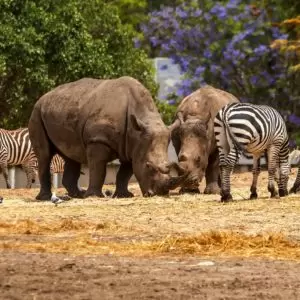
Zoology is the scientific study of animal life, covering anatomy, behavior, evolution, and ecology across 2 million species. This diverse field offers career paths from wildlife research to conservation, with zoologists typically earning between $63,420 and $95,430, though salaries may range from $42,420 to over $103,000 depending on experience and specialization. Students typically need a bachelor's degree in biology or zoology, with specializations in marine biology, entomology, or wildlife management.
Biological life on planet Earth is undoubtedly immense, and the subject that studies it – biology – is such a vast area that no graduate could hope to understand all of it. That's where zoology comes in. As one of biology's most dynamic branches, zoology offers students a focused path into understanding animal life while opening doors to meaningful careers in research, conservation, and education.
If you're considering zoology as your academic focus, you're looking at a field that's both scientifically rigorous and deeply rewarding. Zoologists examine every aspect of animal life – from microscopic organisms to massive marine mammals. They study animal anatomy, ecology, fetal development, evolution, distribution, habits, diet, and each species' place in the food chain. But zoology isn't limited to living animals; some researchers focus on extinct species, while others explore how animals interact with humans in our changing world.
Jump to Section
- History of Zoology
- Sub-Disciplines of Zoology
- Modern Challenges
- Frequently Asked Questions
- Key Takeaways
The term "zoology" comes from ancient Greek through Latin. "Zōion" (shortened to "zoo") simply means "animal," while "ology" comes from "logos," meaning study or knowledge. Whether you're drawn to studying a specific species or interested in broader ecological patterns, zoology provides the foundation for understanding our planet's incredible animal diversity.
History of Zoology
Understanding the evolution of zoology helps explain why it's become such a vital field for today's environmental challenges. Let's explore how this science developed from practical animal husbandry into the sophisticated discipline that drives modern conservation efforts.
Ancient Societies
As with botany and several other biological sciences, zoology began not as a pure academic study but from practical necessity. Ancient societies initially viewed animal study through the lens of utility – understanding livestock reproduction, preventing disease, and improving agricultural outcomes. This early work, essentially the history of early agriculture, laid the groundwork for systematic animal observation.
However, pure scientific curiosity emerged with Aristotle, whose broad interests effectively launched biology as we know it. While his botanical work is well-documented, his zoological contributions were equally groundbreaking. He studied biological functions, commenting on metabolism, temperature regulation, reproduction, and inherited traits. His comprehensive research on the island of Lesbos included classification systems, dissection techniques, and habitat analysis that informed zoological thinking for millennia.
Later, Galen expanded on this foundation, developing anatomical and physiological understanding that advanced both human medicine and animal science. Their combined work established the philosophical framework that evolved into Natural Theology under Christianity, influencing zoological thought right up to Darwin's revolutionary theories.
Medieval Europe and the Middle East
While Western Europe's post-Roman period saw limited scientific advancement, the Islamic Middle East preserved and expanded upon Classical knowledge during the Islamic Golden Age (8th-16th centuries). Scholars like al-Jahiz formulated early evolutionary concepts, while physicians Avicenna and Averroes advanced physiological understanding that benefited both human medicine and zoological research.
Medieval Europe wasn't entirely dormant scientifically. Figures like Hildegard of Bingen contributed to natural history writing, though there is limited evidence of formal taxonomic system development, while Albertus Magnus argued that science and religion were compatible – a crucial philosophical breakthrough that allowed systematic animal study to flourish.
Renaissance and Enlightenment
The Renaissance transformed zoology from a collection-based pursuit into a systematic scientific study. As explorers brought exotic animals from the Americas and other distant lands, researchers moved beyond simple description to comparative analysis. This period saw the fusion of art and science through figures like Leonardo Da Vinci and Albrecht Dürer, whose detailed anatomical drawings advanced understanding of animal mechanics and physiology.
The invention of the microscope marked zoology's next great leap forward. When Antony van Leeuwenhoek perfected early microscopy, researchers could finally study insects and other small organisms in detail, eventually leading to discoveries of cells, bacteria, and viruses. Meanwhile, the growing collection of fossilized remains challenged existing beliefs and eventually led to paleontology – a fascinating crossover between zoology and geology.
Enter Darwin
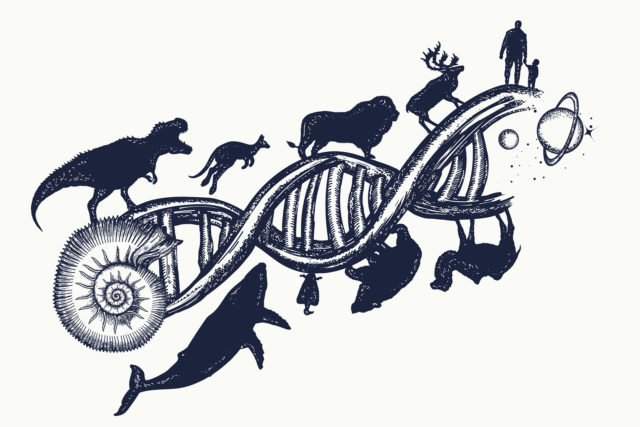
Charles Darwin's 1859 publication of *On the Origin of Species* revolutionized every biological science, including zoology. Before Darwin, zoologists focused primarily on animal physiology, taxonomy, and natural history. But Darwin's work forced the field to grapple with deeper questions: the origin of life, natural selection, common ancestry, and the possibility that all life shares fundamental connections.
This paradigm shift opened new research areas, including biogeography, biodiversity studies, and environmental impact analysis. Ecology emerged as a related field, while zoology began its crucial partnerships with environmental science. Darwin's impact extended beyond changing scientific methods – he fundamentally altered how we think about science itself.
What of Zoology Today?
Modern zoology has evolved far beyond simple animal study into a multidisciplinary field that addresses some of our most pressing environmental challenges. Today's zoologists work at the intersection of genetics, ecology, conservation biology, and microbiology. When Gregor Mendel discovered genetic inheritance, zoology took on its current form – one that considers not just individual animals but entire ecosystems and their complex relationships.
The field now emphasizes relationships and systems thinking. Big data analytics help researchers understand migration patterns, population dynamics, and species interactions on a global scale. As environmental concerns grow, zoologists increasingly collaborate with conservation biologists, policy makers, and educators to protect biodiversity and maintain ecological balance.
Sub-Disciplines of Zoology
With approximately 2 million known animal species (and countless more awaiting discovery), no single zoologist can study them all. That's why the field divides into specialized subdisciplines, each focusing on particular animal groups, research approaches, or applications. Here's your guide to zoology's major branches and the career paths they offer.
| Subdiscipline | Focus Area | Career Applications | Education Needed |
|---|---|---|---|
| Marine Zoology | Ocean and aquatic life | Aquarium research, conservation, fisheries | Bachelor's in Marine Biology |
| Entomology | Insect species | Pest management, agriculture, research | Bachelor's in Biology/Entomology |
| Mammalogy | Mammalian species | Wildlife management, zoos, research | Bachelor's in Zoology/Wildlife Biology |
| Ornithology | Bird species | Conservation, research, education | Bachelor's in Biology/Ornithology |
| Herpetology | Reptiles and amphibians | Research, zoos, conservation | Bachelor's in Biology/Herpetology |
Animal Physiology
This foundational subdiscipline examines how animal bodies function, from cellular processes to major organ systems. Animal physiologists study metabolism, nutrition, reproduction, and disease pathology across species. This knowledge is essential to veterinary science, conservation efforts, and understanding how environmental changes affect animal health. Career opportunities include research positions, veterinary support roles, and conservation biology.
Animal Science
While other branches of zoology focus on wild animals, Animal Science focuses on livestock and domestic animals. Also known as animal biosciences or animal husbandry, this field encompasses farm animal health, production management, and companion animals. Animal scientists work in agriculture, pet therapy programs, and conservation, applying their understanding of animal-human relationships to promote both animal welfare and sustainable practices.
Animal Taxonomy
How do we classify the platypus – a mammal that lays eggs? Taxonomists answer such questions by developing classification systems that help researchers understand evolutionary relationships. This work becomes increasingly important as we discover new species and refine our understanding of genetic connections between animal groups. Taxonomists work in museums, research institutions, and conservation organizations.
Anthrozoology
This interdisciplinary field combines zoology with anthropology to study human-animal interactions throughout history. Anthrozoologists examine everything from ancient domestication processes to the effectiveness of modern pet therapy. They use both scientific data and cultural analysis to understand how these relationships have evolved and continue to change. Career paths include research, development of animal-assisted therapy programs, and policy work.
Entomology
Insects represent the most diverse animal class, making entomology one of zoology's largest subdisciplines. The field further divides into specialized areas like:
Coleopterology: Beetle species research
Dipterology: Flies, gnats, and mosquitoes
Lepidopterology: Moths and butterflies
Melittology: Bee species and pollination
Myrmecology: Ant behavior and ecology
Entomologists work in agriculture (pest management), conservation (pollinator protection), public health (disease vector control), and research institutions.
Marine Zoology
Our oceans contain incredible animal diversity, from microscopic organisms to massive whales. Marine biologists specializing in zoology study fish (ichthyology), marine mammals (cetology), and other ocean life. With growing concerns about ocean acidification and climate change, marine zoologists play crucial roles in conservation efforts, fisheries management, and aquarium education programs.
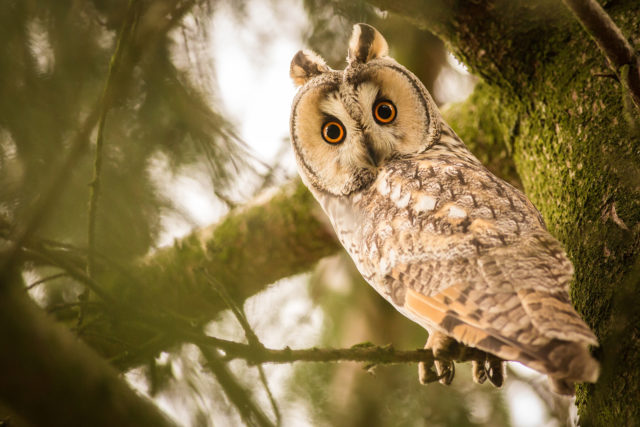
Ornithology
Bird researchers benefit from extensive "citizen science" support, as birdwatchers worldwide contribute migration and population data. This makes ornithology particularly collaborative, combining professional research with public engagement. Ornithologists work in conservation (protecting endangered species), research (studying migration patterns), and education (museum and nature center programs).
Paleozoology
Combining geology, paleontology, and zoology, paleozoologists study extinct animal species through fossil evidence. Modern paleozoology goes beyond simple species identification to examine ancient ecosystems, climate impacts, and evolutionary patterns. This work helps us understand how current environmental changes might affect today's animal populations.
Primatology
Primate researchers study our closest evolutionary relatives, from lemurs to great apes. This field provides insights into human evolution, behavior, and cognition while addressing urgent conservation needs. Many primate species face extinction due to habitat loss, making this work both scientifically fascinating and critically important.
What Issues and Challenges Face Modern Zoology?
Today's zoologists tackle complex challenges that go far beyond traditional animal study. Climate change, habitat destruction, and evolving ethical standards create both obstacles and opportunities for the field.
Conservation and Ecology Integration
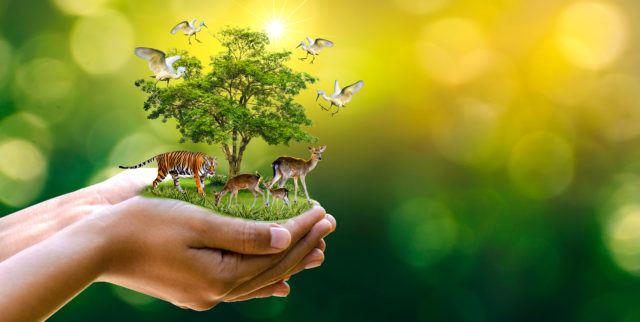
Modern zoology increasingly focuses on conservation applications. Researchers now study entire ecosystems rather than individual species, recognizing that animals exist within complex webs of relationships involving plants, predators, prey, and human activities. This systems approach requires collaboration with ecologists, policy makers, and conservation biologists.
The challenge lies in conducting meaningful research while minimizing ecological disruption. Studying endangered species requires careful protocols to avoid further stress on vulnerable populations, while research in conflict zones or politically sensitive areas adds additional complexity.
Climate Change Impacts
Climate change creates cascading effects throughout animal populations. Changing temperatures alter migration patterns, breeding cycles, and food availability. Ocean acidification affects marine ecosystems, while extreme weather events disrupt established habitats.
Zoologists now document these changes while also predicting future impacts. This dual role – scientist and environmental sentinel – requires new skills in data modeling, policy communication, and public education.
Technological Integration
Big data analytics, GPS tracking, and genetic sequencing technologies offer unprecedented research capabilities. However, integrating these tools effectively requires new skill sets that many traditional zoology programs don't yet emphasize. Students entering the field need technical training alongside biological knowledge.
Evolving Ethical Standards
Modern zoos, aquariums, and research institutions face increasing scrutiny regarding animal welfare. Facilities that once focused primarily on exhibition now emphasize conservation, education, and research. This evolution requires zoologists to balance scientific inquiry with ethical treatment of animals, often working within strict protocols that limit certain research approaches.
Frequently Asked Questions
What is zoology?
Zoology is the branch of biology that focuses specifically on animal life. Zoologists study animal anatomy, behavior, evolution, ecology, and interactions with their environment. The field covers everything from microscopic organisms to large mammals, including both living and extinct species.
Why is zoology important?
Zoology provides essential knowledge for conservation efforts, medical research, agriculture, and understanding ecosystem health. As we face climate change and biodiversity loss, zoologists help identify endangered species, develop protection strategies, and understand how environmental changes affect animal populations.
What careers can you get with zoology?
Zoology graduates work as research scientists, conservation biologists, zoo educators, wildlife managers, and museum curators. Many also pursue veterinary medicine, environmental consulting, or science communication. Government agencies, nonprofits, educational institutions, and private companies all employ zoologists.
How do you become a zoologist?
Most zoologist positions require at least a bachelor's degree in biology, zoology, or a related field. Research positions typically need a master's or doctoral degree. During college, students should gain hands-on experience through internships, research projects, and volunteer work with wildlife organizations or zoos.
What animals do zoologists study?
Zoologists study the entire animal kingdom, from insects and fish to birds and mammals. Many specialize in particular groups – marine biologists focus on ocean life, entomologists study insects, and ornithologists research birds. The specialization often depends on the researcher's interests and career goals.
Key Takeaways
- Diverse Career Pathways: Zoology offers specializations from marine biology to wildlife management, with entry-level positions available with a bachelor's degree and research roles requiring advanced degrees.
- Strong Job Market: The Bureau of Labor Statistics projects 5% growth for zoologists through 2032, with median salaries ranging from $63,420 to $95,430 depending on specialization and experience level.
- Conservation Focus: Modern zoology emphasizes ecosystem preservation and climate change research, making graduates essential for environmental protection efforts worldwide.
- Interdisciplinary Approach: Today's zoologists collaborate with ecologists, data scientists, and policy makers, requiring both traditional biological knowledge and modern technical skills.
- Hands-On Learning: Successful zoology careers require practical experience through internships, research projects, and volunteer work alongside academic study.
Ready to explore zoology degree programs? Discover accredited programs that align with your interests in animal research, conservation, or wildlife management.

- What Is Parasitology? The Science of Parasites Explained - November 19, 2018
- Desert Ecosystems: Types, Ecology, and Global Importance - November 19, 2018
- Conservation: History and Future - September 14, 2018
Related Articles



Featured Article
What Environmental Data Tells Us About Greenland’s Viking Collapse