An ichthyologist is a specialized biologist who studies fish species, their behavior, ecology, and evolutionary history. These fish scientists earned a median salary of $70,280 in 2024, working for government agencies, research institutions, universities, and conservation organizations. The field is projected to grow about 4% through 2032, according to the U.S. Bureau of Labor Statistics, driven by climate change research, aquaculture development, and conservation efforts. Most independent research positions require a PhD, though entry-level roles are available with a bachelor's or master's degree.
If you've ever watched fish behavior in an aquarium and wondered about their social structures, migration patterns, or evolutionary adaptations, you're thinking like an ichthyologist. Ichthyology—the scientific study of fish—offers a specialized career path within the broader field of zoology, focusing exclusively on the most diverse group of vertebrates on Earth.
With over 34,000 known fish species inhabiting every aquatic environment from mountain streams to ocean trenches, ichthyologists play a critical role in understanding aquatic ecosystems, managing fisheries sustainably, and protecting endangered species. Let's explore what this specialized career involves and how you can pursue it.
What Does an Ichthyologist Do?
Ichthyologists study fish species in depth, though most specialize in one particular family—perhaps salmon, cichlids, or deep-sea species. They focus on biological history, behavior patterns, growth rates, ecological roles, and evolutionary relationships.
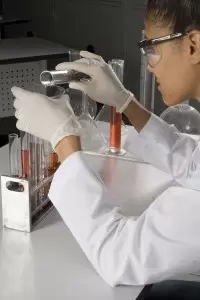
The work balances field research with laboratory analysis. You'll spend time collecting samples and observing fish behavior in rivers, lakes, oceans, or even fish farms, then return to analyze your data using advanced computer programs, genetic sequencing equipment, and specialized lab tools.
If you work at a university, expect teaching responsibilities alongside research—typically lecturing on ichthyology, aquatic ecology, or zoology courses. Many ichthyologists also dedicate time to public education and conservation advocacy, helping policymakers and communities understand why fish populations matter to ecosystem health.
Core Research Responsibilities
Here's what you can expect in day-to-day research activities:
- Plan and coordinate fish population assessments and stock surveys
- Act as advocate and spokesperson for fish conservation within your specialty area
- Network with other researchers, fisheries managers, and advocacy groups to preserve and monitor habitats
- Prepare scientific reports, research papers, and presentations for stakeholders, policymakers, and the public
- Collect fish samples and conduct research in both laboratory and field settings
- Ensure data collection follows rigorous scientific protocols and safety procedures
- Contribute data to national databases for collaborative research efforts
- Stay current with scientific literature in ichthyology and related fields
- Implement habitat restoration strategies and monitor water quality impacts
- Consult on environmental assessments for development projects affecting aquatic habitats
- Prepare for temporary field assignments in remote locations, sometimes for extended periods
Specialization Areas Within Ichthyology
Most ichthyologists develop expertise in specific areas:
- Freshwater vs. Marine: Specializing in rivers and lakes versus ocean environments
- Taxonomic Focus: Concentrating on particular fish families (salmonids, cichlids, sharks, etc.)
- Geographic Specialization: Becoming an expert in fish species of specific regions
- Research Approach: Behavioral ecology, conservation biology, evolutionary biology, or fisheries science
- Applied vs. Pure Research: Working on practical fisheries management versus theoretical evolutionary questions
Managerial and Leadership Duties
As you advance in your career, you'll likely take on additional responsibilities:
- Prioritizing and planning research expeditions and field trips
- Presenting findings to cross-disciplinary teams and external stakeholders
- Coordinating peer-review sessions for research improvement and methodology refinement
- Developing budgets and timelines for research projects
- Serving as primary contact for collaborative data-sharing initiatives
- Participating in agency working groups to provide scientific peer review
- Conducting initial reviews of fisheries stock assessments
- Coordinating multi-disciplinary aquatic ecosystem projects
- Managing data collection, interpretation, analysis, and reporting workflows
- Navigating environmental regulations and permit approval processes
- Designing erosion control and habitat restoration systems
Where Does an Ichthyologist Work?
Ichthyologists work in varied settings depending on their specialization and employer. Most split their time between outdoor fieldwork and laboratory or office analysis, creating a diverse work experience that keeps the career engaging.
Fieldwork often requires extended periods in remote areas—sometimes weeks or months conducting population surveys, tagging fish, or monitoring spawning behavior. You should feel comfortable with solitude, physical challenges, and unpredictable weather conditions. Whether you're wading through mountain streams, diving on coral reefs, or working from research vessels, field conditions can be demanding but rewarding.
Lab work brings different demands. You'll use advanced software for genetic analysis, create detailed morphological descriptions, analyze population data, and compose research reports. Those working in natural history museums may prepare specimens, curate collections, present research findings to the public, and advocate for fish conservation through educational programs.
Common employers include:
- Government Agencies: NOAA Fisheries, U.S. Fish and Wildlife Service, state wildlife departments
- Universities: Research and teaching positions, often combining both responsibilities
- Museums: Natural history museums with ichthyology collections
- Private Research Institutions: Conservation organizations, aquaculture companies, environmental consulting firms
- Aquariums and Zoos: Research, husbandry, and education roles
Most ichthyologists work full-time, though field seasons may require long hours or irregular schedules. Teaching positions typically follow academic calendars with field research concentrated during summer months.
What Is the Average Ichthyologist's Salary?
Ichthyologists fall under the Bureau of Labor Statistics category of zoologists and wildlife biologists. According to the most recent BLS data, these professionals earned a median annual salary of $70,280 as of May 2024.
| Percentile | Annual Salary |
|---|---|
| Lowest 10% | $44,270 |
| Median (50th Percentile) | $70,280 |
| Highest 10% | $107,940 |
Salary varies significantly based on several factors:
- Education Level: PhD holders typically earn 20-30% more than those with master's degrees
- Experience: Entry-level positions start around $45,000-$50,000, while senior researchers earn $90,000-$120,000+
- Employer Type: Federal government positions often offer higher base salaries than academic roles, though universities provide other benefits like tenure and research autonomy
- Geographic Location: Coastal states and regions with major research institutions typically pay more
- Specialization: Applied fisheries management roles may offer different compensation than pure research positions
Many ichthyologists work for state and federal government agencies, though others find positions with private research institutions, universities, museums, and conservation organizations. Academic positions often include benefits such as sabbatical opportunities, research grant funding, and the ability to mentor graduate students.
What Is the Job Demand for Ichthyologists?
The Bureau of Labor Statistics projects employment for zoologists and wildlife biologists to grow about 4% through 2032, according to the U.S. Bureau of Labor Statistics, which is about as fast as the average for all occupations. This translates to approximately 1,500 new positions annually across all zoology and wildlife biology roles, based on BLS estimates.
For ichthyologists specifically, job prospects are influenced by several growing concerns. Climate change is dramatically affecting aquatic ecosystems—from ocean acidification to shifting fish populations and altered migration patterns. This creates increased demand for fish scientists who can study these changes and inform conservation policy.
The expanding aquaculture industry also needs ichthyologists to improve breeding programs, manage fish health, and develop sustainable farming practices. Meanwhile, ongoing conservation efforts for endangered fish species require specialists who understand the biology and habitat needs of specific species.
However, competition for positions remains strong, especially for desirable research roles at universities and major research institutions. Most entry-level positions require at least a master's degree, and independent research careers typically require a PhD. Consider that full-time ichthyology positions are relatively rare compared to broader aquatic biology or general zoology roles.
What Are the Education Requirements to Become an Ichthyologist?
Becoming an ichthyologist requires substantial education and dedication. Here's the typical pathway and what you need to know at each stage:
| Degree Level | Typical Duration | Career Access | Key Focus |
|---|---|---|---|
| Bachelor's Degree | 4 years | Entry-level positions (field technician, lab assistant, aquarium staff) | Foundation in biology, ecology, chemistry, and research methods |
| Master's Degree | 2-3 years | Research positions, fisheries management, conservation roles | Specialized coursework, original research thesis, field experience |
| Doctoral Degree (PhD) | 4-6 years | Independent research, university faculty, senior scientist positions | Original research, dissertation, teaching experience, publications |
Bachelor's Degree: Building Your Foundation
Start with a bachelor's degree in marine biology, zoology, biology, ecology, or a related field. Your coursework should include:
- General biology and zoology
- Ichthyology (if offered—not all programs have this specialty course)
- Ecology and evolution
- Aquatic biology or limnology
- Chemistry (general and organic)
- Statistics and data analysis
- Physics (especially fluid dynamics for understanding aquatic environments)
- Scientific writing and research methods
Gain hands-on experience through undergraduate research opportunities, internships with fisheries agencies, or volunteer work at aquariums or marine laboratories. This practical experience is crucial for graduate school applications.
Graduate Degrees: Specialization and Research
A master's degree opens doors to more advanced positions and typically requires writing a research thesis on a specific topic in ichthyology. You'll gain deeper expertise in fish taxonomy, physiology, ecology, or conservation while building research and field skills.
Most ichthyologists find that a PhD is necessary for the best career opportunities—especially university faculty positions, principal investigator roles, or leadership positions at research institutions. Doctoral programs require:
- Original research contributing new knowledge to the field
- Comprehensive exams demonstrating mastery of ichthyology and related disciplines
- Dissertation based on multiple years of focused research
- Publications in peer-reviewed scientific journals
- Teaching experience as a graduate instructor or teaching assistant
- Presentation of research at professional conferences
Graduate school applications typically require strong GRE scores (if required by the program), letters of recommendation from research mentors, a statement of research interests, and evidence of research experience.
Essential Skills Beyond the Classroom
Academic credentials alone aren't enough. Successful ichthyologists also develop:
- Outdoor and Field Skills: Swimming proficiency, SCUBA certification (for marine researchers), boat operation, wilderness survival, comfort in challenging weather and remote locations
- Technical Skills: Advanced statistical software (R, SAS), GIS mapping, genetic analysis techniques, database management
- Physical Stamina: Field work can be physically demanding—hiking with equipment, working in water, carrying gear
- Patience and Observation: Fish behavior studies require hours of careful watching and detailed note-taking
Consider the following questions to guide your educational path:
- Are you more interested in pure research (evolutionary biology, taxonomy) or applied science (fisheries management, conservation)?
- Do you prefer freshwater or marine environments?
- Are you willing to commit to the 8-10 years of higher education typically required for research independence?
- Can you handle extended periods of fieldwork in remote or challenging conditions?
Other Degrees Related to Ichthyology
What Skills Do You Need to Become an Ichthyologist?
Beyond formal education, ichthyologists need a diverse skill set that combines technical expertise, physical capabilities, and interpersonal skills. Here's what the career demands:
Technical and Scientific Skills
- Fish Identification and Taxonomy: Ability to identify hundreds of species by sight and distinguish subtle morphological differences
- Data Analysis: Statistical modeling, population dynamics analysis, proficiency with R, Python, or specialized fisheries software
- GIS and Mapping: Creating habitat maps, tracking migration patterns, analyzing spatial data
- Genetic Analysis: DNA sequencing techniques, understanding phylogenetic relationships, molecular ecology methods
- Scientific Writing: Publishing research papers, writing grant proposals, preparing technical reports
- Research Design: Developing testable hypotheses, designing experiments, controlling variables
Field and Physical Skills
- Swimming and Diving: Strong swimming ability; SCUBA certification for marine research
- Boat Operation: Small boat handling, navigation, and equipment deployment from vessels
- Sample Collection: Various netting techniques, electrofishing (for freshwater), fish handling and measurement
- Equipment Maintenance: Caring for field gear, calibrating instruments, and troubleshooting technical problems
- Physical Endurance: Hiking with heavy equipment, working in water for extended periods, tolerance for heat, cold, and weather extremes
- Wilderness Skills: Camping, basic first aid, navigation, and comfort working alone in remote areas
Laboratory Skills
- Microscopy: Examining fish tissues, otoliths (ear bones used for age determination), parasites
- Specimen Preparation: Preserving samples, creating museum collections, photography, and documentation
- Dissection and Anatomy: Understanding fish physiology through hands-on examination
- Water Quality Analysis: Testing temperature, dissolved oxygen, pH, and chemical parameters
- Computer Modeling: Population modeling, habitat suitability analysis, climate impact projections
Professional and Interpersonal Skills
- Communication: Explaining complex science to non-scientists, public speaking, teaching
- Collaboration: Working with interdisciplinary teams, coordinating with fisheries managers and policymakers
- Patience and Attention to Detail: Behavioral observations require focus; data collection demands precision
- Problem-Solving: Adapting when field conditions change, or equipment fails
- Time Management: Balancing field work, lab analysis, writing, and teaching responsibilities
- Grant Writing: Securing research funding through competitive proposal processes
What Kind of Societies and Professional Organizations Do Ichthyologists Have?
Joining professional organizations provides valuable networking opportunities, access to current research, and career development resources. Consider these organizations:
- American Society of Ichthyologists and Herpetologists (ASIH) – This professional society disseminates information about ichthyology and herpetology through specialized publications, annual conferences, and symposiums. They encourage students to enter these fields through mentorship programs, student awards, and reduced membership rates. The society publishes the journal Copeia, a leading publication in fish and amphibian research.
- Zoological Association of America (ZAA) – This organization promotes wildlife conservation, brings zoological professionals from all specializations together, and provides ethical guidance for those conducting zoological research. The ZAA offers professional resources for all zoologists, including ichthyologists working in aquariums, zoos, or conservation programs.
- Association of Zoos & Aquariums (AZA) – This non-profit organization provides extensive resources for zoos and aquariums, particularly regarding conservation, scientific research, and public education. They offer continuing education, professional development, and networking opportunities that keep members up to date on conservation best practices and public engagement techniques. This resource is especially valuable for ichthyologists working in public aquariums or zoo settings.
These organizations typically offer student memberships at reduced rates, making them accessible even before you complete your education. Attending annual conferences allows you to present your research, learn about cutting-edge studies, and meet potential graduate advisors or employers.
Frequently Asked Questions
What does an ichthyologist do on a typical day?
A typical day varies greatly by season and specialization. During field seasons, you might spend all day on a research vessel collecting samples, tagging fish, or recording behavioral observations. During lab seasons, you'll analyze data, write research papers, examine specimens under microscopes, and prepare presentations. Academic ichthyologists also teach classes, meet with graduate students, and write grant proposals. Museum ichthyologists may divide time between specimen curation, research, and public education programs.
What is an ichthyologist, and how is it different from a marine biologist?
An ichthyologist specifically studies fish, while marine biologists study all ocean life—including fish, but also invertebrates, marine mammals, plankton, algae, and entire ocean ecosystems. Ichthyology is actually a specialization that can focus on either marine fish or freshwater fish. Think of it this way: all fish-focused marine biologists are ichthyologists, but not all ichthyologists are marine biologists (some study freshwater fish exclusively). Marine biology is broader; ichthyology is deeper expertise in one taxonomic group.
How do I become an ichthyologist?
Start with a bachelor's degree in biology, zoology, marine biology, or ecology—focusing on coursework in ichthyology, aquatic ecology, and evolution. Gain research experience through undergraduate opportunities, internships with fisheries agencies, or aquarium work. Most positions require at least a master's degree, so plan to attend graduate school where you'll specialize in ichthyology through focused coursework and a research thesis. For independent research careers or university faculty positions, you'll typically need a PhD, which requires 4-6 additional years of intensive research, publications, and dissertation work.
What degree do I need for ichthyology?
Entry-level positions (field technician, lab assistant) require a bachelor's degree in biology, zoology, or marine biology. However, most professional ichthyologist positions require a master's degree, which allows you to conduct research and manage field projects. If you want to lead your own research program, become a university professor, or direct a research lab, you'll need a PhD in ichthyology, zoology, or a related field. The PhD is the standard credential for independent research careers and typically takes 4-6 years beyond the master's degree.
Do ichthyologists make good money?
Ichthyologists earn competitive salaries for biological science careers. The median annual salary is approximately $70,280 as of 2024, with entry-level positions starting around $44,000-$50,000 and experienced researchers earning $90,000-$120,000+. Federal government positions often pay more than academic roles, though universities offer other benefits like research autonomy, sabbaticals, and the ability to mentor students. Salary also varies by location—coastal regions and areas with major research institutions typically pay more. While you won't get rich as an ichthyologist, the career offers stable employment and the opportunity to pursue your passion for fish science.
Key Takeaways
- Specialized Biology Career: Ichthyologists focus exclusively on fish species—the most diverse vertebrate group with over 34,000 known species. This specialization allows you to become a true expert in fish behavior, ecology, evolution, and conservation.
- PhD Typically Required for Research Independence: While bachelor's and master's degrees provide entry into the field, most independent research positions and university faculty roles require a doctoral degree. Plan for 8-10 years of higher education beyond high school.
- Median Salary Around $70K: Ichthyologists fall under the BLS category of zoologists and wildlife biologists, earning a median salary of approximately $70,280 in 2024. Salaries range from $44,270 for entry-level positions to $110,000+ for experienced senior researchers.
- Moderate Job Growth Through 2032: Employment is projected to grow about 4% through 2032, driven by climate change research, aquaculture expansion, and conservation needs. However, competition for desirable positions remains strong, especially at universities and major research institutions.
- Field and Lab Balance Creates Diverse Work: Expect to split time between outdoor fieldwork (collecting samples, observing behavior in natural habitats) and laboratory analysis (genetic sequencing, data analysis, specimen examination). Field seasons may require extended periods in remote locations with challenging conditions.
Ready to dive into a career studying fish? Explore marine biology, zoology, and environmental science programs that offer ichthyology coursework and research opportunities.
2024 US Bureau of Labor Statistics salary and job growth figures for zoologists and wildlife biologists reflect national data, not school-specific information. Conditions in your area may vary. Data accessed January 2026.