

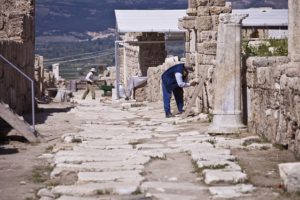
Architectural historians research, document, and preserve historic buildings by studying their construction methods, cultural significance, and architectural evolution. They work in heritage conservation, museum curation, government preservation agencies, or as private consultants. Most positions require a bachelor's degree in architectural history, art history, architecture, or a related field, with master's degrees opening advanced opportunities in research and leadership roles.
If you're fascinated by historic buildings and want to understand their stories, architectural history might be your calling. This field blends detective work with technical analysis—you're not just admiring beautiful structures, you're uncovering how they were built, why they mattered, and how to preserve them for future generations.
Architectural history is the study of buildings in their historical context. You'll research building methods, guide conservation and preservation efforts, and work in education or even entertainment. It's a field where your passion for history meets practical preservation work, and where every building tells a story waiting to be discovered.
What Does an Architectural Historian Do?
As an architectural historian, you'll work with buildings of historic significance, but your approach will depend on your specialization and interests. Most architectural historians work in an advisory capacity, helping building owners and preservation agencies maintain the historic integrity of important structures.
Your work might involve several key areas:
Research and Documentation: You'll investigate building methods and materials, often diving into archives, old photographs, and construction records. Sometimes understanding a building means researching its urban landscape context—how it fit into the city or town when it was built and how that environment has changed.
Preservation Planning: Many architectural historians map the evolution of buildings with complex histories. You might work to recreate a building's architectural timeline, especially for structures that have been modified multiple times over centuries. This work directly supports restoration and preservation decisions.
Technical Assessment: You'll evaluate building conditions, document deterioration, and recommend appropriate preservation techniques that respect the structure's historic character while ensuring its safety and longevity.
Education and Interpretation: While many architectural historians prefer hands-on practice examining and researching our built heritage, education roles offer opportunities to share your expertise through teaching, public tours, or museum interpretation.
Where Does an Architectural Historian Work?
You might be surprised at the diversity of career paths open to architectural historians. This field meshes several disciplines: history, art history, archaeology, building design and engineering, and sustainability in building materials and design.
Government Agencies: Many architectural historians work for civic authorities with mandates to preserve built heritage within their jurisdictions. This includes public or private buildings—from locally significant structures to those on the National Register of Historic Places, all the way up to World Heritage Sites. You might work in policy-making and advisory roles, helping government bodies develop and enforce preservation standards.
Private Consulting: Historically important buildings in private ownership often require the guidance of architectural historians to guide restoration projects or to recreate original building fabric. Some architectural historians work on a freelance basis, consulting on multiple projects throughout the year.
Education and Academia: Colleges and universities employ architectural historians in teaching and research roles. You'll typically work as a lecturer or professor, conducting research while mentoring the next generation of preservation professionals.
Museums and Cultural Institutions: Public engagement roles are common for architectural historians. You might work as a curator, tour guide at historic properties, or interpreter at living history museums and National Parks. These positions let you share your passion for historic buildings directly with the public.
Entertainment Industry: Period dramas remain popular in film and television. Studios sometimes hire architectural historians to ensure their sets look authentic when actual historic buildings aren't available or practical for filming.
A Day in the Field: Your typical day might start in an archive, reviewing century-old building permits and photographs. By midday, you're on-site at a historic building, documenting original window details and noting areas of deterioration. The afternoon might find you writing assessment reports or meeting with preservation officials to discuss restoration approaches. It's work that moves between quiet research and active fieldwork, between solo analysis and collaborative problem-solving.
Architectural Historian Specializations
As you develop your career, you'll likely focus on one or more specialized areas:
Building Conservation and Restoration: Work directly with building owners and contractors to guide preservation projects. You'll specify appropriate materials, techniques, and approaches that maintain historic integrity while meeting modern building codes and safety requirements.
Historic Preservation Policy: Focus on regulatory work, helping develop and enforce preservation ordinances. You might work for State Historic Preservation Offices (SHPOs) or local preservation commissions, reviewing projects that impact historic resources and ensuring compliance with Section 106 of the National Historic Preservation Act.
Architectural Research and Documentation: Specialize in intensive building research, creating detailed documentation for Historic American Buildings Survey (HABS) or Historic American Engineering Record (HAER) projects. This work creates the permanent record of America's architectural heritage.
Museum Curation and Interpretation: Work with historic house museums or cultural institutions, developing exhibits, leading tours, and creating educational programs that help the public understand architectural significance.
Academic Research and Teaching: Pursue scholarly research on architectural history topics while teaching at the university level. This path typically requires a PhD and focuses on advancing the field's theoretical and historical understanding.
Education Requirements for Architectural Historians
There are multiple pathways into architectural history, and your educational choices should align with your career goals.
Bachelor's Degree (Required for Entry-Level Positions): Most architectural historians start with a bachelor's degree in one of several fields: Art History, Anthropology, Urban Studies, Architecture, Archaeology, or History. If you choose History or Art History, we strongly recommend pursuing minors in architecture and Computer-Aided Design and Drafting (CADD) to build technical skills employers value.
Important Note on Architecture Degrees: If you want to work specifically in architectural practice (not just architectural history), be aware that two-thirds of U.S. states require a formal degree in Architecture. However, most architectural historian positions don't require architect licensure—you're studying and preserving buildings, not designing new ones.
Master's Degree (Recommended for Advancement): While not always required for entry-level roles, a master's degree significantly improves your career prospects. Master's programs in Historic Preservation, Architectural History, or Art History are particularly valuable. You'll need a master's degree (and often a PhD) for teaching positions at colleges and universities, as well as for senior research roles.
Technical Specializations: Consider advanced training in technical subjects like digital surveying, GIS (Geographic Information Systems), building pathology, or conservation science. These skills make you more competitive and open doors to specialized consulting work.
Building Practical Experience: Don't overlook the importance of hands-on experience. Pursue internships with State Historic Preservation Offices, National Park Service sites, or preservation consulting firms. Volunteer for documentation projects through organizations like the Society of Architectural Historians. Build a portfolio showing your research, documentation, and writing skills—employers want to see your work, not just your credentials.
Degree Comparison
| Degree Level | Common Programs | Typical Duration | Career Outcomes |
|---|---|---|---|
| Bachelor's | Art History, Architecture, Archaeology, History, Anthropology | 4 years | Entry-level historian, research assistant, field surveyor |
| Master's | Architectural History, Historic Preservation, Art History, Heritage Conservation | 2 years | Preservation planner, museum curator, project manager, consultant |
| PhD | Architectural History, Art History, American Studies | 5-7 years | University professor, senior researcher, heritage director |
| Certificate | Historic Preservation, Digital Documentation, GIS for Heritage | 1 year | Career changers, skill enhancement for current professionals |
Architectural History - Related Degrees
Architectural Historian Salary & Compensation
Salaries for architectural historians vary significantly depending on your work setting, experience level, and specialization. Understanding this range helps you set realistic expectations and negotiate effectively.
National Median Salary: Architectural historians working in the United States earn a median annual salary. However, this figure masks considerable variation based on where and how you work.
Geographic Variation: Location significantly impacts salary. Architectural historians in major metropolitan areas with extensive historic resources (Boston, New York, Philadelphia, Washington D.C., San Francisco) typically earn 20-30% more than those in smaller markets. However, differences in cost of living often offset these gains.
Job Outlook & Career Growth
Let's be honest about the job market—it's competitive, but not impossible. Understanding where demand exists helps you position yourself strategically.
The Reality by Sector:
Heritage Conservation (Most Competitive): Traditional museum, National Park Service, and historic house positions attract many applicants for a few openings. These roles are highly desirable but scarce. Competition is intense, and many graduates spend years in temporary or part-time positions before landing permanent roles.
Government Compliance (Steady Demand): State Historic Preservation Offices, federal agencies, and local preservation commissions offer more consistent opportunities. Projects requiring Section 106 review create ongoing demand for architectural historians who can assess impacts on historic properties. While these positions may seem less glamorous than museum work, they provide stable employment and a meaningful impact on preservation.
Private Consulting (Growing Sector): Environmental and engineering firms increasingly need architectural historians for cultural resource management work. Real estate development, infrastructure projects, and renewable energy installations all trigger historic preservation reviews. Consultants with technical skills (GIS, digital documentation, NEPA compliance) are in greater demand.
Academic Positions (Very Limited): University teaching jobs are extremely competitive, with many qualified PhDs competing for each opening. View academic careers as a long-term goal requiring exceptional credentials and often years of adjunct teaching.
Strategic Career Advice: Don't wait for your dream museum job to materialize. Start in government or consulting work to build experience and professional networks. Many successful architectural historians began in regulatory positions before transitioning to preferred specializations. Consider developing complementary skills in environmental planning, archaeology, or preservation planning to broaden your opportunities.
Career Advancement Pathways
Understanding typical career progression helps you set realistic timelines and identify the skills and experiences needed for advancement.
Entry Level (0-3 years)
Typical Roles: Research Assistant, Field Technician, Archival Researcher, Museum Assistant
Key Responsibilities:
- Conduct archival research and document building histories
- Assist with field surveys and documentation projects
- Prepare draft sections of preservation reports
- Use GPS, photography, and basic CAD tools
- Support senior staff on larger projects
Skills to Develop: Photography and documentation techniques, report writing, GIS software, project management basics, professional networking through SAH and state preservation conferences.
Mid-Career (4-10 years)
Typical Roles: Preservation Consultant, Project Manager, Museum Curator, Architectural Historian (full professional designation)
Key Responsibilities:
- Lead historic resource surveys and building assessments
- Prepare National Register nominations independently
- Manage project budgets, schedules, and deliverables
- Conduct Section 106 consultations with review agencies
- Supervise junior staff and field crews
- Author comprehensive preservation reports
- Present findings at professional conferences
Skills to Develop: Advanced CAD and 3D modeling (SketchUp, ArcGIS), project management, client relations, specialized knowledge in specific architectural periods or building types, and publication record.
Senior Level (10+ years)
Typical Roles: Senior Consultant, Heritage Director, State Historic Preservation Officer, Museum Director, University Professor (with PhD)
Key Responsibilities:
- Oversee cultural resources programs and multiple project teams
- Develop agency policies and preservation standards
- Manage organizational budgets and strategic planning
- Represent the organization in high-level consultations
- Mentor and train emerging professionals
- Publish research and contribute to field advancement
- Engage with community stakeholders and funding agencies
Path to Advancement: Senior roles require demonstrated expertise, strong professional networks, publication records, and, often, additional credentials (a master's degree minimum, PhD for academic positions). Many senior architectural historians serve on state and national preservation boards, contributing to policy development and professional standards.
Professional Organizations & Resources
Connecting with professional organizations is essential for career development, staying current with preservation practices, and building the networks that lead to job opportunities.
Society of Architectural Historians (SAH): Founded in 1940, SAH is the global umbrella organization for architectural history. Most countries have their own national SAH chapters. The organization promotes the conservation of the built environment and supports professionals who research, interpret, or work with historic architecture. SAH's annual conferences, publications, and local chapter events offer invaluable networking and professional development opportunities.
The American Institute of Architects (AIA): While not dedicated exclusively to architectural history, the AIA is the premier professional body for architects in the United States. If you're interested in blending architectural history with conventional practice, or if your work involves close collaboration with practicing architects, AIA membership provides access to technical resources and professional connections.
Additional Organizations to Consider:
- National Trust for Historic Preservation: Advocacy and resources for preservation professionals
- Association for Preservation Technology International (APT): Technical focus on preservation methods and materials
- National Council on Public History (NCPH): For those in public-facing historical roles
- State and local preservation organizations: Often the most directly useful for networking and job leads
Frequently Asked Questions
What's the difference between an architectural historian and an architect?
Architects design and oversee the construction of new buildings or additions to existing structures. They must be licensed professionals in most states and focus on creating functional, safe, aesthetically pleasing spaces for future use. Architectural historians, in contrast, study and preserve existing buildings with historical significance. You'll research how buildings were constructed, understand their cultural context, and guide preservation efforts. You typically don't need professional licensure, and your work focuses on the past rather than designing for the future. While some architectural historians have degrees in architecture, many come from history, art history, or archaeology backgrounds.
Do I need a license to work as an architectural historian?
No, architectural historians typically don't need professional licensure. Unlike architects, who must pass rigorous licensing exams and maintain professional registration, architectural historians work as researchers, consultants, and preservation specialists without state-mandated licensing. However, you'll need appropriate educational credentials (a bachelor's degree minimum, a master's preferred) and demonstrable expertise in architectural history, preservation practices, and research methods. Some employers may prefer candidates who meet the Secretary of the Interior's Professional Qualification Standards for historic preservation positions.
Can I work remotely as an architectural historian?
It depends on your role and specialization. Some aspects of architectural history work—archival research, report writing, and preliminary analysis—can be done remotely. However, fieldwork is essential. You'll need to physically visit buildings to document conditions, photograph details, and assess preservation needs. Many architectural historians work in hybrid arrangements, conducting research and writing from home while traveling for site visits. Fully remote positions are rare and typically limited to research or writing-focused roles. Expect to spend at least 25-40% of your time in the field, with more extensive travel during survey seasons.
What's the job market like for architectural historians?
The job market is competitive but not impossible, especially if you're strategic about building in-demand skills. Traditional heritage positions (museums, historic house sites) attract many applicants for few openings and often offer modest salaries. However, the broader cultural resource management field offers steadier opportunities. Government agencies need architectural historians for regulatory compliance work, and private consulting firms increasingly hire for environmental review projects. Your prospects improve significantly if you develop technical skills in GIS, digital documentation, or environmental compliance (NEPA/Section 106). Geographic flexibility also helps—you'll find more opportunities in regions with extensive historic resources and active development that triggers preservation reviews.
Is architectural history a good career choice?
If you're passionate about historic buildings and find satisfaction in preservation work, architectural history can be deeply rewarding. You'll contribute directly to conserving cultural heritage and educating others about our built environment. The work is intellectually engaging, blending research, fieldwork, and problem-solving. However, be realistic about the challenges: the job market is competitive, entry-level salaries are modest, and you may need to relocate to pursue opportunities. Many architectural historians describe their work as a calling rather than just a career—if that resonates with you, and you're willing to be strategic about building marketable skills, you'll likely find this path fulfilling despite its challenges.
Key Takeaways
- Role Definition: Architectural historians blend historical research with technical building analysis to preserve and interpret historic structures, working across government, private consulting, museums, and academia.
- Educational Pathways: Bachelor's degree required in art history, architecture, archaeology, history, or anthropology, with master's degrees significantly improving career prospects and opening senior positions.
- Diverse Specializations: Career paths include building conservation, preservation policy, research and documentation, museum curation, and academic teaching—each requiring different skill sets and credentials.
- Competitive Market Requires Strategy: Heritage conservation positions are highly competitive, but demand is steadier in government compliance and private consulting. Technical skills in GIS, digital documentation, and environmental review processes significantly improve job prospects.
- Realistic Salary Expectations: Median annual salaries vary significantly by work setting, experience, and location, with federal positions and private consulting typically offering higher compensation than museum and nonprofit roles.
Ready to explore architectural history programs? Discover degree options in art history, architecture, historic preservation, and archaeology that align with your preservation career goals.

2024 US Bureau of Labor Statistics salary and employment figures for historians reflect national data, not school-specific information. Conditions in your area may vary. Data accessed January 2026.