

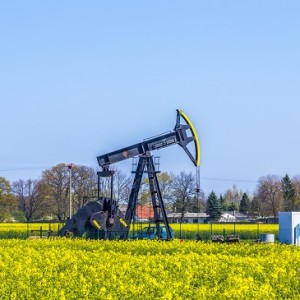
Hydraulic fracturing extracts natural gas and oil from deep shale rock by drilling vertically, then horizontally, and pumping high-pressure fluid to fracture the formations. Now producing 67–79% of US natural gas and 50% of crude oil, the technology has transformed American energy independence. However, peer-reviewed research increasingly links fracking operations to elevated childhood cancer rates, cardiovascular disease, and groundwater contamination. Six states have banned the practice while a 2005 federal regulatory exemption—the "Halliburton Loophole"—remains unchanged, excluding fracking from Safe Drinking Water Act protections.
Hydraulic fracturing sits at the center of one of our generation's most contentious energy debates. As an educational resource dedicated to environmental science careers and informed decision-making, we understand that this technology affects not just energy policy but also career paths in geology, environmental science, and policy analysis.
Whether you're considering a career intersecting with energy production or simply seeking to understand this controversial extraction method, here's what the current science and data reveal about fracking in 2026.
Jump to Section
- How Hydraulic Fracturing Works
- Careers Connected to Fracking
- State-by-State Regulations
- Health Risks & Studies
- Water & Seismic Activity
- Economic Impact
- Production Trends
- International Context
- Frequently Asked Questions
- Key Takeaways
How Hydraulic Fracturing Works
The technology isn't new—experimental tests began in the 1960s across Europe, the United States, and the Soviet Union. However, it didn't become commercially viable until 2002 when technological advances coincided with rising energy prices, making the expensive extraction process economically feasible.
The process works in stages. Operators first drill vertically down through layers of rock, sometimes exceeding 10,000 feet, until reaching the target shale formation. Once at depth, the drill bit turns horizontally and extends laterally through the shale layer. Modern wells now reach horizontal lengths up to three miles—these extended sections, called "laterals," represent one of the major technological improvements of the past decade.
After drilling completes, crews pump millions of gallons of "fracking fluid" down the well at extremely high pressure. This fluid typically consists of 90% water, 9.5% sand or ceramic proppants, and 0.5% chemical additives. That small chemical percentage translates to hundreds of thousands of pounds of substances per well.
The pressure fractures the shale rock. Sand grains prop open these fractures. Natural gas and oil then flow from the fractured rock through the well to the surface.
Current Production Scale
According to the US Energy Information Administration (EIA), hydraulic fracturing now accounts for approximately 50% of US crude oil production and 67–79% of natural gas production. The Permian Basin in West Texas and southeastern New Mexico alone produces 48% of all American crude oil at 6.3 million barrels daily.
Other major producing regions include Pennsylvania's Marcellus Shale, North Dakota's Bakken formation, Ohio's Utica Shale, and the Eagle Ford and Haynesville formations across Texas and Louisiana. The United States has become the global leader in fracking production and the world's largest liquefied natural gas (LNG) exporter.
Careers Connected to Fracking and Energy Extraction
For students exploring environmental science and geology careers, understanding fracking's role in the energy sector provides important context for multiple career paths.
Geologists in Energy Extraction
Geologists form the backbone of the fracking industry's technical workforce. They analyze subsurface rock formations, identify promising shale deposits, and determine optimal drilling locations.
Petroleum geology specifically focuses on fossil fuel extraction. Graduates with geology degrees have historically found strong employment opportunities in the oil and gas sector, particularly in major producing states like Texas, Pennsylvania, North Dakota, and Oklahoma.
Environmental Geologists and Regulatory Compliance
Environmental geologists often work on the regulatory and remediation side of energy extraction. They assess potential environmental impacts, monitor groundwater quality near drilling sites, and develop mitigation strategies for contamination events.
As regulatory frameworks have tightened in states like Colorado and New Mexico, demand has grown for environmental geologists who can navigate complex compliance requirements.
GIS Specialists in the Energy Sector
Graduates in Geographic Information Systems (GIS) find extensive applications in analyzing energy operations. GIS specialists map well locations, analyze spatial patterns of production and environmental impacts, track water usage across drought-prone regions, and create visualizations for regulatory reporting. The technology underpins modern drilling operations and environmental monitoring efforts.
Environmental Policy Analysts
Environmental policy analysts play increasingly important roles as fracking regulations evolve at the state and federal levels. They research policy effectiveness, analyze cost-benefit tradeoffs, draft regulatory language, and advise government agencies and advocacy organizations.
The stark regulatory differences between states—from outright bans to minimal oversight—create ongoing demand for policy expertise.
Career Outlook Considerations
For students considering these career paths, it's worth noting that the industry faces significant headwinds. Natural gas prices hit historic lows in 2024, production may have peaked in some formations, and climate policy pressures are intensifying.
These factors are reshaping career prospects and compensation in energy-related fields. Students interested in geology and environmental science should consider developing skills applicable across multiple sectors, not solely focused on fossil fuel extraction.
State-by-State Regulations and Federal Oversight
The fracking regulatory map divides dramatically across the United States.
States That Have Banned Fracking
Six states have enacted outright bans:
- Vermont (2012)
- Maryland (2017)
- New York (2020)
- Washington (2019)
- Oregon (moratorium expired January 2025)
- California (October 2024)
California's ban represented the most economically significant action, as fracking accounted for 17% of the state's oil production at the time. New York expanded its ban in 2024 to include liquid CO2-based extraction methods after industry attempts to circumvent the original prohibition.
States with Strict Regulations
The remaining 44 states permit fracking with regulations varying from comprehensive frameworks to minimal oversight. Colorado maintains among the strictest state-level requirements:
- 2,000-foot setback distances from schools
- Mandatory baseline groundwater testing before drilling
- Nation's first ban on PFAS ("forever chemicals") in fracking fluid (January 2024)
- 60% wastewater recycling requirement (though actual rates lag at approximately 13%)
States with Minimal Oversight
Texas, the nation's top producer, operates at the opposite end of the regulatory spectrum. The state has no mandated setback distances from homes. Legislation enacted in 2015 (HB 40) preempts local governments from banning or substantially regulating oil and gas operations.
Pennsylvania, the second-largest gas producer, maintains only 500-foot setbacks from homes, which property owners can waive. Pennsylvania remains the only major gas-producing state without a severance tax on extracted resources.
The "Halliburton Loophole" and Federal Exemptions
At the federal level, the most significant regulatory gap remains unchanged from 2005: the "Halliburton Loophole." This provision in the Energy Policy Act exempts hydraulic fracturing from Underground Injection Control requirements under the Safe Drinking Water Act, except when diesel fuels are used.
Research analyzing fracking operations from 2014–2021 found that 62–73% of wells annually used at least one Safe Drinking Water Act-regulated chemical. These included benzene, formaldehyde, and arsenic.
The total volume: approximately 282 million pounds of hazardous chemicals deployed without federal oversight during that seven-year period.
The Fracturing Responsibility and Awareness of Chemicals Act (FRAC Act), which would close this loophole and require public disclosure of all fracking chemicals, has been introduced repeatedly in Congress since 2009 but has never passed. The most recent attempt came in 2023.
Recent EPA Methane Regulations
The EPA's March 2024 methane rule established the first-ever federal standards for existing oil and gas facilities nationwide. Requirements include leak detection at all well sites, phasing out routine flaring, and mandating zero-emissions process controllers.
However, the Trump administration signed a Congressional Review Act resolution in March 2025, disapproving of the associated Waste Emissions Charge. EPA extended compliance deadlines by 18 months in July 2025, effectively weakening the rule's near-term impact.
Fracking Health Risks: Cancer, Cardiovascular Disease, and Contamination Studies
The body of peer-reviewed research documenting health outcomes near fracking operations has expanded dramatically since 2020.
Scope of Current Research
The 9th edition of the Compendium of Scientific, Medical, and Media Findings now cites 2,239 peer-reviewed papers documenting potential harm since 2014. Nearly 1,000 of these have been published since 2018. More than 17.6 million Americans live within one mile of a fracked well.
Childhood Cancer Studies
A University of Pittsburgh study released in August 2023, funded by $2.5 million in state research grants, found children living within one mile of natural gas wells faced 5–7 times greater risk of developing lymphoma compared to children living farther away.
Separately, Yale School of Public Health research (2022) documented that Pennsylvania children within one mile of wells were twice as likely to develop acute lymphoblastic leukemia—the most common childhood cancer.
Cardiovascular Health Findings
A University of Chicago study published in Lancet Planetary Health (2023) compared Medicare claims from Pennsylvania (where fracking is widespread) to New York (where it's banned). The research found that among those living near fracking operations:
- 11.8 additional hospitalizations per 1,000 Medicare users for heart attacks
- 21.6 additional hospitalizations for heart failure
- 20.4 additional hospitalizations for ischemic heart disease
The researchers controlled for demographics, socioeconomic factors, and other health variables.
Industry Response and Scientific Debate
Industry groups, including the Marcellus Shale Coalition and American Petroleum Institute, dispute these findings. They argue that the studies show correlation rather than causation and that other factors may explain the health patterns.
Researchers counter that multiple independent studies across different states, age groups, and methodologies consistently point in the same direction. This pattern strengthens the case for causal relationships rather than coincidence, though establishing definitive causation remains challenging.
Water Contamination Pathways
The EPA's six-year, $29 million study concluded that "activities in the hydraulic fracturing water cycle can impact drinking water resources under some circumstances." The study identified 457 fracking-related spills in 11 states between 2006 and 2012, with 324 reaching soil, surface water, or groundwater.
Duke University studies documented methane concentrations six times higher in drinking water wells within one kilometer of gas wells. Ethane levels measured 23 times higher. Isotopic analysis confirmed the methane originated from deep thermogenic sources matching Marcellus and Utica shale formations—not from shallow biogenic sources that occur naturally.
The primary contamination pathway identified was faulty well casings allowing gas migration into aquifers, not fractures directly communicating between shale formations and aquifers as originally feared.
Water Consumption, Wastewater Disposal, and Seismic Activity
Escalating Water Demands
Water consumption has increased dramatically as drilling technology advanced. Per-well water usage has risen up to 770% since 2011. Some wells now require more than 40 million gallons each.
Over half of wells drilled between 2011–2016 were located in regions with high or extremely high water stress. Colorado fracking operators doubled freshwater consumption over the past decade: from 5 billion to over 10 billion gallons annually. This represents a significant drain on aquifers in an increasingly drought-prone state.
Wastewater Recycling Performance
While wastewater recycling has improved in some regions, overall performance remains mixed. Pennsylvania's Marcellus operations achieve approximately 90% recycling rates, driven largely by limited disposal options and strict regulations.
However, Colorado data from 2023–2024 shows 87% of wastewater is disposed of and only 13% recycled despite state mandates targeting 60% recycling. Industry-wide, wastewater recycling averages about 60% nationally.
Fracking-Related Earthquakes: Wastewater Disposal as Primary Cause
The induced seismicity connection is now definitively established—but the culprit is wastewater disposal, not fracking itself. The US Geological Survey (USGS) has confirmed that wastewater injection wells cause the vast majority of induced earthquakes.
In Oklahoma, only 2% of seismic events were linked directly to fracking. The remaining 98% resulted from wastewater disposal in deep injection wells.
Oklahoma's Dramatic Seismicity Increase
Oklahoma averaged 24 magnitude 3+ earthquakes per year from 1973 to 2008. In 2014 alone, the state experienced 688.
Four of the five largest earthquakes in Oklahoma's recorded history are now attributed to human activity related to oil and gas operations.
Permian Basin Seismic Activity
The Permian Basin has seen six magnitude 5+ earthquakes since 2020 in western Texas and southeastern New Mexico. The Texas Railroad Commission suspended disposal well permits in 2023 following several magnitude 5+ events.
Research shows that reduced injection volumes and well plugbacks effectively lower earthquake rates. However, effects persist for years after injection stops as fluids continue migrating underground.
Methane Emissions and Climate Impact
While natural gas burns cleaner than coal or oil, methane is a potent greenhouse gas with 80 times the warming potential of CO2 over a 20-year period.
The EPA estimates leak rates around 1.2%. However, a Stanford/Lawrence Berkeley study (2024) using direct measurements found average leak rates of 3%—roughly double EPA's estimate. At leak rates above 2–3%, the climate benefit of natural gas over coal largely disappears.
Satellite monitoring systems (TROPOMI, Copernicus) now enable the detection of individual "super-emitter" events from space. EPA's 2024 rule established a super-emitter response program, though addressing the long tail of smaller, chronic leaks remains challenging.
Economic Impact: Jobs, Revenue, and Cost-Benefit Analysis
Employment Statistics
Employment figures in the fracking sector remain heavily contested. According to the EIA, the oil and gas extraction industry directly employs approximately 569,000 people. Peer-reviewed research attributes roughly 725,000 jobs nationally to the shale boom.
Industry groups claim 11 million jobs, including indirect effects—a figure independent researchers consider inflated by roughly 15-fold.
State Revenue Generation
State revenue impact has been substantial in producing states. Texas collected $12 billion in severance tax revenue from oil and gas over five years (2019–2023), contributing to a record $32.7 billion budget surplus in 2023.
Pennsylvania has generated $2.5 billion from impact fees since 2012. However, as the only major gas producer without a traditional severance tax, the state forgoes an estimated $350+ million annually.
Local Economic Benefits and Costs
Academic studies from the University of Chicago, MIT, and Princeton documented local economic benefits in fracking communities:
- 6% higher income
- 10% higher employment
- 6% higher housing prices
However, the same research estimated quality-of-life costs of $1,000–$1,600 annually per household. These costs stem from noise, truck traffic, light pollution, and environmental concerns.
Comprehensive Cost-Benefit Analysis
A Carnegie Mellon analysis of Appalachia found the industry generated $21 billion in labor market benefits. However, environmental and health costs totaled over $32 billion when accounting for:
- Air pollution: $27.2 billion
- Greenhouse gas damages: $3.8 billion
- Habitat fragmentation: $4 billion
- Water contamination: $1 billion
Current Economic Challenges
The economic outlook has darkened considerably. Natural gas prices averaged a historic low of $2.21/MMBtu in 2024—the lowest in inflation-adjusted history.
Low prices forced operators to curtail drilling in dry gas formations. In 2024, shale gas production declined approximately 1%—potentially the first annual decrease since EIA began tracking in 2000. The Haynesville formation dropped 14% from its May 2023 peak, while Utica production fell 10%.
Industry break-even prices for new Permian wells range from $48–66 per barrel of oil equivalent. Larger producers achieve lower costs of around $58/barrel. Forecasts project natural gas price recovery to $3.10/MMBtu in 2025 and potentially $4.60/MMBtu by 2027 as LNG export demand grows.
Production Trends and Industry Future
Current Production Levels
US crude oil production averaged 13.2 million barrels per day in 2024. Tight oil from fracked wells contributed 8.9 million b/d—representing 81% of onshore production.
The US has become the world's largest LNG exporter at 11.9 billion cubic feet per day. Fifty-three percent goes to Europe and 33% to Asia. Three new LNG facilities (Plaquemines, Corpus Christi Stage 3, Golden Pass) are scheduled to come online in 2025–2026, which could temporarily boost demand for natural gas.
Signs of Production Peaking
Multiple indicators suggest production may be approaching or past peak levels in key formations. The total US well count has declined to approximately 918,000 wells in 2024, down from over 1 million in 2014.
Rig counts have fallen across all major basins:
- Haynesville rigs: down 53% from January 2023
- Marcellus rigs: down 36% from January 2023
Tier 1 Acreage Depletion
Tier 1 acreage—the most economically productive drilling locations—is depleting rapidly. Industry analysts estimate only six years of Tier 1 inventory remaining at current drilling rates in the Permian Basin, America's most productive formation.
As operators move to less productive Tier 2 and Tier 3 acreage, per-well economics deteriorate even with technological improvements.
Technological Advances
Technology continues to advance. Simul-frac technology, allowing simultaneous fracking of multiple wells, reduces costs by $200,000–$400,000 per well. Up to 60% of Chevron's wells use this method by 2025.
Horizontal lateral lengths have doubled to approximately three miles. According to EIA, new-well productivity rose 28% year-over-year in April 2024. These improvements have helped offset natural decline rates and acreage depletion, but they can't indefinitely overcome geological and economic headwinds.
Climate Policy Pressures
Climate policy creates fundamental tension for the industry's long-term prospects. The Inflation Reduction Act's methane fee starts at $900/ton in 2024, rising to $1,500/ton by 2026. The legislation includes approximately $370 billion in clean energy incentives, accelerating renewable deployment.
Princeton's REPEAT Project forecasts that 2030 US gas consumption will fall roughly 9% relative to pre-IRA projections. Global divestment commitments now exceed $14.6 trillion from 1,326 institutions. Fossil fuels have shrunk from 29% of the S&P 500 in 1980 to just 3.7% in 2024.
International Context: The UK's Fracking Ban
Britain's experience with fracking offers an instructive contrast to US policy.
Current UK Status
The UK maintains its November 2019 moratorium on high-volume hydraulic fracturing in England. The Labour government announced in October 2025 plans to make the ban permanent. Energy Secretary Ed Miliband stated fracking would "trash our climate commitments" and is "deeply harmful to our natural environment."
Declining Domestic Production
UK North Sea production has fallen 75% below its 1999 peak and continues declining. Domestic gas now meets only about 50% of demand.
Import dependency has increased to 44% of all energy consumed in 2024:
- Norway supplies 76% of gas imports
- US LNG contributes 17%
Proven North Sea reserves of 1,654 TWh could be exhausted in less than five years at current extraction rates.
Public Opinion
Public opposition in the UK runs strong. YouGov polling shows 40% oppose fracking—the highest ever recorded—with only 12% support.
The brief September 2022 lifting of the ban under Prime Minister Liz Truss was reversed within weeks by her successor, Rishi Sunak, following public backlash and concerns about induced seismicity from small-scale test wells.
Frequently Asked Questions About Fracking
Is fracking safe for communities and the environment?
Safety depends significantly on regulatory oversight and operational practices. Multiple peer-reviewed studies document elevated cancer risks, cardiovascular disease, and water contamination near fracking sites. The EPA concluded that fracking "can impact drinking water resources under some circumstances," identifying 457 spills reaching soil or water in 11 states between 2006 and 2012. Industry groups maintain that proper well construction, monitoring, and adherence to regulations make fracking safe, but the 2005 federal exemption from Safe Drinking Water Act protections and highly variable state oversight create ongoing concerns.
Which states have banned hydraulic fracturing?
Six states have enacted outright fracking bans: Vermont (2012), Maryland (2017), New York (2020), Washington (2019), Oregon (moratorium expired 2025), and California (October 2024). New York expanded its ban in 2024 to include liquid CO2-based extraction methods. The remaining 44 states permit fracking with regulations ranging from comprehensive frameworks in Colorado to minimal oversight in Texas. Several states, including California and New Mexico, have tightened regulations significantly in recent years despite not banning the practice entirely.
How does fracking affect drinking water and water supplies?
Fracking impacts water in multiple ways. Each well requires up to 40+ million gallons of water, with per-well usage increasing up to 770% since 2011. More than half of wells drilled between 2011–2016 were located in water-stressed regions. Contamination occurs primarily through faulty well casings, allowing gas and chemicals to migrate into aquifers. Duke University studies found methane concentrations six times higher and ethane levels 23 times higher in drinking water wells within one kilometer of gas wells. Wastewater disposal also presents challenges, with industry-wide recycling averaging only 60% and varying dramatically by region.
Does fracking cause earthquakes in oil and gas-producing regions?
Wastewater disposal from fracking—not the fracturing process itself—causes the vast majority of induced earthquakes. The USGS confirmed that 98% of fracking-related seismic events result from wastewater injection into deep disposal wells. Oklahoma experienced 688 magnitude 3+ earthquakes in 2014 alone compared to an average of just 24 per year from 1973–2008. The Permian Basin has seen six magnitude 5+ earthquakes since 2020. Research shows reduced injection volumes and well plugbacks effectively lower earthquake rates, though effects persist for years as fluids continue migrating underground.
What careers involve fracking and energy extraction?
Geologists analyze subsurface formations and identify drilling locations. Environmental geologists assess impacts and ensure regulatory compliance. GIS specialists map well locations and analyze spatial patterns. Environmental policy analysts research regulations and advise government agencies. However, career prospects in fossil fuel extraction face headwinds from historic low natural gas prices, potential production peaks, and intensifying climate policy. Students considering geology or environmental science careers should develop skills applicable across multiple sectors rather than focusing solely on fossil fuel industries.
Key Takeaways
- Dominant but Potentially Peaking Production: Fracking now produces 67–79% of US natural gas and 50% of crude oil, making America the world's largest LNG exporter. However, 2024 saw the first potential annual decline in shale gas production since 2000, with historic low prices and depleting Tier 1 acreage creating long-term challenges.
- Health Research Findings Continue Mounting: Multiple independent studies document elevated childhood cancer risks (5–7 times higher for lymphoma), cardiovascular disease (11.8 additional heart attack hospitalizations per 1,000 Medicare users), and water contamination near fracking operations. Over 2,200 peer-reviewed papers now document potential health impacts, affecting 17.6 million Americans living within one mile of wells.
- Regulatory Fragmentation Persists: Six states have banned fracking, while 44 permit it with dramatically different oversight. The 2005 "Halliburton Loophole", exempting fracking from Safe Drinking Water Act protections, remains unchanged. Between 2014 and 2021, approximately 282 million pounds of hazardous chemicals were used without federal oversight under this exemption.
- Wastewater Disposal Drives Earthquake Activity: The USGS confirms 98% of fracking-related seismic activity results from wastewater injection wells, not fracturing itself. Oklahoma experienced 688 magnitude 3+ earthquakes in 2014 compared to a 24-per-year average before fracking expanded. The Permian Basin has seen six magnitude 5+ events since 2020.
- Career Implications for Students: While geologists, environmental scientists, GIS specialists, and policy analysts find opportunities in energy extraction, the sector faces converging pressures, including low commodity prices, production challenges, and climate policy shifts. Students should develop skills transferable beyond fossil fuel industries to ensure long-term career resilience.
Exploring environmental science and geology careers? Understanding controversial topics like fracking helps you make informed decisions about your educational path and future career opportunities.

- What Is Parasitology? The Science of Parasites Explained - November 19, 2018
- Desert Ecosystems: Types, Ecology, and Global Importance - November 19, 2018
- Conservation: History and Future - September 14, 2018
Related Articles


Featured Article

Ecology: Examining the Relationships Between Living Things