
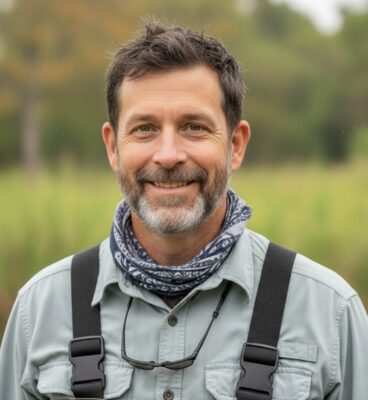
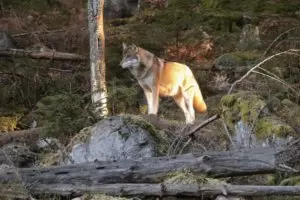
Wolf biologists are specialized wildlife biologists who study wolf behavior, ecology, and conservation in the field and laboratory. Most positions require at least a bachelor's degree in wildlife biology or zoology, with research and management roles typically requiring a master's degree or PhD. Wildlife biologists earn a median salary of $70,600 annually (2023 BLS data), with wolf-specific roles being highly competitive. The field is projected to grow 3% through 2032, though wolf biology positions often combine research with teaching or nonprofit work.
If you're passionate about wolves and want to work in conservation, wolf biology offers one of the most specialized—and competitive—paths in wildlife science. This niche field combines hands-on fieldwork, rigorous research, and conservation advocacy. Here's what you need to know about turning your fascination with these apex predators into a realistic career.
What Does a Wolf Biologist Do?
Wolf biologists are wildlife biologists who've chosen to specialize in wolves—one of the most complex and controversial apex predators in North America. If you're considering this path, here's what the day-to-day work actually looks like.
These scientists spend significant time in the field observing wolf packs, tracking their movements, and documenting their interactions with each other, prey animals, and the broader ecology. While gray wolves have recovered in parts of North America—particularly in the Great Lakes and Northern Rockies regions—they remain endangered or threatened in the Southwest (Mexican gray wolves) and face ongoing management debates in areas where they've been reintroduced. Like most endangered or recovering species, wolves require constant monitoring, protection, and public education about the issues surrounding their conservation.
Part of the role involves temporarily capturing wolves for medical monitoring, GPS collar attachment, and data recording. Wolf biologists work to answer critical questions about wolf behavior, pack dynamics, breeding patterns, and how human activity affects their survival. They play essential roles in wolf reintroduction programs, habitat restoration, and the development of management strategies that balance conservation goals with community concerns.
It's demanding work for people who enjoy outdoor environments, remote wilderness areas, and sometimes extended periods working independently.
A Day in the Life
A typical day during field season might start before dawn with radio telemetry work—tracking collared wolves to locate pack positions. You'll spend hours hiking through rugged terrain in all weather conditions, setting up remote cameras, collecting scat samples for dietary analysis, and documenting kill sites. In winter months, snowshoe or ski tracking is often used to monitor pack movement patterns and territory boundaries.
When you're not in the field, expect to spend considerable time analyzing data using statistical software and GIS mapping tools, writing grant proposals to fund ongoing research, and presenting findings to land managers, community groups, or at scientific conferences. In the summer months, you might coordinate capture operations with veterinary teams or train seasonal field technicians.
Where Does a Wolf Biologist Work?
Wolf biologists are a specialized type of wildlife biologist, and their working environments mirror the broader field's patterns. According to 2023 Bureau of Labor Statistics data, here's where wildlife biologists typically find employment.
The largest employer is the state government, accounting for 28% of positions. These biologists work for state wildlife agencies, state parks, and conservation departments, focusing on population monitoring, habitat management, and regulatory compliance. Another 26% work for the federal government, including positions with the National Park Service, the U.S. Fish and Wildlife Service, the Forest Service, and agencies such as the EPA and NOAA.
About 20% work in consulting and professional services, providing specialized technical work for government contracts or private clients. These organizations often handle environmental impact assessments, population surveys, or ongoing monitoring programs. Around 8% work in research and development, often in university labs where wolf genetics, behavior, and physiology inform broader biological research. Another 7% work in education—colleges and universities where they teach wildlife biology while maintaining active research programs focused on wolves.
Geographic hotspots for wolf biology work include the Greater Yellowstone Ecosystem, the Great Lakes region (Minnesota, Wisconsin, Michigan), the Pacific Northwest (Washington, Oregon, Idaho), and parts of the Southwest where Mexican wolf recovery programs operate.
| Employer Type | Percentage | Typical Roles |
|---|---|---|
| State Government | 28% | Wildlife monitoring, habitat management, state park positions |
| Federal Government | 26% | National parks, Fish & Wildlife Service, Forest Service, EPA, NOAA |
| Consulting & Professional Services | 20% | Environmental assessments, contract monitoring, technical services |
| Research & Development | 8% | University labs, genetics research, behavioral studies |
| Education | 7% | College/university teaching with research responsibilities |
What Is the Average Wolf Biologist Salary?
According to 2023 Bureau of Labor Statistics data, the median annual salary for zoologists and wildlife biologists was $70,600. However, compensation varies significantly based on experience level, employer type, and geographic location.
Entry-level positions typically start around $42,680 for field technician or research assistant roles. The lowest 10% of earners made approximately this amount. Mid-career professionals with 3-7 years of experience and additional responsibilities, such as project coordination, typically earn $55,000-$75,000. Senior scientists with 7+ years of experience, particularly those in management or policy roles, can earn $85,000-$110,000 or more. The highest 10% of wildlife biologists earned more than $106,320.
Federal government positions offer the highest average compensation among government employers at approximately $81,530, reflecting both competitive base salaries and comprehensive benefits packages. State government positions typically pay slightly less but still offer strong benefits and job stability. It's worth noting that senior consulting and private-sector positions can sometimes offer higher salaries than government work—particularly for niche specializations or contract work—though these roles may offer less job security and fewer benefits.
| Experience Level | Salary Range | Typical Positions |
|---|---|---|
| Entry-Level (0-3 years) | $42,000 - $52,000 | Field technician, research assistant, seasonal positions |
| Mid-Career (3-7 years) | $55,000 - $75,000 | Wildlife biologist, project coordinator, research scientist |
| Senior (7+ years) | $75,000 - $95,000 | Senior biologist, program manager, conservation director |
| Top 10% | $106,000+ | Policy advisor, research director, senior federal positions |
Wolf Biologist Jobs & Job Description
Wolf biologists share many job duties with other wildlife biologists, though their work focuses specifically on wolf populations. Responsibilities vary significantly based on experience level and career stage.
Entry-Level Responsibilities (0-3 Years)
Early-career wolf biologists and field technicians typically perform these essential tasks:
- Study wolves in their natural habitats, documenting the effects of the environment and human activity on individual animals and packs
- Conduct population surveys and estimate wolf numbers in designated areas using various monitoring techniques
- Assist with the temporary capture of wolves for medical monitoring, GPS collar deployment, and biological sample collection
- Study wolf characteristics, including pack dynamics, life histories, diseases, genetics, and distribution patterns
- Maintain detailed field notes and enter data into standardized databases
- Monitor radio telemetry signals and track collared wolves
- Participate in public education programs at interpretive centers or community meetings
- Stay current on scientific literature and research findings in wolf biology and wildlife management
Experienced Professional Responsibilities (3+ Years)
Wolf biologists with several years of experience take on more complex responsibilities and leadership roles:
- Design and lead experimental studies with wolves in controlled or natural settings
- Develop management recommendations for wolf populations and habitat, consulting with diverse stakeholders, including ranchers, hunters, and conservation groups
- Coordinate disease monitoring and preventative health programs for protected populations
- Lead meetings with government agencies, tribal authorities, community groups, and advocacy organizations
- Oversee habitat restoration projects and manage wolf reintroduction programs
- Write technical reports, scientific papers, and grant proposals
- Supervise field crews and mentor early-career biologists
- Navigate complex political and social dimensions of wolf management, including livestock depredation conflicts
Career Progression Timeline
Most wolf biologists follow a progression path that looks something like this. Entry-level positions (0-3 years) focus on data collection and field support, working as seasonal technicians or research assistants on established projects. You'll build technical skills and field experience while earning $40,000-$52,000 annually.
Mid-career positions (3-7 years) involve increased responsibility for project coordination, data analysis, and stakeholder communication. You might lead your own research projects or manage specific aspects of larger programs, earning $55,000-$75,000.
Senior positions (7+ years) transition into program management, policy development, or research leadership. You're making strategic decisions, securing funding, and influencing wolf management policies at state or regional levels, typically earning $75,000-$106,000+.
Skills Required for Wolf Biologists
Success as a wolf biologist requires a combination of technical expertise and personal qualities suited to challenging fieldwork.
Technical Skills: You'll need proficiency in Geographic Information Systems (GIS) for mapping territories and analyzing habitat use. Statistical software like R or SAS is essential for data analysis. GPS and radio telemetry are fundamental for tracking collared animals. Wildlife capture and handling techniques require specialized training and certification. You'll also need strong writing skills for grants, reports, and scientific publications.
Soft Skills: Wolf biology demands comfort working independently in remote areas for extended periods, sometimes weeks at a time. Physical stamina is crucial—expect long days hiking rough terrain in extreme weather. Patience is essential since wolves are elusive and observations require significant time investment. Strong interpersonal skills are essential for navigating contentious management discussions with diverse stakeholder groups that often hold opposing views on wolf conservation.
Certifications and Training: Most positions require or prefer wildlife handling certifications, CPR and wilderness first aid training, and, depending on location, firearms safety certification. Some roles require commercial driver's licenses for operating field vehicles. Geospatial science training has become increasingly valuable as GIS and remote sensing technologies play larger roles in wildlife research.
What Is the Job Demand for Wolf Biologists?
Let's be honest about job demand in this field. Employment for wildlife biologists is expected to grow 3% between 2022 and 2032, which is slower than average for all occupations. This represents approximately 1,400 job openings annually across all wildlife biology specializations. However, wolf biology specifically is one of the most competitive niches within an already competitive field.
The challenge is that dedicated "wolf biologist" positions are limited. Most professionals who work with wolves hold broader wildlife biologist titles and include wolf work as part of their responsibilities. You'll likely spend at least your first few years working as a generalist wildlife biologist before specializing in wolves, if the opportunity arises.
Competition is particularly intense because many people are drawn to charismatic megafauna like wolves. For every open position, you're competing against dozens or even hundreds of qualified applicants. Geographic flexibility significantly improves your prospects—being willing to relocate to areas with active wolf populations (Yellowstone region, Great Lakes, Pacific Northwest) opens more opportunities.
Many successful wolf biologists create sustainable careers by combining roles. You might work as a university researcher who teaches wildlife biology courses while maintaining wolf research programs. Or you could work for a state wildlife agency as a general wildlife biologist with wolf monitoring as one component. Some combine seasonal fieldwork with consulting or nonprofit advocacy work during off-seasons.
Government funding fluctuations affect job availability. Federal and state wildlife programs face periodic budget constraints that can slow hiring or eliminate positions. However, growing public interest in conservation and ecosystem restoration has also created opportunities, particularly in wolf recovery areas. Private consulting firms increasingly hire wildlife biologists for environmental impact assessments related to development projects in wolf habitat.
Career Viability and Competition
Here's the reality check you need before committing to this path. Wolf biology is a viable career, but it requires strategic planning and flexibility. Very few people work exclusively with wolves throughout their entire careers. Most successful professionals in this field follow one of several patterns.
The Generalist-Specialist Approach: You start as a wildlife biologist working with multiple species, then gradually shift focus toward wolves as opportunities arise. This might mean taking a state wildlife position that includes some wolf monitoring among broader responsibilities, then transitioning to more wolf-focused work as you build expertise and reputation.
The Academic Research Path: You pursue a PhD in wolf ecology or behavior, then work as a university professor, teaching general wildlife courses while maintaining an active wolf research program. This provides stable employment while enabling specialized wolf work.
The Nonprofit Conservation Model: You work for conservation organizations like Defenders of Wildlife, Wolf Conservation Center, or regional wolf advocacy groups. These roles often combine fieldwork with fundraising, education, and policy advocacy.
Geographic Constraints: Your location choices will be limited to regions with wolf populations. The Greater Yellowstone Ecosystem, northern Minnesota and Wisconsin, Idaho, Montana, Washington, Oregon, and parts of the Southwest (for Mexican wolf recovery) offer the most opportunities. You'll need to be willing to live in rural or remote areas where the cost of living may be lower, but cultural amenities are limited.
Market saturation is real in this field. Bachelor's degrees in wildlife biology are common, and, based on job-market observations, a master's degree has become the practical minimum for competitive applicants in research and management positions, with PhDs increasingly expected for research leadership and university teaching roles. You're not just competing on education—you need relevant field experience, technical skills, publications, and professional networks.
The good news? If you're genuinely passionate about wolves and willing to be strategic and flexible, there are pathways to meaningful work in this field. Just understand it's a marathon, not a sprint, and your career may look different from what you initially envisioned.
Wolf Biology - Related Degrees
What Are the Education Requirements to Become a Wolf Biologist?
Wolf biologists need at minimum a bachelor's degree, but here's what the educational pathway actually looks like in practice. Because wolf biology is such a specialized area, most competitive positions in research and management require a master's degree. PhDs are typically expected for university teaching positions, senior research roles, and policy-level positions.
High School Preparation: Focus on strong performance in biology and mathematics. If your high school offers environmental science courses, take them. Geography, chemistry, and statistics are also valuable. Look for volunteer opportunities at wildlife rehabilitation centers, zoos, or nature centers to start building relevant experience.
Bachelor's Degree Options: Several degree paths can lead to careers in wolf biology. Wildlife biology or wildlife management degrees provide the most direct route. Zoology programs offer broader training in animal science that applies well to wolf work. Ecology programs emphasize ecosystem-level thinking valuable for understanding wolf-prey-habitat relationships. Biology degrees with wildlife or ecology concentrations also work well.
Your specific degree choice depends on your intended focus. If you want to work on wolf genetics or disease, choose programs strong in biological sciences. For conservation policy and management roles, wildlife conservation degrees make sense. For research focused on wolf behavior and ecology, zoology or wildlife biology programs are ideal.
Bachelor's Degree Coursework: Expect to take mammalogy, wildlife management, ecology, animal behavior, conservation biology, wildlife population dynamics, biostatistics, and GIS/remote sensing. Many programs require field courses or research experiences. Seek internships or seasonal positions with agencies working in wolf habitat—this practical experience is often as important as your GPA when applying for jobs or graduate programs.
Master's Degree: This has become the standard credential for most competitive wildlife biologist positions. Master's programs typically take 2-3 years and include advanced coursework plus a thesis based on original research. This is your opportunity to develop expertise in wolves. Try to find a graduate advisor actively working on wolf research who can provide mentorship, funding, and professional connections.
Master's-level research might focus on wolf habitat selection, pack dynamics, predator-prey relationships, genetic diversity, disease ecology, or human-wolf conflict. The thesis you produce demonstrates your ability to conduct independent research—a critical skill for this career.
PhD Programs: If you want to work in university teaching and research, lead major research initiatives, or influence policy at high levels, you'll need a PhD. These programs typically require 4-6 years beyond the master's degree. You'll conduct substantial original research that advances scientific understanding of wolves, publish findings in peer-reviewed journals, and develop expertise in specialized analytical techniques.
PhDs also position you for competitive postdoctoral positions that can lead to academic faculty roles or senior scientist positions with federal agencies or major conservation organizations.
Alternative Careers Working with Wolves
If traditional wolf biology research positions seem too competitive or don't align with your interests, several related careers offer opportunities to work with wolves in different capacities.
Wolf Sanctuaries and Rescue Centers: These organizations care for wolves that can't survive in the wild—animals raised in captivity, those habituated to humans, or individuals injured beyond release. Positions include animal care staff, wildlife rehabilitation specialists, and education coordinators. While pay is typically lower than research positions ($30,000-$45,000), you get daily hands-on interaction with wolves.
Zoo Positions: AZA-accredited zoos with wolf exhibits need keepers, enrichment specialists, and conservation educators. Some zoos participate in Mexican wolf or red wolf Species Survival Plans, offering opportunities to contribute to conservation breeding programs. Zoo positions typically require bachelor's degrees and offer more stable employment than field research roles.
Park Ranger and Interpretive Naturalist: National and state parks in wolf habitat need rangers who can educate visitors about wolves, monitor wolf-human interactions, and manage wildlife viewing programs. Yellowstone National Park, for example, employs rangers dedicated to the park's wolf program. These positions combine law enforcement, education, and wildlife management.
Wildlife Education and Outreach: Nature centers, museums, environmental education organizations, and conservation nonprofits need educators who can teach about wolves and promote conservation. You might develop school programs, lead public talks, or create educational materials. These roles emphasize communication skills over field research but still contribute meaningfully to wolf conservation through building public support.
Conservation Nonprofit Positions: Organizations such as Defenders of Wildlife, the International Wolf Center, and regional wolf conservation groups hire staff for advocacy, fundraising, program coordination, and field monitoring. These positions often require diverse skills—writing grant proposals, managing volunteers, coordinating with agencies—but keep you connected to wolf conservation work.
Wildlife Photography and Filmmaking: This niche career path requires completely different skills—photography/videography expertise combined with wildlife knowledge—but offers unique opportunities to contribute to wolf conservation through visual storytelling that reaches broad audiences.
What Kind of Societies and Professional Organizations Do Wolf Biologists Have?
Wolf biology, conservation, and advocacy are supported by several important organizations where professionals network, share research, and coordinate conservation efforts:
- Pacific Wolf Coalition: Works across multiple western states toward restoring wolves to their natural habitats in the Pacific region. They coordinate conservation efforts, conduct research, and advocate for science-based wolf management policies.
- Center for Biological Diversity: This organization works to preserve global ecological diversity, with wolf conservation as one of its flagship programs. They engage in legal advocacy, scientific research, and policy development to protect wolves and their habitats.
- National Park Service: The federal agency responsible for managing national parks employs wolf researchers, particularly in Yellowstone and other parks with wolf populations. They conduct ongoing monitoring, research, and public education programs about wolves.
- International Wolf Center: Based in Ely, Minnesota, this organization focuses on wolf education and research. They offer programs for professionals, maintain an ambassador wolf pack, and publish educational resources.
- The Wildlife Society: The primary professional organization for wildlife biologists, offering networking, continuing education, scientific journals, and annual conferences where wolf research is regularly featured.
Frequently Asked Questions
How long does it take to become a wolf biologist?
Plan on at least 6-8 years after high school. You'll need a bachelor's degree (4 years) and, realistically, a master's degree (2-3 years) for most competitive positions. If you're pursuing a PhD for research or academic positions, add another 4-6 years. Many professionals also gain 1-2 years of field experience through internships or seasonal positions before landing permanent roles.
Can I work with wolves without a graduate degree?
It's challenging but possible. With a bachelor's degree, you can find entry-level positions as a field technician or research assistant, though these are often seasonal or temporary. State and federal agencies occasionally hire wildlife biologists with bachelor's degrees for positions that include some wolf work among broader wildlife management duties. However, advancement into research or management roles typically requires a master's degree.
Do wolf biologists work with wolves in captivity or in the wild?
Most wolf biologists work with wild populations, conducting field research and monitoring. However, some work with captive wolves in zoo breeding programs for endangered subspecies, such as Mexican wolves or red wolves. Sanctuary positions involve working with captive wolves that can't be released. The majority of research focuses on wild wolves to understand their ecology and inform conservation management.
What's the difference between a wolf biologist and a wildlife biologist?
Wolf biologists are wildlife biologists who specialize in wolves. Many professionals hold "wildlife biologist" job titles and work with wolves as part of broader responsibilities. Dedicated "wolf biologist" positions are rare and highly competitive. Most successful wolf researchers started as general wildlife biologists and gradually specialized as opportunities arose.
Is wolf biology a good career for someone who loves animals?
It depends on what "loving animals" means to you. If you're passionate about understanding wolf ecology, contributing to conservation, and can handle the scientific and sometimes political aspects of wildlife management, it can be incredibly fulfilling. However, if you're primarily interested in hands-on interaction with wolves, like petting or training them, sanctuary or zoo work might better match your interests. Research-focused wolf biology involves more data collection, analysis, and observation from a distance than direct interaction with animals.
Key Takeaways
- Highly Specialized and Competitive: Wolf biology is a niche within wildlife biology, making dedicated positions rare but rewarding for those passionate about apex predator conservation. Most professionals work as wildlife biologists with wolf specialization rather than exclusively with wolves.
- Advanced Education Required: A bachelor's degree is a minimum, but a master's degree has become the practical standard for competitive research and management positions. PhDs are typically expected for university teaching roles and senior research positions. Field experience through internships and seasonal work is equally crucial.
- Diverse Work Environments: Wolf biologists work for state wildlife agencies (28%), federal agencies (26%), consulting firms (20%), research institutions (8%), and universities (7%). Geographic opportunities are concentrated in the Greater Yellowstone Ecosystem, the Great Lakes region, the Pacific Northwest, and the Southwest wolf recovery areas.
- Realistic Salary Expectations: Wildlife biologists earn a median salary of $70,600 (2023 BLS data), with entry-level positions starting around $42,680 and experienced professionals earning $75,000-$106,000+. Federal positions offer the highest average government compensation at $81,530, plus comprehensive benefits.
- Career Flexibility Essential: Success requires strategic flexibility. Most wolf biologists combine roles—working as generalist wildlife biologists with a wolf focus, pairing fieldwork with teaching, or alternating between seasonal research and consulting. Being willing to relocate to a wolf habitat and adapt your career path significantly improves prospects.
Ready to explore wildlife biology programs that can lead to wolf conservation work? Discover accredited degree programs that combine rigorous science training with hands-on field experience in wildlife research and management.
2024 US Bureau of Labor Statistics salary and job growth figures for Environmental Scientists and Specialists reflect state and national data, not school-specific information. Conditions in your area may vary. Data accessed January 2026.