

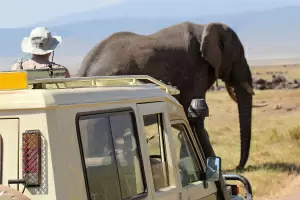
Wildlife technicians assist biologists by collecting field data on animal populations, trapping and tagging wildlife, and analyzing biological samples. Most positions require a bachelor's degree in biology or wildlife management, though some entry-level roles accept associate degrees with field experience. The work combines outdoor fieldwork with laboratory analysis, helping conserve species and habitats across federal, state, and nonprofit organizations.
Have you ever dreamed about working in the wilderness, finding and protecting endangered animals? Maybe you were inspired by wildlife documentaries or conservation stories. Becoming a wildlife technician offers a direct path into conservation work—and it's more accessible than you might think.
Here's the reality: while most wildlife technician positions require a bachelor's degree, the career offers hands-on outdoor work, meaningful conservation impact, and a clear pathway to advancement. Let's explore what wildlife technicians actually do, how much they earn, and how you can break into this field.
What Does a Wildlife Technician Do?
In the field, wildlife technicians are the boots-on-the-ground data collectors who make wildlife research possible. They inventory animal populations, trap and tag wildlife for tracking studies, and collect blood and tissue samples for health analysis. You'll also gather environmental samples—water, soil, and vegetation—to assess habitat conditions.
Wildlife technicians evaluate animal health, watching for signs of disease or injury. When animals are captured for study, technicians are responsible for their care and safe handling. Depending on the project location, you might need to drive four-wheel-drive vehicles through rugged terrain or pilot boats to reach remote fieldwork sites.
Back at the lab or field station, technicians set up and maintain research equipment, prepare biological specimens, and conduct experiments under a biologist's supervision. You'll record detailed field notes, analyze results, and manage lab supplies. The data you collect helps wildlife biologists make informed decisions about species conservation and habitat management.
Everything a wildlife technician does supports larger conservation goals. You're not just collecting data—you're contributing to efforts that protect endangered species and preserve critical habitats for future generations.
Wildlife Technician vs. Wildlife Manager vs. Wildlife Biologist
Confused about the differences between these roles? You're not alone—the wildlife field has several career levels with distinct responsibilities and requirements.
| Career Level | Education Required | Primary Responsibilities | Median Salary |
|---|---|---|---|
| Wildlife Technician | Bachelor's degree (typical) Associate degree + experience (some positions) | Collect field data, trap/tag animals, assist biologists, maintain equipment, prepare samples | $49,650 (BLS, 2022) |
| Wildlife Biologist | Master's degree (typical) Bachelor's for some entry positions | Design research studies, analyze data, write reports, make conservation recommendations, supervise technicians | $66,350 (BLS, 2022) |
| Wildlife Manager | Master's degree + experience | Oversee conservation programs, manage budgets, coordinate with agencies, develop policy, supervise staff | $137,940 (BLS, 2022) |
Most wildlife careers follow this progression: You start as a technician, gain field experience and additional education, advance to biologist, and potentially move into management. Each level builds on the previous one, with increasing responsibility and compensation.
Where Do Wildlife Technicians Work?
Most wildlife technicians work for federal and state wildlife and land management agencies like the U.S. Fish and Wildlife Service, state departments of natural resources, and the National Park Service. You'll find similar positions with nonprofit conservation organizations such as The Nature Conservancy and local land trusts.
Some technicians work for animal control agencies, where they remove and relocate potentially dangerous animals that come into contact with people. Others find positions with private environmental consulting firms that conduct wildlife surveys for development projects.
The work environment is split between outdoor fieldwork and indoor lab analysis. In the field, you're exposed to all types of weather—rain, heat, cold, and everything in between. Fieldwork can be physically demanding, requiring hiking through rough terrain while carrying equipment. There's also risk when handling aggressive or unpredictable animals.
You'll work with blood and other biological fluids when collecting samples, so following safety protocols is essential. Evening and weekend hours are common, especially during peak wildlife activity periods or migration seasons. Some positions are seasonal, with intensive fieldwork during the spring and summer months.
How Much Do Wildlife Technicians Make?
According to the Bureau of Labor Statistics, wildlife technicians (classified under Biological Technicians) earn a median annual salary of $49,650 as of 2022. However, actual earnings vary significantly based on experience level, geographic location, and employer type.
Entry-level wildlife technicians typically start at $35,000-$42,000 annually for full-time positions, while experienced technicians with specialized skills (like GIS analysis or advanced field techniques) can earn $55,000-$65,000 or more.
Geographic variations are substantial. Technicians working in states with large federal land holdings or robust state conservation programs tend to earn more. For example, positions in Alaska, California, and the Pacific Northwest often offer higher salaries to account for the cost of living and remote work conditions.
Federal positions generally offer higher base salaries, along with comprehensive benefits packages, including health insurance, retirement contributions, and paid leave. State positions vary by state budget and cost of living. Nonprofit organizations typically pay less but often provide unique research opportunities and more diverse fieldwork experiences.
Keep in mind that many entry-level positions are seasonal (6-9 months) rather than year-round, which affects annual earnings. As you gain experience and advance to year-round positions or move into wildlife biologist roles, earning potential increases significantly.
Job Outlook for Wildlife Technicians
Employment for biological technicians is projected to grow 5% from 2022 to 2032, with approximately 11,400 annual job openings nationally, according to Bureau of Labor Statistics projections. This growth rate is about average compared to all occupations.
However, there's an important caveat: most wildlife technician positions are with government agencies and nonprofit organizations, where job availability depends heavily on funding. Federal and state budget constraints can limit hiring, even when demand for conservation work exists. Competition for permanent, year-round positions remains strong.
The best opportunities exist for candidates with:
- Field experience from internships or volunteer work
- Technical skills in GIS (geographic information systems) mapping
- Data analysis and statistical software proficiency
- Specialized training in specific techniques (radio telemetry, DNA sampling, etc.)
- Willingness to relocate for seasonal positions
Many successful wildlife careers start with a series of seasonal technician positions that build experience and professional networks. This "seasonal circuit" approach can eventually lead to permanent positions.
How to Become a Wildlife Technician
Most wildlife technician positions require a bachelor's degree in biology, wildlife management, ecology, or a closely related field. However, some entry-level positions—particularly seasonal field assistant roles—will consider candidates with an associate degree plus relevant field experience.
The Bachelor's Degree Path (Most Common)
A fish and wildlife management degree provides the most direct preparation for technician work. These programs combine biology coursework with specialized wildlife courses covering population ecology, habitat management, and conservation techniques.
Strong alternative majors include environmental biology, ecology, forestry, or zoology. Regardless of major, your coursework should cover:
- General biology: Cellular biology, genetics, evolution, and physiology
- Ecology: Population dynamics, community ecology, and ecosystem processes
- Wildlife-specific courses: Mammalogy, ornithology, herpetology, or ichthyology
- Mathematics and statistics: Essential for data analysis
- Chemistry: Understanding biological processes and lab techniques
- Computer science: Data management, statistical software, and modeling
Critical Technical Skills
GPS and GIS skills are now essential for most wildlife technician positions. Take courses in geographic information systems and learn to work with spatial data. You'll use these tools daily to track animals, map habitats, and analyze spatial patterns.
Learn statistical programming languages such as R or Python for data analysis. Wildlife research relies heavily on quantitative analysis, and technicians who can process and visualize data are highly valued.
Gaining Field Experience
This is crucial: coursework alone won't land you a wildlife technician job. You need field and laboratory experience. Seek out:
- Undergraduate research opportunities: Work with professors on wildlife projects
- Internships: Federal and state agencies offer student programs (summer and year-round)
- Volunteer positions: Wildlife rehabilitation centers, nature centers, and research stations
- Technician positions: Even unpaid or low-paid field assistant roles build your resume
- Seasonal jobs: Bird banding stations, fish hatcheries, or wildlife surveys
Many wildlife technician job postings require 1-2 years of field experience. Build this experience during college through strategic internships and volunteer work.
The Associate Degree Path
Some entry-level wildlife technician positions—particularly field assistant or seasonal monitoring roles—will accept candidates with a two-year associate degree in wildlife technology, natural resources, or environmental science, especially if paired with strong field experience.
This path is more common for roles such as National Park Service technician positions or private land management positions. However, advancement opportunities are limited without a bachelor's degree, and many technicians with associate degrees eventually return to complete their four-year degree.
Professional Certifications
While not required for entry-level positions, certifications can make you more competitive:
- Wildlife Society certification: Associate Wildlife Biologist (AWB) designation
- GIS certifications: Esri or GISP credentials
- First aid/CPR: Often required for remote fieldwork
- Boating/ATV operation: Depending on project needs
Career Advancement Opportunities
Wildlife technician positions are often viewed as entry-level roles with clear advancement pathways. With additional education and experience, you can move into positions with greater responsibility and compensation.
The most common path: After 2-5 years as a technician, many professionals pursue a master's degree to become wildlife biologists. Graduate school allows you to specialize in a particular species group, ecosystem type, or conservation issue while developing advanced research skills.
Other advancement options include:
- Senior technician or crew leader: Supervise other technicians on large projects
- Specialized roles: Focus on specific techniques like radio telemetry, genetic analysis, or drone piloting
- Wildlife educator: Transition into public outreach and education
- Natural resource management: Shift toward habitat restoration or land management
- Environmental consulting: Work for private firms conducting wildlife surveys
Some technicians discover they prefer hands-on fieldwork to the desk work that comes with biologist positions. Long-term technician careers are viable, especially with federal agencies, where you can advance through technician pay grades.
Related careers you might explore include fisheries biologists, who focus on aquatic species management, or zoologists, who study animal behavior and physiology in more research-focused roles.
Frequently Asked Questions
Do I need a bachelor's degree to become a wildlife technician?
Most wildlife technician positions require a bachelor's degree in biology, wildlife management, or a related field. However, some entry-level seasonal positions will consider candidates with an associate degree plus substantial field experience. The more competitive permanent positions almost always require a four-year degree.
What's the difference between a wildlife technician and a wildlife biologist?
Wildlife technicians collect field data and assist with research under the supervision of biologists. Wildlife biologists design research studies, analyze data, write reports, and make conservation recommendations. Biologists typically require a master's degree, while technicians typically hold a bachelor's degree. Think of technicians as the essential field team members who gather the data that biologists analyze and interpret.
How much do entry-level wildlife technicians make?
Entry-level wildlife technicians typically earn between $35,000 and $42,000 annually for full-time positions, based on 2022 BLS data showing a median of $49,650 for all biological technicians. However, many entry-level positions are seasonal (6-9 months), which reduces annual earnings. Federal positions generally pay more than state or nonprofit roles. Salary increases significantly with experience and specialized skills.
What does a typical day look like for a wildlife technician?
Days vary dramatically depending on the project. You might start before dawn to set up mist nets for bird banding, spend midday processing captured animals (measuring, weighing, tagging), and finish by entering data and cleaning equipment. Field days can be long and physically demanding, while lab days involve specimen preparation, data entry, and equipment maintenance. Weather doesn't stop most fieldwork—you'll work in rain, heat, cold, and difficult terrain.
Can I advance from wildlife technician to wildlife biologist?
Yes, this is the most common career progression. After working as a technician for 2-5 years, many professionals pursue a master's degree in wildlife biology or a related field. Your technician experience helps you gain admission to competitive graduate programs and often shapes your research focus. Some technicians move into biologist roles with just a bachelor's degree, but master's-level positions offer better pay and more research autonomy.
Key Takeaways
- Education Requirements: A bachelor's degree in biology or wildlife management is typical, though some seasonal positions accept associate degrees with field experience. Strong candidates also bring GIS skills and proficiency with statistical software.
- Salary Expectations: Wildlife technicians earn a median of $49,650 nationally (BLS, 2022), with entry-level positions starting at $35,000-$42,000 and experienced technicians earning $55,000-$65,000. Federal positions generally offer higher pay and better benefits than state or nonprofit roles.
- Work Environment: Expect a mix of outdoor fieldwork in all weather conditions and indoor lab analysis. Physical demands include hiking rough terrain, handling animals, and working irregular hours, including evenings and weekends during peak seasons.
- Career Pathway: Wildlife technician positions serve as entry-level roles with clear advancement opportunities. Most technicians gain experience, pursue master's degrees, and advance to wildlife biologist positions within 5-7 years.
- Job Market Reality: Employment is projected to grow 5% through 2032, with approximately 11,400 annual openings. Competition for permanent positions remains strong, as most jobs are with government agencies that depend on funding. Building experience through seasonal positions, internships, and specialized skills significantly improves your chances.
Ready to start your wildlife conservation career? Explore degree programs in wildlife management, biology, and environmental science that prepare you for technician roles and beyond.
Professional Organizations and Resources
As you build your wildlife career, these organizations provide valuable networking, professional development, and job opportunities:
U.S. Fish and Wildlife Service is the federal agency responsible for managing and protecting wildlife resources. The website offers information about current conservation projects, regulations, and federal employment opportunities for wildlife technicians and biologists.
U.S. National Parks Service protects national parks and the wildlife within them. The NPS provides excellent information about domestic wildlife, volunteer and internship opportunities, and seasonal technician positions at parks nationwide.
The Wildlife Society is the leading professional organization for wildlife biologists and technicians. Student membership provides access to job boards, professional development resources, conferences, and networking opportunities. They also offer the Associate Wildlife Biologist certification.
Zoological Association of America serves professionals working with wildlife in captive settings, including zoos, aquariums, and wildlife rehabilitation centers. They provide best practices information and ethical guidance for wildlife management.
Additional Wildlife Resources
- Organization of Fish & Wildlife Information Managers - Technical resources for wildlife data management
- Wildlife Management Institute - Research and policy resources
- Association of Fish and Wildlife Agencies - State agency coordination and resources
2022 US Bureau of Labor Statistics salary and job growth figures for Biological Technicians reflect state and national data, not school-specific information. Conditions in your area may vary. Data accessed January 2026.