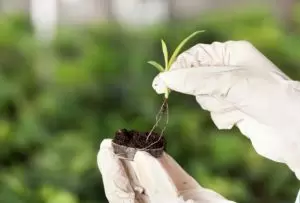


Horticulture technicians maintain plant health across diverse settings from greenhouses to agricultural fields. They monitor growth, manage watering and nutrients, control pests, and assist researchers in specialized applications. Classified under grounds maintenance workers by the Bureau of Labor Statistics, these positions offer a median salary of $38,470 annually with steady 4% job growth projected through 2034.
If you're drawn to working with plants and want a career that combines science with hands-on outdoor work, horticulture technology might be your path. These professionals play a crucial role in food production, scientific research, and environmental conservation—keeping plants healthy in settings ranging from university research labs to commercial farms.
Whether you're interested in sustainable agriculture, botanical research, or simply ensuring crops thrive, horticulture technicians bridge the gap between theoretical plant science and practical application. Let's explore what this career involves and how you can get started.
What Does a Horticulture Technician Do?
Also known as Horticultural Field Technicians or Greenhouse Technicians, horticulture technicians are specialized agricultural workers who ensure plants remain healthy and productive. Their day typically starts with visual inspections—checking for signs of disease, pest damage, or nutrient deficiencies across crops or research specimens.
You'll find them recording growth measurements, adjusting irrigation systems, and carefully applying treatments when problems arise. In research settings, they assist horticulturalists and scientists studying plant species, interspecies relationships, and specific ecological systems. While they don't design experiments, they need a solid understanding of plant biology, botany, and soil science to execute research protocols accurately.
Core responsibilities include monitoring moisture and nutrient levels, removing weeds that compete for resources, promoting pollination through strategic techniques, and treating diseased or pest-damaged plants. They dispose of dead organic material to prevent the spread of disease and maintain detailed records for quality control or research purposes.
In specialized research settings, some technicians contribute to biotechnology projects, including developing disease-resistant crops, conducting biofuel production research, and conducting genetic modification studies. The diversity of applications requires familiarity with farm equipment and machinery, though technicians focus more on plant care than heavy agricultural operations.
Where Does a Horticulture Technician Work?
Horticulture technicians work across remarkably varied environments, each offering different daily experiences. According to industry employment patterns, food manufacturing is a significant sector where technicians focus on maximizing crop health and production efficiency. Their careful plant monitoring and maintenance directly impact food supply and production quality.
Educational institutions, particularly colleges and universities, provide substantial employment opportunities. These roles often involve research in biology labs, hydroponics facilities, and experimental fields. Technicians here might work on plant health studies, pesticide testing, or contribute to agricultural research projects.
Support activities for agriculture, forestry, and food production offer another career path. These positions serve public parks, botanical gardens, eco-parks, and tourist attractions—ensuring ornamental and conservation plantings remain healthy and visually appealing for visitors and educational programs.
Scientific and technical consulting services employ technicians as third-party specialists offering horticultural expertise to public buildings, residential complexes, private forests, and farming operations that need professional plant care without maintaining full-time staff.
Direct crop production places technicians alongside farmers and ranchers in day-to-day agricultural operations. Their technical focus on plant health complements traditional farming roles by optimizing growing conditions throughout the growth cycle.
What Is the Average Horticulture Technician Salary?
According to the U.S. Bureau of Labor Statistics, grounds maintenance workers—a category that includes horticulture technicians—earned a median annual salary of $38,470 as of May 2024. The lowest 10 percent earned less than $30,139 annually, while the highest 10 percent earned more than $56,451.
Earnings vary significantly by industry sector and geographic location. Technicians in scientific research and specialized agricultural settings often command higher wages than those in general grounds maintenance or fundamental production roles. Your specific role responsibilities, education level, and years of experience also influence earning potential.
What Is the Job Demand for Horticulture Technicians?
The outlook for horticulture technicians remains steady. The BLS projects 4% employment growth for grounds maintenance workers from 2024 to 2034—roughly matching the average across all occupations—representing approximately 45,900 new positions. The broader grounds maintenance field anticipates approximately 171,600 job openings annually through 2034, including both new positions and replacement needs as workers retire or change careers.
Demand stays consistent in food production and agricultural operations. Growth opportunities are emerging in sustainable agriculture programs, urban green infrastructure projects, and specialized research applications addressing global food security challenges. The expanding emphasis on environmentally conscious landscaping and crop management should maintain stable employment opportunities throughout the projection period.
What Are the Education Requirements to Become a Horticulture Technician?
Educational requirements vary based on your target role and work environment. Entry-level positions in food production and general grounds maintenance often require only a high school diploma. These roles emphasize practical skills over formal scientific training, though a strong work ethic and attention to detail are essential.
For more technical positions—particularly those supporting researchers or working in specialized agricultural settings—a two-year associate degree is typically the minimum requirement. High school students planning this path should prioritize strong performance in mathematics, biology, and chemistry to prepare for college-level coursework.
Degree Options and Specializations
Biology and plant science degrees suit those interested in biotechnology or environmental engineering applications. Ecology and forestry programs also provide strong foundations, though students should select relevant minors and electives aligned with their career interests.
This remains fundamentally a practical, applied-science role. Postgraduate qualifications rarely prove necessary, but internships during your undergraduate program offer invaluable real-world experience. Seek internship opportunities that match your intended career direction, and build your academic program around those goals through strategic minor and elective choices.
Essential Skills for Success
Beyond formal education, successful horticulture technicians develop keen observational abilities to detect subtle changes in plant health. Physical stamina matters—you'll spend considerable time standing, bending, and working outdoors in varied weather conditions. Mechanical aptitude is helpful when operating irrigation systems, greenhouse climate controls, and various types of agricultural equipment.
Strong record-keeping skills prove crucial, particularly in research settings where precise documentation supports project outcomes. Basic computer literacy has become increasingly important as digital monitoring systems and data management tools become standard across the industry.
Horticulture Technician - Related Degrees
What Kind of Societies and Professional Organizations Do Horticulture Technicians Have?
Several organizations support professional development and networking for those in horticulture and related agricultural fields:
American Society of Agronomy promotes sustainable, ecologically conscious agricultural practices worldwide. The organization recognizes that modern agronomy requires multidisciplinary approaches, bringing together professionals from various specializations to address complex agricultural challenges.
Soil Science Society of America is an international scientific body dedicated to disseminating horticultural knowledge from a soil science perspective. Understanding soil composition and health forms the foundation of effective plant care across all horticultural applications.
Future Farmers of America specifically serves students pursuing careers in agronomy, soil science, sustainable farming, and agricultural sciences. The organization helps emerging professionals connect with industry mentors and stay informed about innovations driving agriculture toward greater sustainability.
Frequently Asked Questions
What's the difference between a horticulture technician and a horticulturalist?
Horticulture technicians focus on hands-on plant care and maintenance, executing established procedures for watering, pest control, and growth monitoring. Horticulturalists typically hold advanced degrees and design research projects, develop cultivation strategies, and provide expert consultation on complex plant health issues. Think of technicians as the skilled implementers who bring horticulturalists' expertise to practical application.
Do I need a college degree to become a horticulture technician?
Requirements vary by position. Many entry-level roles in food production and general grounds maintenance require only a high school diploma. However, positions in research labs, specialized agricultural operations, and universities typically need at least an associate degree in plant science, biology, or a related field. The more technical your desired role, the more formal education benefits your career prospects.
What skills do horticulture technicians need beyond plant knowledge?
Successful technicians combine observational skills with physical capabilities. You'll need stamina for outdoor work in various weather conditions, mechanical aptitude to operate equipment, and meticulous record-keeping skills. Strong attention to detail helps you spot early signs of plant stress or disease, while basic computer skills support modern digital monitoring systems and data management.
Can horticulture technicians work indoors, or is it all outdoor work?
The work environment varies significantly by employer. Greenhouse technicians work primarily indoors in climate-controlled environments. Research positions may split time between indoor specimen rooms and outdoor test plots. Food production and grounds maintenance roles typically involve more outdoor fieldwork, though some facilities use extensive greenhouse operations. Your work setting depends mainly on the industry sector and the specific employer you choose.
What's the career progression for horticulture technicians?
Many technicians advance to senior technician roles, overseeing teams or managing specific projects. With additional education, some transition into horticulturalist positions, research roles, or agricultural management. Others specialize in areas such as integrated pest management, irrigation system design, or organic farming practices. The hands-on experience you gain as a technician provides a strong foundation for numerous agricultural and environmental science careers.
Key Takeaways
- Diverse Work Environments: Horticulture technicians work across agriculture, education, research, and grounds maintenance, with opportunities in both indoor greenhouse settings and outdoor agricultural operations.
- Accessible Entry Requirements: Many positions require only a high school diploma, though associate degrees significantly expand opportunities into research and specialized technical roles with higher earning potential.
- Steady Employment Outlook: The grounds maintenance workers category, which includes horticulture technicians, projects 4% growth through 2034 with approximately 45,900 new positions, driven by sustainable agriculture initiatives and urban green infrastructure projects.
- Median Salary of $38,470: Grounds maintenance workers, including horticulture technicians, earned a median annual salary of $38,470 in May 2024, with earnings varying by industry sector, specialization, and geographic location.
- Hands-On Science Career: This role emphasizes practical plant-care skills—monitoring growth, managing irrigation, controlling pests, and maintaining detailed records to support food production, research projects, and landscape management.


Ready to grow your career in horticulture? Explore degree programs in plant science, biology, and environmental studies that prepare you for this hands-on field.
2024 US Bureau of Labor Statistics salary and job growth figures for grounds maintenance workers reflect national data, not school-specific information. Conditions in your area may vary. Data accessed January 2026.