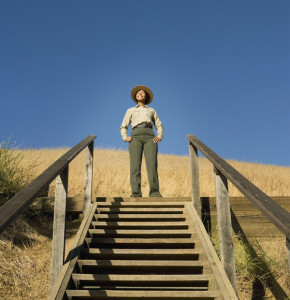
Wildlife officers, also called fish and game wardens, enforce hunting and fishing regulations to protect wildlife populations while ensuring public safety in parks and natural areas. These conservation law enforcement professionals earned a median salary of $60,380 as of May 2023 according to the Bureau of Labor Statistics, with experienced officers in top-paying states earning over $86,000 annually. Education requirements vary by agency—some states accept high school diplomas with POST certification, while most competitive positions require associate's or bachelor's degrees in wildlife management, biology, or related fields, plus specialized law enforcement academy training.
If you're passionate about wildlife conservation and enjoy working outdoors, becoming a wildlife officer might be the perfect career path. These professionals serve as the front-line defenders of our natural resources, balancing law enforcement duties with education and conservation efforts. Unlike forest rangers, who focus on land management, wildlife officers primarily protect fish and game populations through regulatory enforcement.
What Does a Wildlife Officer Do?
Wildlife officers patrol designated areas to enforce game, fish, and boating laws that protect wildlife populations and ensure sustainable use of natural resources. Their work directly impacts the health of ecosystems and the future of wildlife for generations to come.
During daily patrols, wildlife officers monitor forests, lakes, rivers, and coastal areas by boat, plane, horse, on foot, or on an all-terrain vehicle. They check hunting and fishing licenses, inspect catches and harvests to ensure compliance with bag limits and size restrictions, and verify that hunters and anglers are following seasonal regulations. When they discover violations, officers have the authority to issue warnings, citations, or make arrests depending on the severity of the offense. They also determine proper disposal methods for illegally obtained fish and game.
Law enforcement constitutes a significant portion of the job. Wildlife officers investigate hunting accidents, poaching operations, and illegal wildlife trafficking. Severe cases may require serving warrants, conducting undercover operations to expose illicit hunting and fishing operations, collecting evidence, and testifying in court. Officers document violations thoroughly, photograph crime scenes, and maintain detailed incident reports that can withstand legal scrutiny.
Beyond enforcement, wildlife officers play crucial roles in public safety and education. They participate in search-and-rescue operations for lost hikers and injured outdoor enthusiasts. They investigate reports of wildlife-related property damage, helping landowners understand their options and rights. Officers also manage hunter education programs, teaching firearm safety, ethical hunting practices, and wildlife conservation principles. Many conduct outreach by speaking at local schools, hunting and fishing clubs, and nature organizations, helping build public understanding of conservation regulations.
By consistently enforcing hunting and fishing regulations, wildlife officers help maintain healthy population levels of fish and game species. They implement wildlife management programs by conducting research, inventorying animals and their habitats, and reporting on environmental conditions. This data helps biologists and managers make informed decisions about hunting seasons, bag limits, and habitat protection measures.
Where Does a Wildlife Officer Work?
Most wildlife officers work for state fish and game departments, though some are employed by federal agencies such as the U.S. Fish and Wildlife Service or the National Park Service. These positions offer the opportunity to work in some of the most beautiful natural settings in the country. Still, the work environment comes with significant challenges that candidates should understand before pursuing this career.
Wildlife officers spend most of their time working outdoors in all weather conditions throughout the year. This means patrolling in scorching summer heat, freezing winter cold, driving rain, and deep snow. You'll be exposed to mosquitoes, ticks, and other pests regularly. The job requires traversing rough terrain on foot while carrying equipment, navigating waterways by boat, and sometimes accessing remote areas by horseback or all-terrain vehicle. Physical fitness isn't optional—it's essential for performing daily duties safely and effectively.
The work carries inherent risks that distinguish it from typical law enforcement careers. Wildlife officers typically patrol alone in remote locations with minimal immediate backup available. While officers carry firearms for protection, they may encounter hostile individuals engaged in illegal activities who don't want to be caught. There's also a risk of injury from aggressive or frightened animals during wildlife encounters. Officers must balance assertive law enforcement with tactical awareness of their surroundings.
Work schedules are demanding and unpredictable. Wildlife officers must work when hunters and anglers are most active, which means regular evening, weekend, and holiday shifts. During hunting seasons, 12-hour shifts and split schedules are standard. Emergency responses to search-and-rescue operations or wildlife incidents can occur at any time, requiring officers to respond immediately regardless of personal plans.
Geographic employment is distributed nationwide, though California, New York, Tennessee, Florida, and Arizona employ the most fish and game wardens. Many positions are in rural or remote areas far from major cities, which affects lifestyle and access to amenities. State employment patterns show interesting geographic variation—officers in states with higher costs of living typically earn significantly more to compensate.
What Is the Average Wildlife Officer Salary?
According to the Bureau of Labor Statistics, fish and game wardens earned a median annual salary of $60,380 as of May 2023. This median figure represents the midpoint—half of wildlife officers earn more, and half earn less. The mean (average) salary was slightly higher at $61,120, reflecting some higher-paid positions pulling the average upward.
Salary ranges vary considerably based on experience, location, and employer. The lowest 10 percent of earners earned less than $33,260 annually, typically in entry-level positions, in states with lower costs of living. The 75th percentile earned $72,900, while the highest 10 percent earned more than $86,880. Top-paying states like California ($89,020 average), Minnesota ($88,280), and Washington ($82,320) offer substantially higher compensation than the national median, reflecting both higher costs of living and strong state conservation funding.
State government positions, which employ approximately 95% of all fish and game wardens, averaged $61,620 annually as of May 2023. Local government wildlife officer positions, which are less common, averaged $51,810. Federal wildlife officers working for agencies like the U.S. Fish and Wildlife Service typically earn competitive federal pay scales, comprehensive benefits packages, and regular cost-of-living adjustments.
Geographic salary differences are striking. Officers in Florida earn an average of $31,010, while those in California average $89,020—nearly three times higher. Tennessee ($72,200), New York ($76,060), and Hawaii ($73,070) also offer above-average compensation. These differences reflect state budget priorities, cost-of-living variations, and the strength of state conservation programs. Metropolitan areas generally pay more than rural areas, with Sacramento ($95,250) and Nashville ($82,790) leading the way in metro-area compensation.
Beyond base salary, wildlife officer positions offer strong benefits packages, including health insurance, retirement plans (often with pension systems), paid time off, and, sometimes, housing allowances for remote duty stations. Many agencies provide uniforms, vehicles, and equipment. The combination of outdoor work, meaningful conservation impact, and reasonable compensation makes this career attractive to those passionate about wildlife protection, even if salaries don't match those of urban law enforcement agencies.
Wildlife Officer Jobs & Responsibilities
Wildlife officer positions focus on protecting and conserving wildlife and ecological resources, particularly in forests, rangelands, wetlands, and coastal areas. While specific duties vary by agency and geographic region, most wildlife officers engage in these core activities:
Officers serve as first responders to natural or human-caused threats in their patrol areas. They combat forest fires, conduct search-and-rescue missions on foot, by vehicle, snowmobile, and aircraft, and patrol extensive territories to maintain a visible presence. They verify that visitors to public lands have the necessary permits, appropriate supplies, and adequate skills for their planned activities. Ensuring compliance with state and federal laws regarding hunting, fishing, camping, and resource use forms the foundation of daily work.
Education and outreach represent another critical dimension of the role. Wildlife officers create and facilitate wildlife safety and conservation programs for diverse audiences. They hire and train volunteer staff for special projects and busy seasons. Officers provide wildlife services, consultancy, and information to private landowners and other stakeholders who manage habitat on their properties. They assist with state lands management, inspect sites for environmental field reports, and work in remote locations regardless of weather conditions.
Research and monitoring duties include processing wildlife specimens and samples as non-invasively as possible, mapping migration patterns and habitats using GPS and GIS technology, tracking predator-prey movements and population dynamics, and maintaining detailed records. Officers also perform maintenance and construction activities on facilities, equipment, and habitat improvement projects.
Career Advancement for Wildlife Officers
Senior wildlife officers with several years of experience may have opportunities to advance into leadership and specialized positions. Many become team leads or captains responsible for managing and deploying personnel during wildlife-human emergencies or high-alert situations. These positions involve scheduling personnel rotations to maximize organizational resources while ensuring the safety and protection of both visitors and wildlife.
In leadership roles, senior officers create and enforce policies that regulate visitor access to sensitive areas, develop and facilitate safety programs that protect humans and wildlife, and identify staffing and funding shortfalls while working to address them equitably. They provide consultancy and advocacy to local landowners and other stakeholders, consult with policymakers regarding regulations that may impact regional wildlife, oversee site inspections and environmental reporting, deploy teams to remote locations with appropriate training and resources, and assess and report on changes in wildlife populations and habitats.
Some wildlife officers advance to become trainers who create training materials, conduct academy classes, and run field training programs for recruits. Others move into administrative positions managing larger programs, budgets, and multiple teams of field officers. A smaller number transition into wildlife biology or management roles, applying their field experience to research and policy development positions.
What Is the Job Demand for Wildlife Officers?
Employment outlook for fish and game wardens presents a nuanced picture. According to Bureau of Labor Statistics data, approximately 6,290 fish and game wardens were employed nationwide as of May 2023. While specific projections for this occupation aren't published separately from broader conservation worker categories, related occupations show modest employment changes expected through 2034.
Several factors affect trends in wildlife officer employment. Many state fish and game departments face budget pressures as hunting and fishing license sales decrease nationally due to demographic shifts and changing recreational preferences. Technology improvements enable fewer officers to monitor larger areas using tools such as trail cameras, drones, and GPS tracking systems. Some agencies are consolidating positions or cross-training officers to cover multiple roles, improving efficiency but reducing total headcount.
However, this doesn't mean opportunities don't exist. Retirements and career transitions create regular openings even when overall positions remain steady or decline slightly. The occupation employs a relatively small workforce concentrated in specific agencies, so even a few dozen annual openings nationwide represent meaningful opportunities for qualified candidates. States withextensivee public lands, strong outdoor recreation economies, and robust conservation funding continue hiring to maintain enforcement capacity.
Competition for wildlife officer positions remains strong because many people are passionate about outdoor work and conservation. The most successful candidates have strong educational backgrounds (associate's or bachelor's degrees in wildlife-related fields), excellent physical fitness, clean criminal records, and proven experience working in outdoor or law enforcement settings. Veterans often receive hiring preference for federal positions. Candidates willing to relocate to rural areas or states with active hiring increase their employment prospects significantly.
How Do I Become a Wildlife Officer?
Education requirements for wildlife officers vary significantly by agency and state. Some state agencies still accept high school diplomas combined with POST (Peace Officer Standards and Training) certification and relevant experience, particularly for entry-level positions. However, the trend across most agencies is toward higher educational standards, with associate's degrees increasingly viewed as minimum qualifications and bachelor's degrees strongly preferred or required for competitive positions.
The most relevant degree programs include wildlife management, wildlife biology, natural resources management, biology, zoology, forestry, criminal justice, and environmental science. These programs provide essential knowledge about wildlife ecology, habitat management, species identification, population dynamics, and conservation principles. Coursework in criminal justice or law enforcement supplements the wildlife knowledge with skills needed for the regulatory enforcement aspects of the career.
According to Bureau of Labor Statistics surveys, the majority of fish and game wardens hold at least associate's degrees, with many holding bachelor's degrees or higher. This reflects the increasingly technical nature of wildlife management and the competitive hiring environment. Bachelor's degree holders have significantly better hiring prospects and faster career advancement opportunities. Some candidates pursue master's degrees in wildlife management or biology to stand out in the applicant pool or to qualify for specialized research or policy positions.
Once hired, recruits attend specialized law enforcement academy training lasting 12 to 36 weeks, depending on the agency. This training covers state and federal wildlife laws, defensive tactics, firearms qualification, arrest procedures, evidence collection, report writing, first aid, and survival skills. Physical conditioning is a significant component, as wildlife officers need excellent fitness to meet the physical demands of patrol work. Some states require completion of POST certification as part of academy training, while others have separate wildlife-specific academy programs.
Many agencies require candidates to pass civil service exams, undergo extensive background investigations, complete physical fitness tests, swim tests, firearms qualifications, psychological evaluations, and medical examinations before being hired. Drug screening and polygraph examinations are standard. The entire hiring process from application to academy graduation can take 12 to 18 months, and competition is intense with hundreds of applicants sometimes competing for a single position.
Related Degree Options for Wildlife Officers
Essential Skills for Wildlife Officers
Success as a wildlife officer requires a diverse skill set spanning physical abilities, technical knowledge, and interpersonal capabilities. Physical fitness and outdoor skills form the foundation—officers must be capable of hiking long distances with heavy equipment, operating various vehicles and watercraft, working comfortably in extreme weather, and physically confronting suspects when necessary. Swimming ability, wilderness survival skills, and comfort with firearms are prerequisites.
Wildlife knowledge distinguishes effective officers from merely adequate ones. You need the ability toaccurately identify native and game species, understand habitat requirements and behavioral patterns, recognize signs of disease or poaching, and grasp population management principles. This knowledge informs enforcement decisions and helps officers educate the public effectively.
Communication and interpersonal skills prove essential for both enforcement and education roles. Officers must de-escalate tense confrontations, explain complex regulations clearly, write detailed reports that hold up in court, present evidence and testimony professionally, and teach hunter education classes engagingly. The ability to read people and situations helps officers decide when warnings are appropriate and when citations are necessary.
Investigation and documentation skills support the law enforcement dimension of the work. Officers must accurately observe and retain details, photograph evidence correctly, collect and preserve physical evidence in accordance with legal standards, interview witnesses and suspects effectively, and maintain meticulous records. Attention to detail during investigations ensures successful prosecutions of serious violations.
Finally, decision-making under pressure separates good officers from great ones. Wildlife officersfrequently work alone and must make judgment calls on safety, enforcement, and resource allocation without immediate supervision. Sound judgment, integrity, and commitment to conservation ethics guide these decisions even when no one is watching.
A Day in the Life of a Wildlife Officer
Wildlife officer workdays vary dramatically by season, location, and current enforcement priorities, but here's what a typical day during hunting season might look like:
You arrive at a remote boat launch two hours before sunrise during duck season. After checking your patrol boat and ensuring all emergency equipment is aboard, you position yourself near the lake's marsh areas where waterfowl hunting is popular. As dawn breaks, you observe hunters setting up in blinds, noting their locations and watching for potential violations. You approach several groups, checking hunting licenses, duck stamps, and shotgun plug compliance. One hunter has an unplugged shotgun—you explain the violation, provide an educational warning, and ensure they correct it before continuing to hunt.
By mid-morning, you patrol backcountry areas by truck, checking for deer hunters. You discover evidence of a recent kill—blood trail, drag marks, and discarded gut pile—but no hunter in sight. Using tracking skills, you follow the trail and eventually locate a hunter who has tagged an illegal doe instead of the antlered deer allowed by his permit. This requires issuing a citation, confiscating the illegally taken deer, and documenting everything thoroughly for potential court proceedings.
In the afternoon, a call comes in about an injured hiker near a wilderness trailhead. You coordinate with local search-and-rescue volunteers, hike three miles into rough terrain, and help carry the injured person out on a stretcher. Back at your truck, you complete an incident report while the injured hiker receives medical attention.
Evening finds you conducting hunter education at a local sportsman's club. You present information about new regulations for the upcoming season, answer questions about harvest reporting requirements, and distribute educational materials. Before heading home well after dark, you patrol popular fishing spots along the river, checking night fishermen for licenses and proper gear.
Some day, you will testify in court about the citations you issued. On other days, you assist biologists with wildlife surveys, install trail cameras to monitor illegal dumping in sensitive areas, or conduct hunter education programs at elementary schools. The variety keeps the work interesting, though the long hours and irregular schedule challenge work-life balance.
Professional Organizations for Wildlife Officers
Aspiring and current wildlife officers can benefit from several professional organizations and resources:
- U.S. Fish and Wildlife Service - This bureau within the Federal Government's Department of the Interior ensures that all wildlife laws and restoration projects are being adequately enforced and executed. They provide information about federal wildlife laws, conservation programs, and federal employment opportunities for wildlife officers and biologists.
- U.S. National Park Service - This bureau within the Federal Government's Department of the Interior protects the U.S.'s national parks and the wildlife within them. They offer information about wildlife in protected areas, volunteer and internship opportunities, and potential employment for wildlife officers interested in national park settings.
- The Wildlife Society - This non-profit conservation society provides wildlife professionals with current information, conferences, and professional development opportunities to ensure they stay up to date on the latest research and management techniques. They also offer networking opportunities, certification programs, and career resources.
- Zoological Association of America - This non-profit organization disseminates current information about best practices in zoological fields and hosts meaningful ethical conversations that continually arise in wildlife management and conservation. They provide resources for wildlife professionals working with captive and wild populations.
Frequently Asked Questions
Is being a wildlife officer dangerous?
Yes, wildlifeofficers'r work involves significant risks. Officers patrol alone in remote areas with limited backup, often confronting individuals engaged in illegal activities who may be armed or hostile. Fish and game wardens have one of the highest rates of injuries and illnesses among law enforcement occupations. Physical dangers include encounters with aggressive wildlife, working in extreme weather conditions, navigating treacherous terrain, and potential confrontations during enforcement actions. Officers wear personal protective equipment and follow strict safety procedures, but the role entails accepting the inherent risks of remote law enforcement work.
Do I need a 4-year degree to become a wildlife officer?
Education requirements vary by state and agency. Some states still accept high school diplomas combined with POST (Peace Officer Standards and Training) certification and relevant experience for entry-level positions. However, most competitive state agencies now prefer or require at least an associate's degree, with bachelor's degrees in wildlife management, biology, natural resources, or related fields providing the best prospects. According to Bureau of Labor Statistics data, the majority of fish and game wardens hold at least associate's degrees, with many holding bachelor's degrees. The technical nature of modern wildlife management and the competitive hiring environment make higher education increasingly crucial for career success and advancement.
What's the difference between a wildlife officer and a park ranger?
While both work in outdoor settings protecting natural resources, their primary focuses differ. Wildlife officers (also called game wardens) specifically enforce hunting and fishing regulations to protect wildlife populations. Their work centers on law enforcement related to wildlife laws, conducting investigations, issuing citations, and educating hunters and anglers. Park rangers have broader responsibilities, including visitor services, campground management, interpretive programs, facility maintenance, and general park operations. Rangers also enforce regulations, but typically focus on park-use rules rather than wildlife-specific laws. Wildlife officers need a deeper understanding of wildlife biology and hunting regulations, while park rangers require a broader understanding of park management and visitor services.
Can wildlife officers work in multiple states?
Generally, no. State wildlife officers are licensed and trained to comply with the laws and regulations of their employing state, which vary significantly between states. Each state has unique hunting seasons, bag limits, species management plans, and legal codes that officers must know thoroughly. Moving to another state typically requires completing that state's hiring process, attending its law enforcement academy, and learning its specific regulations. Federal wildlife officers working for agencies like the U.S. Fish and Wildlife Service may transfer between states more easily. However, they still need to learn state-specific rules that apply in their new duty areas alongside federal wildlife laws.
What are the biggest challenges wildlife officers face?
Wildlife officers identify several recurring challenges in their careers. Working alone in remote locations with delayed backup during potentially dangerous confrontations creates inherent safety concerns. Irregular schedules, including frequent evening, weekend, and holiday shifts, make work-life balance difficult, especially for officers with families. Budget constraints at many state agencies result in covering larger patrol areas with fewer officers and aging equipment. Some officers struggle with the emotional toll of encountering poaching, animal cruelty, and habitat destruction. Declining hunting and fishing participation reduces license revenue that funds conservation programs and officer positions. Finally, public misunderstanding of wildlife regulations and the role officers play in protecting natural resources for future generations can make enforcement and education more challenging.
Key Takeaways
- Competitive Salary with Geographic Variation: Fish and game wardens earned a median salary of $60,380 as of May 20,23 according to Bureau of Labor Statistics data, with top-paying states like California ($89,020) and Minnesota ($88,280) offering significantly higher compensation than the national median.
- Flexible Education Requirements: While some states accept high school diplomas with POST certification, most competitive positions prefer associate's or bachelor's degrees in wildlife management, biology, or related fields, plus specialized law enforcement academy training lasting 12-36 weeks.
- Diverse Responsibilities: Wildlife officers balance law enforcement duties (checking licenses, investigating violations, issuing citations) with public safety roles (search-and-rescue, hunter education) and conservation work (wildlife surveys, habitat monitoring, data collection for management decisions).
- Challenging Work Environment: The career requires excellent physical fitness for patrolling remote areas in all weather conditions, acceptance of irregular schedules including evenings and weekends during peak seasons, and comfort working alone in potentially dangerous situations with limited immediate backup.
- Meaningful Conservation Impact: Wildlife officers directly protect wildlife populations and habitats by consistently enforcing regulations, educating the public on conservation principles, and collecting data to inform wildlife management decisions, ensuring sustainable natural resources for future generations.


Ready to protect wildlife and work outdoors? Explore wildlife management and biology degree programs that can prepare you for a career as a wildlife officer.
2023 US Bureau of Labor Statistics salary and employment figures for fish and game wardens reflect national data, not school-specific information. Conditions in your area may vary. Data accessed January 2026.