Category Archives: Environmental Engineer

Environmental Engineer

Environmental Engineering and GIS

Over the past decade, GIS has evolved from an optional specialty to an essential competency for environmental engineers and scientists. Entry-level environmental professionals with GIS skills earn $60,000-$75,000 annually, while experienced specialists command $85,000-$110,000+ according to 2024 Bureau of Labor Statistics data. Most positions require a bachelor's degree in environmental science, engineering, geography, geology, or…
Read more

What Is Environmental Engineering and Why Does It Matter?

Environmental engineering applies scientific and engineering principles to protect human health and the environment through clean water systems, air quality management, and sustainable waste solutions. Environmental engineers earn a median annual salary of $104,170, with the field projected to grow 4% through 2034, adding approximately 1,500 new positions. This interdisciplinary career combines civil engineering, chemistry,…
Read more

Wind Power 101

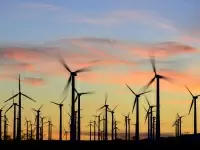
Wind power harnesses kinetic energy from moving air using turbines with rotating blades to generate clean electricity. Modern wind farms can produce power at around 4 cents per kilowatt-hour, making wind one of the most cost-effective renewable energy sources available today, with over 1,100 GW of capacity installed globally as of 2024. Modern wind power…
Read more

Natural Gas 101: Pros, Cons & Career Guide

Natural gas is a fossil fuel primarily composed of methane, formed over millions of years from decayed organic matter. It supplies approximately 22% of global energy needs for heating, electricity generation, and industrial processes. While natural gas burns cleaner than coal or oil—producing 50% less carbon dioxide—its extraction and use raise environmental concerns including methane…
Read more

Hydroelectric Power: How It Works, Pros & Cons, and Careers

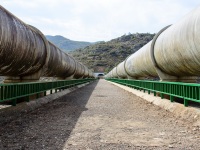
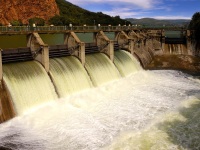
Hydroelectric power harnesses the kinetic energy of moving water to generate electricity, making it the world's most widely used renewable energy source. It's clean, cost-effective, and capable of producing power at scales ranging from a few kilowatts to over 20 gigawatts. It currently generates roughly 19% of the world's electricity, with careers in the field…
Read more

How Radiocarbon-14 Dating Works

Radiocarbon dating measures the decay of carbon-14 isotopes in organic materials to determine their age, typically within a range of 55,000-60,000 years. Developed in the 1940s by Willard Libby, this method revolutionized archaeology, environmental science, and climate research by providing accurate dates for wood, bone, pollen, and other organic remains. Today's Accelerated Mass Spectrometry (AMS)…
Read more

Is Environmental Science Really a Good Major?

Environmental science is a strong major choice for 2026, with median salaries of $80,060 and projected 4% job growth through 2034. The field combines biology, chemistry, geology, and policy to address real-world environmental challenges, preparing graduates for careers in consulting, government agencies, conservation, and research with approximately 8,500 annual job openings nationwide. When prospective students…
Read more

What We Wish We Had Known before Majoring in Environmental Science

Environmental science students consistently identify four critical areas they wish they'd understood before starting their major: the foundational importance of chemistry across all specializations, the competitive nature of introductory science courses, the long-term value of professional networking from day one, and the significant adjustment required for university-level science education. These insights come from hundreds of…
Read more