


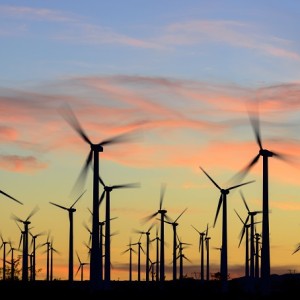
Wind power harnesses kinetic energy from moving air using turbines with rotating blades to generate clean electricity. Modern wind farms can produce power at around 4 cents per kilowatt-hour, making wind one of the most cost-effective renewable energy sources available today, with over 1,100 GW of capacity installed globally as of 2024.
Modern wind power represents one of humanity's oldest energy technologies transformed for the 21st century. While we've harnessed wind for sailing ships for over 5,000 years and powered windmills for 1,500 years, today's wind industry has evolved into the world's fastest-growing power source. With technological advances and government support driving unprecedented expansion, wind energy now provides clean, affordable electricity to millions while creating diverse career opportunities for environmental science professionals.
Table of Contents
- How Wind Power Technology Works
- Why Location Matters
- Advantages and Disadvantages
- Global Wind Power Capacity
- Future Growth Trends
- Wind Power Career Opportunities
- Educational Pathways to Wind Energy Careers
- Frequently Asked Questions
- Key Takeaways
How Wind Power Technology Works
All wind turbines operate on the same basic principle: wind pushes large blades, which rotate a shaft connected to an electrical generator. Today's wind farms use horizontal-axis turbines that look like massive three-blade fans, rather than vertical turbines that resemble giant egg beaters. Horizontal designs have proven more efficient and reliable for large-scale power generation.
Modern wind turbines typically stand about 100 meters (330 feet) tall—roughly the height of a 30-story building. At these heights, winds are stronger and more consistent than at ground level. Wind strength is critical because electrical output corresponds to the cube of wind speed. This means doubling wind speed produces eight times more power, making site selection crucial for project success.
Why Location Matters
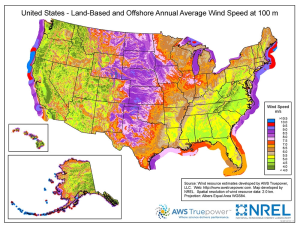 Wind strength varies dramatically by geography, with the strongest winds found offshore. While offshore wind farms dominate in countries like Denmark, the United Kingdom, and China, the United States has been slower to develop these resources due to regulatory and infrastructure challenges.
On land, the strongest winds occur across the Great Plains states, creating what's often called "America's wind corridor." States like Texas, Iowa, Kansas, and North Dakota have capitalized on these resources, with Kansas and North Dakota now generating over 20% of their electricity from wind power. Texas leads the nation in total wind capacity, while Iowa generates the highest percentage of its electricity from wind.
The Great Plains States have taken advantage of this to become the major players in U.S. wind power. Along with California, Texas, and Iowa are leaders in wind power capacity. Kansas and North Dakota, though smaller, generate upwards of 20% of their electricity from wind power.
Advantages and Disadvantages
**Advantages of Wind Power:**
Wind offers several compelling benefits as an energy source. It's completely free and renewable, producing no greenhouse gases or water pollution during operation. Unlike fossil fuel plants, wind turbines use no water for cooling, making them valuable in drought-prone regions. Maintenance costs remain relatively low once turbines are installed and operational.
For rural communities, wind farms provide economic benefits through lease payments to landowners and local tax revenue. Farmers and ranchers can continue using their land for agriculture while earning additional income from wind leases. Environmental scientists also find wind power attractive because it helps diversify energy portfolios and reduce dependence on fossil fuels.
**Disadvantages and Challenges:**
Wind power faces several limitations that affect its deployment. Wind speeds are location-dependent and intermittent, though when averaged annually, they tend to be quite predictable. High upfront costs for turbine installation and transmission infrastructure can be substantial, particularly for projects in remote areas.
Environmental concerns include increased mortality rates among birds and bats, though environmental scientists continue developing solutions like radar detection systems and strategic siting. Getting power from remote wind farms to urban centers requires significant transmission infrastructure investments.
The Department of Energy reports that new long-term wind contracts average 4 cents per kilowatt-hour. These are average power purchase agreement (PPA) costs that can vary by region. At this rate, wind is more cost-effective than solar power (11 cents) and conventional coal plants (9 cents per kilowatt-hour), though solar costs have decreased in many areas.
Global Wind Power Capacity
As of 2024, worldwide wind capacity exceeds 1,100 GW, representing massive growth from just 300 GW in 2013. The top five global leaders have shifted significantly:
| Rank | Country | Capacity (GW) | Global Share |
|---|---|---|---|
| #1 | China | 380+ GW | 35% |
| #2 | United States | 150+ GW | 14% |
| #3 | Germany | 70+ GW | 6% |
| #4 | India | 65+ GW | 6% |
| #5 | Spain | 30+ GW | 3% |
Future Growth Trends
Wind power capacity continues to grow at remarkable rates globally. The Department of Energy maintains its goal of producing 20% of U.S. electricity through wind power by 2030, requiring continued improvements in turbine technology and transmission infrastructure.
Offshore wind development represents the industry's next major frontier, with the Biden administration targeting 30 GW of offshore wind capacity by 2030. These projects will require new specialized vessels, installation techniques, and maintenance approaches, creating additional career opportunities for wind energy engineers and marine environmental specialists.
Wind Power Career Opportunities
The wind energy sector employs over 140,000 Americans across diverse fields, according to the American Clean Power Association. This represents substantial growth from earlier industry estimates and reflects the sector's rapid expansion.
**Engineering and Technical Roles:**
Wind energy engineers design, test, and optimize turbine systems, earning median salaries between $75,000-$120,000 annually. These professionals often hold degrees in mechanical, electrical, or environmental engineering. Wind turbine technicians maintain and repair equipment, with specialized training programs available at community colleges and technical schools.
**Environmental and Planning Roles:**
Environmental professionals play crucial roles in wind development. Environmental scientists conduct site assessments, monitor wildlife impacts, and develop mitigation strategies for bird and bat mortality. They typically earn $60,000-$90,000 annually and often hold environmental science or biology degrees.
Environmental planners analyze potential wind farm locations, navigating zoning regulations and community concerns. These roles require strong communication skills and understanding of environmental law, with many professionals holding master's degrees in environmental planning or related fields.
**Legal and Regulatory Careers:**
Environmental lawyers specializing in renewable energy help navigate complex permit processes, environmental regulations, and land use agreements. These positions typically require law degrees with environmental law concentrations and can command salaries exceeding $100,000 annually.
Educational Pathways to Wind Energy Careers
Several degree programs prepare students for wind energy careers. Environmental science programs provide the interdisciplinary foundation needed for environmental assessment and planning roles. These programs typically cover ecology, chemistry, geology, and environmental policy—all relevant to wind project development.
Mechanical and electrical engineering degrees lead directly to wind energy engineering positions. Many universities now offer renewable energy concentrations within engineering programs, focusing specifically on wind and solar technologies.
For those interested in project development and environmental compliance, environmental studies, or environmental planning, master's programs provide advanced training in policy analysis, stakeholder engagement, and regulatory navigation.
Frequently Asked Questions
What degree do I need to work in wind energy?
Degree requirements vary by role. Engineering positions typically require mechanical, electrical, or environmental engineering degrees. Environmental scientists need environmental science, biology, or related science degrees. Technician roles often require associate degrees or specialized certification programs available at community colleges.
Is wind energy a growing career field?
Yes, wind energy offers excellent career growth prospects. The Bureau of Labor Statistics projects wind turbine technician jobs will grow 68% through 2032, making it one of the fastest-growing occupations in America. Engineering and environmental roles are also expanding rapidly.
What do wind energy professionals typically earn?
Salaries vary by position and experience. Wind turbine technicians earn median salaries of around $56,000 annually. Wind energy engineers typically earn $75,000-$120,000. Environmental scientists in the renewable energy sector average $60,000-$90,000, while specialized environmental lawyers can exceed $100,000.
What are the main environmental concerns with wind power?
The primary environmental concerns involve bird and bat mortality from turbine collisions. However, environmental scientists are developing solutions, including radar detection systems, strategic siting away from migration routes, and turbine designs that reduce wildlife impacts. Wind power still has significantly lower environmental impacts than fossil fuel alternatives.
How do I get started in a wind energy career?
Start by exploring relevant degree programs in environmental science, engineering, or environmental studies. Look for universities offering renewable energy concentrations or sustainability programs. Gain experience through internships with wind development companies, environmental consulting firms, or utility companies developing renewable projects.
Key Takeaways
- Rapid Growth Industry: Wind power is the world's fastest-growing energy source, with global capacity exceeding 1,100 GW in 2024, up from just 300 GW in 2013.
- Cost-Competitive Energy: At 4 cents per kilowatt-hour for average PPAs, wind power is now more affordable than solar (11 cents) and conventional coal (9 cents), making it economically attractive.
- Diverse Career Opportunities: The industry employs over 140,000 Americans in roles ranging from wind turbine technicians to environmental scientists, with wind tech jobs projected to grow 68% through 2032.
- Strong Educational Pathways: Environmental science, engineering, and environmental studies programs provide direct preparation for wind energy careers, with many universities now offering renewable energy concentrations.
- Environmental Benefits: Wind power produces no greenhouse gases or water pollution during operation, helping address climate change while providing economic benefits to rural communities through land lease payments.
Ready to launch your career in renewable energy? Explore environmental science and engineering programs that prepare you for the growing wind energy sector.
2024 employment and salary data for wind energy careers reflect national industry averages from the American Clean Power Association and U.S. Bureau of Labor Statistics. Actual conditions and opportunities may vary by location and specific employer. Data accessed February 2026.

- Nuclear Energy: How It Works, Environmental Impact & Career Paths - December 1, 2014
- Wind Power 101 - November 30, 2014
- Natural Gas 101: Pros, Cons & Career Guide - October 24, 2014
Related Articles




Featured Article
Birds as Environmental Indicators: What They Reveal