]

Recent Posts by David Newland

Nuclear Energy: How It Works, Environmental Impact & Career Paths
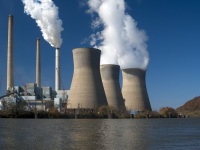
Nuclear energy currently generates about 9-10% of the world's electricity through over 400 reactors in 31 countries (historically contributing around 12%). It works by splitting uranium atoms in a controlled chain reaction, creating heat that produces steam to drive turbines. While nuclear power produces virtually no greenhouse gases during operation, it creates radioactive waste that…
Read more

Wind Power 101

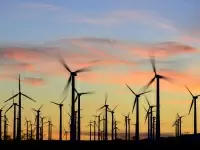
Wind power harnesses kinetic energy from moving air using turbines with rotating blades to generate clean electricity. Modern wind farms can produce power at around 4 cents per kilowatt-hour, making wind one of the most cost-effective renewable energy sources available today, with over 1,100 GW of capacity installed globally as of 2024. Modern wind power…
Read more

Natural Gas 101: Pros, Cons & Career Guide

Natural gas is a fossil fuel primarily composed of methane, formed over millions of years from decayed organic matter. It supplies approximately 22% of global energy needs for heating, electricity generation, and industrial processes. While natural gas burns cleaner than coal or oil—producing 50% less carbon dioxide—its extraction and use raise environmental concerns including methane…
Read more

Hydroelectric Power: How It Works, Pros & Cons, and Careers

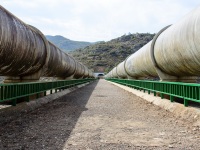
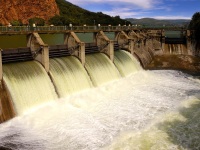
Hydroelectric power harnesses the kinetic energy of moving water to generate electricity, making it the world's most widely used renewable energy source. It's clean, cost-effective, and capable of producing power at scales ranging from a few kilowatts to over 20 gigawatts. It currently generates roughly 19% of the world's electricity, with careers in the field…
Read more

Solar Energy Advantages and Disadvantages

Solar energy converts sunlight into electricity through photovoltaic cells or solar thermal systems. Its main advantages include zero emissions and solar costs are now well below those of new coal and natural gas plants. The key drawback is intermittency — no generation at night — and upfront installation cost, though the 30% federal Investment Tax…
Read more

Recent Comments by David Newland

No comments by David Newland yet.