


Senior year environmental science college prep follows a structured timeline from August through May. Key milestones include aiming to finalize your college list by late September or early October, submitting applications by January, completing FAFSA by October, and taking final standardized tests by December. Successful applicants combine strong STEM coursework with environmental extracurriculars and demonstrate genuine passion for conservation and sustainability through research, internships, and community involvement.
Your senior year represents the culmination of your high school journey and the launch pad for your environmental science career. If you're reading this, you're already ahead of the game. You've decided to pursue one of the most relevant and impactful fields of study available today. Environmental scientists tackle climate change, protect biodiversity, manage natural resources, and develop sustainable solutions for our planet's most pressing challenges.
But here's the thing: getting into a strong environmental science program requires more than just passion for the planet. You need strategic planning, careful timing, and a clear understanding of what admissions committees actually look for. The college application process can feel overwhelming, especially when you're also trying to maintain your grades, prepare for standardized tests, secure letters of recommendation, and somehow find time to sleep.
This guide breaks down your entire senior year into manageable monthly tasks. You'll learn when to complete each step of the application process, which courses strengthen your candidacy, how to find environmental science scholarships, and what makes a competitive application stand out. Whether you're just starting to research programs or already have a dream school in mind, following this timeline will help you stay organized and reduce stress throughout the year.
Table of Contents
Month-by-Month Timeline Overview
Why Strategic Planning Matters
August-September: Application Launch
October: Early Applications & Financial Aid
November-December: Regular Applications
January-February: Submissions & Scholarships
March-April: Decisions & Evaluation
May: Final Decision & Preparation
Recommended Senior Year Courses
Building a Competitive Application
Top Environmental Science Programs
Program Formats: On-Campus vs. Online


Let's get started on your path to becoming an environmental scientist.
Month-by-Month Senior Year Timeline Overview
| Month | Key Tasks | Critical Deadlines |
|---|---|---|
| June-July (Summer) | Finalize course schedule, research colleges, register for fall SAT/ACT, build environmental portfolio | Register for October/November tests |
| August-September | Create application accounts, request recommendation letters, start essays, finalize college list | Request recommendations by October 1 |
| October | Complete FAFSA, finalize early applications, take SAT/ACT | Oct 1: FAFSA opens; Nov 1/15: EA/ED deadlines |
| November-December | Submit regular decision applications, final standardized tests, maintain grades | Dec: Final SAT/ACT for RD; Mid-Dec: EA/ED decisions |
| January-February | Submit remaining applications, apply for scholarships, send mid-year transcripts | Jan 1-15: Most RD deadlines; Scholarship deadlines vary |
| March-April | Receive decisions, compare financial aid, visit campuses, evaluate programs | Mid-March to early April: RD decisions arrive |
| May | Submit enrollment deposit, complete housing applications, take AP exams | May 1: College Decision Day |
Why Environmental Science Requires Strategic College Planning
Environmental science sits at the intersection of multiple disciplines. Unlike some majors where the path seems straightforward, environmental science draws from biology, chemistry, physics, earth science, mathematics, policy, and even social sciences. This interdisciplinary nature makes it both exciting and complex to prepare for.
The Unique Demands of Environmental Science Programs
Strong environmental science programs expect you to arrive with a solid STEM foundation. Most programs require or strongly recommend coursework in biology and chemistry, with many also expecting physics and advanced mathematics. You don't need to be a math prodigy, but you should be comfortable with quantitative reasoning. Environmental scientists analyze data, model climate systems, calculate pollution loads, and assess population dynamics. All of these tasks require mathematical thinking.
Beyond academics, environmental science programs increasingly value hands-on experience. Admissions committees want to see that you've actually engaged with environmental issues in the real world. Have you participated in water quality monitoring? Conducted field research? Worked with conservation organizations? Led environmental initiatives at your school? These experiences demonstrate that your interest goes beyond watching nature documentaries.
The math requirements vary significantly by program. Some environmental science tracks emphasize field biology and ecology, where statistics becomes more important than calculus. Other tracks, such as environmental chemistry or atmospheric science, require calculus and may recommend differential equations for advanced work. Research your target programs carefully to understand their specific expectations.
What Environmental Science Programs Look For
Admissions committees evaluate environmental science applicants across several dimensions. Academic strength comes first. They want to see that you can handle rigorous college-level science courses. Your GPA in science and math classes matters more than your overall GPA, though both count.
Demonstrated environmental commitment separates serious candidates from those who simply think the field sounds interesting. Committees can spot generic "I love nature" essays immediately. They want to see specific actions you've taken, problems you've tried to solve, and genuine curiosity about environmental systems.
Research potential has become increasingly important. Many environmental science programs offer undergraduate research opportunities, and they want students who will take advantage of them. You don't need to have published a paper in high school, but showing that you understand how scientific inquiry works gives you an edge.
Finally, interdisciplinary thinking matters in environmental science. The field's biggest challenges require collaboration across disciplines. If you can demonstrate interests that span science, policy, economics, or social justice, you show the breadth of thinking that environmental work demands.
Summer Before Senior Year (June-July)
The summer before senior year sets the foundation for everything that follows. While you might be tempted to relax after three years of high school, this summer represents your best opportunity to get ahead on college prep without the pressure of classes and homework.
Academic Preparation
Review your senior year course schedule carefully. For environmental science, you want to show continued rigor in STEM courses. If your school offers AP Environmental Science and you haven't taken it yet, senior year works perfectly. Many students worry about taking multiple AP science classes simultaneously, but admissions committees view this positively for STEM majors.
Consider your math sequence. Most environmental science programs expect at least pre-calculus, and many prefer calculus. If you're on track for AP Calculus AB or BC, great. If not, and you have room in your schedule, consider dual enrollment at a local community college to complete calculus before college.
AP Statistics deserves special mention for environmental science students. Environmental research relies heavily on statistical analysis. Many students overlook statistics in favor of calculus, but for environmental science, statistics often proves more immediately useful. If you can fit both into your senior year schedule, do it.
Don't drop core sciences senior year. Some students take biology, chemistry, and physics by junior year and then skip science entirely senior year. This sends the wrong message for a STEM major. If you've completed the standard sequence, consider additional options like anatomy and physiology, organic chemistry, marine biology, or earth science.
College Research and List Building
Start building your college list this summer. Aim to finalize your college list by late September or early October to allow adequate time for early applications, though many students continue refining their lists into October as they learn more about programs. You need time to research programs thoroughly, not just add schools because they appear on generic "best colleges" lists. Environmental science programs vary dramatically in focus, resources, and philosophy.
Research universities with strong graduate programs often provide the most undergraduate research opportunities. You might work alongside graduate students or even faculty on active research projects. These schools typically have field stations, specialized laboratories, and extensive equipment. The downside can be large class sizes, especially in introductory courses.
Liberal arts colleges emphasize teaching and mentorship. You'll likely have smaller classes, more direct faculty interaction, and opportunities for independent research projects. These schools might not have the same research infrastructure as major universities, but the personal attention often compensates. Many liberal arts colleges also offer semester-long field programs that combine coursework with hands-on environmental work.
State universities generally provide strong environmental science programs, often at lower in-state tuition rates. Many state schools have natural strengths in regional environmental issues. A state school in the Pacific Northwest might excel in forestry and salmon conservation. A school in the Southwest might focus on arid ecosystems and water resource management. These regional specializations can provide valuable expertise and career connections.
Pay attention to program names and structures. Environmental Science programs typically emphasize natural sciences and quantitative approaches. Environmental Studies programs often take a broader, more interdisciplinary approach that includes social sciences and humanities perspectives on nature. Sustainability programs might focus more on applied solutions and policy. These distinctions matter for your course requirements and career preparation.
Don't overlook online program options if flexibility matters for your circumstances. Some respected universities offer online environmental science degrees that provide equivalent preparation to on-campus programs. Arizona State University's online Bachelor of Science in Earth and Environmental Studies and Southern New Hampshire University's online BS in Environmental Science both offer strong curricula and modern virtual learning platforms. These programs work well for students who need flexibility or who live in areas without strong local environmental science programs.
Create a preliminary list of 10-15 schools that includes reach schools (where your statistics fall below the average admitted student), match schools (where your statistics align with admitted students), and safety schools (where your statistics exceed admitted students). You'll refine this list as you learn more, but starting with a broad range gives you options.
Standardized Testing Strategy
Register for fall SAT or ACT dates now. October and November test dates work for early applications, though you should check each college's policy on accepting November scores for EA/ED—some schools do accept them if score reports are requested early. December represents your last opportunity for regular decision applications. Don't wait until September to register—popular test centers fill up quickly.
Many environmental science programs have become test-optional, but submitting strong scores still helps, especially for merit scholarships. If your scores already meet or exceed the middle 50% range for your target schools, you might not need to test again. If your scores fall below your target range, plan for one final attempt.
Create a realistic test prep schedule. If you're retaking the SAT or ACT, dedicate at least 10-15 hours per week to preparation. Official practice tests from the College Board or ACT provide the most accurate preparation. Focus on your weakest areas rather than repeatedly practicing sections you've already mastered.
Building Your Environmental Portfolio
This summer offers valuable time to add environmental experiences to your application. Document all environmental activities and projects you've completed throughout high school. Create a simple spreadsheet that lists each activity, your role, time commitment, and specific accomplishments. You'll reference this document repeatedly when completing applications.
Pursue summer internships or volunteer positions with environmental organizations. Local nature centers, state parks, conservation nonprofits, environmental consulting firms, and government agencies often need summer help. Even if the work seems basic—trail maintenance, camp counseling, or data entry—it demonstrates commitment and provides material for application essays.
Environmental science summer programs offer intensive experiences but often come with significant costs. Programs like the Environmental Studies Summer Youth Institute at Hobart and William Smith Colleges or university-based pre-college programs provide college-level coursework and research experience. If you can afford these programs and they align with your interests, they strengthen your application. However, the absence of expensive summer programs won't hurt you if you demonstrate environmental commitment in other ways.
Consider starting an independent research project. You don't need sophisticated equipment or a university mentor to ask interesting environmental questions. Can you monitor a local stream's water quality over the summer? Survey bird populations in a community park? Document invasive species spread? Track local recycling rates? Student-driven projects often make excellent material for application essays and demonstrate scientific thinking.
August-September: Application Launch
School starts, and suddenly you're juggling classes, activities, college applications, and everything else. This marks the beginning of your application sprint, but remember: you're running a marathon, not a 100-meter dash. Pace yourself and stay organized.
Setting Up Application Systems
Create your Common Application account immediately. The Common App serves approximately 900 colleges, making it the most widely used application system. Spend time completing the Activities section thoroughly—you can reuse this information across all your Common App schools.
Some schools use the Coalition Application or have their own application systems. Research each school on your list to determine which application system they prefer. Create accounts for all necessary systems early, even if you won't submit applications for months.
Develop an application tracking system. A simple spreadsheet works perfectly. List each school, application type (EA, ED, RD, rolling), deadlines, required materials (essays, supplements, test scores), and completion status. Update this spreadsheet weekly. Missing a deadline because you forgot a school's requirement is entirely preventable with good organization.
Note all deadlines carefully. Early Decision and Early Action deadlines typically fall on November 1 or November 15. Regular Decision deadlines cluster around January 1 or January 15, but some schools have earlier or later dates. Don't assume—verify every deadline for every school.
Understanding Application Types
| Application Type | Typical Deadline | Binding | Decision Timeline | Best For |
|---|---|---|---|---|
| Early Decision (ED) | November 1 or 15 | Yes - must attend if accepted | Mid-December | Clear first-choice school; family can afford aid package |
| Early Decision II (ED II) | January 1 or 15 | Yes - must attend if accepted | February | Deferred ED applicants; students who identified first choice later |
| Early Action (EA) | November 1 or 15 | No - can compare offers | Mid-December | Students who want early decisions while keeping options open |
| Regular Decision (RD) | January 1-15 (most common) | No - can compare offers | Late March to early April | Students applying to multiple schools; need to compare aid packages |
| Rolling Admission | Varies (no fixed deadline until class fills) | No | 4-8 weeks after application | Schools with space-available admissions; apply early for best chances |
Letters of Recommendation
Request letters of recommendation as early as possible in September. Teachers receive dozens of requests, and those who agree to write first typically produce better letters because they have more time.
Choose recommenders strategically. Most schools want one letter from a junior or senior year science or math teacher and one from a humanities or social science teacher. For environmental science, your biology, chemistry, or physics teacher makes an obvious choice. Select teachers who know you well, have seen you contribute in class, and can speak to your intellectual curiosity.
If you've worked with an environmental mentor outside school—a research supervisor, internship coordinator, or community organization leader—ask if they'd write an additional recommendation. Most schools accept one supplemental recommendation beyond the required teacher letters. This environmental professional can speak to qualities that teachers might not observe.
Provide your recommenders with helpful information. Create a brief "brag sheet" that includes your GPA, test scores, activities list, academic interests, and specific examples of your contributions in their class. Remind them of projects you completed, discussions you contributed to, or ways you helped others learn. Also share your college list and why you're interested in environmental science. The more context they have, the more specific and effective their letters become.
Set a mental deadline of October 1 for requesting recommendations, even if your applications aren't due until January. Teachers need at least 6-8 weeks to write thoughtful letters, and the earlier you ask, the better the letters typically become.
Thank your recommenders appropriately. A handwritten thank you note immediately after they agree to write, another after they submit letters, and a final note in spring when you make your college decision shows genuine appreciation for their time and effort.
Essay Planning
Start brainstorming Common App essay topics this month. The Common App offers seven prompts, and environmental science applicants can work with several effectively. The "problem you've solved" prompt works well if you've tackled an environmental challenge. The "time you faced a challenge" prompt can explore setbacks in environmental work. The "topic of your choice" prompt offers complete freedom.
Avoid the most common environmental science essay clichés. Admissions officers read countless essays about loving nature, summer camp experiences that "opened my eyes," and general concerns about climate change. These essays fail because they lack specificity and genuine insight. Instead, focus on particular moments, specific actions you've taken, and concrete questions that drive your curiosity.
Show your thinking process, not just your conclusions. Rather than stating "I care about the environment," demonstrate it through specific examples. Did you investigate why a local pond turned green? Did you organize a campaign to reduce single-use plastics at school? Did you discover an interesting pattern while monitoring bird populations? These specific stories reveal far more about your environmental commitment than generic statements.
Plan for supplemental essays now. Many schools ask "Why our school?" or "Why this major?" questions. These supplements require specific research about each program. Generic responses like "Your school has a great environmental science program" accomplish nothing. Instead, reference specific courses, professors whose research interests you, unique resources like field stations, or particular approaches to environmental education that attracted you to the program.
Don't try to write all essays at once. Start with your Common App essay this month. You'll work on supplements in October and November. Trying to write everything simultaneously leads to burnout and lower-quality essays.
Academic Focus
Senior year grades matter. Colleges can and do rescind acceptances based on declining academic performance. Your first semester grades are especially important because they arrive before most admissions decisions. Colleges see these grades and factor them into their evaluation.
Balance rigor with sanity. You want to take challenging courses, but you also need time for applications, activities, and maintaining your mental health. If you're taking four AP classes while serving as environmental club president, working a part-time job, and applying to fifteen colleges, something will suffer. Be honest with yourself about your capacity.
Engage actively in AP Environmental Science if you're taking it this year. The course covers exactly what you'll study in college, and strong performance demonstrates your readiness for college-level environmental science work. The AP exam in May can potentially earn you college credit, saving time and money later.
Don't neglect non-science classes. English matters because scientific communication requires clear writing. History and social studies provide essential context for understanding environmental policy and social dimensions of environmental problems. Math remains crucial for environmental science success. A balanced academic profile shows you're prepared for college-level work across disciplines.
October: Early Applications and Financial Aid Launch
October brings critical deadlines and major decisions. This month separates organized students from those who scramble at the last minute.
Critical October Deadlines
October 1: FAFSA (Free Application for Federal Student Aid) opens. Complete this application as soon as possible. Many schools distribute financial aid on a first-come, first-served basis after reaching need-based aid decisions. Filing early maximizes your potential aid. You'll need your parents' tax information from the previous year, so gather these documents in advance.
October SAT/ACT: This represents the last testing opportunity for most students applying Early Action or Early Decision. Check each college's policy on accepting November scores for EA/ED—some schools accept them if score reports are requested early. If you're taking the test in October and applying early, register for standard score reporting to your early application schools.
Early Action/Early Decision preparation: Most EA and ED deadlines fall on November 1 or November 15. This means your applications need to be complete by mid to late October to allow time for proofreading and last-minute adjustments.
FAFSA and CSS Profile
The FAFSA determines your eligibility for federal student aid, including Pell Grants, work-study, and federal student loans. Many states and colleges also use FAFSA information to award their own aid. Completing the FAFSA is free, and every student should file regardless of family income. Some merit scholarships require FAFSA completion even if you don't expect need-based aid.
Create your FSA ID (Federal Student Aid ID) at least a few days before you plan to complete the FAFSA. Your parent will also need an FSA ID. These serve as electronic signatures and should be created separately to avoid confusion.
The CSS Profile is a separate financial aid application required by approximately 400 colleges, typically more selective private schools. Unlike the FAFSA, the CSS Profile charges a fee. Check each school on your list to determine if they require the CSS Profile. If so, complete it soon after the FAFSA.
Understanding your Expected Family Contribution (EFC) helps set realistic expectations about financial aid. The FAFSA calculates your EFC based on family income, assets, household size, and number of children in college. This number represents what the federal government believes your family can afford to contribute annually toward college costs. Schools use your EFC to determine need-based aid eligibility.
Run net price calculators on every school's website. These calculators provide estimates of your actual cost after financial aid based on your family's financial information. The net price often differs dramatically from the sticker price, especially at well-funded private schools. Don't eliminate schools based solely on published tuition without running the net price calculator.
Finalizing Early Applications
If you're applying Early Decision or Early Action, October demands intense focus. ED applications are binding—if accepted, you must attend that school and withdraw all other applications. ED makes sense only if you have a clear first choice school and your family can manage the financial aid package they offer. Because ED prevents comparing financial aid offers from multiple schools, students needing significant aid should approach ED cautiously.
Early Action is non-binding, allowing you to apply early and receive an early decision without committing to attend. EA often provides a small admissions advantage and reduces stress by potentially securing an acceptance before the holidays. If you have EA options at schools you're genuinely interested in attending, take advantage of them.
Proofread your essays obsessively. Read them aloud to catch awkward phrasing. Share them with teachers, counselors, parents, or friends for feedback. Use spell check, but also read carefully—spell check won't catch "their" when you meant "there." Small errors suggest carelessness, which hurts your application.
Request official transcripts from your high school following your school's procedure. Some schools send transcripts electronically through services like Parchment or National Student Clearinghouse. Others require you to submit a paper request form. Know your school's process and timeline.
Verify that testing agencies have sent your scores to all schools where you're applying early. Most schools require official scores sent directly from the College Board or ACT, not self-reported scores on the application. Sending scores takes time, so don't wait until the last week before the deadline.
Environmental Science-Specific Application Elements
Use the "Additional Information" section of your application strategically. If you've taken environmental courses beyond what appears on your transcript—online classes, community college courses, summer programs—list them here. If you've completed an independent environmental research project, briefly describe it and your findings.
Describe field experiences with specificity. Rather than writing "I volunteered at a nature center," explain "I assisted with water quality monitoring at Smith Nature Center, collecting macroinvertebrate samples from three streams monthly to assess ecosystem health. I learned to identify 15 aquatic insect species and helped present findings to 200 community members at an annual conservation forum."
Connect environmental activities to future goals authentically. Admissions committees recognize when students try to manufacture a perfect narrative. If your environmental interests evolved over time, say so. If you've explored different aspects of environmental work and found some more appealing than others, share that journey. Authenticity resonates more than artificial perfection.
Demonstrate knowledge of program specializations. If you're applying to a school with multiple environmental tracks—ecology, environmental chemistry, policy, resource management—indicate which interests you most and why. This shows you've researched the program rather than just checking "environmental science" on a generic application.
November-December: Regular Applications and Decision Waiting
The holiday season combines continued application work with waiting for early decisions. Balance these competing demands while maintaining your academic performance.
Regular Decision Applications
Don't wait until winter break to work on regular decision applications. If you applied to early schools, you might feel tempted to pause application work until you hear back. Resist this temptation. Use November productively to draft regular decision essays and complete applications.
Target completing applications before winter break. January 1 is the most common Regular Decision deadline, which means you're working on applications through New Year's Day if you wait. Completing applications by mid-December allows you to enjoy the holidays with far less stress.
Some schools have Regular Decision deadlines earlier than January 1. The University of California system, for example, requires applications by November 30. Double-check every deadline on your tracking spreadsheet. Set personal deadlines at least a week earlier than official deadlines to buffer against technical problems or last-minute complications.
Tailor each supplemental essay to the specific school. Admissions officers recognize recycled essays immediately. If you're answering "Why our school?" for five different colleges, each essay needs genuine research and specific details about that particular program. Generic responses suggest you don't actually care about attending.
Standardized Testing Final Attempts
December represents your last opportunity to take the SAT or ACT for Regular Decision applications. Register early—December test dates fill quickly with seniors making final attempts.
Consider whether retesting makes sense for your situation. If your scores already fall within or above the middle 50% range for your target schools, retesting might not help your application. Admissions committees view applications holistically, and spending December studying for a test you've already taken three times might not be the best use of your limited time.
If you're retesting, focus your studying strategically. Review your previous score reports to identify weak areas. If you consistently miss geometry questions on the SAT Math section, spend your study time on geometry rather than reviewing sections you've already mastered.
Send scores to all remaining schools on your list. Most schools accept self-reported scores on the application but require official score reports from the testing agency if you're admitted and decide to enroll. Check each school's policy—some want official scores during the application process, while others accept self-reported scores initially.
Early Decision Responses
Mid-December brings Early Action and Early Decision results. Schools typically release decisions between December 10 and December 20. Check each school's website for the exact date and time.
If you're accepted Early Decision, congratulations! Your application journey ends here. You must withdraw all other applications immediately and submit your enrollment deposit by the school's deadline. Contact other schools where you've applied to formally withdraw your application. This courtesy helps other students by opening spaces.
If you're deferred from EA or ED, don't despair. Deferred means the school wants to reconsider your application in the regular decision pool. Many deferred students ultimately receive acceptance in the spring. Write a letter of continued interest expressing your ongoing enthusiasm for the school. Update them on any significant accomplishments since applying—improved grades, new awards, additional environmental projects. Some schools accept additional recommendation letters from deferred students. Check the school's deferral FAQ for specific guidance.
If you're denied from EA or ED, redirect your energy toward your remaining applications. A denial is disappointing, but it doesn't reflect your worth or predict your future success. Many factors influence admissions decisions, including institutional priorities beyond your control. Focus on schools that still want to hear from you.
Maintaining Academic Performance
Senioritis—the tendency to mentally check out during second semester—starts to creep in around the holidays. Resist it. Colleges can and do rescind acceptances based on declining grades. A few B's instead of A's won't typically cause problems, but failing classes or dropping from B's to D's will.
First semester grades prove especially critical for Regular Decision applicants. These grades arrive while admissions committees are still evaluating your application. Strong first semester grades can strengthen a borderline application. Weak first semester grades can turn a likely acceptance into a denial or waitlist.
Request mid-year transcripts be sent to all schools where you applied Regular Decision. Most schools require these transcripts, and many explicitly state that admissions decisions depend on maintaining strong academic performance through senior year.
Continue participating actively in environmental activities and leadership roles. Admissions committees view students who coast through senior year unfavorably. Sustained involvement demonstrates genuine commitment rather than resume-building.
January-February: Application Submission and Scholarship Focus
The new year brings final application deadlines and shifts focus toward scholarships and financial aid.
Final Application Push
January 1 represents the most common Regular Decision deadline, though schools range from December 15 to February 1 or even later. Submit all remaining applications by their respective deadlines. If you're cutting it close to a midnight deadline, submit several hours early. Technical problems, internet outages, and server crashes can prevent last-minute submissions.
After submitting each application, check your email regularly for confirmation messages and portal access information. Schools often send important communications through email, including requests for missing materials or invitations to interviews. Monitor email daily throughout the admission season.
Check your application portals regularly. Many schools provide online portals where you can verify that transcripts, test scores, and recommendation letters have arrived. If materials are missing weeks after you submitted them, contact the admissions office politely to resolve the issue.
Some schools conduct interviews for applicants, either required or optional. Alumni interviews typically occur in January and February for Regular Decision applicants. If offered an interview, accept it. Come prepared to discuss your interest in environmental science, specific questions about the program, and what you'd contribute to campus.
Environmental Science Scholarships
Environmental science students have access to field-specific funding often overlooked by applicants, though it's important to note that many environmental science scholarships are awarded during undergraduate years rather than before admission.
Financial Aid Application Timeline
| Application/Task | When to Complete | Notes |
|---|---|---|
| Create FSA ID | Late September (before FAFSA opens) | Both student and parent need separate FSA IDs; allow a few days for processing |
| FAFSA (Free Application for Federal Student Aid) | October 1 (opens) - complete as soon as possible | Required for federal aid; many schools use for institutional aid; first-come advantage at some schools |
| CSS Profile | October (check specific school deadlines) | Required by approximately 400 colleges; charges fee; check which schools on your list require it |
| School-Specific Aid Applications | Varies by school (check individual deadlines) | Some schools have additional forms beyond FAFSA/CSS; review each school's aid website |
| Environmental Science Scholarships | January-March (most deadlines) | Field-specific scholarships from organizations, foundations; many have Feb-March deadlines |
| External Scholarship Applications | Ongoing (October-April) | Deadlines vary widely; apply to multiple; use free databases like Fastweb, Scholarships.com |
| Compare Financial Aid Offers | March-April (after admission decisions) | Calculate net cost; understand grants vs. loans; consider negotiating if circumstances warrant |
Field-Specific Scholarships
The Garden Club of America offers multiple scholarships for students pursuing environmental studies. Awards range from $3,000 to $5,000 and target students interested in horticulture, conservation, and environmental issues. Requirements vary by specific scholarship but generally include demonstrated commitment to environmental causes.
Association of Environmental and Engineering Geologists provides scholarships for undergraduates pursuing earth sciences and environmental fields. These scholarships support students interested in applied geology and environmental assessment.
National Wildlife Federation offers campus ecology fellowships and funding for students working on campus sustainability projects. These opportunities combine funding with practical experience implementing environmental solutions.
Udall Foundation provides scholarships for college sophomores and juniors committed to careers related to the environment. The prestigious Udall Scholarship awards approximately $7,000 to 50-60 students annually. While you can't apply as a high school senior, knowing about this scholarship helps you plan for future applications once you're in college.
Society for Conservation Biology provides awards and support for students interested in conservation. While many opportunities target graduate students, some support undergraduates attending conferences or conducting research.
STEM Scholarships Applicable to Environmental Science
National Science Foundation Graduate Research Fellowship Program supports graduate students but influences your undergraduate preparation. Knowing that this highly competitive fellowship values research experience motivates undergraduate research participation.
Barry Goldwater Scholarship supports college sophomores and juniors pursuing STEM research careers. This prestigious scholarship signals academic excellence and research potential. While you apply during college, understanding its requirements shapes your undergraduate planning from the start.
Women in STEM awards provide funding specifically for women pursuing science careers. Organizations like the Society of Women Engineers offer multiple scholarships at various education levels.
Underrepresented minority STEM funding comes from numerous sources supporting diversity in science. SACNAS (Society for Advancement of Chicanos/Hispanics and Native Americans in Science), AISES (American Indian Science and Engineering Society), and NSBE (National Society of Black Engineers) all provide scholarships and support.
State-specific STEM scholarships vary by location. Many states offer substantial scholarships for students pursuing STEM fields at in-state public universities. Research your state's higher education funding programs.
Maximizing Financial Aid
Completing FAFSA early maximizes your aid eligibility. Some schools distribute certain types of aid first-come, first-served after making need-based decisions. Filing on October 1 when the FAFSA opens gives you the best chance at maximum aid.
Understanding merit vs. need-based aid helps you evaluate offers. Merit aid depends on your academic achievements, test scores, and activities. Need-based aid depends on your family's financial situation. Some schools offer purely need-based aid. Others offer both merit and need-based aid. A few schools offer only merit aid with no need-based component.
Negotiating financial aid packages is possible at some schools. If your financial circumstances changed significantly since filing the FAFSA, contact financial aid offices to explain. If a peer institution offered significantly more aid, some schools will match or improve their offer, especially if you're a highly desirable candidate.
Stacking scholarships strategically requires understanding each school's policies. Some schools allow you to keep outside scholarships and apply them directly to your expected family contribution. Other schools reduce their institutional aid by the amount of outside scholarships you receive. Ask schools about their outside scholarship policies before deciding where to attend.
Additional Financial Aid Steps
Complete any school-specific financial aid applications beyond the FAFSA and CSS Profile. Some schools have their own aid applications with separate deadlines. Check each school's financial aid website for requirements and deadlines.
Update your FAFSA if your family's financial circumstances have changed significantly since you filed in October. Job loss, medical emergencies, or other financial hardships can affect your aid eligibility. Contact schools' financial aid offices to explain unusual circumstances not captured by the FAFSA.
Research external scholarship databases thoroughly. College Board Scholarship Search remains the most reputable and comprehensive database available. Avoid any scholarship search service that charges fees—legitimate scholarship searches are always free.
Consider merit scholarships offered automatically by schools based on your application. Many schools automatically consider all applicants for merit scholarships without separate applications. Others require additional essays or applications. Review each school's scholarship website to understand their process.
Continued Engagement
Demonstrate continued interest in schools throughout January and February. If schools offer virtual information sessions for applicants, attend them. If admissions officers visit your area, attend their presentations. These interactions show genuine interest and sometimes provide opportunities to ask specific questions about environmental science programs.
Update schools about significant achievements that occurred after you submitted your application. Won a major environmental award? Published findings from a research project? Selected for a competitive summer program? Earned leadership position in an environmental organization? Send brief updates to admissions offices through your application portal or via email.
Visit campuses if possible and if it won't cause financial hardship. Many schools track demonstrated interest through campus visits. This matters more at some schools than others, but if you're genuinely interested in a school and have the opportunity to visit, take it. Meeting with faculty in the environmental science department, touring labs and field stations, and talking with current environmental science students provides valuable insight beyond what websites offer.
Remember that demonstrated interest matters far less than some students think. Strong academics, meaningful activities, and thoughtful essays matter most. Don't visit ten campuses trying to game the system when one or two visits to your top choices would be more valuable and less stressful.
March-April: Decisions and Evaluation
Spring brings admissions decisions and the exciting but challenging task of comparing offers and making your final choice.
Receiving Admission Decisions
Most Regular Decision admissions decisions arrive between mid-March and early April. Schools typically set specific decision release dates and times. Mark these dates on your calendar, but don't obsess over checking your portal every ten minutes.
Acceptances, waitlists, and denials are all normal outcomes, even for strong students. The most qualified applicants receive denials from selective schools due to factors beyond individual control. Colleges build classes with institutional priorities that might not align with your particular strengths. A denial doesn't mean you're not smart enough or don't deserve admission.
Read acceptance letters carefully. Note enrollment deposit deadlines, admitted student event dates, and any conditions on your acceptance. Most acceptances are conditional on maintaining academic performance and good behavior through graduation. Check whether the school accepted you directly into the environmental science program or admitted you undeclared with the expectation you'll declare environmental science later.
Waitlist decisions place you in limbo. The school wants to admit you if spaces become available. Your chances of admission from the waitlist vary dramatically by school and year. If you're waitlisted at a school you'd definitely attend, accept your waitlist position and send a letter of continued interest. Update the school on achievements since applying. Provide any additional information that strengthens your application. Then focus on schools that have accepted you rather than waiting anxiously for waitlist movement.
Denials hurt, especially from schools you felt excited about. Allow yourself to feel disappointed, then shift focus to schools that want you. The environmental science community is larger than any single school. You can receive excellent preparation and build a successful career from many different programs.
Comparing Financial Aid Packages
Financial aid award letters arrive shortly after or simultaneously with admission decisions. Understanding these letters requires careful attention because schools format them differently and include various types of aid.
Award letters typically include grants and scholarships (free money you don't repay), work-study earnings (money you earn through part-time campus employment), and loans (money you must repay with interest). Calculate the net cost by subtracting only grants and scholarships from the total cost of attendance. Work-study represents potential earnings, not guaranteed money that reduces your bill.
Compare net costs across schools. The most expensive school might become the most affordable after financial aid. A school with a $70,000 annual sticker price might cost you $20,000 per year after aid, while a school with a $35,000 sticker price might cost $25,000 after aid. Net cost matters far more than sticker price.
Understand different types of loans. Federal Direct Subsidized Loans have the best terms for students—the government pays interest while you're in school. Federal Direct Unsubsidized Loans accrue interest while you're in school, though you can defer payment. Parent PLUS Loans and private loans generally have higher interest rates and less favorable terms. Try to avoid these if possible.
Consider cost in the context of program quality and fit. The cheapest school isn't automatically the best choice. If one school offers significantly more research opportunities, better graduate school placement, or faculty whose work aligns perfectly with your interests, the higher cost might be worth it. Balance cost against educational value thoughtfully.
Some schools indicate on award letters that aid is renewable for four years assuming you maintain certain GPA requirements. Others require reapplying for aid annually. Renewable aid provides more financial certainty. Check renewal requirements carefully to avoid surprises in future years.
Making Campus Visits
Visit your top choice schools during admitted student days if possible. These events provide opportunities to meet current environmental science students, tour facilities, attend sample classes, and meet faculty. You'll get a sense of campus culture and whether you can see yourself thriving there.
Ask specific questions during visits. What research opportunities exist for undergraduates? When can students start research—first year, sophomore year, later? What field stations or study sites does the program use? Where do environmental science graduates work or attend graduate school? What's the advising structure? How large are typical classes?
Meet with environmental science faculty if the school arranges these meetings. Ask about their research, what they look for in undergraduate researchers, and advice for incoming environmental science students. Faculty interactions reveal a lot about the department's culture and how accessible professors are to students.
Tour research facilities and labs. Does the school have modern equipment? Do undergraduates have access to research facilities, or are they restricted to graduate students? Are there field vehicles for research trips? Greenhouse space for ecological experiments? Water quality labs? GIS and remote sensing facilities? These resources directly affect your educational experience.
Talk to current environmental science students candidly. Ask about their favorite and least favorite aspects of the program. What surprised them about environmental science at this school? How accessible are professors? How competitive is the atmosphere? What do they wish they'd known before choosing this program? Current students often provide the most honest insights.
Evaluating Environmental Science Programs
Compare programs across several dimensions beyond just rankings. Rankings provide one perspective but don't capture everything that matters for your education and career preparation.
Research opportunities for undergraduates vary dramatically. Some programs actively recruit undergraduates into research projects starting first year. Others don't offer research opportunities until after sophomore year. Some provide paid research positions through work-study or stipends. Others offer research only for credit or volunteer basis. More research opportunities early in your college career generally provide better preparation for graduate school or research careers.
Internship and co-op programs connect you with potential employers. Schools with established relationships with environmental consulting firms, government agencies, conservation organizations, and research institutions can facilitate internship placements. Co-op programs alternate semesters of coursework with semesters of paid professional experience. These experiences provide both career exploration and competitive job market advantages.
Study abroad options for environmental studies add valuable international perspectives. Programs that offer field semesters in different ecosystems—tropical rainforests, arctic environments, coral reefs, or arid deserts—provide unparalleled learning experiences. Some schools have their own international field stations. Others partner with programs abroad.
Alumni outcomes provide insight into program effectiveness. Where do graduates work? What percentage attend graduate school? How long does it take graduates to find employment in environmental fields? Schools with strong alumni networks and career services help you transition from student to professional.
Class sizes and teaching quality affect your learning experience. Large universities might have 200 students in introductory biology courses but 20 students in upper-level ecology courses. Liberal arts colleges might have 30 students in introductory courses and 12 in upper-level courses. Consider which environment suits your learning style.
May: Final Decision and Preparation
Decision time has arrived. By May 1, you must commit to one school and begin preparing for your transition to college.
College Decision Day (May 1)
Submit your enrollment deposit to your chosen school by May 1 (or the school's specific deadline if different). This deposit, typically $200-500, holds your place in the incoming class and goes toward your first-year costs. Read the deposit policy carefully—some schools make deposits partially or fully refundable until a certain date, while others are non-refundable.
Notify all other schools that accepted you of your decision not to attend. This courtesy helps schools manage their enrollment and may open spots for students on waitlists. Most schools provide a simple form in your applicant portal to decline admission. If a school doesn't provide an online option, send a brief, polite email thanking them for their offer and declining admission.
If you're still on a waitlist at your preferred school, maintain your enrollment deposit at your second-choice school while waiting. The odds of getting off a waitlist are low, so proceed as if you'll attend your second choice. If you do get admitted from the waitlist, you'll forfeit your deposit at the second-choice school—this is normal and expected.
Request your final transcript be sent to your chosen college. Your high school typically sends this automatically after graduation, but verify the process with your counselor. Your enrollment at college is conditional on successfully completing senior year with grades consistent with your application.
Housing and Orientation
Complete housing applications promptly after submitting your enrollment deposit. Many schools assign housing first-come, first-served after the May 1 deadline. If you have specific housing needs or preferences—substance-free housing, quiet hours, single rooms, specific residence halls—apply quickly to maximize your chances of getting your preferences.
Register for orientation sessions as soon as registration opens. Orientation typically occurs in summer and includes advising appointments, placement testing, and course registration. Earlier orientation dates sometimes provide better course selection since popular classes fill throughout orientation.
Connect with future classmates through admitted student groups on social media. Many schools create Facebook groups or Discord servers for admitted students. These groups help you meet people before arriving on campus. Be thoughtful about your social media presence—overly wild posts can still result in rescinded offers in extreme cases.
Complete any required pre-enrollment tasks. Some schools require health forms, immunization records, housing contracts, technology agreements, or placement tests. Track all deadlines carefully. Missing a housing deadline because you didn't check your email could mean starting college without a room assignment.
AP Exams and Final Academics
Take AP exams seriously even though you've already been admitted to college. Strong AP scores can earn college credit, potentially saving you thousands of dollars in tuition and allowing you to skip introductory courses. Some colleges grant credit for AP Environmental Science scores of 4 or 5, but policies vary significantly. AP Environmental Science credit is especially valuable at schools that accept it because it often satisfies general education science requirements, freeing schedule space for more specialized environmental courses.
Check your college's AP credit policy carefully. Schools vary significantly in which AP scores they accept and how much credit they grant. Some schools grant credit only for scores of 5. Others accept 4 or higher. Some schools grant actual course credit, while others give general elective credit. Knowing the policy helps you decide whether retaking introductory courses despite having AP credit might benefit your foundation for upper-level work.
Maintain your grades through graduation. Senioritis is real, but giving in completely can jeopardize your college admission. A few B's instead of A's won't cause problems. Failing courses, major grade drops, or academic dishonesty can result in rescinded offers. You've worked too hard to blow it in the final weeks.
Finish strong in environmental activities and leadership positions. Follow through on commitments rather than abandoning them after college decisions arrive. Staying engaged demonstrates genuine interest rather than resume-building. Plus, the habits you build now transfer to college.
Summer Preparation
Review any placement exam requirements for your college. Many schools require math placement tests to determine your starting math course. Some require foreign language placement tests. Chemistry placement tests are common at schools with strong science programs. Taking these tests seriously ensures you're placed in appropriate courses rather than struggling in a too-advanced class or wasting time in a too-easy class.
Consider summer reading for environmental science. Many programs provide recommended reading lists. Getting a head start familiarizes you with key concepts and makes the transition to college-level work smoother. Classic environmental books like Rachel Carson's "Silent Spring," Aldo Leopold's "A Sand County Almanac," or Elizabeth Kolbert's "The Sixth Extinction" provide excellent context for your studies.
Continue environmental activities through summer. Whether you're working, interning, volunteering, or conducting research, staying engaged with environmental work maintains your skills and passion. The summer before college provides valuable time to pursue experiences you're genuinely interested in without the pressure of building a resume.
Prepare practically for freshman year coursework. If you struggled with certain aspects of high school chemistry or biology, review those topics over summer. If your calculus feels rusty, work through problems to refresh your skills. If you've never used Excel for data analysis, learn the basics. These practical preparations pay dividends when you're managing multiple college courses simultaneously.
Connect with your college's environmental science department over summer if possible. Some programs offer incoming student mixers or outdoor orientation programs specifically for science students. These programs help you build community before classes begin and sometimes include field experiences that preview your courses.
Recommended Senior Year Course Schedule for Environmental Science Majors
Your senior year course selection sends a message to admissions committees about your academic seriousness and preparation for college-level environmental science.
| Course Category | Recommended Courses | Why It Matters for Environmental Science |
|---|---|---|
| Essential Sciences | AP Biology, AP Chemistry, AP Environmental Science | Core foundation for environmental science; demonstrates STEM readiness; potential college credit |
| Mathematics | AP Calculus AB/BC, AP Statistics | Calculus for modeling environmental systems; Statistics essential for research and data analysis |
| Complementary Science | Physics, Anatomy & Physiology, Organic Chemistry | Demonstrates STEM breadth; physics required by many programs; supports understanding of environmental systems |
| Technical Skills | GIS, AP Computer Science Principles, Data Science | GIS increasingly important in environmental careers; programming helps with data analysis and modeling |
| Policy & Social Context | AP Government, AP Economics, Environmental Policy | Environmental issues involve policy and economics; provides broader context for scientific work |
| Specialized Electives | Geology, Earth Science, Marine Biology, Ecology | Direct preparation for environmental science content; demonstrates focused interest in the field |
Essential Courses
AP Biology or Advanced Biology: Biology forms the foundation of environmental science. Topics like ecology, evolution, population dynamics, and ecosystem function appear throughout environmental science coursework. If you took biology sophomore year, taking advanced or AP Biology senior year reinforces crucial concepts and demonstrates sustained interest in life sciences.
AP Chemistry or Chemistry II: Environmental chemistry is central to understanding pollution, toxicology, biogeochemical cycles, and remediation. Strong chemistry preparation helps you tackle college courses on topics like water quality, atmospheric chemistry, and soil science. Many environmental science programs require chemistry through organic chemistry, making a solid foundation essential.
AP Environmental Science: This course provides the most direct preparation for your major. AP Environmental Science covers ecosystems, biodiversity, population dynamics, natural resources, pollution, and sustainability. The content directly overlaps with introductory college environmental science courses. Many schools grant credit for AP Environmental Science with scores of 4 or 5, allowing you to skip introductory courses and move directly into specialized topics.
Calculus or Pre-Calculus: Environmental science requires quantitative skills. You'll model population growth, calculate pollution loads, analyze data statistically, and interpret graphs regularly. Calculus helps with understanding rates of change, which appear in topics like population ecology and atmospheric science. At minimum, complete pre-calculus senior year. If possible, take AP Calculus AB or BC.
AP Statistics: Statistics deserves special emphasis for environmental science students. Environmental research relies on statistical analysis to draw conclusions from data. You'll use statistics to determine if differences in water quality measurements are significant, whether species populations are changing over time, or how climate variables correlate. AP Statistics directly prepares you for research work and data analysis in college.
Complementary Courses
Physics: Many environmental science programs require physics, though requirements vary. Physics helps you understand energy systems, climate dynamics, and physical processes in the environment. Taking physics senior year demonstrates breadth in your science preparation. AP Physics 1 or standard physics works for most environmental science applicants. Physics C is unnecessary unless you're considering environmental engineering.
AP Government or Economics: Environmental science doesn't exist in a vacuum. Environmental issues involve policy decisions, economic tradeoffs, and political conflicts. Understanding government processes and economic principles provides valuable context for environmental work. These courses also satisfy social science requirements at many colleges, potentially freeing schedule space for more environmental courses.
GIS or Computer Science: Geographic Information Systems (GIS) skills are increasingly important in environmental science. If your high school offers GIS, take it. If not, consider AP Computer Science Principles or introductory computer science. Programming skills help with data analysis, modeling, and research. Many environmental science positions require at least basic GIS competency.
Electives That Strengthen Applications
Geology or Earth Science: Geology helps you understand earth processes, rock and soil formation, groundwater movement, and natural hazards. Many environmental issues involve geological processes. Geology courses also reinforce spatial thinking skills valuable in environmental work.
Marine Biology or Ecology: If your school offers specialized biology electives, these directly relate to environmental science and demonstrate focused interest in the field. Marine biology is particularly relevant if you're interested in oceanography or coastal ecosystems. Ecology provides direct preparation for college ecology courses.
Environmental Policy or Sustainability courses: Some high schools offer courses specifically focused on environmental topics beyond AP Environmental Science. If available, these courses show deep commitment to the field and expose you to topics you'll encounter in college.
Building a Competitive Environmental Science Application
Getting accepted to strong environmental science programs requires more than good grades and test scores. Admissions committees want to see genuine environmental engagement and demonstrated commitment to the field.
High-Impact Extracurriculars
Environmental clubs: Join your school's environmental club, and ideally take on leadership roles. President, vice president, or project coordinator positions demonstrate initiative and organizational skills. What matters more than the title is what you actually do. Leading a successful recycling program, organizing a beach cleanup that removed 500 pounds of trash, or educating 200 students about sustainable practices through a campus campaign shows concrete impact.
Science Olympiad or environmental competitions: Competitive science events demonstrate your knowledge and problem-solving abilities. Environmental Science is one of 23 Science Olympiad events. Water Quality, Dynamic Planet, and Forestry are other Science Olympiad events relevant to environmental science. Participation shows you challenge yourself academically beyond classroom requirements.
Citizen science projects: Contributing to real scientific research through citizen science provides authentic experience with scientific methods and data collection. Projects like iNaturalist (documenting biodiversity), eBird (tracking bird populations), CoCoRaHS (Community Collaborative Rain, Hail & Snow Network), or Stream Tracker (monitoring water quality) connect you to larger research efforts. Long-term participation in citizen science projects demonstrates sustained commitment.
Environmental advocacy or activism: Working on environmental campaigns—whether opposing a proposed development that threatens habitat, advocating for renewable energy installation at your school, or organizing community members around an environmental issue—shows you understand that environmental science isn't just about studying problems but also about implementing solutions.
Nature-focused volunteer work: Regular volunteering with environmental organizations, nature centers, parks, or conservation groups demonstrates commitment. One-time volunteer events matter less than sustained engagement over months or years. If you've volunteered at the same nature center for two years, you've probably developed real skills and relationships that affected your development.
Research and Internship Opportunities
University research programs for high school students: Many universities offer summer research programs where high school students work alongside graduate students or faculty on active research projects. These competitive programs provide authentic research experience and strong material for college essays. Programs might focus on ecology, environmental chemistry, conservation biology, or other environmental topics.
Local environmental organizations: Many communities have environmental nonprofits, conservation groups, or advocacy organizations that need help. Smaller organizations often welcome enthusiastic high school students and provide opportunities to contribute meaningfully. You might help with habitat restoration, species monitoring, environmental education, or administrative support.
State parks and conservation agencies: State departments of natural resources, environmental protection agencies, and park systems sometimes offer internships or volunteer positions for high school students. These experiences provide exposure to environmental careers and hands-on work with natural systems.
Environmental consulting firms: While less common for high school students, some environmental consulting firms accept interns. These positions expose you to the business side of environmental science and show how environmental scientists work with clients on compliance, remediation, and environmental planning.
Government environmental agencies: Municipal, county, and state environmental agencies sometimes take student volunteers or interns. You might help with water testing, environmental inspections, recycling programs, or public education. Even administrative work at environmental agencies provides insight into environmental careers.
Summer Programs and Competitions
Environmental science summer institutes: Intensive summer programs focused on environmental science provide college-level coursework and research experience. Programs like the Environmental Studies Summer Youth Institute at Hobart and William Smith Colleges or similar programs at other universities offer immersive experiences. While expensive, these programs demonstrate serious commitment if you can afford them.
Field research programs: Programs that take students into the field to conduct ecological research provide irreplaceable experiences. You might study tropical rainforest ecology in Costa Rica, monitor desert ecosystems in Arizona, or investigate marine biology along the coast. These experiences show you've engaged with environmental science beyond the classroom.
Conservation internships: Summer internships with conservation organizations provide sustained engagement with environmental work. The Student Conservation Association and similar organizations place students in parks and natural areas for hands-on conservation work. These positions often include housing and sometimes provide stipends.
International Environmental Olympiad: This competition challenges students to demonstrate knowledge of environmental science through individual and team challenges. Participating shows you're willing to test your knowledge against international standards.
Google Science Fair and similar competitions: Entering environmental science projects into science competitions demonstrates research ability and communication skills. Winning isn't necessary—quality research and clear presentation matter more.
Top Environmental Science Programs to Consider
When building your college list, include a range of schools that offer different strengths and approaches to environmental science.
Research-Intensive Universities
Major research universities provide extensive resources, specialized faculty, and abundant research opportunities. Stanford University offers strong environmental science programs with access to world-class research facilities and faculty working on climate change, conservation biology, and environmental policy. The university's location provides easy access to diverse California ecosystems.
University of California, Berkeley has one of the oldest and most respected environmental science programs in the country. The Department of Environmental Science, Policy, and Management combines natural and social sciences to address environmental challenges. Berkeley's location provides research opportunities across diverse ecosystems.
Yale University offers environmental science through the School of the Environment. Yale emphasizes both scientific training and policy preparation. The university's forests, farms, and coastal properties provide research sites. Yale's strong graduate programs mean undergraduates often work alongside graduate students on cutting-edge research.
Duke University has a dedicated Nicholas School of the Environment with strong undergraduate programs. Duke's Forest provides 7,000 acres for research. The Marine Lab in Beaufort, North Carolina, offers coastal and marine research opportunities. Duke emphasizes both scientific rigor and practical application.
Liberal Arts Colleges with Environmental Focus
Liberal arts colleges provide close faculty mentorship and emphasize teaching. Middlebury College in Vermont has long emphasized environmental studies. The college's Vermont location provides easy access to forests, mountains, and lakes for field work. Middlebury requires all environmental studies majors to complete a thesis based on original research.
Colby College in Maine offers environmental science programs with access to marine, freshwater, and forest ecosystems. The college's location allows field work in diverse environments. Colby emphasizes student-faculty collaboration on research projects.
Bowdoin College in Maine combines strong natural sciences with a commitment to environmental studies. The Schiller Coastal Studies Center provides facilities for marine research. Students complete capstone projects that often involve original field research.
Pomona College in California offers environmental analysis programs that combine natural sciences, social sciences, and humanities. The college's location provides access to diverse California ecosystems from deserts to mountains to coasts. The Claremont Consortium provides resources from five undergraduate colleges.
State Universities with Strong Programs
State universities generally offer excellent environmental science programs, often at lower in-state costs. University of Wisconsin-Madison has one of the nation's strongest environmental science programs. The Nelson Institute provides interdisciplinary environmental education. Wisconsin's diverse ecosystems and strong natural resource management tradition support environmental education.
University of Michigan offers environmental science through the School for Environment and Sustainability. Michigan emphasizes both scientific understanding and practical problem-solving. The university's biological station in northern Michigan provides summer research opportunities.
Arizona State University has emerged as a leader in sustainability and environmental science education. Beyond traditional on-campus programs, ASU offers an online Bachelor of Science in Earth and Environmental Studies that maintains rigorous standards while providing flexibility. The program covers climate science, earth systems, and sustainability through innovative online delivery combined with local field experiences.
Colorado State University excels in natural resource and ecosystem science. The university's location in Fort Collins provides access to diverse ecosystems from plains to mountains. CSU emphasizes applied environmental science and has strong connections with federal land management agencies.
University of Washington offers strong environmental science programs with emphases on marine and freshwater systems. The university's location provides research opportunities in Puget Sound, the Pacific Ocean, and mountain ecosystems. UW has extensive research facilities including field stations and research vessels.
University of West Alabama provides comprehensive environmental science education through its Bachelor of Science in Environmental Science program. The university also offers an MS in Conservation Biology for students interested in graduate study focused on wildlife conservation and biodiversity protection.
Evaluating Program Fit
Faculty research interests matter enormously for your education. Review faculty web pages at schools you're considering. What are they studying? Do their research interests align with your developing interests? Working with faculty whose research excites you enhances your education immeasurably.
Available concentrations allow specialization within environmental science. Some programs offer tracks in ecology, environmental chemistry, environmental policy, conservation biology, or environmental management. Having options lets you specialize as your interests develop.
Career services and internship placement support your transition to professional work. Schools with strong alumni networks and established relationships with employers help you find internships and eventually jobs. Ask about internship placement rates and where recent graduates are working.
Graduate school acceptance rates matter if you plan to pursue graduate education. Many environmental careers require or benefit from graduate degrees. Schools with strong track records of placing students in graduate programs provide better preparation and support for this pathway.
Environmental Science Program Formats: On-Campus vs. Online
Environmental science education has expanded beyond traditional on-campus programs. Online and hybrid formats now provide high-quality preparation for environmental careers, offering flexibility for students with work commitments, geographic constraints, or other circumstances.
Online Bachelor's Programs
Online bachelor's degrees in environmental science provide comprehensive preparation through virtual coursework, often combined with local field experiences. Arizona State University offers an online Bachelor of Science in Earth and Environmental Studies that covers climate science, sustainability, and earth systems. The program includes virtual labs and requires students to complete hands-on components in their local areas.
Southern New Hampshire University provides an online BS in Environmental Science with optional concentrations in Geospatial Technologies or Natural Resources and Conservation. This flexibility allows students to specialize based on career interests while completing coursework on their own schedule. The geospatial technologies concentration particularly aligns with growing industry demand for GIS skills.
Online programs work best for self-motivated students comfortable with remote learning. Consider whether you learn better through in-person interaction or can thrive in virtual environments. Some online programs offer hybrid options that combine online coursework with occasional on-campus intensives or local field experiences.
Hybrid and Specialized Graduate Programs
Graduate environmental science programs increasingly offer flexible formats. Johns Hopkins Advanced Academic Programs provides graduate programs including Environmental Science, Energy Policy and Climate, and GIS, among other specialized offerings, designed for working professionals. These programs combine online learning with optional in-person components, allowing students to advance their careers while maintaining employment.
Specialized master's programs target specific environmental career paths. Grand Canyon University offers an MS in Environmental Science with an Emphasis in Sustainability, focused on corporate and organizational sustainability practices. University of West Alabama provides an MS in Conservation Biology for students interested in wildlife conservation and biodiversity protection. Eastern Oregon University offers an MS in Education with an Environmental Education emphasis for those interested in teaching environmental science.
Certificate programs provide focused credentials for specific skills. The University of Minnesota offers an ESG Leadership Certificate that helps professionals integrate environmental, social, and governance principles into organizational leadership. These shorter programs appeal to working professionals seeking to add environmental expertise to existing careers.
Evaluating Online and Hybrid Programs
Online environmental science programs should provide the same rigorous content as on-campus programs. Look for regional accreditation and program-specific accreditation where applicable. Check whether the program includes required field components and how those are fulfilled. Strong online programs provide virtual lab experiences, field course opportunities, and connections to environmental professionals in your geographic area.
Consider your learning style honestly. Online programs require strong time management, self-discipline, and comfort with technology. They excel at providing flexibility but offer less spontaneous peer interaction than residential programs. If you thrive on in-person collaboration and impromptu discussions with classmates, traditional on-campus programs might suit you better.
Career outcomes matter more than program format. Research where graduates from online programs work and whether they successfully enter environmental careers. Strong online programs should demonstrate similar career placement to on-campus programs. Contact admissions offices to request employment data for recent graduates.
Graduate Pathways and Advanced Credentials
Many environmental careers benefit from or require graduate education. Understanding graduate program options helps you evaluate undergraduate programs based on their placement success in graduate school and the preparation they provide for advanced study.
Traditional master's programs in environmental science typically require two years of full-time study and often include thesis research. These programs prepare you for research positions, consulting work, or doctoral study. Johns Hopkins Advanced Academic Programs offers graduate programs, including Environmental Science, Energy Policy and Climate, and GIS, among others, designed for both recent graduates and working professionals seeking career advancement.
Specialized master's programs target specific career paths within environmental science. Programs focused on sustainability, such as Grand Canyon University's MS in Environmental Science with an Emphasis in Sustainability, prepare graduates for corporate sustainability roles and organizational environmental management. Conservation-focused programs, such as the University of West Alabama's MS in Conservation Biology, train conservation scientists and wildlife managers.
Environmental education represents another graduate pathway. Programs like Eastern Oregon University's MS in Education with an emphasis in Environmental Education prepare teachers, nature center educators, and environmental education program coordinators. These programs combine pedagogical training with environmental content knowledge.
Professional certificates and specialized credentials provide focused training without full degree programs. The University of Minnesota's ESG Leadership Certificate offers professionals a way to integrate environmental, social, and governance expertise into existing careers in business, nonprofits, or government.
MBA programs with environmental concentrations, such as Southern New Hampshire University's MBA in Sustainability and Environmental Compliance, combine business training with environmental expertise. These programs appeal to students interested in environmental consulting, corporate sustainability, or environmental entrepreneurship.
Common Mistakes to Avoid
Learning from others' mistakes helps you avoid painful setbacks in your application journey.
Application Errors
Missing deadlines is entirely preventable but happens every year. Students lose track of which schools have which deadlines and miss opportunities at schools they truly wanted to attend. Use a spreadsheet to track deadlines for each school. Set calendar reminders two weeks before each deadline as a buffer.
Submitting generic essays fails to capture the admissions committee's attention. Officers read thousands of essays each year. Generic statements about loving nature or caring about the environment blend. Specific stories, concrete details, and genuine insight stand out. An essay about investigating why a local pond turned green tells readers far more about your scientific thinking than an essay stating you want to save the environment.
Underestimating the importance of supplements leads some students to spend weeks perfecting their Common App essay but to dash off supplemental essays the night before the deadline. Admissions officers often say supplements reveal more about applicants than main essays. The "Why our school?" essay proves you've researched the program and genuinely want to attend.
Failing to proofread creates an impression of carelessness. Typos, grammatical errors, and incorrect school names (especially embarrassing when you mention the wrong school entirely) suggest you don't take the application seriously. Read essays aloud. Use spell check. Have others review your work. Triple-check that you've used the correct school name in every supplement.
Academic Pitfalls
Senioritis and declining grades jeopardize acceptances you've already received. Colleges explicitly reserve the right to rescind offers based on declining academic performance. A few B's instead of A's won't cause problems. Failing classes or dropping from B's to D's will. Maintain your academic performance through graduation.
Dropping challenging courses mid-year sends a negative signal. If you're enrolled in AP Calculus first semester but drop to regular calculus second semester, admissions officers see this change. They wonder if you're avoiding academic challenge. Unless you have legitimate medical or family reasons, maintain your course rigor through senior year.
Not taking core sciences weakens applications for environmental science. Some students complete biology, chemistry, and physics by junior year and skip science in their senior year. For STEM majors, this suggests disengagement from the field. Take additional science courses in your senior year, even if they're not required for graduation.
Ignoring math requirements causes problems for some environmental science applicants. Different programs have different math expectations. Some require calculus. Others want statistics. Some want both. Carefully review the research requirements and make sure you're on track to meet them.
Strategic Mistakes
Applying only to reach schools leaves you without options if you don't get accepted to any. Every student needs to reach schools (where acceptance is unlikely), match schools (where acceptance is probable), and safety schools (where acceptance is nearly certain). A list of only reach schools is a recipe for disappointment.
Ignoring fit for prestige leads to unhappiness even if you get into a highly ranked school. The "best" school on paper might not be best for you. A smaller school with accessible faculty might serve you better than a prestigious university where you're one of 500 students in introductory courses. Consider teaching style, class sizes, location, culture, and how you'll actually experience four years at each school.
Not visiting before deciding means making a huge decision without adequate information. Virtual tours help, but they can't replicate the feeling of actually being on campus. If financially possible, visit your top choices before committing. If visiting isn't possible, attend virtual admitted student events and connect with current students to learn as much as possible remotely.
Choosing a major for the wrong reasons can cause problems later. Some students choose environmental science because it sounds noble or because their parents suggested it. If you're not genuinely interested in environmental issues, science, and outdoor work, you'll struggle with motivation throughout college. Be honest with yourself about your interests and choose a major that excites you.
Frequently Asked Questions
Do I need to take AP Environmental Science to major in environmental science?
No. AP Environmental Science helps prepare students and may earn college credit at schools that accept it, but it's not required. Some colleges grant credit for AP Environmental Science scores of 4 or 5, but policies vary significantly—some schools don't grant credit or major placement for APES at all. Admissions committees place greater emphasis on strong overall science preparation. If you've taken AP Biology and AP Chemistry, you've demonstrated science readiness. AP Environmental Science provides excellent preparation and shows clear interest in the field, but its absence won't hurt your application if you've taken other rigorous science courses.
What if I haven't taken all three lab sciences by senior year?
Most environmental science programs strongly prefer applicants who've taken biology, chemistry, and physics. If you haven't taken all three by the end of junior year, take the remaining science course in your senior year, if possible. If your schedule doesn't allow all three, prioritize biology and chemistry for environmental science. Physics matters less in most environmental science tracks than in engineering or the physical sciences, though some programs still require it.
Should I apply as an environmental science major or undecided?
This depends on the school's policies. Some schools admit students directly into specific majors and accept fewer students into competitive majors. At these schools, applying as undecided might make admission easier, but declaring environmental science later could be more difficult. Other schools generally admit all students to the college, and everyone declares a major during their sophomore year. At these schools, your intended major matters less for admission. Research each school's policy if you're genuinely interested in environmental science and have demonstrated that interest through coursework and activities, and apply as an environmental science major.
How important are environmental extracurriculars for admission?
Environmental extracurriculars demonstrate a genuine interest in the field and distinguish you from students who check a box. However, quality matters more than quantity. Leading one meaningful environmental project shows more than listing membership in five clubs where you did nothing. If you haven't been involved in environmental activities until senior year, start now. Some involvement is better than none, and admissions officers understand interests develop over time.
Can I get into good programs without research experience?
Yes. Research experience strengthens applications, but many accepted students haven't conducted formal research. Admissions committees understand that research opportunities vary dramatically by location and resources. If you haven't had research opportunities, demonstrate scientific thinking through other means. Citizen science projects, environmental monitoring, systematic observations of natural phenomena, or even well-designed independent projects show a scientific mindset.
What's the difference between environmental science and environmental studies?
Environmental Science programs emphasize natural sciences, quantitative skills, and scientific methods. You'll take substantial biology, chemistry, math, and earth science. These programs prepare you for research-oriented careers or graduate study in the sciences. Environmental Studies programs take a broader, more interdisciplinary approach. You'll still take sciences, but you'll also study environmental policy, economics, social aspects of environmental issues, and humanities perspectives on nature. These programs prepare you for policy work, environmental advocacy, environmental consulting, or education. Some schools use these terms interchangeably. Check specific course requirements to understand each program's emphasis.
Do I need calculus for environmental science programs?
Requirements vary. Most environmental science programs require or strongly recommend at least pre-calculus. Many programs require calculus. Some want both calculus and statistics. Calculus helps you understand rates of change in population growth, atmospheric science, and ecosystem dynamics. Statistics is essential for research and data analysis—check the requirements for specific programs you're considering. If a program lists calculus as recommended rather than required, strong performance in pre-calculus might suffice, but calculus makes your application more competitive.
How do I write about my environmental passion without sounding generic?
Focus on specific experiences, moments, and questions rather than broad declarations. Instead of "I've always loved nature," describe a specific moment when you noticed something in the natural world that sparked your curiosity. Instead of "I want to save the environment," describe a particular environmental problem you've tried to address and what you learned from the attempt. Specific details make essays memorable. Show your thinking process, including uncertainties and evolving understanding, not just conclusions.
What if I'm waitlisted at my top choice environmental science program?
Accept your waitlist position if you'd attend if admitted. Send a letter of continued interest, expressing your enthusiasm for the program and any updates since you applied. Maintain your enrollment at another school because waitlist admission is uncertain. Most students don't get admitted from waitlists. Check the school's Common Data Set to see how many students they admitted from waitlists in previous years. This gives you realistic expectations. Continue to get excited about the school where you've enrolled while hoping for waitlist movement.
Should I consider schools that don't offer dedicated environmental science majors?
Possibly. Some excellent schools offer environmental studies through related departments. You might major in biology with an ecology focus, earth science with an environmental emphasis, or in an interdisciplinary program that combines multiple departments. What matters more than the program name is the availability of relevant courses, faculty expertise, research opportunities, and career preparation. Review course offerings carefully. If the school offers environmental science content through other pathways, it might work well for you.
Key Takeaways
- Start early: The summer before senior year is crucial for college research, course planning, and building your environmental portfolio.
- Stay organized: Track deadlines across multiple schools and application types using a spreadsheet or tracking system.
- Maintain academics: Senior year grades matter through graduation—colleges can rescind offers for declining performance.
- Show genuine passion: Specific environmental experiences and concrete examples outweigh generic claims about loving nature.
- Apply strategically: Include reach, match, and safety schools—don't apply only to highly selective programs.
- Complete the FAFSA early: the October 1 opening maximizes aid opportunities at schools with first-come, first-served advantages.
- Seek field-specific scholarships: Environmental science has unique funding sources through organizations and foundations.
- Visit before deciding: Campus culture and program fit matter as much as rankings for your four-year experience.
- Prepare backup plans: Have strategies for deferrals and waitlists—not every decision works out as hoped.
- Ask for help: Counselors, teachers, and mentors want to support you throughout the application process.
ads_section type="in_content" source="direct" category="..." results="X"
Ready to start your environmental science journey? Use this timeline to stay on track throughout senior year. Remember that successful environmental science students combine academic excellence with genuine environmental commitment. The field needs passionate, well-prepared scientists ready to tackle our planet's biggest challenges.
Related Articles

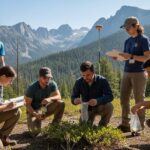
Featured Article

Big Data in Environmental Science: Careers, Applications & Degree Programs