Category Archives: Ornithologist

Ornithologist

Invasive Species: Causes, Impacts & Environmental Effects
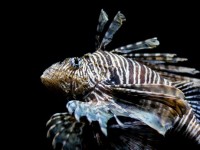
Invasive species are plants or animals introduced to new environments where they cause environmental, economic, or health harm. Unlike exotic species that coexist peacefully, invasives thrive without natural predators, reproduce rapidly, and disrupt native ecosystems. They're the second-leading cause of species extinctions globally, costing an estimated $120 billion annually in the United States alone. One…
Read more

How Climate Change Affects Birds

Climate change threatens more than half of North American bird species with significant population declines through disrupted breeding cycles, shrinking habitats, and range shifts. Rising temperatures cause phenology mismatches where birds arrive too late for peak food availability, contributing to reproductive declines of up to 90% in some migratory populations, such as the pied flycatcher.…
Read more

Birds as Environmental Indicators: What They Reveal

Birds serve as environmental indicators because they respond predictably to changes in habitat quality, pollution, and disease. Scientists study bird populations, behaviors, and physical samples to detect ecosystem stress early — often before other methods reveal a problem. Their sensitivity, visibility, and practical sampling methods make them one of ecology's most reliable monitoring tools. Environmental…
Read more

How Birds Support Ecosystems: 4 Essential Services Explained

Birds provide four essential ecosystem services that benefit humans and maintain environmental health: supporting services like nutrient cycling and soil formation, provisioning services including pest control and pollination support, regulating services such as waste decomposition and seed dispersal, and cultural services like ecotourism and spiritual enrichment. These contributions generate billions of dollars in economic value…
Read more

Ornithology: The Scientific Study of Birds

Ornithology is the scientific study of birds — their biology, behavior, ecology, evolution, and conservation. Most ornithologists enter the field through a degree in zoology or wildlife biology, with research careers typically requiring a master's or PhD. Birds are among the most valuable indicators of environmental health, making ornithology central to modern conservation science. Birds…
Read more

Is Environmental Science Really a Good Major?

Environmental science is a strong major choice for 2026, with median salaries of $80,060 and projected 4% job growth through 2034. The field combines biology, chemistry, geology, and policy to address real-world environmental challenges, preparing graduates for careers in consulting, government agencies, conservation, and research with approximately 8,500 annual job openings nationwide. When prospective students…
Read more

What We Wish We Had Known before Majoring in Environmental Science

Environmental science students consistently identify four critical areas they wish they'd understood before starting their major: the foundational importance of chemistry across all specializations, the competitive nature of introductory science courses, the long-term value of professional networking from day one, and the significant adjustment required for university-level science education. These insights come from hundreds of…
Read more