Category Archives: Archaeologist

Archaeologist

What Is Archaeology? History, Theories, and Subdisciplines

Archaeology is the study of human history through the examination of physical remains — artifacts, structures, landscapes, and technology left behind by past societies. It spans from prehistoric cultures to the modern era, using scientific excavation methods, theoretical frameworks, and emerging digital tools to reconstruct how people lived, worked, and thought. If you've ever wondered…
Read more

Cultural Resources in the Federal Environmental Process

Cultural resources—including archaeological sites, historic buildings, and Native American cultural properties—are federally protected elements of environmental review. Section 106 of the National Historic Preservation Act requires federal agencies to assess project impacts on historic properties and consult with State Historic Preservation Offices (SHPOs), Tribal Historic Preservation Offices (THPOs), and the Advisory Council on Historic Preservation…
Read more

What Environmental Data Tells Us About Greenland’s Viking Collapse

Environmental data—including pollen analysis, ice core isotopes, and soil studies—reveals that Greenland's Norse colonies persisted for several centuries during and after the Medieval Warm Period but collapsed rapidly as conditions cooled in the early 14th century. Limited adaptation to changing conditions and cultural pressures to maintain European farming traditions increased vulnerability when temperatures dropped, illustrating…
Read more

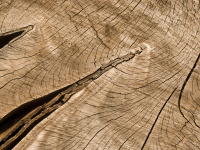
Dendrochronology: How Tree Rings Reveal Environmental History

Dendrochronology is the scientific analysis of tree-ring patterns to date wood samples and reconstruct past environmental conditions. Students from archaeology, climate science, chemistry, and forestry use dendrochronology in their research. Tree rings reflect annual growth influenced by climate, enabling scientists to date artifacts, calibrate radiocarbon testing, and study historical climate patterns spanning thousands of years.…
Read more

Is Environmental Science Really a Good Major?

Environmental science is a strong major choice for 2026, with median salaries of $80,060 and projected 4% job growth through 2034. The field combines biology, chemistry, geology, and policy to address real-world environmental challenges, preparing graduates for careers in consulting, government agencies, conservation, and research with approximately 8,500 annual job openings nationwide. When prospective students…
Read more

What We Wish We Had Known before Majoring in Environmental Science

Environmental science students consistently identify four critical areas they wish they'd understood before starting their major: the foundational importance of chemistry across all specializations, the competitive nature of introductory science courses, the long-term value of professional networking from day one, and the significant adjustment required for university-level science education. These insights come from hundreds of…
Read more