Category Archives: Ecologist

Ecologist

Ecology: Examining the Relationships Between Living Things

Ecology is an environmental science in its most literal sense – the study of environments and the entities within it. Although closely associated with environmentalism and conservation today, it does not necessarily follow; an ecology can also be human gut flora, how the elements of an urban environment function, and the ecology of soil nutrient…
Read more

Invasive Species: How They Affect the Environment

One consequence of globalization is that in addition to people and products moving across the globe, wildlife has been transported as well. This practice of transporting animals from their native regions to new areas dates back thousands of years. The Roman Empire frequently brought back animals from foreign lands to use for entertainment in the…
Read more

Phytoliths: What They Are and What They Tell Us

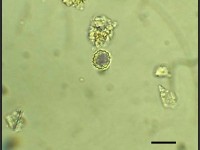
Phytoliths are microscopic silica structures that form inside plant cells and survive long after decomposition, providing evidence of ancient plant life and environments. These "plant stones" help archaeologists and environmental scientists reconstruct past ecosystems, understand early agriculture, and trace human impacts on landscapes dating back thousands of years. Most research roles require a Master's degree…
Read more

Birds as Environmental Indicators

Humans have invented a variety of instruments to monitor the health of ecosystems.  For example, to examine water quality in a wetland, an environmental scientist may use a sensor to measure dissolved oxygen in the water or perform chemical assays in the lab to examine heavy metals in the soil. However, in some cases we…
Read more

How Birds Support Ecosystems: 4 Essential Services Explained

Birds provide four essential ecosystem services that benefit humans and maintain environmental health: supporting services like nutrient cycling and soil formation, provisioning services including pest control and pollination support, regulating services such as waste decomposition and seed dispersal, and cultural services like ecotourism and spiritual enrichment. These contributions generate billions of dollars in economic value…
Read more

Natural Gas 101: Pros, Cons & Career Guide

Natural gas is a fossil fuel primarily composed of methane, formed over millions of years from decayed organic matter. It supplies approximately 22% of global energy needs for heating, electricity generation, and industrial processes. While natural gas burns cleaner than coal or oil—producing 50% less carbon dioxide—its extraction and use raise environmental concerns including methane…
Read more

Hydroelectric Power 101

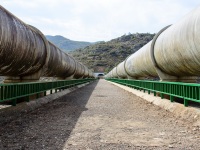
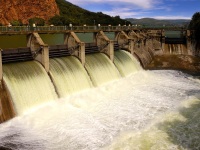
Hydroelectric power uses the kinetic energy of moving water to produce electricity. It's the most widely used form of renewable energy, generating 19% of electricity worldwide (1). While large-scale projects have had mixed results in the developing world, when done properly, hydroelectric is a cheap, clean and effective method of producing energy. Hydroelectric Methods Most…
Read more

Dendrochronology: How Tree Rings Reveal Environmental History

Dendrochronology is the scientific analysis of tree-ring patterns to date wood samples and reconstruct past environmental conditions. Students from archaeology, climate science, chemistry, and forestry use dendrochronology in their research. Tree rings reflect annual growth influenced by climate, enabling scientists to date artifacts, calibrate radiocarbon testing, and study historical climate patterns spanning thousands of years.…
Read more

Is Environmental Science Really a Good Major?

Environmental science is a strong major choice for 2026, with median salaries of $80,060 and projected 4% job growth through 2034. The field combines biology, chemistry, geology, and policy to address real-world environmental challenges, preparing graduates for careers in consulting, government agencies, conservation, and research with approximately 8,500 annual job openings nationwide. When prospective students…
Read more

What We Wish We Had Known before Majoring in Environmental Science

Environmental science students consistently identify four critical areas they wish they'd understood before starting their major: the foundational importance of chemistry across all specializations, the competitive nature of introductory science courses, the long-term value of professional networking from day one, and the significant adjustment required for university-level science education. These insights come from hundreds of…
Read more