Category Archives: Environmental Biologist

Environmental Biologist

GIS for Environmental Biology: Applications and Career Pathways
Geographic Information Systems (GIS) have become essential tools for environmental biologists studying land use changes, habitat connectivity, and ecosystem management. While no standalone undergraduate GIS degrees exist in the US, environmental biology students should pursue GIS minors or graduate certificates to enhance career prospects in conservation, forestry, and environmental protection. If you're studying environmental biology—or…
Read more

Invasive Species: Causes, Impacts & Environmental Effects

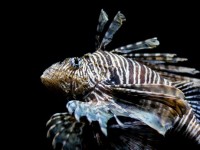
Invasive species are plants or animals introduced to new environments where they cause environmental, economic, or health harm. Unlike exotic species that coexist peacefully, invasives thrive without natural predators, reproduce rapidly, and disrupt native ecosystems. They're the second-leading cause of species extinctions globally, costing an estimated $120 billion annually in the United States alone. One…
Read more

What is Botany? Plant Science Careers & Degrees

Botany is the scientific study of plants, including flowering species, algae, fungi, and vascular plants like ferns. As one of the world's oldest natural sciences, botany explores plant structure, growth, reproduction, metabolism, and ecological relationships. With climate change threatening global plant biodiversity, botany has never been more critical to our future. Table of Contents What…
Read more

Birds as Environmental Indicators: What They Reveal

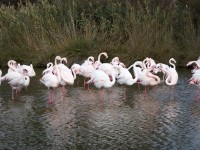
Birds serve as environmental indicators because they respond predictably to changes in habitat quality, pollution, and disease. Scientists study bird populations, behaviors, and physical samples to detect ecosystem stress early — often before other methods reveal a problem. Their sensitivity, visibility, and practical sampling methods make them one of ecology's most reliable monitoring tools. Environmental…
Read more

What is Palynology? Environmental Science’s Microscopic Detective Work

Palynology is the scientific study of microscopic organic materials like pollen, spores, and dinoflagellates preserved in sediments and rocks. This interdisciplinary method helps researchers understand past climates, track environmental changes, identify archaeological sites, and reconstruct ancient landscapes. Palynologists work across botany, geology, archaeology, and climate science to unlock Earth's environmental history. Understanding how landscapes and…
Read more

How Birds Support Ecosystems: 4 Essential Services Explained

Birds provide four essential ecosystem services that benefit humans and maintain environmental health: supporting services like nutrient cycling and soil formation, provisioning services including pest control and pollination support, regulating services such as waste decomposition and seed dispersal, and cultural services like ecotourism and spiritual enrichment. These contributions generate billions of dollars in economic value…
Read more

Hydroelectric Power: How It Works, Pros & Cons, and Careers

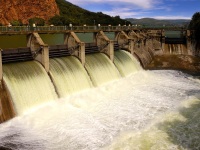
Hydroelectric power harnesses the kinetic energy of moving water to generate electricity, making it the world's most widely used renewable energy source. It's clean, cost-effective, and capable of producing power at scales ranging from a few kilowatts to over 20 gigawatts. It currently generates roughly 19% of the world's electricity, with careers in the field…
Read more

El Niño and La Niña’s Impact on Our Environment

El Niño and La Niña are opposite phases of the El Niño Southern Oscillation (ENSO), a climate pattern affecting ocean temperatures and atmospheric pressure in the equatorial Pacific every 3-7 years. El Niño brings warmer waters and disrupted trade winds, while La Niña brings cooler temperatures and stronger winds. Both phenomena significantly impact global weather…
Read more

Is Environmental Science Really a Good Major?

Environmental science is a strong major choice for 2026, with median salaries of $80,060 and projected 4% job growth through 2034. The field combines biology, chemistry, geology, and policy to address real-world environmental challenges, preparing graduates for careers in consulting, government agencies, conservation, and research with approximately 8,500 annual job openings nationwide. When prospective students…
Read more

What We Wish We Had Known before Majoring in Environmental Science

Environmental science students consistently identify four critical areas they wish they'd understood before starting their major: the foundational importance of chemistry across all specializations, the competitive nature of introductory science courses, the long-term value of professional networking from day one, and the significant adjustment required for university-level science education. These insights come from hundreds of…
Read more