

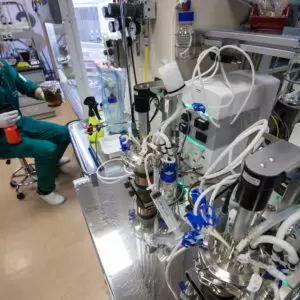
Biotechnology applies biological systems and living organisms to develop products and solve problems across agriculture, medicine, and manufacturing. Originating with ancient fermentation and selective breedin g 6,000+ years ago, modern biotechnology encompasses genetic modification, bioengineering, and medical innovations. From disease-resistant crops to sustainable materials, biotechnology addresses critical challenges in food security, healthcare, and environmental protection.
Welcome to EnvironmentalScience.org's comprehensive guide to biotechnology. Whether you're a student exploring environmental biotechnology degree programs, a professional considering a career change, or simply curious about how biology and technology intersect to solve real-world problems, this guide will help you understand biotechnology's fascinating evolution and diverse applications. We understand that your interest in biotechnology isn't just academic curiosity—it's about discovering how this field can shape meaningful careers and address some of our planet's most pressing challenges.
What is Biotechnology?
The word "biotechnology" is a portmanteau of "biology" and "technology". Also known in shortened form as "biotech", it uses biological and natural processes to tackle and solve some of the world's biggest technological and industrial problems. Anything that uses biological cells and living material—including genes and gene sequences in technological applications—qualifies as biotechnology.
Although it's largely considered for its medical applications in the public mind, biotechnology has its origins in agriculture from pre-civilization times. Applying biology and technology together has been around for nearly 6,000 years since the dawn of the Agricultural Revolution in the Neolithic period.
The term "biotechnology" wasn't coined until 1919 , well beyond the beginning of the Enlightenment and into the modern era of science. A UN convention on biodiversity defined it as "any technological application that uses biological systems, living organisms, or derivatives thereof, to make or modify products or processes for specific use". It's so carefully interwoven with most biological sciences, particularly for industrial-scale processes such as agriculture, medicine, and manufacturing, that it will be fundamental to any future developments in these fields.
A History of Biotechnology
The Neolithic Agricultural Revolution
To examine the origins of biotechnology and humans using biological material as a commodity to improve lifestyle, increase longevity, and create convenience, we need to go back to the dawn of human civilization itself. The Neolithic Revolution, sometimes known as the First Agricultural Revolution, is arguably the point at which human culture began.
Humans largely stopped being nomadic hunter-gatherers and began planting crops and breeding livestock for food and clothing. Settlements became increasingly permanent rather than seasonal, and the first permanent or semi-permanent camps and villages began to appear.
The origins of agricultural practices aren't entirely clear, but evidence suggests the ideas were traded between groups of people and may have developed independently in different parts of the world. From East Asia across the Middle East, the Russian Steppe, and into Europe, farming spread quickly.
It's a common belief that Native Americans were all nomadic, but this isn't strictly true. Many tribes were around before the arrival of Christopher Columbus, but many more practiced what archaeologists call "subsistence farming" and "surplus agriculture"—particularly the Pueblo and Hohokam cultures of the southwestern US. These cultures produced more food than needed for a season, in contrast to the process of simply gathering enough food in one area before moving to the next.
Several major biotechnological "discoveries" were made during the Neolithic Agricultural Revolution. The first is the development of bread. Evidence for making flatbreads or unleavened breads goes back 30,000 years. However, archaeologists have traced the advent of leavened bread—bread that rises using yeast—to around 6,000 years ago. It's possible that, as with many of these discoveries, leavened bread was discovered accidentally. Mixing wheat with yeast to create risen bread is one of the oldest and simplest applications for biotechnology. Yeast occurs naturally, and its use creates irreversible chemical and nutritional changes when heat is applied.
The second major change is agricultural crossbreeding. This technology was applied to both livestock and crops using the same principles. Again, it's not clear precisely when this began, although archeozoological evidence suggests animal husbandry may predate crop farming, but not by much.
Evidence suggests animal husbandry and the first fields for crops began some 10,000 years ago in the ancient Near East. Techniques of selective cross-breeding were applied to semi-domesticated livestock to create preferential attributes for more dairy and meat production and to increase yield and resilience in crops. Most of the livestock and staple crops we consume today never evolved to be that way naturally but exist due to thousands of years of selective crossbreeding. This practice was a precursor to modern genetic modification.
Beer and Wine as Important Early Biotechnologies
Practices for surplus agriculture led to incredible population growth across the world where these methods were adopted. With the use of irrigation and careful cross-breeding, some of the world's earliest civilizations were able to settle, propagate, expand, and create humanity's greatest achievements—art, culture, literature, monuments, and city building.
None of these would have been possible without surplus agriculture, allowing for the concentrated urban population numbers that enabled it. But these growing populations required more and more food, which meant more crossbreeding for even greater yields and hardiness in some of the Old World's most difficult places to settle.
The great cities of ancient Mesopotamia may have formed in the Fertile Crescent between modern Iran and Iraq, but some of these settlements required environmental engineering projects, such as irrigation, to bring masses of water to feed and water populations and support agricultural practices.
Urban centers bring public health problems, many of which are born and transmitted by waterways. Beer may have originally developed as a by-product of bread fermentation, but it soon became vital to civilization. Water was often dirty and contaminated, and fermentation proved one of the best ways to remove pollutants and harmful microbes. Beer and wine may seem like luxuries today, but to ancient people, they were among the safest ways to consume fluids. That's why ancient Mesopotamia developed beer, Mediterranean civilizations developed wine, and Far Eastern societies produced sake or similar rice wines.
Fermentation is now an important cultural indicator—every society that produces alcohol takes pride in that heritage. But fermentation is also a biotechnological process that was profoundly beneficial to humanity. The naturally occurring degradation of organic material breaks down and destroys harmful bacteria in water. A similar process allows cheese to be made from raw dairy, with harmful bacteria eliminated by beneficial bacteria.

The Enlightenment
These technologies served human civilization well for thousands of years, even though the capacity for understanding how and why fermentation worked—and why certain enzymes can increase the longevity of milk by turning it into cheese—was never understood until the scientific revolution.
The Enlightenment advanced the cause of many sciences, not least of all biology and its associated subdisciplines. One of the earliest contributions to medical science from biotech, taking it firmly outside its limitations within food technology, was the vaccine.
Although the reasons for why and how they worked were little understood at the time, the application of specific viruses and bacteria as a treatment for triggering the immune system to create immunity to other conditions is now one of the founding scientific theories behind immunology.
The arrival of biotechnology as an area of study, as we would understand it, came late in the Enlightenment. Its major contributor in the early 19th century—before he published his seminal works on evolutionary theory—was Charles Darwin. By 1859, when he published On the Origin of Species, he had already written extensively on humanity's ability to influence species changes through unnatural selection. Observing pigeon variety based on the attributes of its parents, he observed the process of what we today call "selective crossbreeding".
The scientists in this period didn't understand genetics, but they did have some of the tools that would allow us to examine the tiniest life forms. It was Louis Pasteur who finally came to examine the bizarre and mysterious phenomena of yeast fermentation.
In another paper, he theorized a lactic process in dairy products similar to that of alcohol, indicating that in both cases, a type of yeast—but different yeast—was responsible. He further demonstrated how microorganisms such as bacteria could spoil food, a theory that would later lead to "pasteurization"—a method used to destroy harmful bacteria and prolong the life of dairy produce.
Into the Modern Age: The 20th Century
Industrialization of farming practices began in the 17th century during what's called the "Second Agricultural Revolution" or "The British Agricultural Revolution" after its invention in Britain. It wasn't just towns and cities that industrialized and adopted mass production methods for goods—agriculture did too.
Right across the developed world, thanks to selective crossbreeding, yields were far higher than at any time before. This would continue exponentially until the end of the 20th century, when the continually growing population would demand even higher yields.
Many of our best-known crop cultivars were developed in the late 19th and early 20th centuries. New techniques and a more tailored approach to soil types, water, and cultivation drove innovation. The early 20th century saw incredible advances in agricultural technology.
It was the beginning of intensive farming, following the two world wars, that created the massive surplus that we have today. This is largely due to advances in biotechnologies, such as understanding concepts in microbiology. New herbicides and pesticides were developed to deter pests and reduce instances of infection or infestation of crops. The Potato Blight that had led to so much starvation in the previous century would never yet be repeated in the developed world.
RELATED: Microbiology Careers
But biotech wasn't just about increasing yields through disease prevention. Israel's first Prime Minister started life as a biochemist and developed a method of using biotechnology to produce high yields of cornstarch. Although initially used in explosives during World War One, today it's used as a thickening agent in many foodstuffs, especially sauces.
The growth of biotechnology as a medical science also took an incredible leap forward in the early 20th century. Edward Jenner's discovery of the Penicillium mold, which would go on to create the first antibiotics, put biotech's foot firmly in the realm of medical treatment. This technology would initially help humans, but antibiotics would increasingly be used in agriculture, too. By preventing certain diseases in livestock, we could further ensure greater survival rates of cattle and sheep, and higher yields.
The late 19th into the 21st century is and continues to be a period of exponential growth in human longevity and health. But new problems arose in this industrial world—climate change.
Adaptation to the problems of a warming world, more erratic weather, the appearance of new diseases, the spread of existing diseases into areas that were previously not conducive, and the mutation of existing diseases would form the crux of many problems in the 21st century. Also, with increased antibiotic resistance, researchers would need to look elsewhere and at new technologies to solve the problems of the new millennium.
21st Century Developments
Now, biotechnology is finding new ways to branch out. The "Green Revolution" is underway, and it's thanks in part to our understanding of new biotechnologies such as genetics and genomics.
The best-known of the modern technologies utilizing principles of biotechnology is genetic modification. Humans have modified crops and animal species for millennia through trial-and-error crossbreeding of related species and selective crossbreeding of individuals to create favored attributes.
These attributes are designed to create greater yields (grain and seed in plants, milk and meat in livestock), disease or pest resistance, and hardiness (less subject to erratic weather). Modern genetic modification works with the same ideas in mind, but by selecting single genes to implant in an existing species.
Many see this technology as vital to alleviating or even solving hunger in the developing world, especially in marginal landscapes—areas already subject to slight changes that may suffer further when the full effects of climate change are realized.
Genetic modification in agriculture faced significant public mistrust for decades. The first major field trials for GM wheat and potatoes were authorized in 2017 in the United Kingdom and in Kenya for GM corn. While access initially proved problematic in developing nations due to cost, prices have gradually decreased with widespread use and more efficient production methods. By 2025, GM crops will be more widely accepted, though regulatory frameworks vary significantly by country.
Further developments in the late 20th and 21st centuries include hydroponics and their potential for colonizing other planets. But agricultural yields aren't the only potential application here. The Zika Virus that hit Brazil and other parts of South America and Mesoamerica in 2016-17 was an unusually high outbreak of the disease. It's carried by mosquitoes, and in a typical year, cases number in the hundreds right across the tropics.
But in a single season, with Brazil the worst affected, thousands of children were born with deformities. One novel solution was to release genetically modified mosquitoes. Data demonstrated that the tactic was a success. We can expect further outbreaks of diseases spread by insects to be fought with genetic weapons in the future.
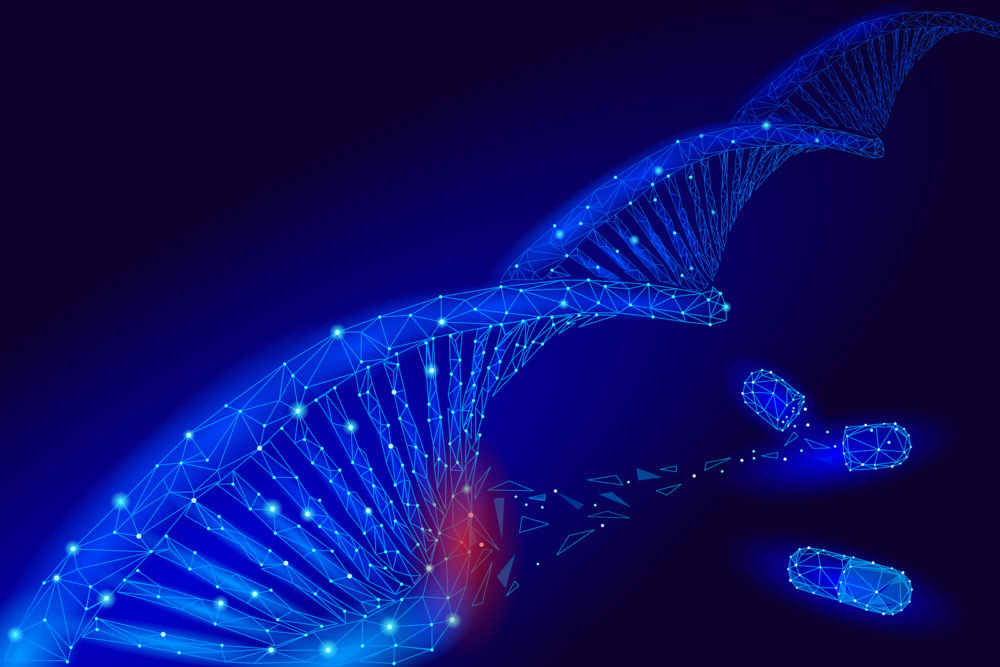
In 2024 and 2025, biotechnology continues to advance rapidly. Researchers are developing more efficient CRISPR gene-editing techniques, exploring synthetic biology for sustainable manufacturing, and creating personalized medicine approaches that were once science fiction. Environmental scientists increasingly collaborate with biotechnologists to address pollution, develop bioremediation strategies, and create carbon-capture organisms.
Major Applications of Biotechnology
Biotechnology touches nearly every aspect of modern life. From the food we eat to the medicines we take, from the materials we use to the energy we consume, biological processes engineered by humans play a vital role. Let's explore the major application areas where biotechnology is making its greatest impact.
Consider your interests in these applications as you explore potential career paths in environmental biotechnology:
In Agriculture
Genetic modification is the oldest form of biotechnology and remains critical today. As the human population continues to increase, we need to produce higher yields without encroaching on more virgin land, such as rainforests, or taking up valuable space for potential housing.
We've always sought to increase yield, pest resistance, hardiness, and safety through selective cross-breeding. But genetic modification has proven itself a vital technology for coping with our food demands for tomorrow. Repeated tests and studies have shown it's safe despite some minor concerns over ethics and potential allergens.
Hydroponics: As we look to colonize other worlds—with a planned manned mission to Mars likely around the 2030s—we're going to need to feed a lot more people on worlds presently unable to sustain life as it stands because of a lack of soil or little to no nutrients in their soils.
This will mean not just genetic modification for plants to produce high yields for little energy, water, or UV light input, but also growing in some of the harshest conditions of the solar system. This includes hydroponics—developing ways of growing crops without the use of soil and monitoring soil fertility. A number of trials have been run over the decades. Hydroponics isn't just a potential technology—in some areas, it's already a vital method of production.
Biofuel Production: One of the biggest challenges of the modern world is to continue to supply fuel. Fossil fuels are a finite resource. It's a matter of when, not if, renewable energy production methods replace oil, gas, and coal.
Hydroelectricity, solar power, and wind turbines are the most common alternatives, but at present, crops are also grown and converted to diesel. The organic material used in biofuels, such as Miscanthus (Elephant Grass) and Prairie Switchgrass, are high yield and low-maintenance. The ability to convert organic material to fuel is a recent development.
Animal Sciences: People with qualifications in biotechnology may work in animal sciences, working on some of the biggest issues today. While livestock production and veterinary science are the most obvious, animal scientists also examine organic materials from animals to create goods for human consumption—for example, tanning leather, examining the use of bone mulch or animal waste for natural pesticides and fertilizers.
There's also overlap with medical science and genetics as researchers seek to understand why some animal species are genetically immune to certain diseases and research those genes for human and animal testing.
In Bioengineering
Bioengineering, or Biological Engineering, is an applied science using biological theory in solving real-world problems. This both complements and contrasts traditional engineering practice that uses math, science, and computing in designing structures and tools.
Bioengineering allows adaptation of the sciences by looking at ideas, theories, and practices that already exist in nature. Biological engineers aim to mimic existing biological systems or modify them to replace, enhance, or otherwise improve upon current engineering problems. It brings together two seemingly disparate sciences to create a necessary overlap.
Food technology is an area of overlap with agriculture, but bioengineering has designed and created several alternative food sources. Synthetic proteins used in meat substitute foods are one example, but in recent years, researchers have focused on producing synthetic meat (21).
Rearing livestock for meat is one of the most land-intensive food production methods and is arguably not good for the ecology. It also creates ethical dilemmas for people who eventually turn vegetarian or vegan for animal welfare purposes. If bioengineering can create synthetic meat with all the nutrients of meat and do so safely, it could eliminate both the ethical and ecological problems while providing for our meat requirements of the future.
In Biomimetics / Biomimicry
A form of bioengineering, biomimetics (also known as biomimicry) is the application of natural processes and systems in modeling to solve complex engineering problems.
One of the earliest and simplest examples is how humans attempted to fly by copying the flapping wings and motions of birds. This method failed due to a poor understanding of physics and the nature of flight—speed and lift—while focusing solely on the flapping motions and the shape of bird wings.
However, this major failure aside, biomimetics does have useful applications today with many success stories. One of the most recent is mimicking termite mound design to create energy-efficient buildings of the future.
The Eastgate Building—a commercial office block and shopping mall combination in Zimbabwe—uses efficient internal climate control. The entire structure is built on the same principle as a termite mound to regulate temperature, using natural processes to keep it cool in summer and warm in winter. Remarkably, this complex has no heating or air conditioning system.
Other examples include redesigning medical needles based on the structure of a mosquito's sharp mouth for more efficient injections and blood sample taking, leading to less damage to the veins and arteries. Another is the development of sonar through the marine biology study of whales and dolphins.
In Manufacturing
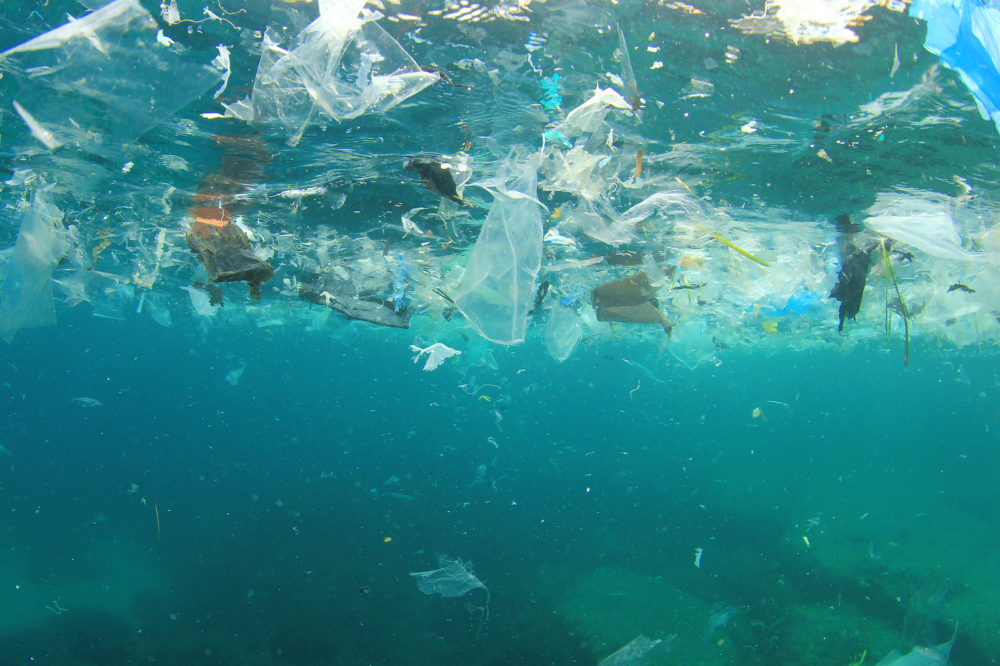
Biotechnology is also proving vital in catering to our consumer society. One of the biggest problems this decade is the buildup of plastics in our oceans. Microbeads and other disposed plastics are harming wildlife on a massive scale. In 2018 and continuing through 2025, there has been growing awareness of the danger of plastics.
This type of material currently relies on oil as a raw material, but it can be made through biodegradable, safer materials. It already is, and we're using it in some of the plastics we use every day. Bioengineering could be one of the methods to use for environmental production methods for a range of sustainable materials by mimicking biological systems or applying biological technology to existing technology.
Science has developed eco-plastics made from cellulose for our grocery bags, agricultural waste to make packaging for water bottles, and hard and flexible plastics. In some cases, these are indistinguishable from plastics manufactured from petrochemical production. Cellulose (paper derivative) has proven particularly useful in that it will degrade in just a couple of years and leave no residue when incinerated, unlike conventional plastics.
We also expect biotech in manufacturing to go down to the microbiological level—enzymes and genes—in the future to solve some of our production problems. In theory or in practice, these include genetic manipulation of biomass, "green" chemical production and agricultural feed and fertilizers. This is potentially vital for industries, as moving away from petrochemicals and the use of oil as a major resource could reduce carbon footprint almost everywhere in manufacturing.
In Environmental Remediation
This is the application of biotech in cleaning up after an oil spill or gas leak. Biotechnologists who work in this area use either natural or genetically modified biological material to counteract the damage that such a disaster is capable of causing.
Typical material includes bacteria (microbial remediation), algae, and fungi (mycoremediation) to consume polluting material, or new plant species (phytoremediation) to soak it up through natural soil leaching.
Bacteria is often the most preferred method as it will usually convert dead organisms—biological life killed in the disaster—into organic materials such as nutrients. In each case, the job of the introduced material is to break down organic or inorganic materials into harmless or even beneficial materials through acids and enzymes or the byproducts of their "eating" the material.
In Biomedical Technology
Since the Enlightenment, biotechnology has seen its greatest number of applications develop and grow through medical sciences. Today, there are no areas of medical application that haven't been touched by what's called "biomedical technology".
The first is in disease detection and diagnosis. Understanding the nature of disease hasn't always been an exact science. Many physicians rely on experience and explanations of symptoms to diagnose a condition, even today with all the technology at their disposal.
But the application of biotechnology, such as genetic testing looking for specific proteins and markers to understand which condition a patient has, is one of the most recent developments. Now we're unlocking the genetic codes and biological markers of most diseases; this process could be easier in the future.
Genetics is also informing a number of other areas, such as virotherapy. This is the use of viruses in the treatment of other diseases. There are three branches: anti-cancer oncolytic viruses, viral vectors for gene therapy (the use of non-replicating viruses as a carrier for a genetic change), and viral immunotherapy.
The latter is similar to traditional vaccines—infecting a patient with another virus, a far less harmful one, that will result in immunity to harmful related viruses—but differs in that it applies antigens into the immune system. The production of traditional medicines, vaccines, and antibiotics is also technically biotechnology, as researchers often examine the genetic or chemical structure of a naturally occurring substance and manipulate it or synthesize it for conventional medicines.
Biotechnology may have future applications for a concept called "personalized medicine." The explanation is precisely what it sounds like—the move away from a "one size fits all" mentality to healthcare to one tailored to the unique needs of the patient, considering lifestyle and genetics, while using targeted therapies, treatments, and care.
Naturally, this will include some interesting technologies such as gene sequencing to devise more effective cancer treatments for the individual, diagnostics to determine the type of cancer a patient has (not just where it is—there are different types of breast cancer, for example), and the use of biomarkers.
The Sub-Divisions of Biotechnology
Biotechnology is a division of biology where the science overlaps and fuses with engineering and the use of applied technology. But there are also multiple subdivisions of biotechnology based on intersections with other areas of study. Some of these are relatively new developments and based on technologies that are only just now making it into the mainstream.
Biotechnology falls into a "color code." The subdisciplines below will often fall into more than one category:
- Blue biotechnology: Using marine biological systems for developing applications, products, and services, examining sonar (already given as an example) and the streamline shapes of fish and sea mammals for developing submersibles.
- Green biotechnology: The application of biotech to the agricultural sciences. Genetic modification and conventional crossbreeding are the most common, but it also researches and develops fungi, algae, and bacteria in such applications as environmental remediation.
- Yellow biotechnology: One of the oldest methods of biotech, applying to food, not to crossbreeding, but to applied and deliberate fermentation and other processes in the production of dairy produce and alcohol.
- White biotechnology: Concerned with the industrial process of creating packaging and other mass-produced materials. Alternative plastics (also known as eco-plastics) fall under this category as we search for viable and biodegradable alternatives.
- Red biotechnology: The application of biotechnology for medical purposes—some of which have already been discussed here.
- Gray biotechnology: Typically applied to anything involving environmental remediation and toxic cleanup.
- Brown biotechnology: Concerns a number of areas in the application of technology for arid areas such as deserts and other arid marginal landscapes. Creating GM seeds to survive in the harshest of conditions comes under this area.
- Gold biotechnology: Computing and robotics—see below for further details.
- Violet biotechnology: Ethics, law, and policy in the application of biotechnology in any industry.
- Dark biotechnology: Fusing biotechnological military use with healthcare, it's the examination and study of chemical and biological pathogens used as weapons. And, of course, the application of disaster relief, treatment, and cure.
Bioinformatics
Bioinformatics is when biotechnology works with information technology as a form of theoretical biology. It's an interdisciplinary and cross-disciplinary field that attempts to develop software-based tools for the application of analyzing biological data.
With the advent of Big Data, it's likely to experience a heyday over the next few years and into the 2020s and beyond. It brings together experts and data from such broad fields as information technology, biological sciences, engineering, and math in the analysis and interpretation of biological information.
In essence, it's a form of applied statistics, computational processes, and modeling for the biological sciences. Typical applications for bioinformatics include investigating large-scale population trends and understanding individual genes as candidates for common diseases.
Bioinformatics allows researchers to examine and process more information faster and more often with enormous processing power and statistical analysis, including digital mapping where appropriate. The further implications for this are clear—not just for medical use (human and zoological/veterinarian), but in agritech and for gene simulation modeling too. We can identify specific genes that make crops hardier and more likely to produce higher yields, and selectively breed them and project how they might work with other genes.
Biorobotics
Biorobotics is biomechanics with the use of computer-controlled robotics. Engineers work to develop robots whose applied methods, mechanics, and theory are inspired by living systems. In theory, they should present advantages over and above traditional robotics systems.
By examining the evolution of biological systems, we can design better robots, prosthetics, and automation in industry. The most obvious applications of robotics are, of course, in prosthetics and automation of dangerous jobs to reduce human workplace injuries and death. But with many jobs being expected to move in favor of automation in the next decade, the potential is now limitless.
Miniaturization may help us examine disease genetics further, for example, which we call nanobiotechnology. Some have even been used in tests to examine childhood development to identify autism and in surgeries. As far as environmental applications are concerned, the ability of robots to mimic and adapt to animals in a natural environment may go some way to understanding ecosystems and putting in place structures for environmental conservation.
Frequently Asked Questions
What is biotechnology?
Biotechnology is the application of biological systems, living organisms, or their derivatives to develop products and solve problems across multiple industries. It combines biology and technology to address challenges in agriculture, medicine, manufacturing, and environmental protection. From ancient fermentation processes to modern genetic engineering, biotechnology uses natural biological processes for practical human applications.
How is biotechnology used today?
Today's biotechnology touches nearly every aspect of modern life. In medicine, it's used to develop vaccines, antibiotics, and personalized treatments. In agriculture, it creates disease-resistant crops and sustainable farming methods. Manufacturing uses biotechnology to produce eco-friendly plastics and biofuels. Environmental scientists use biotech for pollution cleanup and conservation. The field continues to expand into areas like synthetic biology and CRISPR gene editing.
What are the different types of biotechnology?
Biotechnology is classified into color-coded categories based on application areas. Green biotechnology focuses on agriculture, red on medicine, white on industrial manufacturing, blue on marine applications, and gray on environmental remediation. Additional categories include yellow (food production), brown (arid environment applications), gold (computing and robotics), violet (ethics and policy), and dark (biodefense). Many biotechnology projects span multiple categories.
Is biotechnology only used in medicine?
No, biotechnology extends far beyond medicine. While medical applications like vaccines and gene therapy are well-known, biotechnology plays equally vital roles in agriculture (crop improvement, pest management), manufacturing (sustainable materials, biofuels), environmental protection (pollution cleanup, conservation), food production (fermentation, dairy products), and even space exploration (hydroponics for Mars missions). The field is remarkably diverse and continues to expand into new areas.
How can I pursue a career in biotechnology?
Careers in biotechnology typically require at least a bachelor's degree in biotechnology, biology, biochemistry, or related fields. Many positions require advanced degrees (master's or PhD), depending on the specialization. Environmental biotechnology degree programs combine biological sciences with environmental applications. Career paths include research scientist, biotech engineer, genetic counselor, environmental remediator, and agricultural biotechnologist. Internships and laboratory experience strengthen your preparation for the field.
Key Takeaways
- Ancient Origins, Modern Applications: Biotechnology began 6,000+ years ago with fermentation and selective breeding but now encompasses cutting-edge fields like genetic engineering, CRISPR technology, and synthetic biology that address modern challenges.
- Diverse Career Pathways: The field offers opportunities across medicine (vaccine development, personalized treatments), agriculture (sustainable farming, GMO development), manufacturing (bioplastics, biofuels), and environmental protection (pollution remediation, conservation biology).
- Color-Coded Specializations: Biotechnology subdivides into distinct areas—green (agriculture), red (medicine), white (manufacturing), blue (marine), gray (environmental remediation)—each requiring different skill sets and offering unique career opportunities.
- Environmental Impact: Modern biotechnology plays a critical role in addressing climate change, developing sustainable materials, creating pollution cleanup strategies, and ensuring food security for growing populations without destroying natural habitats.
- Educational Investment: Most biotechnology careers require at least a bachelor's degree, with many research and development positions requiring advanced degrees. Environmental biotechnology programs prepare students to apply biological sciences to real-world environmental challenges.
Fascinated by how biology and technology solve real-world problems? Explore environmental biotechnology degree programs and discover career paths where you can apply science to protect our planet and improve human health.

- What Is Parasitology? The Science of Parasites Explained - November 19, 2018
- Desert Ecosystems: Types, Ecology, and Global Importance - November 19, 2018
- Conservation: History and Future - September 14, 2018
Related Articles


Featured Article

What Is Geology? Studying Earth’s Structure & Careers