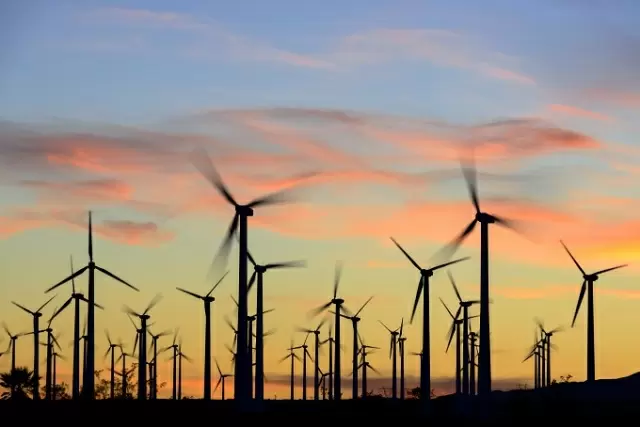

Renewable energy comes from naturally replenishing sources like sunlight, wind, water, and biomass—resources that don't deplete with use. Today, renewables generate approximately 29% of global electricity (2024), with hydroelectric power leading at 16%, followed by wind (8%), solar (4%), and other sources (1%). The shift to renewable energy addresses three critical challenges: finite fossil fuel supplies, climate change mitigation, and energy security. Most environmental science careers in the renewable sector require bachelor's degrees in engineering or environmental science, with median salaries ranging from $76,000 to $96,000 depending on specialization.
You've heard about renewable energy—solar panels on roofs, wind farms along highways, maybe even geothermal heating systems. But understanding how these technologies actually work, which careers involve them, and why they're reshaping the entire energy sector? That's where things get interesting.
After guiding thousands of students into environmental careers over the past two decades, we've watched renewable energy transform from a niche field into one of the fastest-growing job markets in environmental science. Whether you're considering a career as a solar engineer, evaluating environmental engineering programs focused on renewable technologies, or just curious about the science behind these innovations, here's everything you need to know.
We'll walk through the major renewable energy sources, explain the advantages and limitations of each, show you the career opportunities they're creating, and help you understand why this shift is reshaping environmental science careers in 2025 and beyond. We use energy every day of our lives—our electronic devices require electricity for power, our streetlights need the same for lighting, and our vehicles require gasoline and diesel. We fuel our homes with domestic oil, propane, or electricity from a national or local grid for lighting, heating, and powering our devices. All of these things require power from fuel.
The world is working to reduce carbon emissions and limit global temperature change, building on agreements like the 2015 Paris Climate Summit. We also need to recognize that there's only so much we can do by limiting greenhouse gas output alone—as the human population grows, so do demands on our energy infrastructure. To further help the environment and secure the planet's future, we need to move to renewable sources for our energy generation.
On This Page:
- A History of Renewable Energy
- Renewable Energy: The Figures
- Why Do We Need Renewable Energy?
- What are The Renewable Energy Types?
- Renewables and the Economy
- Frequently Asked Questions
- Key Takeaways
A History of Renewable Energy
Here's something that might surprise you: before the discovery of coal deposits around the time of the Industrial Revolution, most of the energy we used for lighting and heating came from renewable sources—with one or two exceptions. Then we discovered coal, which fueled the industrial revolution in the Western world, and later learned to tap oil in greater quantities, leading to an acceleration of technologies that took us into the 20th century.
Throughout most of human history and pre-history, we burned what would today be known as "biomass": plant material such as wood, grass, mosses, and so on, to fuel our hearths and later, homesteads. It became an important fuel source, which is why the hearth and fireplace were central to homes until relatively recently.
From one perspective, the discovery and utilization of fire is a history of civilization, and a history of the use of renewable energy. Humanity continued in that fashion for many thousands of years before the discovery of oil (though obviously in smaller quantities than later) in antiquity and the mass drilling of oil during the industrial age. Other uses of renewables in antiquity include animal power (using cattle to drive ploughs or turn millstones) and wind for the sail that has driven trade for some 8,000 years of human history. The use of water sources, such as creating dams to harness the power of fluid motion, isn't a new idea either.
It was in the 1970s that we began to look back towards some of these ancient methods and technologies to provide the power sources of tomorrow. Peak oil and peak coal were theorized as far back as the 1870s. Remarkably, even during the Industrial Revolution, some thinkers were theorizing on and developing concepts of solar technology to prepare for a post-coal world. The reason may have changed, but the thinking hasn't—many of the modern developments are for a post-oil world. We've known since early in the process of mass mining of coal and oil that there would be a peak and a time when these resources would run out. Theories and investment in solar technology lasted until the outbreak of WWI. Even in 1912, a paper in Scientific American hypothesized that soon, fossil fuels would run out, leaving solar power our only option.
The concept of peak oil in the 1950s began a new drive towards renewables. Solar, hydro, and others were seized upon by both environmentalists and industrialists. They were equally concerned about exponential growth in the human population, in oil consumption, and realized that it's a finite resource and will run out regardless of the size of today's supply. A growing environmental movement, the development of environmental sciences, and a push against pollution (such as the Clean Air Act in the US and equivalents in other countries, most of which passed in the 1960s-1970s) meant that more than ever before, renewable energy became not just a scientific innovation for the future, but a necessity.
Since then, there have been successive debates about whether we've reached peak oil. Many experts agree that it happened around 2008. New pockets are getting fewer and smaller. Demand has outstripped supply since 1986, spurring on economists, scientific researchers, and environmental campaigners to hasten its demise by campaigning for what's in the ground to remain in the ground. Instability in oil-producing countries has led to fluctuations, particularly since the 1990s, and that has brought another issue to the world's attention—energy security.
Energy security has been a major concern to world leaders since the end of the 20th century, but even more so since the beginning of the 21st century. The term refers to the link between each country's national security and the availability of resources for energy production and consumption. If a country loses or finds it has restricted access to oil and other resources, instability is likely as energy is rationed. Energy security can be the result of armed conflict or political instability in gas or oil-producing countries, or a buying country having access restricted when a producing country deliberately cuts supply.
Renewable Energy: The Figures
According to the International Energy Agency, renewable electricity generation reached approximately 29% of global production in 2024, up from 22% in 2013. The IEA predicts this figure should hit 35% by 2030. In terms of total energy consumption (not just electricity), renewables account for approximately 13% of our present usage as of 2024. Most long-term forecast models predict that renewable energy capacity will triple between 2023 and 2030, with even greater acceleration if the planet continues warming.
We can break these figures down even further and look at the divide between renewable energy types. As of 2024, these are:
- 10% from traditional biomass
- 3% as modern bioenergy (biofuels, biogas)
- 16% from hydroelectricity generation
- 8% from wind power
- 4% from solar power
- 1% from geothermal and other renewable sources
There's still much to do. Between 2000 and 2020, coal remained a dominant energy source, though its use has declined significantly since 2020 as renewable capacity expanded rapidly. The most dramatic shift has been in solar and wind energy, which have seen cost reductions of 90% and 70% respectively since 2010, making them now the cheapest forms of electricity generation in most regions.
Domestically, the US produces approximately 21% of its electricity from renewable sources as of 2024. As one of the world's largest consumers of energy (consuming around 17% of the world's production annually), the situation in the US is critical. The good news? Exponential growth in renewable energy production is outpacing fossil fuel expansion. A 2024 UN report concluded that renewable technology is now being produced on an industrial scale and deployed faster than any energy source in history.
There's a large disparity in energy production by state in the US, with some producing far more renewables than others. If we look at state-by-state data, we can see significant variation between the 50 states.
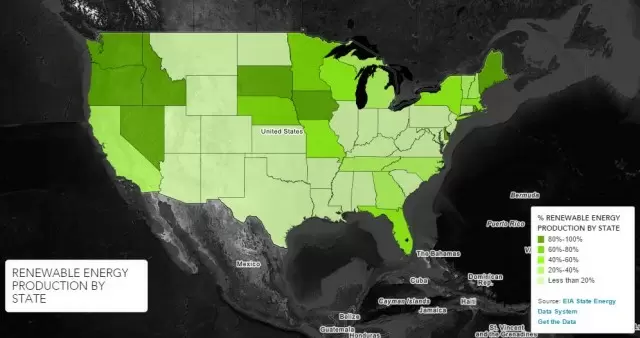
Idaho remains one of the top renewable energy producers, generating most of its electricity from hydroelectric and geothermal sources thanks to the volcanic activity of its topography. Idaho is a success story of a renewable future and reports some of the lowest energy prices to customers of any state. Delaware, while a net consumer of energy supplied by other states, now generates all of its domestic production from renewable sources thanks to offshore wind development.
Wyoming, historically the lowest producer of renewables due to its coal production heritage (the state produces about 40% of the country's coal supply), has seen significant growth in wind power. As of 2024, approximately 15% of Wyoming's electricity generation comes from wind energy, up from just 11% in 2020. The state's vast plains make it ideal for wind farm development, creating new career opportunities for wind energy engineers. Alaska relies heavily on diverse renewable sources, including hydroelectric, geothermal, and wind, though diesel generators still power many remote communities.
Why Do We Need Renewable Energy?
Fossil Fuels Are Limited
The first and main reason governments and businesses are keen to move to renewable energies as soon as possible is that fossil fuels are a finite resource. Whether we reached peak oil in 2008 or will reach it in the coming decade, one thing is certain: fossil fuels will eventually run out. Current estimates suggest we have 50-60 years of oil reserves remaining at current consumption rates, though this doesn't account for increased demand as the global population grows.
What's more concerning is the rate at which we're consuming these resources. It took approximately 300 million years for fossil fuels to form, yet we've consumed a substantial portion in just 150 years. Geologists and others whose job it is to locate and access these pockets of crude oil are finding it increasingly difficult to locate and extract new sources. Many environmental engineers developing renewable solutions argue that what's left should remain in the ground because it's not sustainable—it will run out eventually, so we should prepare for a post-fossil fuel world now.
Carbon Emissions & Climate Change
The most immediate problem, particularly in light of international climate agreements and the changes we've seen to the climate in the last 150 years, is climate change and the carbon emissions driving it. In the last few years, no part of the world has been untouched by extreme weather conditions. Most continents have recorded record high temperatures in summer, record lows in winter, and increased frequency of hurricanes and typhoons, along with record droughts and flooding. There's no doubt that these extreme weather events are affecting every country.
Most renewable energy sources and the technology used to harness them are low-carbon emission. In most cases, once installed, they have minimal or no carbon output and can still provide our energy needs. We can never go fully carbon neutral—it takes resources to make a solar panel, build a dam, and so on—but it's a critical and significant reduction of our carbon footprint. We need to take the steps we can to reduce our carbon emissions for international regulations, to help those in the developing world, and to protect ourselves against extreme weather. We also know that ice caps are melting and sea levels are rising, which creates food shortages and national instability, as well as being an expensive situation for our insurance industry.
Energy Security
Energy security is a relative newcomer to public perception when we consider the greater need for renewable energy. The past two decades have seen instability in multiple oil-producing regions. Political conflicts, regime changes, and international tensions have repeatedly disrupted oil supplies and caused price spikes that ripple through entire economies.
Being dependent on other countries for our energy supply is problematic in itself, but when international relations between supplier and buyer sour, increased wholesale prices threatening to destabilize the economy is the least that could happen. If a supply is cut off, disaster could strike. For this reason alone, we need spare capacity and multiple avenues of energy acquisition—preferably domestically produced from renewable sources that can't be embargoed or restricted by foreign powers.
Energy security will become a much greater factor as fossil fuels begin to dwindle. More than ever before, demands on energy supply often outstrip the supply of conventional production, forcing prices up. It's expected that increased tension over the acquisition and protection of resources could lead to regional conflicts. Some experts argue that several recent conflicts have resource scarcity as underlying causes, though drought and climate change create additional destabilizing factors.
The price of oil has fluctuated dramatically in the last 15 years—from record highs in 2012-2013 to record lows in 2016 and 2020, then sharp increases in 2022-2023. Oil prices have knock-on effects for the economy when they're at extremes and can lead to social unrest. We must remember that oil is a commodity, and when prices are erratic, it affects jobs all over the world.
Economic Stability
Related to energy security, renewable energy offers a constant and sustained supply (such as hydroelectric, wave power, solar, and biofuels), which means energy prices are likely to remain stable and, in turn, keep the economy stable. In many cases, energy produced from renewable sources is already cheaper than that produced by non-renewable means. Idaho produces a large amount of energy from geothermal sources at remarkably low costs. Texas produces wind power that's noticeably cheaper for the state's citizens than conventional electricity.
As of 2024, utility-scale solar and wind are the cheapest forms of new electricity generation in most parts of the United States, often costing less than operating existing coal plants. This economic advantage is accelerating the transition and creating thousands of jobs annually in installation, maintenance, engineering, and sustainability degrees, preparing graduates for renewable energy careers.
Environmental Damage
As fossil fuel supply gets harder to acquire and prospectors search for new pockets of oil and have to drill longer and deeper, there has been conflict between environmental groups and industry, and between governments and both groups when local wildlife and environmentally sensitive areas are threatened. Here in the US, public consciousness and the need to protect our wildlife and natural landscapes mean that many new developments face protests over environmental damage concerns. Ongoing protests against fracking and new drilling in Europe and North America are recent examples.
Though some renewables have environmental impact, many do not, and when built have no further impact—unlike ongoing drilling operations. Hydroelectric dams, for example, have a significant one-time environmental impact during construction, but provide decades of clean energy afterward. Solar and wind farms, when properly sited, have minimal ongoing environmental disruption compared to coal mining, oil drilling, or natural gas extraction.
Public Health
Oil, gas, and coal drilling and mining have high levels of pollution that are pumped into local environments and the wider atmosphere. While protestors attempt to prevent the building of pipelines or new prospecting in virgin areas and wilderness, it's as much about public health as it is about conservation. We've known for decades about the knock-on effect of industrial processes on public health. Air pollution from fossil fuel combustion contributes to respiratory diseases, cardiovascular problems, and premature deaths—the World Health Organization estimates millions of deaths annually are attributable to air pollution from fossil fuel burning.
Few renewables are entirely emission-free during manufacturing and installation, but their operational output is much lower than conventional fossil fuel acquisition and processing. Learn more about public health degrees and public health careers focused on environmental health.
What are The Renewable Energy Types?
Renewables are by definition unlimited, but it's important to note that not all forms are environmentally benign in their implementation. Here, we look at some of the most common types of renewable energy and discuss their advantages and limitations.
Hydroelectricity
Using water's motion to generate electricity isn't a new concept—we've been doing so for around one hundred years, and most countries have some form of water-generated electricity source. There are two basic forms of using water for green energy needs. Hydroelectricity is produced by processing and controlling the flow of water through a dam. This is one of the most encouraging forms of renewable energy. Globally, it generates approximately 4,300 terawatts of power annually and has increased year on year since 2003. Hydroelectric power is likely to be one of our most common forms of energy production in the coming decades, particularly as climate change affects water availability and distribution.
What are the Advantages of Hydroelectric Power?
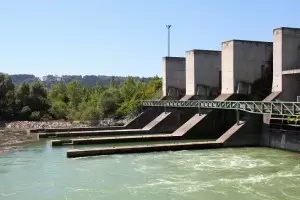
The building of dams at key strategic places, as decided by environmental engineers, means that energy generation can be increased or decreased depending on the needs of the community that uses it. During times of low use, output may be reduced, and increased during times of high output need. These changes can be made quickly compared to oil production, which has a delay due to the need to refine the raw product. The speed with which the output of hydroelectricity can be changed is a major advantage to our growing energy needs. Understanding the physics principles behind energy generation helps engineers optimize these systems.
Hydroelectricity is one of the lowest cost forms of energy as it requires no fuel—no mining, no processing, and no transportation cost. As of 2024, the average cost of a kilowatt-hour of energy produced by hydroelectricity ranges from 2 to 6 cents, making it highly competitive with all other energy sources.
It's one of the cleanest forms of energy. Though the construction process of building and maintaining a dam means carbon emissions during construction, this is the only significant output, still a substantial reduction over the burning of fossil fuels. The relative cheapness of construction and maintenance, and the low cost of generation, means it's used increasingly in both the developed and the developing world.
Finally, dams don't exist purely for their energy generation—they have many uses today. Flooding and drought are major causes for concern, with many countries having suffered both in recent years, often one season after another. Dams regulate water supply during floods and maintain water supplies during droughts. Building the Aswan Dam may very well have prevented drought in Egypt in the 1980s when countries around it (Sudan, Ethiopia) suffered severe drought.
What are the Disadvantages of Hydroelectric Power?
Hydroelectricity and dam building don't come without cost, and it's important that environmental engineers and decision makers keep this in mind when planning the siting of a new facility. Building a dam destroys an area of landscape and changes the ecology downstream—this can't be avoided, even where there's an existing river being modified. Dam building can and does destroy important cultural landscapes, too. Using the Aswan Dam as an example again, the river valley flooded to create the high water table behind the dam destroyed an important archaeological landscape. Although many relics were saved and features recorded, and the international community came together to move Philae Temple block by block, the cultural landscape around the original site was lost forever.
In tropical areas, higher levels of methane output have been recorded from and around the reservoirs. This has been attributed to higher levels of anaerobic chemical processes in warmer climates. It's important to note that methane output is much lower in more temperate areas.
Finally, the potential for failure of a dam is catastrophic. Should it burst, any settlement in the valley below would be flooded, possibly leading to loss of human life, destroyed houses, disrupted power supply to all the homes affected, and possibly flooding of the wider landscape beyond with more ecological damage. Thankfully, burst dams are rare, and modern engineering standards make them increasingly safe. When failures do occur, they usually cause minimal disruption due to improved warning systems and emergency protocols.
Tidal Power
Tidal power isn't yet common, but it has been demonstrated that it's possible to generate electricity at sea by reacting to the ebb and flow of the oceans. This is a growing form of power generation across the Atlantic, in the eastern US states and Western Europe (with the UK being one of the early developers, thanks to the high tidal ranges around the Orkney Islands). Its uptake hasn't been wholesale elsewhere yet for several reasons. Tidal power generators come in four general types.
- Stream generators use the water flow to power a turbine, which then generates electricity.
- Tidal barrage uses small dam-like structures alongside natural features underwater that seize the potential energy as the water flows in and converts it to mechanical energy as it flows out.
- Tidal lagoons are still in development, but they work in a similar fashion to the barrage and are completely artificial structures.
- Dynamic tidal power is still theoretical and hasn't been tried, but it requires the building of dams that are tens of kilometers long to regulate water flow.
What are the Advantages of Tidal Power?
The first major advantage is that tidal power is more predictable than other well-known renewable systems, such as wind and solar power, thanks to the natural relationship between the Moon and the Earth. The pattern of the tides is predictable to a high degree of accuracy—a system on which we've been reliant for thousands of years of human existence. We've accurately measured these systems so that people living in coastal areas where there's more than a minor variation know the high and low tide times. This has always helped plan maritime functions, and now it's helping us begin to generate electricity.
The second advantage is that the volume of water on the planet is fairly constant and unlikely to run out, even without a significant temperature rise way beyond the 2-3�C predicted by climate scientists at present. Melting ice caps aren't likely to affect these tidal ranges by a great degree, as the Moon is the only influencing factor on the fluctuations.
The third and most important is the low input to high output production. The density of water and its tidal motions mean that we can, in theory, produce significant amounts of energy even from relatively modest wave activity. Choppy seas and stormy weather aren't required to generate substantial amounts of energy.
What are the Disadvantages of Tidal Power?
The technology has largely not been taken up due to high initial capital costs. It's still mostly in the development stage, so some authorities are reluctant to invest in the technology while cheaper alternatives remain available. However, as technology improves and costs come down (as they have with solar and wind), tidal power may become more economically viable.
As mentioned above, the technology is limited to those areas of the world with a wide variation in tidal range to warrant harnessing the power of the sea—this includes the eastern seaboard of North America and Western Europe, but few other places. The overwhelming majority of coastal sites won't be suitable for this technology.
Underwater ecologies are just as delicate as land ecologies, and any intrusion into the seabed or disruption to the natural marine landscape is going to affect the wildlife and alter it forever. What's concerning is that we don't yet fully understand the long-term effects on marine ecology. Ongoing research is examining impacts on fish migration patterns, marine mammal behavior, and benthic (seafloor) communities.
Solar
We can be technical and point out that the sun isn't renewable, that it has a finite end—but the fact that it has some 4.5 billion years of life left in it isn't an immediate cause for worry. Solar power is arguably one of the best-known renewable energy sources, and many argue that solar power should have been more common much earlier than it was. Interest began in the 19th century with the same people who understood that coal would eventually run out. Heavy investment in fossil fuels meant that it went undeveloped until the late 1970s, when instability of oil supply began again (1973 Embargo and 1979 Crisis). Also, growing environmental awareness and the prominence of peak oil meant we once again needed to look for cleaner energies.
There are two basic types of solar energy:
- Photovoltaic (PV): These are the most common form and have been since the technology's inception, but the new generation that has been in development since 2000-2005, and which are now increasingly common on top of our homes, use significantly improved versions of the basic technology from the 1970s and 1980s. Each cell converts the light of the sun into electrical energy, which can then be used to power electrical devices. Modern PV panels achieve 20-22% efficiency, compared to 14-16% just a decade ago.
- Concentrated Solar Power (CSP): If you've seen a solar array using a large number of curved panels, it's most likely this type of technology. They may look similar to PV, but they work differently in that they draw in a concentrated beam of sunlight, reflecting it through a system of mirrors. The resulting heat generated by the process activates a turbine that produces electricity through a conventional generator. Where PV produces energy from light, CSP produces energy from heat.
What are the Advantages of Solar Power?
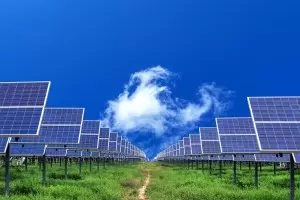 The most obvious advantage is that it will last as long as the sun will last—which is billions of years against the maximum 50-60 years that we believe is the remaining lifespan of our oil supply at current consumption rates, and against several decades of economically recoverable coal and gas. It's a very flexible energy source and not only can it generate electricity, but can be used to heat water directly and is a source of light.
The second is the cost savings of the system. Many people are concerned about the cost of the initial outlay, but they're far cheaper today than they were in the 1980s and far more efficient, representing long-term investment and savings. Since 2010, the cost of solar panels has dropped by approximately 90%, making them one of the cheapest forms of electricity generation available. They're noise-free and work all the time, too. Plus, if you use your solar panels in line with your local or national grid, you can save considerable money using solar energy. In some cases, you may be able to feed that energy back to the supply, effectively selling it and making money in the process. Once installed, they're low maintenance with very little pollution compared to other forms of fuel. For those considering careers as solar engineers, the field offers excellent job prospects with median salaries around $95,000-$105,000.
As it will be an important form of our energy supply in the years to come, it's constantly under development. Investment in better technologies is likely to lead to more efficient systems in the future. Research into perovskite solar cells and other next-generation technologies promises even higher efficiencies and lower costs in the coming decade.
What are the Disadvantages of Solar Power?
There are three major disadvantages to solar. Firstly, their efficiency drops during cloudier days, during winter when there's less sunlight generally, and during storms. Though the PV systems of today are far more efficient than they used to be, there's still room for improvement. If you live in warmer and sunnier climates (such as California, Texas, Arizona, and so on), you're likely to get more efficient use out of them than you would living in the northern states or places in the world where there's less sunshine.
The second disadvantage is that you need to consider careful placement. The rotation of the Earth means the sun doesn't remain in the same place all day—it rises in the east and sets in the west. Unless you have an expensive tracking system to rotate your panels, or panels on every slant of your roof to capture sunlight at every stage of the day (and most don't because both systems would be expensive), your PV paneling will be less efficient at certain times of the day.
The third is what to do with all that energy to get maximum efficient use of the power that the PV panels capture. You may purchase batteries to prevent energy from going to waste, but these can be expensive even if they improve overall energy efficiency. What most people do is use energy generated from solar sources during the day and use grid power at night—for the environmentally conscious person, this could be counterproductive to what they're trying to achieve. However, battery storage technology is improving rapidly, with lithium-ion and newer solid-state batteries becoming more affordable and efficient.
Wind Power
There are a few countries in the world that don't use wind-generated energy. Often subject to campaigns to have them shut down or planning permission refused, to many, they're a blot on the landscape that ruins a perfectly attractive natural view. To others, they're a great way of harnessing an unlimited resource generated by the natural processes of the planet's weather systems. We've captured the wind for thousands of years—it drove our ships until relatively recently, and in many places still grinds our wheat into flour.
The same principle is behind the generation of electricity through the turbines of wind farms. At sea or on land, these giant spinning windmills capture the power of the air around them. Some countries have made a national industry of generating power from wind. In 2024, Denmark regularly produces over 50% of its national power from wind energy, up from 40% just a decade earlier. Wind power is far more popular in Europe than in North America, though the US is rapidly catching up. Nearly half of global wind capacity is produced across various European countries. Many of these installations are at sea, where most of the large-scale wind power is produced.
What are the Advantages of Wind Power?
The advantages of wind power are well-documented. Firstly, wind is constant as it's part of the planet's natural weather cycles. There's nowhere on Earth untouched by wind, neither at sea nor on land. There are greater levels of wind at sea as the topography doesn't act as windbreaks as it does on land. This means greater potential to harness energy, which is why most large wind farms are offshore. This is a potentially limitless source of energy if it can be properly harnessed.
Despite meteorological uncertainties, the weather is predictable within a day or two, certainly enough for energy planning. This means that turbines can be adjusted for maximum efficiency to generate as much energy as possible. Because it's efficient, it's also very low cost compared to most others—including other forms of renewable energy—and is arguably the cheapest form of new electricity generation available in many regions as of 2024. They can also be placed in rural areas on ranches where they make minimal impact on the land, often allowing continued agricultural use between turbines.
What are the Disadvantages of Wind Power?
The optimum siting of wind farms is often counterintuitive to the needs of the people who will use the energy they generate. Wind resources are best out at sea, where there are no cities, and on large, expansive plains (here in the US, on large, flat ranches), which are far from the settlements that need the power. That means there needs to be significant investment in infrastructure to transport the energy from the place of generation to the place of consumption if we're to use wind power as a major power source.
Like solar power, wind energy generation isn't constant and varies from season to season and even day to day, though periods of low and high wind can be easily predicted. This means that warm, dry summers with very little wind require other sources of energy generation to make up any potential shortfall. However, when combined with solar (which often peaks when wind is lower) and battery storage, these intermittency issues become much more manageable.
Energy from wind generation is also geographically limited. As mentioned above, the best places are at sea and on vast plains. There are areas where they're completely unsuitable, such as in mountain valleys and in urban sites where natural and artificial structures will shield turbines from wind capture. On top of mountains may be good, but the wind must be strong enough to warrant placement. Poor placement could be a hindrance rather than an advantage to power generation.
Geothermal
One of the most intriguing concepts of renewable energy, and one being used in the US today, is harnessing heat from under the surface of the planet produced as a result of geological processes such as natural heat loss, volcanic activity, or from perfectly normal and safe processes such as radioactive decay. We've used the heat of the Earth for centuries—hot springs all over the world have been places of spiritual significance and centers of settlement. Indeed, one of the first examples of this form of energy is in the Roman city of Bath in England. Not only were the hot springs a source of the famous public baths in the city, but they were also used to warm local houses and to provide a constant supply of hot, clean water to the city's population.
We've come a long way since then, and today there are many geothermal power processing plants across the world providing clean energy to local areas. In the US, the most significant states that use geothermal power are Idaho, Hawaii, Alaska, and Nevada, mostly as a result of harnessing volcanic and tectonic processes. As of 2024, geothermal energy provides approximately 0.4% of US electricity generation, but this percentage is much higher in states with favorable geology.
What are the Advantages of Geothermal Power?
Geothermal energy is one of, if not the, cleanest forms of energy production available. We're tapping into the heat generated by the natural motions of the Earth as it spins on its axis. The planet is a hotbed of geological activity that's constant and renewable on human timescales. It only produces as much greenhouse gas as it would produce anyway, so there's no increase in the carbon footprint when harnessing this power source. Lower production costs also mean lower maintenance costs and lower end costs to the consumer. Multiple studies have shown that geothermal energy is one of the cheapest forms of electricity presently available in regions with suitable geology.
Many consider this a great answer to our growing energy needs. Though big power plants supply towns and cities, it's possible for houses to install their own simple geothermal systems that will have minimal impact on the ground beneath the surface. These simple units available for the home vary in terms of usefulness and efficiency, but it's possible for many homes to have one, drawing off the heat from below ground for heating, cooling, and in some cases, electricity generation.
What are the Disadvantages of Geothermal Power?
The major disadvantage of geothermal power is that for the most efficient use, it's geographically limited. The best use is from areas close to tectonic plate boundaries and areas of high volcanic activity. Where these are present, they can produce a limitless supply of energy that won't deplete the more reliant we become on it. But in other areas, it may not be particularly intensive or profitable. It may not be the best source of energy in parts of the world with little to no volcanic activity and in temperate climates.
While the harnessing of such energy doesn't produce greenhouse gases in itself, we must remember that large volumes of carbon, methane, and other potentially harmful gases do exist beneath the surface. Locally, there's potential for environmental issues should these be released as a result of tapping geothermal energy. Globally, we're trying to reduce the amount of greenhouse gases released into the atmosphere. Any increase would be unintentional but counterproductive to a cleaner, greener world nonetheless. However, modern geothermal plants are designed with systems to capture and either sequester or utilize any gases released during operation.
There is a high upfront cost that could mean initially that energy produced as a result of this process would be relatively expensive to the end consumer. Building large geothermal energy-harnessing complexes can be expensive and intensive, and maintenance costs may be high. That said, in the long run, it's still a cheaper alternative than dwindling fossil fuel sources, and the economics continue to improve as technology advances.
Biofuel & Biomass
Biofuel is the production of the types of fuel we use in our vehicles (though typically diesel) from plants or other organic matter rather than from fossil fuels extracted from the ground. Biofuels are produced in one of two ways:
- Directly processing a raw plant material, such as extracting its natural oils and processing it into a type of fuel
- Extraction of residues or decomposing matter as a result of natural anaerobic processes (such as breakdown by bacteria or algae into an alcohol substance—bioethanol)
Biomass is different from biofuel in that it's waste organic material, such as wood and other plant matter, not a byproduct that results from processing. Biomass is chopped wood (logs and kindling), grasses, leaves, brush and scrub, and other raw organic material that may burn and produce energy, including manure and animal dung. In the past, and indeed in areas where there are few trees to burn as fuel (Arctic Circle), people may burn bone as a source of fuel.
What are the Advantages of Biofuels and Biomass?
Whether burning the organic material itself or resulting substances that are processed from the breakdown of raw organic material, as it's organic, it's renewable. These aren't finite resources so long as we continue to plant vegetation to replace that which we harvest. Thankfully, there are now laws in many countries to ensure that deforestation doesn't happen on the scale we used to see—though in some places it's still very much an ongoing challenge to prevent further deforestation in environmentally sensitive areas (Brazil and Indonesia, for example).
Flexibility of source is a considerable advantage for biofuels and biomass, especially when producing liquid fuels such as ethanol. Different topographies are suitable for different types of crops, which means that most countries should be able to produce biofuels—it's not limited to one crop type. You can easily produce it in temperate areas of the US as you could in more tropical or arid locations. Also, anything organic will burn and produce energy, requiring only basic resources to grow—a food supply, water supply, and sunshine for photosynthesis.
The other obvious advantage, on a related note, is localizing supply and not being dependent on international trade for fuel. Biofuel or biomass that's produced within a shorter radius will have a much lower carbon footprint, having eliminated the transportation process of getting fuel from source to consumer, and of course, increases energy security.
What are the Disadvantages of Biofuels and Biomass?
To many, biofuels are a stopgap at best until we can find something cleaner and greener than ethanol. The energy output of biofuels and biomass is much lower than that of conventional fossil fuels, and a much greater quantity is needed to produce the same energy output. This is counterproductive to the lower carbon emissions of the fuel type. As a knock-on effect, more areas of land will be required to produce biofuels and biomass, meaning that we'll need more agricultural land on a planet of finite size.
On a related note, one of the major contentions regarding the use of biofuel and biomass is the ethical question: how can we justify turning over agricultural land to fuel production while food security remains a global challenge? Aside from the ethics, more pressure on land means less space to produce food and potentially higher food prices, and more water use is diverted to keep our energy needs supplied. By land area required per unit of energy produced, biofuels and biomass production for energy purposes are simply not that efficient compared to solar or wind.
However, next-generation biofuels (often called "second-generation" or "advanced" biofuels) aim to address these concerns by using agricultural waste, algae, or non-food crops grown on marginal lands unsuitable for food production. These developments may make biofuels more viable as part of a diverse renewable energy portfolio.
Renewables and the Economy
Any fundamental shift in technology raises economic concerns. Typically, we hear questions like these:
- How will people employed in existing technology sectors be affected? Will it cost jobs?
- Will this new technology require fewer jobs overall?
- How will we train the next generation to use and engineer this technology?
- What will be the economic impact on the local economy, the country, and the world?
- How will the global market be affected by this disruptive technology?
- Is it risky for individuals, businesses, and the country to invest in this disruptive technology? What if it fails? (The "the old system works, why change it?" argument)
Read more about green & sustainability jobs and sustainability degrees, preparing graduates for renewable energy careers.
It's perfectly natural to fear new technology as it displaces that which we've become accustomed to. However, these fears are often misplaced. If history has shown us anything, it's that technology drives employment as new job opportunities open to investors, new businesses start up, and the world adapts to new technology with enthusiasm and further investment, not recession and job losses. Some technologies will become obsolete and result in job losses, but overall, the trend is an upward one.
Already here in the US, the green economy employs more people than ever before. There was a significant increase in the industry between 2010 and 2020, and again between 2020 and 2024, with more growth expected—particularly in wind and solar power. Between 2020 and 2024 alone, the solar industry grew by approximately 25% in total employment. As of 2024, the renewable energy sector employs over 3 million Americans directly, with millions more in related industries. Green technology is here to stay, and it's already providing jobs all over the world, just as the fossil fuel industry does at present. As we become more reliant on renewables, we can expect more jobs in line with human population growth, not just in line with reducing our dependence on fossil fuels.
The biggest economic advantage to localizing our energy supply is that most of the money spent goes to those people producing components and installing systems rather than to importing products at great cost. This provides fewer concentrated profits to large corporations and more distributed economic benefits to local communities and workers. This means supporting jobs locally and nationally. As the US is a world leader in technology to supply renewable energy, we already have the benefit of exporting American innovation and manufacturing—another great economic benefit of the renewable industry.
Economic benefits aren't just about job creation. There's a second important aspect: cost of living. Time and time again, we've seen that energy from renewables is cheaper to produce than that produced by conventional fossil fuels, with solar leading the way in getting cheaper every year. As of 2024, new solar and wind installations are cheaper than operating existing coal plants in most regions. A lower cost of living means more money in the pocket for the average citizen, which means more money to put into other areas of the economy—savings and expenditure. These prices are also likely to remain stable compared to the fluctuating (and sometimes erratic) nature of fossil fuels. Since the economic downturn of 2008, oil, gas, and coal have all spiked and dropped dramatically. This volatility isn't good for any country's economy, and certainly not for the global market.
Frequently Asked Questions
What is the most efficient renewable energy source?
Hydroelectric power currently offers the highest efficiency at 85-90%, meaning it converts 85-90% of available energy into electricity. Solar panels typically achieve 20-22% efficiency, while modern wind turbines reach 35-45%. However, "most efficient" depends on location—solar excels in sunny climates like Arizona and California, while wind power dominates coastal regions and plains states like Texas and Iowa. Geothermal offers consistent baseload power in volcanically active areas like Idaho and Nevada.
Can renewable energy completely replace fossil fuels?
Technically, yes, but it requires massive infrastructure investment and energy storage solutions. Current grid technology makes achieving 100% renewable energy challenging because solar and wind are intermittent—they don't generate power when the sun isn't shining, or wind isn't blowing. Most energy experts predict we'll reach 80-90% renewable energy by 2050, with natural gas, nuclear, or large-scale battery storage providing backup baseload power during gaps. Several countries and US states are already approaching or exceeding 50% renewable electricity generation.
What college degree do I need for a renewable energy career?
Most renewable energy careers require a bachelor's degree in environmental engineering, mechanical engineering, electrical engineering, or environmental science with an energy focus. Solar engineers typically need electrical or mechanical engineering backgrounds, while wind energy careers often require civil or mechanical engineering degrees. Entry-level technician positions may only require associate degrees or trade certifications, especially for solar panel installation or wind turbine maintenance. Graduate degrees open doors to research, policy development, and senior engineering positions.
Which renewable energy field offers the best job prospects?
Wind and solar sectors currently lead in job growth. The Bureau of Labor Statistics projects 48% growth for solar installers and 45% growth for wind turbine technicians through 2033—much faster than average occupations. Environmental engineers specializing in renewable systems, energy auditors, and sustainability consultants also see strong demand. Geographically, Texas, California, Iowa, Oklahoma, and Kansas lead in renewable energy employment. As of 2024, renewable energy jobs consistently offer competitive salaries and strong job security.
How much can environmental scientists earn in renewable energy?
Salaries vary by role and experience. Solar engineers earn median salaries of around $95,000-$105,000 annually. Environmental engineers in the renewable energy sector average $88,000-$96,000. Wind energy engineers make $85,000-$100,000. Entry-level technicians start around $45,000-$55,000 but can reach $70,000+ with experience and certifications. Advanced positions in research, policy development, or senior engineering roles can exceed $120,000 annually. Location also matters—renewable energy professionals in California, Texas, and the Northeast typically earn higher salaries than those in other regions.
Key Takeaways
- Renewable Energy is Growing Rapidly: Global renewable electricity generation reached 29% in 2024, with projections to exceed 35% by 2030. This growth creates thousands of jobs annually in engineering, installation, maintenance, policy development, and research—making it one of the fastest-expanding sectors in environmental science. The US alone employs over 3 million workers directly in renewable energy as of 2024.
- Each Renewable Source Has Unique Applications: Hydroelectric power offers the highest efficiency (85-90%) and reliability, but requires specific geographic features. Solar excels in residential and commercial applications, with costs dropping 90% since 2010. Wind dominates utility-scale generation in plains and coastal regions. Geothermal provides consistent baseload power in volcanic areas. Understanding these differences helps you identify which career path aligns with your interests and geographic preferences.
- Education Requirements Vary by Career Path: Engineering roles (solar engineer, wind engineer, environmental engineer) typically require bachelor's degrees in engineering or environmental science, with median salaries of $85,000-$105,000. Technician positions (installation, maintenance) may only need associate degrees or trade certifications, starting around $45,000-$55,000. Graduate degrees open research, policy, and senior management positions with salaries exceeding $120,000.
- The Shift Addresses Multiple Global Challenges: Renewable energy tackles fossil fuel depletion, climate change mitigation, energy security, public health impacts, and economic stability simultaneously. This multi-faceted importance means renewable energy careers offer both strong job security and meaningful environmental impact—a combination increasingly important to environmental science students choosing career paths in 2025 and beyond.
- Geographic Location Matters for Careers: Renewable energy careers concentrate in specific regions. Solar: California, Arizona, Nevada, Texas. Wind: Texas, Iowa, Oklahoma, Kansas. Geothermal: Idaho, Nevada, California, Hawaii. Hydroelectric: Pacific Northwest, Tennessee Valley. Consider geography when evaluating degree programs and planning your career path in renewable energy, as job availability and salary ranges vary significantly by region.
Ready to launch your renewable energy career? Explore environmental science and engineering degree programs that prepare you for high-demand positions in solar, wind, hydroelectric, geothermal, and other renewable energy sectors.
2024 US Bureau of Labor Statistics salary and job growth figures for Environmental Scientists and Specialists reflect state and national data, not school-specific information. Conditions in your area may vary. Data accessed February 2026.

- What Is Parasitology? The Science of Parasites Explained - November 19, 2018
- Desert Ecosystems: Types, Ecology, and Global Importance - November 19, 2018
- Conservation: History and Future - September 14, 2018
Related Articles




Featured Article