Category Archives: Degrees & Programs

The Concrete Jungle: Study of Urban Landscapes as Environmental Science

Urban environmental science examines cities as complete ecosystems, studying how buildings, infrastructure, people, wildlife, and natural processes interact in concentrated spaces. This interdisciplinary field combines urban planning, ecology, geography, and sociology to address challenges like air quality, sustainable development, and climate resilience. Career opportunities include urban planning, environmental consulting, GIS analysis, and conservation, with most…
Read more

Air Quality & Environmental Health: Indoor and Outdoor Impacts

Air quality affects health both indoors and outdoors. Americans spend about 90% of their time indoors, where air quality is largely unregulated despite risks from mold, radon, asbestos, and other pollutants. Outdoor air is regulated through the Clean Air Act, which monitors six criteria pollutants affecting over 75 million Americans in nonattainment areas. Both indoor…
Read more

How Birds Support Ecosystems: 4 Essential Services Explained

Birds provide four essential ecosystem services that benefit humans and maintain environmental health: supporting services like nutrient cycling and soil formation, provisioning services including pest control and pollination support, regulating services such as waste decomposition and seed dispersal, and cultural services like ecotourism and spiritual enrichment. These contributions generate billions of dollars in economic value…
Read more

Wind Power 101

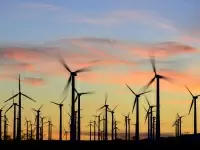
Wind power harnesses kinetic energy from moving air using turbines with rotating blades to generate clean electricity. Modern wind farms can produce power at around 4 cents per kilowatt-hour, making wind one of the most cost-effective renewable energy sources available today, with over 1,100 GW of capacity installed globally as of 2024. Modern wind power…
Read more

Natural Gas 101: Pros, Cons & Career Guide

Natural gas is a fossil fuel primarily composed of methane, formed over millions of years from decayed organic matter. It supplies approximately 22% of global energy needs for heating, electricity generation, and industrial processes. While natural gas burns cleaner than coal or oil—producing 50% less carbon dioxide—its extraction and use raise environmental concerns including methane…
Read more

What is NEPA? Introduction to U.S. Environmental Policy

The National Environmental Policy Act (NEPA), signed into law on January 1, 1970, requires all federal agencies to assess environmental impacts before taking major actions. NEPA established three types of review documents (EIS, EA, and CE), created the Council on Environmental Quality, and gave citizens a voice in federal decision-making through required public participation. The…
Read more

Hydraulic Fracturing: Health Risks, Regulations & Career Impact

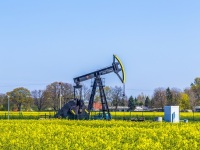
Hydraulic fracturing extracts natural gas and oil from deep shale rock by drilling vertically, then horizontally, and pumping high-pressure fluid to fracture the formations. Now producing 67–79% of US natural gas and 50% of crude oil, the technology has transformed American energy independence. However, peer-reviewed research increasingly links fracking operations to elevated childhood cancer rates,…
Read more

Understanding Drought in the United States: Types, History, and Impact

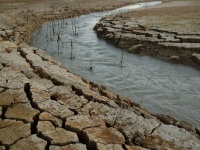
Drought is a temporary period when water availability falls below normal levels for a region, affecting humans, agriculture, and ecosystems. The United States experiences four types of drought—meteorological, agricultural, hydrological, and socioeconomic—each triggered by different conditions and impacting different sectors. While cyclical in nature, droughts have grown more intense due to climate change and increasing…
Read more