Recent Posts by Susan Jaworski

Cultural Resources in the Federal Environmental Process

Cultural resources—including archaeological sites, historic buildings, and Native American cultural properties—are federally protected elements of environmental review. Section 106 of the National Historic Preservation Act requires federal agencies to assess project impacts on historic properties and consult with State Historic Preservation Offices (SHPOs), Tribal Historic Preservation Offices (THPOs), and the Advisory Council on Historic Preservation…
Read more

Environmental Finance: Careers, Tools & Applications

Environmental finance applies financial tools and market mechanisms to address environmental challenges. This interdisciplinary field combines economic analysis with environmental solutions, including emissions trading, conservation funding, and sustainable investment strategies. Environmental finance professionals work in businesses, government agencies, and non-profits to make environmental protection economically viable. Environmental finance might sound like a niche concept, but…
Read more

Air Quality & Environmental Health: Indoor and Outdoor Impacts

Air quality affects health both indoors and outdoors. Americans spend about 90% of their time indoors, where air quality is largely unregulated despite risks from mold, radon, asbestos, and other pollutants. Outdoor air is regulated through the Clean Air Act, which monitors six criteria pollutants affecting over 75 million Americans in nonattainment areas. Both indoor…
Read more

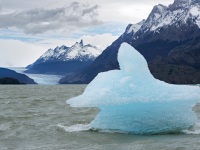
U.S. Arctic Environmental Policy and Career Opportunities

U.S. Arctic environmental policy focuses on sustainability, scientific research, and international cooperation through the Arctic Council, where eight nations collaborate on environmental protection. The melting Arctic ice cap opens new shipping routes and resource extraction opportunities while raising concerns about ecosystem impacts. For environmental science students, Arctic policy represents a critical intersection of climate science,…
Read more

What is NEPA? Introduction to U.S. Environmental Policy

The National Environmental Policy Act (NEPA), signed into law on January 1, 1970, requires all federal agencies to assess environmental impacts before taking major actions. NEPA established three types of review documents (EIS, EA, and CE), created the Council on Environmental Quality, and gave citizens a voice in federal decision-making through required public participation. The…
Read more

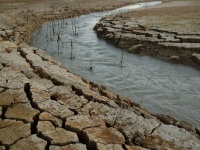
Understanding Drought in the United States: Types, History, and Impact

Drought is a temporary period when water availability falls below normal levels for a region, affecting humans, agriculture, and ecosystems. The United States experiences four types of drought—meteorological, agricultural, hydrological, and socioeconomic—each triggered by different conditions and impacting different sectors. While cyclical in nature, droughts have grown more intense due to climate change and increasing…
Read more

Recent Comments by Susan Jaworski

No comments by Susan Jaworski yet.