]

Recent Posts by Jacob Hill

Invasive Species: Causes, Impacts & Environmental Effects
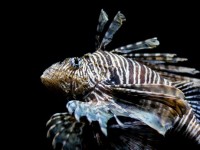
Invasive species are plants or animals introduced to new environments where they cause environmental, economic, or health harm. Unlike exotic species that coexist peacefully, invasives thrive without natural predators, reproduce rapidly, and disrupt native ecosystems. They're the second-leading cause of species extinctions globally, costing an estimated $120 billion annually in the United States alone. One…
Read more

How Climate Change Affects Birds

Climate change threatens more than half of North American bird species with significant population declines through disrupted breeding cycles, shrinking habitats, and range shifts. Rising temperatures cause phenology mismatches where birds arrive too late for peak food availability, contributing to reproductive declines of up to 90% in some migratory populations, such as the pied flycatcher.…
Read more

Environmental Consequences of Fishing Practices

Industrial fishing practices harm ocean ecosystems in four major ways: overfishing depletes species like Atlantic cod beyond recovery, destructive gear damages seafloor habitats and coral reefs, ghost fishing gear continues killing animals for years, and bycatch traps millions of sea turtles, marine mammals, and seabirds annually. These impacts create cascading effects throughout ocean food webs,…
Read more

How Roads Affect Wildlife: Environmental Impacts & Solutions

An estimated 1 million vertebrates may be killed daily on U.S. roads based on extrapolated studies, though this figure varies by methodology—making road mortality a leading cause of wildlife population declines. Beyond direct deaths, roads fragment habitats, disrupt genetic diversity, and introduce chemical, noise, and light pollution into ecosystems. Effective solutions include wildlife crossings, seasonal…
Read more

Birds as Environmental Indicators: What They Reveal

Birds serve as environmental indicators because they respond predictably to changes in habitat quality, pollution, and disease. Scientists study bird populations, behaviors, and physical samples to detect ecosystem stress early — often before other methods reveal a problem. Their sensitivity, visibility, and practical sampling methods make them one of ecology's most reliable monitoring tools. Environmental…
Read more

How Birds Support Ecosystems: 4 Essential Services Explained

Birds provide four essential ecosystem services that benefit humans and maintain environmental health: supporting services like nutrient cycling and soil formation, provisioning services including pest control and pollination support, regulating services such as waste decomposition and seed dispersal, and cultural services like ecotourism and spiritual enrichment. These contributions generate billions of dollars in economic value…
Read more

Recent Comments by Jacob Hill

No comments by Jacob Hill yet.