Category Archives: Environmental Science

Invasive Species: Causes, Impacts & Environmental Effects
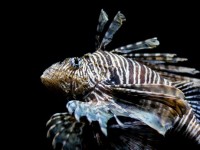
Invasive species are plants or animals introduced to new environments where they cause environmental, economic, or health harm. Unlike exotic species that coexist peacefully, invasives thrive without natural predators, reproduce rapidly, and disrupt native ecosystems. They're the second-leading cause of species extinctions globally, costing an estimated $120 billion annually in the United States alone. One…
Read more

The History of Agriculture: Evolution, Innovation & Environmental Impact

Agriculture began around 10,000 BC in the Fertile Crescent, with independent developments in regions such as the Indus Valley and Yangtze River, when humans transitioned from hunter-gatherer societies to deliberately cultivating crops and domesticating livestock. This Agricultural Revolution enabled permanent settlements, population growth, and the development of complex civilizations. Today, agriculture feeds over 8 billion…
Read more

What Is Environmental Engineering and Why Does It Matter?

Environmental engineering applies scientific and engineering principles to protect human health and the environment through clean water systems, air quality management, and sustainable waste solutions. Environmental engineers earn a median annual salary of $104,170, with the field projected to grow 4% through 2034, adding approximately 1,500 new positions. This interdisciplinary career combines civil engineering, chemistry,…
Read more

How Climate Change Affects Birds

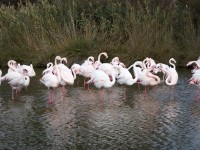
Climate change threatens more than half of North American bird species with significant population declines through disrupted breeding cycles, shrinking habitats, and range shifts. Rising temperatures cause phenology mismatches where birds arrive too late for peak food availability, contributing to reproductive declines of up to 90% in some migratory populations, such as the pied flycatcher.…
Read more

What is Botany? Plant Science Careers & Degrees

Botany is the scientific study of plants, including flowering species, algae, fungi, and vascular plants like ferns. As one of the world's oldest natural sciences, botany explores plant structure, growth, reproduction, metabolism, and ecological relationships. With climate change threatening global plant biodiversity, botany has never been more critical to our future. Table of Contents What…
Read more

Phytoliths: What They Are and What They Tell Us

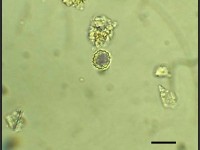
Phytoliths are microscopic silica structures that form inside plant cells and survive long after decomposition, providing evidence of ancient plant life and environments. These "plant stones" help archaeologists and environmental scientists reconstruct past ecosystems, understand early agriculture, and trace human impacts on landscapes dating back thousands of years. Most research roles require a Master's degree…
Read more

Entomology 101: The Study of Insects

Entomology is the scientific study of insects — a branch of zoology that examines how insects live, reproduce, and interact with their environment and other species. It's one of the oldest natural sciences, with applications ranging from environmental monitoring and forensic investigation to agriculture, public health, and genetics research. If you've ever wondered what connects…
Read more

The Concrete Jungle: Study of Urban Landscapes as Environmental Science

Urban environmental science examines cities as complete ecosystems, studying how buildings, infrastructure, people, wildlife, and natural processes interact in concentrated spaces. This interdisciplinary field combines urban planning, ecology, geography, and sociology to address challenges like air quality, sustainable development, and climate resilience. Career opportunities include urban planning, environmental consulting, GIS analysis, and conservation, with most…
Read more

Birds as Environmental Indicators: What They Reveal

Birds serve as environmental indicators because they respond predictably to changes in habitat quality, pollution, and disease. Scientists study bird populations, behaviors, and physical samples to detect ecosystem stress early — often before other methods reveal a problem. Their sensitivity, visibility, and practical sampling methods make them one of ecology's most reliable monitoring tools. Environmental…
Read more

What is Palynology? Environmental Science’s Microscopic Detective Work

Palynology is the scientific study of microscopic organic materials like pollen, spores, and dinoflagellates preserved in sediments and rocks. This interdisciplinary method helps researchers understand past climates, track environmental changes, identify archaeological sites, and reconstruct ancient landscapes. Palynologists work across botany, geology, archaeology, and climate science to unlock Earth's environmental history. Understanding how landscapes and…
Read more