


Geoscience encompasses scientific disciplines studying Earth's physical processes, from geology and meteorology to oceanography and hydrology. Students can pursue bachelor's through doctoral degrees in geoscience disciplines, leading to careers in research, environmental consulting, education, and government agencies. The field addresses critical challenges including climate change, natural resource management, and natural disaster prediction.
Table of Contents
- The Disciplines of Geoscience
- Career Outlook & Salary
- Future Challenges for Geoscience
- Frequently Asked Questions
- Key Takeaways
Welcome to a comprehensive exploration of geoscience—the interconnected scientific disciplines that help us understand our planet. Whether you're considering a geoscience major or exploring career options in environmental fields, this guide breaks down what geoscience encompasses, the diverse specializations available, and the pathways you can take to contribute to this vital field.
Geoscience isn't a single discipline but an umbrella term for any science relating to planetary processes. If it concerns Earth's physical structure, atmospheric systems, oceanic processes, or water systems, it falls under geoscience. The scope is vast, grouped into four broad interconnected areas:
Geology focuses on Earth's solid materials and structures. While many associate geology primarily with rocks, it encompasses everything from the superheated core and mantle to surface processes such as erosion, soil formation, and sediment dynamics. Geologists study plate tectonics, mountain formation, earthquakes, and volcanic activity—examining both the structure of our planet and the dynamic processes that continue to shape it.
Meteorology and Atmospheric Sciences cover atmospheric chemistry, physical properties, and dynamics. Beyond short-term weather forecasting, meteorologists examine atmospheric composition, seasonal climate patterns like El Niño and La Niña, trade winds, and long-term climatic changes driven by both natural processes and human activity. This field bridges atmospheric chemistry, physics, and fluid dynamics.
Oceanography explores all aspects of ocean environments. Oceanographers study deep-sea geological processes, marine ecosystems, ocean chemistry, and critical systems like the Gulf Stream and other ocean currents. This includes examining ocean oscillations, tidal patterns, and the complex interactions between oceans and atmosphere that drive global climate.
Hydrology examines the physical properties, movement, quality, and distribution of water across all Earth systems—from groundwater and rivers to atmospheric moisture. Hydrologists study how water cycles through the environment, its interactions with geological structures, and critical issues like water resource management and contamination.
The modern concept of "geoscience" or "Earth science" as a unified field emerged relatively recently. While humans have observed geological, atmospheric, and oceanic phenomena for millennia, these areas existed as separate curiosities until the Enlightenment. From early modern studies of river formation to 19th-century paleontological discoveries in Europe and North America (including John Lubbock's influential work on prehistoric archaeology and geology), systematic study remained fragmented. Only in the 20th century did these disciplines begin recognizing their interconnections and shared methodologies.
Today, geosciences encompass areas of natural history such as paleontology and maintain strong interdisciplinary connections with human-focused sciences such as archaeology and anthropology, reflecting how environmental processes shape—and are shaped by—biological and human activity.


The Disciplines of Geoscience
Geoscience encompasses remarkably diverse specializations. While you can study geoscience as a broad undergraduate major (often called Earth Sciences), most professionals eventually specialize. Understanding these disciplines helps you identify which paths align with your interests and career goals.
| Discipline | Focus Area | Example Careers |
|---|---|---|
| Geology | Earth's physical structure, rocks, minerals, and plate tectonics | Geologist, Petrologist, Mineralogist |
| Atmospheric Science | Weather systems, climate patterns, and atmospheric chemistry | Meteorologist, Climatologist, Atmospheric Scientist |
| Oceanography | Ocean systems, marine geology, ocean-atmosphere interactions | Oceanographer, Marine Geologist, Limnologist |
| Hydrology | Water distribution, movement, and quality across all Earth systems | Hydrologist, Hydrogeologist, Water Resource Specialist |
| Seismology | Earthquakes, seismic waves, planetary elastic vibrations | Seismologist, Earthquake Engineer, Geophysicist |
| Soil Science | Soil formation, chemistry, ecology, and agricultural applications | Soil Scientist, Pedologist, Agricultural Consultant |
Archaeology & Anthropology: Interdisciplinary Connections
While not core geoscience disciplines, modern archaeology and anthropology increasingly overlap with geosciences. Today's archaeologists and anthropologists work at the intersection of social sciences and geosciences, examining how past societies interacted with their environments.
These professionals investigate environmental impacts on agricultural development, geological factors in resource gathering (flint deposits for stone tools, iron for metallurgy), and how topography influenced settlement patterns and defensive strategies. A specialized subdiscipline called geoarchaeology explicitly applies geoscience principles and methods to archaeological questions, using tools such as GIS, geophysics, aerial survey, satellite imagery, and magnetic resonance imaging—technologies shared across multiple geoscience fields.
Astronomy: Earth-Focused Applications
While astronomy primarily studies celestial bodies beyond Earth, specific applications intersect with geosciences. Astronomers working in planetary science examine lunar tidal effects, track near-Earth objects and their atmospheric interactions, and study geochemical changes when asteroids strike Earth's surface.
This work overlaps with atmospheric sciences (how astronomical events affect weather and the magnetosphere), paleontology (examining mass extinctions caused by bolide impacts), and ecology (understanding how celestial cycles influence biological systems). However, astronomy remains distinct from the core geoscience disciplines that focus directly on Earth's internal systems and processes.
Atmospheric Sciences
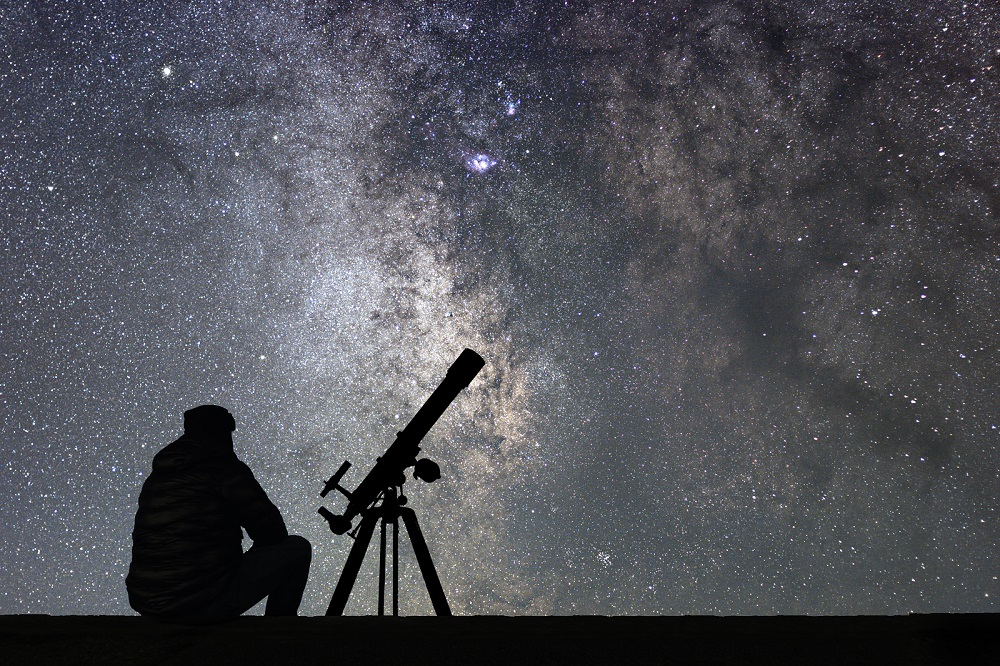
Atmospheric science encompasses everything related to Earth's atmosphere, from short-term localized weather (meteorology) to seasonal climatic events and long-term climate patterns (climatology). Professionals in this field need strong foundations in chemistry, physics, and fluid dynamics to understand atmospheric processes comprehensively.
Atmospheric scientists also study extraterrestrial influences, particularly solar processes and how events like solar flares affect atmospheric chemistry and weather systems. They examine how asteroids, meteorites, and comets interact with our atmosphere.
The atmosphere fundamentally connects to other geoscience disciplines. Weather patterns influence geological erosion rates, agricultural productivity, and ecosystem dynamics. Atmospheric scientists use satellite imagery, digital mapping, and computational modeling—tools shared with geography, oceanography, and climate science—to predict weather, support disaster planning, and inform agricultural, military, and governmental decision-making.
Ecology
Ecology studies interactions within biological systems. In geoscience contexts, ecologists examine how organisms interact within localized, regional, or global environments—from Alaskan tundra ecosystems to urban green spaces. These environments are interconnected systems in which multiple species compete, cooperate, and adapt to changing conditions.
Geoscience-focused ecologists investigate biodiversity patterns, species distribution, population dynamics, predator-prey relationships, and human impacts on natural systems. They study nutrient cycles, food webs, how weather and climate affect ecosystem balance, organism life cycles, and sometimes evolutionary genetics. While distinct from environmentalism or natural history, ecology findings inform conservation practices and environmental management strategies.
Environmental Science
Environmental science applies knowledge from multiple geoscience disciplines to solve real-world environmental problems. This interdisciplinary field integrates biology, chemistry, geology, atmospheric science, and ecology to understand how natural processes affect environments and how human activities alter these systems.
Environmental scientists use evidence from various geosciences to develop solutions for pollution control, resource management, climate adaptation, and ecosystem restoration. The field bridges theoretical understanding with practical application, examining both natural environmental processes and anthropogenic impacts.
Geography
Geography describes and explains Earth's profile—its landmasses, bodies of water, atmospheric phenomena, and the people who inhabit these spaces. The discipline divides into two complementary areas: physical geography (studying natural processes from subsurface geology through the atmosphere) and human geography (examining communities, cultural practices, and landscape economics).
Modern geography extends beyond Earth. Geographers collaborate with astronomers and astrophysicists to apply terrestrial knowledge to other planets and moons. The field maintains four traditions: spatial analysis of natural and human-made patterns, the study of place and regional characteristics, the relationships between people and land, and geography as an Earth science.
Geography informs numerous other disciplines. It underpins landscape archaeology, provides essential context for geological and ecological studies, and enables critical tools such as cartography, GIS, surveying, satellite analysis, aerial surveying, and geomatics used across the sciences.

Geology
While often simplified as "the study of rocks," geology actually examines Earth's physical structures and associated processes. This includes rock formation and stratigraphy, but also extends to plate tectonics, mountain formation, earthquakes, volcanoes, and the evolution of planetary structure over geological time.
Geologists investigate processes that create localized weather phenomena such as flooding, landslides, and avalanches. They explain how geological features, such as mountain ranges, create microclimates and influence regional weather patterns. The field overlaps significantly with paleontology, paleobotany, and archaeology when examining Earth's historical profile.
Geological events sometimes trigger localized climatic changes that produce ecological shifts or even mass extinctions. In 2018, a landmark conference brought together geology experts worldwide to examine key evidence and indicators for Earth's Great Extinctions, demonstrating how geological and biological processes intertwine.
Geochemistry
Geochemistry applies chemical principles to understand geological structures and processes. Geochemists study the chemical composition and distribution across Earth's geological profile, examining interactions between the crust and oceans and how geological events affect ocean chemistry.
This field investigates how organic material transforms into rocks like granite and basalt, and how fossil fuels form from ancient biological matter. Future geochemical engineers may develop synthetic fossil fuels with reduced carbon impacts. Geochemistry already plays a crucial role in planetary exploration—the Cassini Mission to Saturn transmitted atmospheric chemistry data as the probe descended, providing insights into our own planet and potential future colonization efforts.
Geomorphology
Geomorphology examines landform shape and origin—how landscapes acquire their current form, what processes alter them, and how geological materials are deposited and eroded over time. Land is shaped by meteorological, hydrological, and geological forces: wind, water (as ice or liquid), and geological upheaval all sculpt topography through both sudden events and gradual processes.
Geomorphologists study diverse features, from ocean trenches to deserts and from hills to mountains, examining glaciation and melt processes. They use cartography and GIS to map and monitor landform changes over geological time, treating landscapes as puzzles that require detective work to answer questions such as "Why does this landscape look this way?" and "What sequence of processes created this particular form?"
The field makes no distinction between long-term climate change (such as desertification) and single catastrophic events (such as floods that alter river courses) as agents of morphological change. Recently, geomorphologists have applied these analytical approaches to Martian surface features, expanding the discipline beyond Earth.
Geophysics and Geodesy
These represent essential tools and methodologies used across geoscience disciplines, providing spatial data for mapping and three-dimensional modeling.
Geodesy examines Earth's form, shape, position in space, geomagnetic properties, and gravity field—including how these attributes change over time. Practical applications include shoreline mapping, determining land boundaries for property rights, and establishing state or national borders where natural features serve as markers. Geodesists use cartography and GPS to determine distances between points and directional relationships.
Geophysics studies the physical properties and processes of landscapes and the Earth as a whole, examining spatial relationships among landscape elements. Unlike geodesy, geophysics encompasses the water cycle, oceanic fluid dynamics, and atmospheric phenomena. It applies technology to generate and process quantitative data, examining relationships between Earth's physical body, the Sun, and the Moon.
Glaciology
Glaciology scientifically examines ice as a natural phenomenon, focusing primarily on glaciation while also studying seasonal ice and frost patterns in regions experiencing regular freezing cycles. This field has become increasingly vital as the retreat of Arctic and Antarctic glaciers impacts the global climate.
Through glaciology, we understand the potential consequences of melting ice: sea-level rise, disruption of ocean jet streams by massive influxes of cold freshwater (and diluted salt concentrations), and effects on temperature regulation in the North Pacific and North Atlantic. This interdisciplinary area integrates geology, geography, geomorphology, hydrology, geophysics, geodesy, biology, and ecology.
Glaciology also serves archaeologists and anthropologists studying Ice Age humans, the distribution of tools, and adaptation to changing ice cover. It aids paleontologists in examining the impacts of climate change and the extinctions of species such as mammoths, woolly rhinos, and Neanderthals that disappeared as the last Ice Age ended. Understanding Ice Age science through paleoclimate data may help predict and mitigate modern extinction risks.
Hydrogeology
Hydrogeology examines Earth's physical structures as they relate to water processes in all states—solid, liquid, and gas. This includes water's bodily actions, current and historical movement, and geological indicators of past water presence. The field studies water behavior, not just its properties.
Lakes, rivers, seas, and oceans don't always follow surface topography. Volcanic and seismic activities—particularly geothermal processes creating geysers and springs (both hot and cold)—affect water behavior in complex ways. Understanding past water presence proves particularly valuable for geological history. Such analyses led to conclusions about past flowing water on Mars and theories about subsurface water locked in Martian cave systems.
Hydrogeology closely intersects with glaciology in examining how glaciers shape landscapes, particularly in mountain and valley formation across North America and northern Europe.
Hydrology
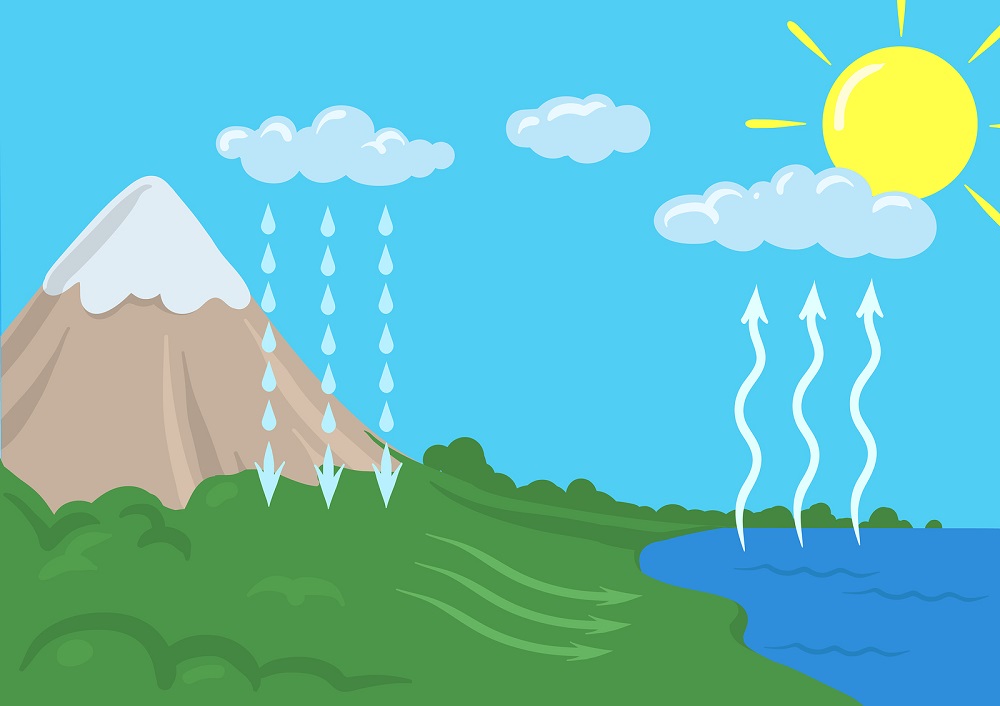
Hydrology studies the physical properties, movement, quality, distribution, chemical composition, and states (gas, liquid, solid) of water anywhere on Earth—from ocean depths to the upper atmosphere. While related to hydrogeology, hydrology focuses less on the impacts of geological structure.
Water's importance for life makes hydrology critical for human survival. The first complex organisms evolved in aquatic environments before their descendants adapted to terrestrial life. The quantity of available water represents both a scientific and an environmental engineering challenge. We require water for drinking, agriculture, livestock, and industrial uses.
Modern hydrology emphasizes water and food security, sustainability for growing populations, and conservation for planetary ecology. The "water budget" concept quantifies required amounts and sustainable usage levels for communities, nations, and the global scale. Hydrologists also study water pollution in rivers, lakes, and oceans, raising awareness of contamination issues.
Limnology
Limnology studies inland water bodies: streams, rivers, ponds, lakes, springs, wetlands, and landlocked seas (both saline and freshwater)—but not open oceans. These water bodies directly affect and are affected by surrounding terrestrial ecosystems, unlike open oceans, which lack such intimate land relationships.
Limnologists research biological, physical, chemical, and geological aspects of these water bodies, examining water flow, chemical and mineral composition, food and nutrient cycles (including bacteria, viruses, and algae), pollution, ecosystems, drainage patterns, relationships with land and other water bodies, and human interactions. The field functions as both a theoretical science and an applied practice, and is now often considered a subdiscipline of ecology.
Mineralogy
A geology subdiscipline that stands independently in many respects, mineralogy studies the crystal structures, chemical properties, and optical properties of minerals. Mineralogists examine how minerals form, their geographic distribution, topographical indicators, and potential industrial and commercial applications.
Research typically covers the presence of metals (precious or otherwise), gemstones, and naturally occurring substances such as clay and gypsum. Each material has monetary value or practical uses. Clay types vary geographically—some are suited to specific firing temperatures for pottery, while others are unsuitable for household crockery. Gypsum is a valuable building material, with quality determining its potential for mining applications.
Oceanography
This area of geoscience concerns the oceans and everything within them. Oceanography encompasses ocean geology (including plate tectonics), oceanic ecosystems, chemical composition, wildlife, and natural processes such as water budgets and jet streams. Oceanographers study how the oceans function globally, examining weather systems, patterns, and their effects on all aspects of oceanography across interconnected water bodies—the opposite of limnology's focus on landlocked waters.
Most oceanographers specialize after completing general studies: chemical oceanographers study chemical processes and ecosystem effects such as coral bleaching; biological oceanographers research marine life; physical oceanographers examine ocean physics, including wave systems and jet streams; and ocean geologists investigate plate tectonics and the subsurface structure beneath the oceans.
Paleontology
As with archaeology, many are surprised that paleontology and its subdisciplines (paleobotany, invertebrate paleontology, micropaleontology) are now classified as Earth sciences. Once focused solely on excavating fossils of extinct species, modern paleontology now examines ecology, geography, geology, climate science, paleoclimate, topography, and other aspects of the natural world in a comprehensive context.
Like archaeologists interested in past environments and environmental change, paleontologists use similar tools, including satellite data and spatial analyses, to determine geographic distributions and apply GIS and geophysics. Leading colleges and universities combine resources, methods, and tools when studying paleontology in geological contexts. Species often span geological time periods, as evidenced by sedimentary rock research. Geological changes, such as plate tectonic shifts, help reconstruct ancient continental configurations. Paleontological remains distributed across current ocean boundaries provide evidence that continents may have been connected millions of years before primate ancestors appeared.
Petrology
Closely related to geology, petrology examines how and why specific rock types form. Rock categories include igneous (volcanic origin), metamorphic (chemical transformation of one rock type into another), and sedimentary (organic material buildup and compression, such as silt, dead plants, and microfossils).
This field is particularly valuable for fossil fuel discovery and utilization, as it examines the properties of different rock types. Petrologists use mineralogy and geochemistry to explain rock texture, composition, properties, and formation processes. A petrologist might examine the rock layers in the Grand Canyon and explain their stratigraphic formation.
A fourth branch—experimental petrology—investigates potential applications of rock types by testing theories based on their physical and chemical properties. This area may lead to renewable (and potentially cleaner with proper investment) synthetic fossil fuel production. It also has academic applications for studying upper- and lower-mantle rock formations, which are challenging to examine in situ.
Seismology
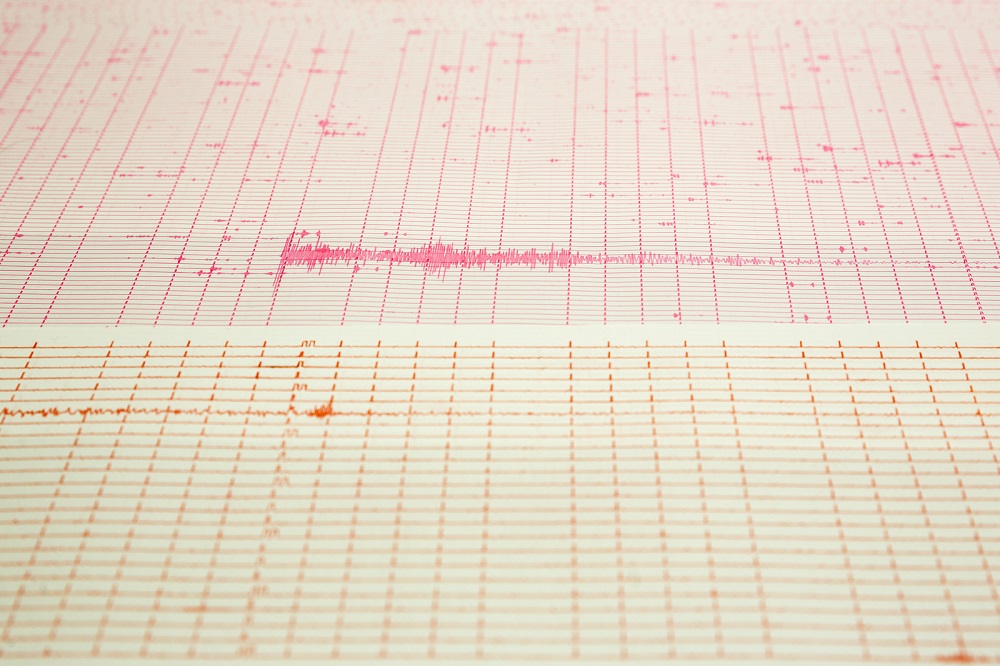
This geoscience concerns planetary elastic vibrations—earthquakes. Seismologists study earthquakes, their occurrence, prediction, forms, effects, and causative structures. The field examines ripple effects and aftereffects, including aftershock profiles, as much as prediction (the public-facing aspect). Seismologists employ electronic survey equipment alongside applied mathematics and physics.
Earthquakes are ongoing geological events that shape environments. Primarily focused on plate tectonics, seismology has recently expanded to include broader environmental effects: natural habitat destruction, including forests; localized or regional flooding, including tsunamis; and broader atmospheric impacts.
Despite millennia-old human interest in earthquakes, seismology remains relatively young. The first earthquake prediction instruments appeared in the 1860s. Today, science is subdivided further. Paleoseismology studies ancient earthquakes and how they shaped environments, enabling better predictions and more thorough explanations of their long-term effects.
Soil Science
Soil science studies Earth's natural resources at the Earth's surface. It encompasses nutrient cycles and soil formation, regional physical and chemical properties, relationships to fauna and flora, plus classification and soil engineering. Some researchers focus on soil regionality and cartography, sometimes for agricultural purposes—certain crops require specific soil profiles regarding acid/alkali balance, fertility, depth, and quality.
The field divides into pedology (the study of soil form, formation, chemistry, and classification) and edaphology (the study of soil ecology—relationships with plants, trees, and shrubs). Soil science grows increasingly important in developed and developing nations. Growing enough food for expanding populations sustainably requires preserving soil. Marginal landscapes (poorly agricultural-quality land), pesticide and herbicide impacts, sustainable water use, pollution, and soil fertility raise ongoing concerns about preservation.
Flooding, drought, and food consumption results present current challenges that soil science addresses.
Speleology
Speleology is the academic study of caves and cave systems—particularly their formation and causes. Researchers examine rock types that host cave formation and the various processes that contribute to it. Once merely a geological curiosity, speleology has become sufficiently distinct to warrant independent study.
Modern speleologists need an understanding of geology, chemistry, and physics, as well as proficiency in cartography for mapping cave systems. Biology also overlaps, as some species adapt to cave life (such as blind cavefish). Archaeology and anthropology are connected because caves are among humanity's earliest dwellings. The discovery and conservation of cave art interests speleology as much as archaeology. Caves also provide excellent sources of fossils, making the field valuable to paleontology.
Volcanology
Volcanology often pairs with seismology in academic discussions due to similarities (both concern shifting plate tectonics and geological weaknesses leading to catastrophic phenomena). However, the disciplines differ substantially. Volcanology studies physically observable phenomena—volcano formation and ejecta, including magma, lava, rock deposits, and ash (and their environmental impacts).
Volcanologists examine both existing volcano formation and eruption patterns, including historic and prehistoric episodes. While similar ground tremor monitoring equipment can be used to predict volcanic eruptions, that's essentially where the similarities with seismology end.
Geoscience Career Outlook & Salary
If you're considering a geoscience degree, understanding career prospects and earning potential helps inform your decision. According to the most recent Bureau of Labor Statistics data for geoscientists, the field offers competitive compensation and steady growth.
| Career Metric | National Data (2024) |
|---|---|
| Median Annual Salary | $99,240 |
| Total Jobs (2024) | 25,100 |
| Projected Job Growth (2024-2034) | 3% (As fast as average) |
| Projected Employment Change | 800 new positions |
Salary varies significantly by specialization, geographic location, education level, and sector (government, private industry, research, and education). Geoscientists working in oil and gas extraction, for example, typically earn higher salaries than those in environmental consulting or education. Advanced degrees—particularly master's and doctoral qualifications—substantially increase earning potential and open doors to research and leadership positions.
Future Challenges for Geoscience
Geoscience emerged from necessity—bringing together seemingly disconnected disciplines that discovered shared interests and methodologies. The field's future potentially represents a golden age. With instant global communication, open-access research initiatives, citizen science participation, and big data capabilities, discoveries in the coming decade could fundamentally shape geoscience's importance for generations to come.
Climate Change
The biggest challenge facing any science involves adapting to climate change. Anthropogenic climate change now underpins many of the problems listed below—from eroding natural and archaeological features that require protection to receding glaciers that impact global climate and localized weather systems. Research funding increasingly targets stabilizing the greenhouse effect through reduced carbon emissions.
Limnologists and oceanographers will observe changes in their study areas: sea-level rises for the latter, flooding and drought effects for the former, particularly in densely populated regions. Geoscience will play a crucial role in raising awareness and providing potential solutions.
Peak Oil and Renewable Energy
Some argue that peak oil has arrived. Geosciences will prove fundamental in multiple areas: prospecting for remaining fossil fuel deposits while dependence continues, and geochemists developing synthetic fuels and discovering new sources. Simultaneously, geoscience expertise will be vital to expanding renewable energy—identifying optimal locations for wind turbines and solar arrays, harnessing tidal power, planning hydroelectric reservoirs, and developing geothermal processing. Ensuring adequate energy capacity while respecting conservation concerns requires geoscience expertise.
Feeding a Growing Population
Earth's finite size requires increasingly efficient use of available space. As agricultural technologies develop, geosciences must explain how to optimize them with existing land resources. Technologies such as genetic modification may enable crops to thrive with higher yields in marginal landscapes. However, food quantity isn't the only concern—sustainability and distribution matter equally.
Food and Water Security
Today's most significant challenge involves food security, inextricably tied to water conservation. Growing global populations are putting pressure on planetary water supplies. People require clean drinking water for health, and food production needs sustainable, reliable water supplies for crops and livestock. Geosciences already face challenges in ensuring sufficient access to clean, healthy, sustainable water.
Hydrological issues affect multiple continents, where freshwater supplies are disappearing due to overuse—whether for irrigating crops, supporting increased industrialization, or consumption. This potentially represents an ecological disaster for affected areas.
Risks from Geological Activity
Several issues surround this problem. First, increased "fracking" for deep gas deposits raises concerns. Many reports document potential geological problems this causes: unstable rock, erosion of soil layers, and earthquakes (though with lower Richter-scale readings). Human populations also expand into areas with known geological hazards.
Civilizations historically settled near volcanoes because the soil is fertile. But volcanoes erupt, causing massive disruption and death—earthquakes pose similar threats. Geoscience findings may increasingly be required to determine risk factors when planning new settlements.
Risks from Meteorological Activity
Increasingly erratic and extreme weather will require tomorrow's civil engineers and developers to seek more geoscience evidence and guidance. From western U.S. droughts to eastern hurricanes and central tornadoes, geoscience remains at the forefront of research on potential disasters and extreme weather. As climate change intensifies, makes extreme weather more erratic, and makes it more frequent, this connection will continue to strengthen.
Tourism and Conservation Issues
While nearly every nation relies on domestic and international tourism for financial benefits, archaeologically and naturally sensitive areas and landscapes can suffer from the effects of mass tourism. Geoscience research has led to visitor limits at Egypt's Giza Plateau pyramids, Machu Picchu, France's Lascaux Caves, and some National Parks due to mass-tourism issues. This represents sustainability challenges that require not just conservation efforts but also geoscience expertise for infrastructure, chemical analysis, water-supply pressures, and sensitive landscape protection.
Mineral Raw Materials
Is mining stone, metal, gypsum, and clay sustainable? How long until these finite resources expire? It's not just oil, coal, and gas that will eventually run out—so will mineral resources. Leaving these in the ground may not be feasible for providing homes, infrastructure, and resources for our growing population.
Several problems emerge: balancing employment and infrastructure against environmental extraction costs. In a world addressing carbon emissions, mineral extraction could become contentious, especially as it intersects with water and resource security. Geoscientists increasingly study sustainable extraction methods and alternative materials to address finite resource challenges.
Ethics and Data Collection
Unlike other sciences (particularly medical and social sciences), geoscience has yet to establish firm, agreed ethical standards. While some argue that much geoscience data doesn't pertain to people or populations and therefore doesn't necessarily need ethical frameworks, many geoscience philosophers and researchers disagree.
Scientific integrity matters, as does cultural sensitivity. Sometimes geoscientists (particularly when handling archaeological or anthropological data) examine information about landscapes sacred to or essential for cultural identity. Recent papers and conferences increasingly focus on developing universal ethics codes for these interrelated sciences.
Frequently Asked Questions
What is the difference between geoscience and environmental science?
Geoscience is an umbrella term for Earth's physical processes, including geology, meteorology, oceanography, and atmospheric sciences. Environmental science applies knowledge from the geosciences (and biology and chemistry) to solve environmental problems. Think of geoscience as studying how Earth works, while environmental science applies that understanding to address specific environmental challenges such as pollution, conservation, and sustainability.
What degree do I need to work in geoscience?
Entry-level positions typically require a bachelor's degree in a specific geoscience discipline (geology, meteorology, oceanography) or general Earth sciences. Advanced research, university teaching, or specialized roles usually require a master's degree or a PhD. Some technical positions, such as geological technician roles, may be accessible with an associate degree and field experience.
What careers are available in geoscience?
Geoscience offers diverse career paths: field geologist, meteorologist, oceanographer, hydrologist, environmental consultant, climate scientist, seismologist, soil scientist, GIS specialist, petroleum geologist, volcanologist, paleontologist, and many more. Careers exist in government agencies (USGS, NOAA, EPA), private industry (energy, mining, environmental consulting), research institutions, and education.
Is geoscience the same as geology?
No—geology is one discipline within geoscience. Geoscience encompasses multiple fields that study Earth processes: geology (rocks and Earth's structure), meteorology (atmosphere and weather), oceanography (oceans), hydrology (water systems), and others. Geology focuses explicitly on Earth's solid materials and structure, while geoscience covers all Earth systems.
What skills do geoscientists need?
Essential skills include strong foundations in mathematics, physics, and chemistry; data analysis and statistical interpretation; field observation and sample collection; GIS and mapping technologies; scientific writing and communication; critical thinking and problem-solving; and, depending on your specific discipline, specialized skills such as remote sensing, modeling, or laboratory analysis.
How long does it take to get a geoscience degree?
A bachelor's degree typically requires four years of full-time study. Master's programs add 1-2 years. Doctoral programs require an additional 4-6 years beyond the bachelor's degree. Many students complete bachelor's and master's degrees in five years through combined programs. Part-time and online options may extend these timeframes but offer flexibility for working professionals.
What's the job outlook for geoscience careers?
The Bureau of Labor Statistics projects 3% growth for geoscientists from 2024-2034, as fast as the average for all occupations. Approximately 800 new positions are projected over this period. Demand is robust in environmental consulting, renewable energy development, climate research, and natural resource management.
Key Takeaways
- Geoscience is Multidisciplinary: It encompasses geology, meteorology, oceanography, and hydrology—disciplines examining Earth's physical processes, structures, and systems.
- Career Diversity: Geoscience offers careers ranging from field geology and weather forecasting to environmental consulting and climate research, with a national median salary of around $99,240.
- Educational Pathways: Most careers require at least a bachelor's degree, and advanced research and teaching positions often require a master's or doctoral degree in a specific geoscience discipline.
- Future-Focused Field: Geoscience addresses critical challenges, including climate change, renewable energy development, water security, natural disaster prediction, and sustainable resource management.
- Interconnected Specializations: While you can study general geoscience, most professionals specialize in areas like hydrology, seismology, oceanography, or atmospheric science—each informing and supporting the others.
- Technology-Driven: Modern geoscience relies heavily on tools such as GIS, remote sensing, satellite data, computational modeling, and geophysics, which are shared across multiple specializations.
- Steady Growth: Environmental concerns, climate adaptation, and resource management are driving steady growth in geoscience careers, with approximately 800 new positions projected through 2034.
Ready to explore geoscience programs and start your journey toward understanding Earth's complex systems? Discover accredited degree programs tailored to your interests and career goals.
2024 US Bureau of Labor Statistics salary and job growth figures for Geoscientists reflect national data, not school-specific information. Conditions in your area may vary. Data accessed January 2026.

- What Is Parasitology? The Science of Parasites Explained - November 19, 2018
- Desert Ecosystems: Types, Ecology, and Global Importance - November 19, 2018
- Conservation: History and Future - September 14, 2018
Related Articles




Featured Article
Hydroelectric Power: How It Works, Pros & Cons, and Careers