Wetland specialists assess and protect aquatic ecosystems by monitoring water quality, tracking wildlife populations, and conducting environmental impact studies. As a specialization within environmental science, wetland specialists fall under the Bureau of Labor Statistics category "Environmental Scientists and Specialists," which reports a median salary of $80,060 and projected 6% employment growth through 2032.
If you're passionate about preserving critical aquatic ecosystems and preventing further wetland loss, a career as a wetland specialist offers meaningful work at the intersection of science, policy, and conservation. As development pressures and climate change threaten these vital habitats, your expertise becomes increasingly essential for environmental protection and regulatory compliance.
Wetland specialists combine fieldwork, laboratory analysis, and policy advocacy to maintain the ecological health of marshes, swamps, bogs, and other wetland environments. Whether you're tracking migratory bird populations, analyzing soil samples, or advising on development projects, this career puts you on the front lines of wetland conservation efforts that shape environmental policy nationwide.
What Does a Wetland Specialist Do?
Wetland specialists serve as scientific guardians of some of Earth's most productive ecosystems. Your primary responsibility is assessing wetland health through systematic monitoring and analysis, then translating that data into actionable recommendations for conservation and restoration.
On a typical day, you might start by wading through a marsh to collect water samples, checking pH levels and nutrient concentrations that indicate pollution or ecosystem stress. By midday, you're using GPS and GIS technology to map vegetation patterns, documenting how invasive species are spreading through a restored wetland. The afternoon brings laboratory work—analyzing soil cores for contamination or examining aquatic invertebrates that serve as biological indicators of water quality.
Your daily duties typically include:
- Field sampling and monitoring: Collecting water, soil, and biological specimens to track changes over time
- Wildlife population surveys: Counting migratory birds, amphibians, and aquatic species that depend on wetland habitats
- Chemical and biological analysis: Testing samples for pollutants, nutrient levels, and invasive organisms
- GIS mapping and spatial analysis: Using geographic information systems to document wetland boundaries, vegetation patterns, and habitat changes
- Impact assessments: Evaluating how proposed development projects would affect wetland functions and regulatory compliance
- Restoration planning: Designing projects to rehabilitate degraded wetlands or create new wetland habitats
- Report writing and data presentation: Compiling findings into technical reports, environmental impact statements, and presentations for stakeholders
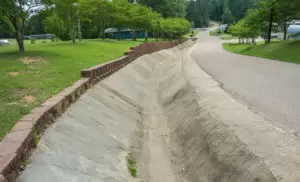
The impact of your work extends far beyond the wetlands themselves. Your soil sample analysis might reveal contamination that prevents a housing development from proceeding without remediation. Your bird population surveys could identify critical habitat that receives federal protection. Your restoration plan might transform a degraded ditch into a thriving ecosystem that filters stormwater and prevents downstream flooding.
Modern wetland science relies heavily on technology. You'll need proficiency with GPS units for precise location data, GIS software for spatial analysis and mapping, and remote sensing tools that use satellite imagery to monitor large wetland complexes over time. Database management skills help you track long-term monitoring data, while statistical software enables you to identify significant trends in ecosystem health.
Where Does a Wetland Specialist Work?
Wetland specialists divide their time between outdoor fieldwork and office-based analysis, with the ratio varying significantly by employer type. Expect to spend 40-60% of your time in the field during peak monitoring seasons (typically spring through fall), with winter months focused more on data analysis, report writing, and project planning.
Your work environment presents unique challenges and rewards. Field conditions are often demanding—typical wetland work involves navigating muddy terrain, working in variable weather, and occasionally encountering biting insects or other wildlife. Physical stamina matters when carrying equipment through dense vegetation or collecting samples from remote locations. However, many wetland specialists find this outdoor focus far more rewarding than traditional office work, with specific conditions varying by geographic region, season, and project type.
Federal and state agencies employ the largest share of wetland specialists. Organizations like the U.S. Environmental Protection Agency, U.S. Fish and Wildlife Service, U.S. Army Corps of Engineers, and state Departments of Natural Resources offer stable careers focused on regulatory oversight, wetland permitting, and long-term monitoring programs. These positions typically provide excellent benefits and clear advancement paths, though bureaucratic processes can sometimes slow project implementation.
Environmental consulting firms hire wetland specialists to conduct impact assessments for private development projects, help clients navigate wetland regulations, and design mitigation or restoration projects. Consulting work offers variety—you might assess wetlands for a highway expansion one month and design a stormwater wetland for a shopping center the next. The pace is often faster than government work, with project deadlines driving your schedule. This sector can be more lucrative but may involve unpredictable workloads and occasional travel.
Research universities and non-profit conservation organizations provide opportunities for wetland specialists interested in advancing scientific knowledge or advocacy. University positions often combine fieldwork with teaching responsibilities, while non-profits like Ducks Unlimited, The Nature Conservancy, and regional land trusts focus on habitat acquisition, restoration, and public education. These roles may offer more autonomy in project design but can involve grant-writing responsibilities and less predictable funding.
Private land management companies and sustainability-focused businesses increasingly hire wetland specialists to manage corporate conservation lands, develop carbon credit programs through wetland restoration, or ensure environmental compliance for extractive industries like mining and forestry.
Wetland Specialist Salary & Compensation
The Bureau of Labor Statistics tracks wetland specialists within the occupational category "Environmental Scientists and Specialists, Including Health." This broader category—which includes wetland specialists alongside soil scientists, climate change analysts, and other environmental professionals—provides the most reliable salary and employment data available for career planning.
According to May 2024 BLS data, environmental scientists and specialists (including wetland specialists) earned the following annual salaries:
| Percentile | Annual Salary (2024) | Typical Career Stage* |
|---|---|---|
| 10th Percentile | $50,130 | Often, entry-level positions with a bachelor's degree |
| 25th Percentile | $62,090 | Early career, 2-3 years of experience |
| Median (50th) | $80,060 | Mid-career professionals with specialized experience |
| 75th Percentile | $103,730 | Senior specialists, 10+ years experience |
| 90th Percentile | $134,830 | Principal scientists, program directors, specialized consultants |
| Mean (Average) | $88,640 | Average across all experience levels |
*Career stage interpretations are general observations based on industry norms, not official BLS classifications. Individual salaries vary based on location, employer type, specialization, and credentials.
Several factors influence where you'll fall within this salary range. Geographic location matters significantly—coastal states and regions with extensive wetland systems (Florida, Louisiana, the Mid-Atlantic, Pacific Northwest) often pay premium salaries due to higher demand. Your employer type affects compensation as well, with federal positions typically offering the most comprehensive benefits packages, while consulting firms may provide higher base salaries but fewer benefits.
While the Bureau of Labor Statistics doesn't track certification separately, Professional Wetland Scientist (PWS) certification substantially impacts earning potential in practice. Industry surveys and job postings suggest PWS-certified specialists can command $8,000-$15,000 higher salaries compared to non-certified peers at the same experience level, as the credential demonstrates verified expertise to employers and clients. Similarly, a master's degree in wetland ecology, environmental science, or a related field correlates with 15-25% higher lifetime earnings compared to bachelor's-only professionals, according to professional society compensation surveys.
Specialization also matters. Wetland specialists who develop expertise in rare ecosystem types (vernal pools, bogs, prairie potholes), master advanced GIS and remote sensing technologies, or gain proficiency in specific regulatory frameworks (Section 404 permitting, wetland mitigation banking) command higher compensation for their specialized knowledge.
Job Outlook & Career Growth
The Bureau of Labor Statistics projects 6% employment growth for environmental scientists and specialists (the category including wetland specialists) from 2022 to 2032, roughly matching the average growth rate across all occupations. This translates to approximately 4,800 new positions created over the decade.
However, total job openings exceed new growth positions. The BLS estimates an average of 6,900 annual job openings in this field through 2032—a figure that includes both new positions created by industry growth and replacement openings as current professionals retire, change careers, or leave the workforce for other reasons. This means most job openings come from replacement needs rather than pure expansion, which is typical for established professional fields.
Several factors drive continued demand for wetland specialists. Federal and state wetland regulations require ongoing monitoring and permitting work, creating steady employment in government agencies and consulting firms. Infrastructure development—from highways to renewable energy projects—generates environmental impact assessment work. Climate change adaptation strategies increasingly incorporate wetland restoration as natural infrastructure for flood control and carbon sequestration, opening new funding streams for restoration specialists.
The Clean Water Act's Section 404 permitting program ensures baseline demand, as any project affecting wetlands requires specialist review. Recent court decisions and regulatory changes periodically expand or contract the waters that receive federal protection, creating waves of reassessment work. Meanwhile, wetland mitigation banking—where developers purchase credits from restored wetlands to offset project impacts—has created a growing private sector niche.
However, career prospects depend heavily on government environmental budgets and political priorities. Funding for wetland protection and restoration programs can fluctuate with administration changes, particularly at the state level. Economic recessions typically reduce private development and associated consulting work. Competition for desirable positions in popular locations or prestigious organizations can be intense.
Geographic variation in job availability is significant. States with extensive wetland systems and active protection programs (Minnesota, Michigan, Florida, Louisiana, and Maryland) offer more opportunities than arid states with limited wetland acreage. Coastal regions facing sea-level rise and wetland migration have emerging needs for specialists who can model and manage changing wetland distributions.
Career advancement typically follows expertise development rather than strict hierarchical progression. Entry-level specialists conduct field sampling and basic analysis under supervision. Mid-career professionals manage their own projects, supervise field crews, and represent organizations at public meetings. Senior specialists develop programs, secure grants, mentor junior staff, and influence policy through technical expertise and professional relationships.
Education & Certification Requirements
Becoming a wetland specialist requires a strategic combination of formal education and professional certification. Understanding the pathway from a bachelor's degree through professional certification helps you plan an efficient route into this field.
Bachelor's degree requirements: The minimum educational requirement is a bachelor's degree in environmental science, ecology, biology, or a closely related field. Your undergraduate program should include coursework in botany (wetland plant identification is essential), soil science, hydrology, chemistry, and statistics. Geographic information systems (GIS) courses are increasingly important, as spatial analysis has become central to modern wetland science.
Several universities offer specialized wetland ecology programs that provide targeted preparation. Indiana University, Louisiana State University, and Coastal Carolina University have particularly strong reputations for wetland science education. However, a general ecology or environmental science degree from an accredited institution provides an adequate foundation if you supplement it with relevant electives and internships.
Hands-on experience during your undergraduate years significantly improves job prospects. Seek research assistant positions with faculty studying wetland ecosystems, apply for summer internships with environmental consulting firms or government agencies, and volunteer with conservation organizations working on wetland restoration projects. These experiences build your field skills, familiarize you with standard sampling protocols, and create professional networks that lead to job opportunities.
Professional certification pathway: The Society of Wetland Scientists administers a two-tier certification program that has become the industry standard for professional credibility:
| Certification Level | Requirements | Career Stage |
|---|---|---|
| WPIT (Wetland Professional in Training) | • Bachelor's degree in a relevant field • Completed wetland science coursework • Limited professional experience required • Pass WPIT examination | Entry-level certification for recent graduates or career changers who meet educational requirements but lack extensive field experience |
| PWS (Professional Wetland Scientist) | • Bachelor's degree minimum (master's preferred) • 5+ years of professional wetland experience • Documentation of wetland project work • Professional references • Pass PWS examination | Full professional certification demonstrating established expertise, required for senior positions and independent consulting |
Both certifications require annual maintenance fees and must be renewed every five years through continuing education activities. This ensures certified professionals stay current with evolving science, regulations, and methodologies.
Graduate education: While not strictly required for entry-level positions, a master's degree in wetland ecology, environmental science, or a related discipline significantly enhances career prospects. Graduate education allows you to specialize in particular wetland types (coastal marshes, forested wetlands, prairie potholes) or focus on specific aspects like restoration ecology, biogeochemistry, or wildlife-wetland relationships.
A master's degree becomes essential for certain career paths. University research positions, program management roles in large agencies, and senior consulting positions typically require advanced degrees. Graduate education also provides research experience that develops critical thinking skills and scientific writing abilities valued across the profession.
PhDs are primarily necessary for academic careers or high-level research positions. If you aspire to become a university professor, lead major research programs, or shape wetland science through published research, doctoral training provides the necessary depth and credentials. However, for applied wetland work focused on management, restoration, or regulatory compliance, a PhD offers diminishing returns on the educational investment.
Related degree programs in fish and wildlife management, soil science, or hydrology can also lead to wetland specialist careers, particularly if supplemented with targeted wetland coursework and field experience. The key is demonstrating wetland-specific knowledge and practical field skills alongside your broader environmental science foundation.
Related Degree Options for Wetland Specialists
Professional Development & Organizations
Maintaining professional connections and staying current with evolving wetland science, regulations, and management techniques is essential for career advancement. Several professional organizations serve wetland specialists at different career stages.
The Society of Wetland Scientists is the primary professional home for wetland specialists. Membership provides access to the journal Wetlands, networking opportunities at regional and national conferences, continuing education programs that maintain your certification, and job postings targeted specifically to wetland positions. The organization's annual meeting brings together researchers, practitioners, and regulators for knowledge exchange and professional development.
Regional chapters of SWS offer more accessible networking through local meetings, field trips to wetland sites, and workshops on emerging topics. These regional connections often prove more valuable for career development than national-level involvement, as they connect you with potential employers and collaborators in your geographic area.
Ducks Unlimited leads wetland and waterfowl conservation efforts across North America. While primarily focused on hunting-related conservation, their scientific staff and conservation programs employ wetland specialists working on large-scale restoration projects. Even if you don't work directly for Ducks Unlimited, understanding their conservation priorities and participating in their initiatives provides valuable context for how private conservation organizations operate.
Additional organizations to consider:
- Ecological Society of America (ESA): Broader ecological perspective with wetland ecology sections and publications
- Association of State Wetland Managers (ASWM): Particularly valuable for understanding regulatory frameworks and state-level policy developments
- Society for Ecological Restoration (SER): Essential for specialists focused on wetland restoration and rehabilitation projects
- Your state's Natural Resources or Environmental Professional Association: Often provides the most relevant local networking and job opportunities
Conference attendance, while requiring time and financial investment, accelerates professional development by exposing you to cutting-edge research, innovative management techniques, and emerging career opportunities. Many employers support conference attendance as professional development, recognizing the value of keeping staff current with evolving best practices.
Online professional communities, including SWS discussion forums and specialized wetland science groups on LinkedIn, provide ongoing access to peer advice on challenging technical questions, regulatory interpretation issues, and career navigation strategies.
Frequently Asked Questions
What's the difference between WPIT and PWS certification, and which do I need?
Wetland Professional in Training (WPIT) is designed for early-career professionals who have the educational background but limited field experience—typically recent graduates or career changers. Professional Wetland Scientist (PWS) requires at least five years of documented wetland work and represents full professional certification. Start with WPIT if you're just entering the field, then pursue PWS once you've accumulated sufficient experience. Many employers prefer or require PWS for senior positions and independent project management.
Can I become a wetland specialist with just a bachelor's degree, or do I need a master's?
You can absolutely begin your career with a bachelor's degree in ecology, environmental science, biology, or a related field. Many entry-level positions in government agencies and consulting firms hire bachelor's-level candidates for field sampling and data collection work. However, a master's degree significantly improves your advancement prospects, with senior positions, program management roles, and specialized consulting work typically requiring advanced degrees. Consider starting work with your bachelor's, then pursuing a part-time or employer-sponsored master's program once you've identified your specific interests within wetland science.
What's the work-life balance like for wetland specialists?
Work-life balance varies considerably by employer and season. Government positions typically offer the most predictable schedules with standard 40-hour weeks, though peak field seasons may require occasional overtime. Consulting firms often have more variable workloads—intense project deadlines can mean 50-60-hour weeks, followed by quieter periods. Field season (spring through fall) generally involves longer hours and potential weekend work to capture seasonal biological events. Winter months tend to be calmer, focused on data analysis and planning. Most wetland specialists appreciate the seasonal rhythm and find that the outdoor fieldwork more than compensates for periodic intense workloads.
Is the wetland specialist job market competitive?
Competition varies by geography and specialization. Entry-level positions in desirable locations (major metropolitan areas, scenic regions, prestigious organizations) receive many qualified applicants and can be quite competitive. However, specialists willing to work in less popular locations or develop expertise in niche areas (specific regulatory frameworks, rare wetland types, advanced analytical techniques) find better opportunities. The field isn't as competitive as some environmental careers because it requires specific technical skills and tolerance for demanding field conditions. Building practical field experience through internships and volunteer work during your education substantially improves your job prospects.
How is climate change affecting wetland specialist careers?
Climate change is creating both challenges and opportunities for wetland specialists. Rising sea levels, altered precipitation patterns, and shifting temperature regimes are changing wetland distributions and functions, requiring ongoing assessment and adaptive management. This has increased demand for specialists who can model wetland migration, design climate-resilient restoration projects, and help communities use wetlands as natural infrastructure for flood control and carbon storage. Emerging career opportunities include blue carbon projects (wetlands for carbon sequestration), climate adaptation planning, and environmental investigations into wetland loss causes. The field is evolving rapidly, making this an exciting time to develop expertise in climate-wetland interactions.
Key Takeaways
- Competitive Compensation: Environmental scientists and specialists (including wetland specialists) earn a median salary of $80,060 annually according to 2024 BLS data, with experienced professionals reaching $103,730-$134,830. Professional Wetland Scientist (PWS) certification can increase earning potential by $8,000-$15,000 compared to non-certified peers.
- Steady Career Growth: The BLS projects 6% employment growth for environmental scientists specializing in wetlands from 2022 to 2032, creating approximately 4,800 new positions. Total job openings average 6,900 annually when including replacement needs, driven by ongoing regulatory requirements, infrastructure development, and climate adaptation strategies.
- Clear Certification Pathway: Professional advancement follows a two-tier system—Wetland Professional in Training (WPIT) for early-career professionals, advancing to Professional Wetland Scientist (PWS) after accumulating five years of documented wetland experience. Both certifications require renewal every five years through continuing education.
- Educational Flexibility: Entry-level positions accept bachelor's degrees in ecology, environmental science, or biology, though master's degrees significantly improve advancement prospects for program management and senior consulting roles. Specialized wetland ecology programs at universities like Indiana, LSU, and Coastal Carolina offer targeted preparation.
- Varied Work Environments: Wetland specialists divide time between outdoor fieldwork (40-60% during peak seasons) and office-based analysis, working for federal/state agencies, environmental consulting firms, research universities, or conservation organizations. Each sector offers distinct advantages in stability, variety, compensation, and mission focus.
Ready to protect critical wetland ecosystems? Explore environmental science degree programs that prepare you for wetland specialist certification and meaningful conservation careers.
2024 US Bureau of Labor Statistics salary and job growth figures for Environmental Scientists and Specialists, including Health, reflect national data, not school-specific information. Conditions in your area may vary. Data accessed January 2026.