Category Archives: Environmental Lobbyist

Environmental Lobbyist

How Roads Affect Wildlife: Environmental Impacts & Solutions

An estimated 1 million vertebrates may be killed daily on U.S. roads based on extrapolated studies, though this figure varies by methodology—making road mortality a leading cause of wildlife population declines. Beyond direct deaths, roads fragment habitats, disrupt genetic diversity, and introduce chemical, noise, and light pollution into ecosystems. Effective solutions include wildlife crossings, seasonal…
Read more

The Concrete Jungle: Study of Urban Landscapes as Environmental Science

Urban environmental science examines cities as complete ecosystems, studying how buildings, infrastructure, people, wildlife, and natural processes interact in concentrated spaces. This interdisciplinary field combines urban planning, ecology, geography, and sociology to address challenges like air quality, sustainable development, and climate resilience. Career opportunities include urban planning, environmental consulting, GIS analysis, and conservation, with most…
Read more

Birds as Environmental Indicators

Humans have invented a variety of instruments to monitor the health of ecosystems.  For example, to examine water quality in a wetland, an environmental scientist may use a sensor to measure dissolved oxygen in the water or perform chemical assays in the lab to examine heavy metals in the soil. However, in some cases we…
Read more

Air Quality & Environmental Health: Indoor and Outdoor Impacts

Air quality affects health both indoors and outdoors. Americans spend about 90% of their time indoors, where air quality is largely unregulated despite risks from mold, radon, asbestos, and other pollutants. Outdoor air is regulated through the Clean Air Act, which monitors six criteria pollutants affecting over 75 million Americans in nonattainment areas. Both indoor…
Read more

With Palynology We Can See the Tiniest Details

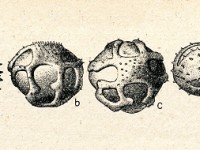
Palynology – the study of micro organic material such as spores, pollen, dinoflagellates and microfossils (1) - is a method employed by a range of disciplines all concerned with the environment. It is not an undergraduate degree subject due to its limited scope, and though there are some Master’s programmes in most countries, those wishing…
Read more

Birds & Ecosystem Services

The Value of Birds Birds are present throughout almost every habitat across the globe.  No matter where you go, there is always evidence of birds even if you don’t see the animals themselves.  Things like holes pecked in tree bark by woodpeckers or the remnants of a nest are indicative of the presence of birds. …
Read more

Wind Power 101

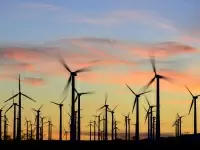
Modern wind power is a recent development based on a very old technology. The wind has propelled sail boats for at least 5000 years, and turned windmills for perhaps 1500 years. Even the concept of generating electricity with wind power dates back to the first successful attempt in the late 1800s. But aside from the…
Read more

Geospatial Technology: An Introduction and Overview

Geospatial technology combines Geographic Information Systems (GIS), remote sensing, and GPS to analyze spatial relationships and environmental patterns. These tools have become essential in environmental science careers, enabling scientists to track climate change, monitor wildlife populations, assess ecosystem health, and plan conservation strategies. Environmental scientists with geospatial skills earn a median salary of $80,060 nationally,…
Read more

Natural Gas 101: Pros & Cons

Natural gas is a fossil fuel, like oil and coal. It’s formed from decayed organic material transformed by high temperatures and pressures over millions of years into bubbles of methane gas. Conventional sources are found in underground gas fields or oil fields. Unconventional sources are more challenging to extract because the gas is locked inside…
Read more

NEPA 101: Introduction to United States Environmental Policy

What is NEPA? The National Environmental Policy Act (NEPA) is one of the shortest laws to exist and is less than 6 pages in length.  NEPA was passed by Congress in 1969, signed into law on January 1, 1970 by President Richard Nixon and set the stage for environmental policy for the United States (1). …
Read more