Category Archives: Articles

Geographic Information Systems in Environmental Planning and Design

Geographic Information Systems (GIS) technology is essential for environmental planners who manage land use, conservation, and urban development. GIS allows planners to visualize spatial data, analyze environmental impacts, and make evidence-based decisions about resource management. Environmental scientists overall earn a median salary of $80,060, with specialized roles and GIS expertise often commanding higher compensation. If…
Read more

Environmental Engineering and GIS

Over the past decade, GIS has evolved from an optional specialty to an essential competency for environmental engineers and scientists. Entry-level environmental professionals with GIS skills earn $60,000-$75,000 annually, while experienced specialists command $85,000-$110,000+ according to 2024 Bureau of Labor Statistics data. Most positions require a bachelor's degree in environmental science, engineering, geography, geology, or…
Read more

Cultural Resources in the Federal Environmental Process

Cultural resources—including archaeological sites, historic buildings, and Native American cultural properties—are federally protected elements of environmental review. Section 106 of the National Historic Preservation Act requires federal agencies to assess project impacts on historic properties and consult with State Historic Preservation Offices (SHPOs), Tribal Historic Preservation Offices (THPOs), and the Advisory Council on Historic Preservation…
Read more

Why Climate Scientists Need GIS: Skills, Applications & Career Paths

Geographic Information Systems (GIS) software is essential for climate scientists who analyze spatial data across global, regional, and local scales. GIS transforms massive climate datasets (from ice core samples to satellite imagery) into visual maps that reveal temperature trends, weather patterns, and ecological changes. Many environmental science graduate programs include GIS coursework, especially in climate…
Read more

The Future of Agriculture: Biotechnology and GM Crops

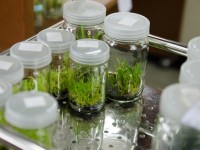
Agricultural biotechnology uses living organisms and genetic techniques to improve crop yields, enhance disease resistance, and develop sustainable farming solutions. Techniques like selective breeding have influenced agriculture for millennia; modern biotechnology emerged much more recently. Today's biotechnology careers typically require degrees in plant biology, biomedical engineering, or environmental biotechnology, with master's or doctoral degrees preferred…
Read more

Invasive Species: Causes, Impacts & Environmental Effects

Invasive species are plants or animals introduced to new environments where they cause environmental, economic, or health harm. Unlike exotic species that coexist peacefully, invasives thrive without natural predators, reproduce rapidly, and disrupt native ecosystems. They're the second-leading cause of species extinctions globally, costing an estimated $120 billion annually in the United States alone. One…
Read more

The History of Agriculture: Evolution, Innovation & Environmental Impact

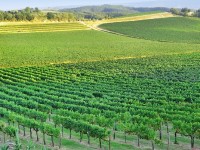
Agriculture began around 10,000 BC in the Fertile Crescent, with independent developments in regions such as the Indus Valley and Yangtze River, when humans transitioned from hunter-gatherer societies to deliberately cultivating crops and domesticating livestock. This Agricultural Revolution enabled permanent settlements, population growth, and the development of complex civilizations. Today, agriculture feeds over 8 billion…
Read more

What Is Environmental Engineering and Why Does It Matter?

Environmental engineering applies scientific and engineering principles to protect human health and the environment through clean water systems, air quality management, and sustainable waste solutions. Environmental engineers earn a median annual salary of $104,170, with the field projected to grow 4% through 2034, adding approximately 1,500 new positions. This interdisciplinary career combines civil engineering, chemistry,…
Read more

How Climate Change Affects Birds

Climate change threatens more than half of North American bird species with significant population declines through disrupted breeding cycles, shrinking habitats, and range shifts. Rising temperatures cause phenology mismatches where birds arrive too late for peak food availability, contributing to reproductive declines of up to 90% in some migratory populations, such as the pied flycatcher.…
Read more

Environmental Consequences of Fishing Practices

Industrial fishing practices harm ocean ecosystems in four major ways: overfishing depletes species like Atlantic cod beyond recovery, destructive gear damages seafloor habitats and coral reefs, ghost fishing gear continues killing animals for years, and bycatch traps millions of sea turtles, marine mammals, and seabirds annually. These impacts create cascading effects throughout ocean food webs,…
Read more