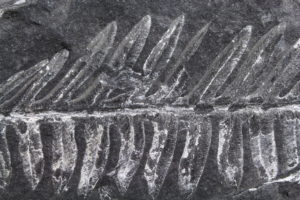
Paleobotanists study fossilized plants to understand ancient ecosystems and plant evolution. This highly specialized field requires a PhD for most academic positions, though some oil and gas companies hire geoscience graduates with paleobotany expertise. Academic salaries typically range from $65,000-$75,000, while petroleum industry roles offer $85,000-$110,000. Job opportunities are limited, with most positions in university research and teaching.
Paleobotany represents one of the most specialized intersections of botany and geology—the study of extinct plant species through their fossilized remains. If you're drawn to both plant science and deep geological time, this niche field offers a unique career path. However, it's essential to understand both the fascinating nature of the work and the limited job market before committing to this specialization.
Paleobotanists contribute to our understanding of how plant life evolved over millions of years, how ancient climates shaped vegetation patterns, and even help petroleum companies locate fossil fuel deposits. While opportunities are scarce compared to broader fields of environmental science, those passionate about this work find it intellectually rewarding and scientifically significant.
What Does a Paleobotanist Do?
Paleobotanists examine fossilized plant remains to reconstruct ancient ecosystems and understand plant evolution. This includes mineralized plant tissue, as well as surviving microfossils such as pollen and spores, and phytoliths. These delicate materials survive only under specific geological conditions, making each discovery particularly valuable.
Much like paleontologists, paleobotanists often work on excavation sites and share techniques with archaeologists. The work requires deep knowledge of both botany and geology—two disciplines that might seem unrelated but are essential for understanding fossilized plant life. Some specialists also need expertise in soil science, especially when analyzing preserved plant-soil interactions.
Modern Methods and Technology
Today's paleobotanist increasingly relies on technology rather than destructive excavation. Modern equipment allows researchers to gather evidence while leaving fossils in place. Techniques include remote sensing, surveying, and environmental sampling. Depending on your role, you might operate this equipment in the field or interpret the data from a desk-based research position.
Academic roles typically require an understanding of scientific dating methods—both absolute methods, such as radiocarbon dating, and relative dating techniques, such as dendrochronology. These skills help you determine the age of specimens and place them within the proper geological context.
Day-to-Day Work Environment
Your typical work varies significantly depending on your role. Field paleobotanists spend weeks at excavation sites, often in remote locations with challenging weather conditions. You'll carefully extract specimens, document their geological context, and preserve materials for laboratory analysis. This outdoor work can be physically demanding but offers the excitement of discovery.
Laboratory-based paleobotanists spend most of their time examining specimens under microscopes, cataloging finds, analyzing data, and writing research papers. This work requires patience and attention to detail as you identify species, compare specimens to known fossils, and draw conclusions about ancient environments. Most academic positions involve a balance of both fieldwork and lab analysis, along with teaching responsibilities.
Where Does a Paleobotanist Work?
The reality is straightforward: there aren't many opportunities for paleobotanists outside universities. Most specialists work in academic settings, which means high educational requirements and competitive job markets. However, your expertise can be valuable in unexpected places.
The oil and gas industry occasionally hires paleobotanists because fossilized plant remains can indicate the presence of potential petroleum deposits. That said, these companies typically prefer candidates with degrees in geology rather than specialized paleobotany backgrounds. Your best chance in this sector is combining strong geology credentials with paleobotany expertise.
Academic Career Paths
Academia employs the vast majority of paleobotanists, which means you'll need an extensive education to compete for positions. Entry-level roles exist as research assistants and excavation team members, where you'll conduct lab work and help senior researchers compile and communicate findings. However, these positions are increasingly reserved for doctoral candidates rather than standalone careers.
You might find teaching opportunities at community colleges or high schools in areas with smaller paleobotany programs. These roles focus more on general earth sciences or biology instruction than specialized research. If you have experience with the modern technologies mentioned earlier—remote sensing, surveying equipment, or advanced analytical tools—you may be particularly competitive for these positions.
What Is the Average Paleobotanist's Salary?
Understanding salary expectations requires recognizing that "paleobotanist" isn't a separate Bureau of Labor Statistics occupation category. Paleobotanists are typically classified under geoscientists, who had a median annual salary of $99,240 in 2024 according to BLS data. However, your actual earnings will depend heavily on whether you work in academia or industry, as well as your specific role within those sectors.
| Employment Sector | Entry-Level Salary | Mid-Career Salary | Senior Level Salary |
|---|---|---|---|
| Academia (Assistant Professor) | $55,000-$65,000 | $65,000-$75,000 | $75,000-$95,000 |
| Oil & Gas Industry | $70,000-$85,000 | $85,000-$110,000 | $110,000-$140,000 |
| Research Institutions | $50,000-$60,000 | $60,000-$75,000 | $75,000-$90,000 |
Despite employing the most paleobotanists, academia offers lower compensation than the petroleum industry. University positions for Assistant Professors with PhDs typically start around $55,000-$65,000, while comparable roles in oil and gas companies begin at $70,000-$85,000.
Geographic location significantly impacts earnings. Geoscientists in oil-and-gas-heavy states like Texas can earn median salaries approaching $120,000, per BLS data, while those in academic-focused states like Massachusetts average closer to $85,000. These figures reflect the broader geoscience category rather than paleobotany specifically, but provide useful benchmarks for salary expectations in this specialized field.
What Skills Do Paleobotanists Need?
Succeeding as a paleobotanist requires a unique blend of scientific knowledge, technical skills, and practical capabilities. At minimum, you'll need a bachelor's degree in related fields such as botany, geology, or earth sciences—paleobotany-specific degrees are rare at the undergraduate level. However, most professional positions require graduate education.
Fundamental Skills and Competencies
You must be comfortable working in a wide range of environments. Field research often takes place outdoors in extreme or highly variable weather conditions, requiring physical stamina and adaptability. Extensive travel is everyday as fossil sites exist worldwide and often in remote locations. Meanwhile, laboratory work demands patience and precision as you analyze specimens under microscopes and maintain detailed observation records.
Attention to detail is paramount. You'll collect fossilized plants during field studies, then carefully analyze them in controlled laboratory settings. This requires meticulous documentation—every observation, measurement, and contextual detail matters when reconstructing ecosystems millions of years old. You'll also need systematic organizational skills tto store and categorize fossilized specimens for future research properly
Communication abilities matter more than many realize. You'll regularly interact with people inside and outside the scientific community, which means translating technical findings into accessible language. Whether you're teaching undergraduate students, presenting at conferences, or consulting with petroleum engineers, you must communicate effectively in verbal, technical, and written forms.
Advanced Professional Skills
Senior-level paleobotanists—typically those with PhDs working as tenured professors or industry consultants—need additional capabilities beyond technical expertise. If you reach this level, you'll support and manage field expeditions, which means coordinating logistics, budgets, and personnel across potentially months-long research projects.
Leadership and project management become essential. You'll structure research teams, develop project proposals with detailed budgets and timelines, and ensure all work meets scientific and regulatory standards. In academic settings, this includes designing lectures and laboratory assignments for university courses, using various media and teaching techniques to make complex material accessible to students.
The best senior paleobotanists maintain intense curiosity and investigative drive. You'll contribute research findings and fossilized specimens to museums and the broader scientific community while developing innovative methods for fossil discovery and field exploration. This combination of technical mastery, leadership ability, and scientific creativity defines successful long-term careers in this field.
What Is the Job Demand for Paleobotanists?
Let's be direct: job demand for paleobotanists specifically isminimald because this is such a specialized niche. The Bureau of Labor Statistics doesn't track paleobotany as a separate occupation, which suggests the field is small. Most positions exist in academia, where competition is intense and opportunities are scarce.
However, your broader geoscience skill set opens more doors. According to the BLS, the geoscience field employed approximately 25,100 professionals in 2024, with projected growth of 3% through 2034, adding roughly 800 positions nationwide. This "as fast as average" growth rate is driven primarily by demand in energy exploration (both traditional petroleum and renewable sectors), environmental consulting, and natural resource management.
If you're willing to apply your paleobotany expertise more broadly—working as a general geoscientist, environmental consultant, or earth science educator—your employment prospects improve significantly. The key is positioning yourself with versatile credentials: strong foundations in geology and botany, modern analytical technology skills, and the ability to work on a range of geoscience projects beyond fossilized plant research.
What Are the Education Requirements to Become a Paleobotanist?
Your educational journey toward paleobotany should begin in high school with a strong foundation in biology and earth sciences. Biology is essential and widely available. Earth sciences courses are less common in high schools, but take them if your school offers them—they'll give you a head start on the geological concepts you'll need later.
Undergraduate Education
At the college and university level, you'll pursue a bachelor's degree in related fields such as botany, geology, or earth sciences—paleobotany-specific degrees are rare at the undergraduate level. Most paleobotanists earn degrees in geoscience, botany, or geology. Some students pursue dual degrees or major/minor combinations in these subjects, which is ideal if your school allows it. The interdisciplinary nature of paleobotany means you benefit from deep knowledge in both plant biology and earth sciences.
Choose your electives and minors strategically. General earth science courses, ecology, and surveying technology all complement your major and make you more competitive for graduate programs. In some cases, language skills prove advantageous—particularly French or German. The international paleobotany community is small and dispersed, and in many countries, French and German remain prominent languages in academic research and publications.
Graduate Education
Paleobotany remains highly specialized even at the master's degree level, so you'll likely continue with your undergraduate discipline while incorporating paleobotany elements into your research. This is actually beneficial—you want to build complementary expertise rather than narrowing too early. If you earned a bachelor's degree in botany, consider pursuing a master's in geology (or vice versa), assuming your program directors approve the transition.
Most academic positions and advanced research roles require a PhD; some applied or support roles may accept a master's degree. Since virtually all leading research positions are in academia or specialized industry roles, doctoral credentials are necessary for career advancement. The advantage is that PhD programs let you tailor your research program specifically to paleobotany. You'll work with advisors who specialize in this field, conduct original research, and establish yourself within the small but global paleobotany community.
During graduate school, seek opportunities to work on actual excavation sites, gain experience with modern analytical technologies, and publish research in peer-reviewed journals. These experiences differentiate competitive candidates when academic positions open. Plan for at least 9-13 years of post-secondary education and research experience, including potential postdoctoral work, before securing permanent positions in paleobotany or related research fields.
Paleobotany - Related Degrees
What Kind Of Societies and Professional Organizations Do Paleobotanists Have?
Despite being a small field, paleobotany has several active professional organizations that facilitate collaboration, publish research, and organize conferences:
- International Organisation of Palaeobotany: The IOP promotes international cooperation in paleobotanical research. They publish regular newsletters for members and organize conferences worldwide, providing crucial networking opportunities in this dispersed field.
- Botanical Society of America: The BSA includes a dedicated paleobotany section. It claims to be the oldest organization of its kind globally, thanks to pioneering research and the extensive fossil sites that have made North America a vital area for fossilized plant research.
- American Association of Stratigraphic Palynologists: A division of The Palynological Society, this organization promotes the study of spore and pollen fossils—a critical subdiscipline within paleobotany that helps reconstruct ancient plant communities and climates.
Membership in these organizations becomes increasingly important as you advance in your career. They provide access to specialized publications, funding opportunities, collaborative research projects, and the professional connections that often lead to academic positions.
Frequently Asked Questions
What degree do I need to become a paleobotanist?
Most entry-level research positions require at least a master's degree in a related field such as geoscience, botany, or geology. However, competitive academic positions and advanced research roles typically require a PhD. If you're aiming for university teaching or for leading your own research program, plan to complete doctoral-level education.
Where can paleobotanists find jobs outside academia?
The oil and gas industry offers the most common non-academic opportunities for paleobotanists. Energy companies value expertise in the analysis of fossilized plants for petroleum prospecting. Additionally, some environmental consulting firms, natural history museums, and government geological surveys employ specialists with backgrounds in paleobotany.
How long does it take to become a paleobotanist?
Plan for at least 9-13 years of post-secondary education and research experience, including potential postdoctoral work. This includes a four-year bachelor's degree (typically in geology or botany), a two-year master's degree, and a 4-6 year PhD program. Many paleobotanists also complete postdoctoral research positions lasting 1-3 years before securing permanent positions.
Is paleobotany a good career choice?
Paleobotany suits individuals with a deep passion for plant evolution and geological history who are willing to accept limited job opportunities in exchange for intellectually rewarding work. With only about 25,100 geoscience positions nationwide and a fraction of them focused on paleobotany, competition is intense. If you need job security and diverse employment options, broader geoscience or botany careers might better serve your goals. However, for those truly fascinated by this field, the work itself is the reward.
Can I work as a paleobotanist with just a bachelor's degree?
Bachelor's-level positions are limited to research assistant roles supporting senior paleobotanists or general geoscience technician positions. These jobs rarely focus exclusively on paleobotany. Most people in these roles are graduate students working toward advanced degrees rather than pursuing them as long-term careers.
Key Takeaways
- Extremely Limited Opportunities: Paleobotany is one of the most specialized niches within geoscience, with opportunities concentrated primarily in academic research. The broader geoscience field employs about 25,100 professionals nationwide, with paleobotany representing only a small fraction.
- PhD Required for Academic Careers: Most academic positions and advanced research roles require doctoral credentials. Some applied or support roles may accept a master's degree, but career advancement in paleobotany typically demands PhD-level expertise and postdoctoral research experience.
- Salary Varies Significantly by Sector: Academic positions typically offer $55,000-$75,000 for assistant professors, while oil and gas industry roles provide $85,000-$110,000 or more. The broader geoscience field has a median salary of $99,240 according to 2024 BLS data, with significant geographic variation.
- Long Educational Timeline: Plan for 9-13 years of post-secondary education and research experience, including an undergraduate degree, a master's degree, a PhD program, and likely postdoctoral work, before securing permanent paleobotany positions.
- Versatility Improves Prospects: While pure paleobotany positions are scarce, the geoscience field is projected to grow 3% through 2034 (adding roughly 800 positions). Training in both botany and geology qualifies you for broader geoscience, environmental consulting, and earth science education roles.


Interested in paleobotany or related environmental science fields? Explore degree programs in geology, botany, and geoscience that can prepare you for this specialized career path or adjacent opportunities in earth and life sciences.
2024 US Bureau of Labor Statistics salary and job growth figures for geoscientists reflect national data, not school-specific information. Conditions in your area may vary. Data accessed January 2026.