
A decontamination technician identifies, removes, and safely disposes of hazardous materials like asbestos, lead-based paint, radioactive waste, and contaminated soil. Most work in waste management companies, construction, or government agencies. The median salary is $48,490, with entry requiring a high school diploma and 40 hours of OSHA certification training.
Nuclear power plants need to be decommissioned. Construction sites discover asbestos in old buildings. Industrial facilities deal with chemical spills. Someone has to safely clean up these dangerous materials, and that's where decontamination technicians come in.
If you've ever wondered what it's like to work with hazardous materials, or if you're considering a career that combines safety protocols with hands-on problem-solving, here's what you need to know about becoming a decontamination technician.
What Does a Decontamination Technician Do?
Decontamination technicians work primarily in the nuclear industry, though they're needed anywhere hazardous materials pose a risk to people or the environment. Nuclear energy provides near-limitless power for homes and businesses across the developed world. Despite extensive safety precautions, nuclear power generation requires specialized professionals who can handle radioactive materials. That's why facilities employ decontamination technicians alongside nuclear engineers.
But nuclear facilities aren't the only workplaces for these professionals. Decontamination technicians also handle the cleanup and removal of other toxic substances, such as asbestos, lead-based paint, waste fuel, and oil. They work in construction, demolition, and disaster response. Some join government agencies or private companies. Others work with charities using environmental cleanup teams for major disasters like Fukushima or the BP oil spill. Essentially, they work in public health, focusing on protecting people from hazardous substances.
Related roles include hazmat specialists, who often focus on transportation and emergency response, and decontamination technicians, who typically handle site cleanup and facility decommissioning.
Daily Responsibilities
On any given day, a decontamination technician might conduct lab or field tests to collect data on contamination levels. They identify pollution sources, classify contamination severity, and determine appropriate cleanup methods. The work requires attention to detail because mishandling hazardous materials can have serious consequences.
These professionals clean, test, calibrate, and maintain specialized decontamination equipment. They perform sampling activities that provide critical data for safety reports. When gaps appear in protocols, they work to fix them. They also supply sterile materials to all areas of a facility or field site and maintain appropriate inventory for decontamination work.
Safety and Compliance
Safety isn't optional in this field. It's everything. Decontamination technicians wear protective attire at all times during cleanup operations. They follow strict federal regulations and company procedures designed to prevent injuries and illness. Most work in teams under the direction of scientists, engineers, or site supervisors.
The role involves constant learning. Technicians complete ongoing training to stay current with safety standards and new techniques. They help develop safety programs and serve as resources for colleagues regarding policies and best practices. Working with environmental lab technicians is common when testing contamination levels.
Emergency Response Duties
When disasters strike, decontamination technicians often respond to emergencies. They might work outdoors in all types of weather, cleaning up spills from train derailments, truck accidents, or industrial incidents. These emergency calls can happen any time, and the work continues until the site is safe.
The job can be physically demanding. Technicians often work in confined spaces, at great heights, or in positions that require bending and stooping for extended periods. They use protective equipment such as respirators, full-body suits, gloves, and eye protection to minimize exposure to harmful substances.
Career Advancement: From Technician to Manager
Entry-level decontamination technicians typically spend their first two years learning procedures and building expertise with different types of hazardous materials. As they gain experience, they take on more complex assignments and may specialize in specific substances, such as nuclear waste or asbestos.
After two to five years, experienced technicians often move into senior positions where they train new workers and manage relationships with equipment manufacturers. They analyze protocols, participate in the development of safety policies, and assume greater responsibility for project outcomes.
With five or more years of experience, many technicians advance to team lead or supervisory roles. These positions involve managing work groups, approving cleanup protocols, and overseeing safety compliance across multiple sites. Supervisors inspect disposal systems, audit equipment, and prepare reports for stakeholders and administrative teams.
Management roles offer the highest salaries in the field, typically ranging from $60,000 to $75,000 or more annually. Managers create strong health and safety cultures through leadership, monitor regulatory compliance, and make strategic decisions about disposal procedures and equipment investments.
Where Does a Decontamination Technician Work?
Work environments for decontamination technicians vary significantly based on the materials they handle. Understanding where these professionals work helps you picture what a typical day might look like.
| Industry Sector | Percentage of Workers | Typical Materials Handled |
|---|---|---|
| Remediation & Waste Management Services | 62% | Contaminated sites, hazardous waste cleanup, environmental restoration |
| Waste Treatment & Disposal | 10% | Processing and disposal of hazardous materials at treatment facilities |
| Construction | 6% | Asbestos, lead-based paint, contaminated building materials |
| Government Agencies | 5% | Environmental remediation, disaster response, regulatory enforcement |
| Other Industries | 17% | Nuclear facilities, manufacturing, utilities, specialized cleanup operations |
The largest employer is the remediation and waste management services industry, which hires about 62% of all decontamination technicians. These professionals clean up contaminated sites and restore environments affected by hazardous materials. Another 10% work in waste treatment and disposal facilities where hazardous materials are processed and disposed of safely.
Construction accounts for about 6% of jobs in this field. Technicians in this sector typically work with asbestos and lead-based paint discovered during building renovation or demolition projects.
Government agencies employ roughly 5% of decontamination technicians, mainly in environmental remediation and disaster response. Some work as technical advisors to environmental lawyers in court cases involving pollution violations.
The remaining 17% work across various industries including nuclear facilities, manufacturing, utilities, and specialized cleanup operations. Nuclear decommissioning work represents a specialized niche that may see increased demand as older facilities close, though funding for these projects can be inconsistent.
Decontamination Technician Salary and Compensation
According to the Bureau of Labor Statistics, the median annual salary for decontamination technicians (classified as hazardous materials removal workers) was $48,490 as of May 2024. This means half of all workers in this field earn more than this amount, and half earn less.
The salary range is substantial. The lowest 10% of earners make less than $37,330 annually, while the highest 10% earn more than $82,480. Your potential earnings depend heavily on which industry you work in, your location, and your level of experience and certification.
| Industry | Median Annual Salary (2024) |
|---|---|
| Management of Companies | $57,980 |
| Manufacturing | $53,450 |
| Construction | $50,830 |
| National Median (All Industries) | $48,490 |
Apprentices and newly trained workers earn less than fully certified technicians. As you complete additional training and gain specialized certifications, particularly in nuclear waste handling, your earning potential increases significantly. Those who advance to supervisory or management roles can expect salaries in the $60,000 to $75,000 range or higher.
Most decontamination technicians work full-time, and overtime is common. This is especially true for those who respond to emergencies and disaster situations. Some technicians travel extensively to cleanup sites and may be away from home for days or weeks until a project is complete.
Job Outlook and Growth
Employment of decontamination technicians is projected to grow by 1% from 2024 to 2034, which is slower than the average for all occupations. Despite this limited growth, about 5,000 job openings are expected each year. Most of these openings will come from workers retiring or transferring to different occupations rather than from new positions.
Current employment stands at approximately 51,300 workers nationwide. While the overall growth rate is modest, certain factors could drive higher demand in specific areas. As nuclear facilities are decommissioned over the coming decade, specialists trained in radioactive waste handling will be needed to decontaminate equipment, store waste safely, and prepare sites for closure.
The need to clean up hazardous materials at sites recognized by the U.S. Environmental Protection Agency will continue to drive steady demand. However, funding for these cleanup activities can be inconsistent, which affects job availability. Additionally, construction laborers now perform some hazmat cleanup work, which offsets demand for specialized decontamination technicians.
Education and Training Requirements
You don't need a college degree to become a decontamination technician. The minimum requirement is a high school diploma or GED. However, you'll need professional certification and specialized training to work in this field.
Required OSHA Training
Most decontamination technicians complete OSHA's Hazardous Waste Operations and Emergency Response (HAZWOPER) training, with requirements varying by role and exposure level. The most common path is the 40-hour HAZWOPER course, which covers safety procedures, proper handling techniques, and emergency protocols for workers who regularly handle hazardous substances.
This 40-hour training isn't just classroom instruction. It includes supervised field experience where you'll apply what you've learned under the guidance of experienced professionals. You'll learn how to use protective equipment, identify different types of hazardous materials, and follow federal regulations for waste disposal.
Some positions with occasional hazardous substance exposure require only the 24-hour HAZWOPER course. Emergency responders may need additional specialized training beyond the standard 40-hour program. Your employer will determine the level of training required for your specific role.
Most of this training happens when you're hired. You'll work under the supervision of experienced technicians or site supervisors while you build practical skills. The hands-on nature of the training ensures you understand both the theoretical knowledge and practical application of safety protocols.
Specialized Certifications
If you want to work with nuclear waste, you'll need additional certifications beyond the basic OSHA HAZWOPER requirement. The Nuclear Regulatory Commission (NRC) oversees training programs specifically for nuclear decontamination work. Training duration varies by facility and specific role, typically ranging from several weeks to several months, depending on the complexity of materials handled and site-specific requirements. This specialized training covers radiation safety, contamination control, and procedures for handling radioactive materials.
Some states require specific licenses or permits, particularly for asbestos and lead removal. Requirements vary by state, so check your state's regulations or contact your state's environmental or labor department. Workers who transport hazardous materials may also need federal or state permits.
Certification costs typically range from $500 to $2,00,0, depending on the level and type of training. Many employers cover these costs for new hires. You'll also need to complete continuing education to maintain your certifications, with renewal requirements varying by certification type and state.
Advanced Education Options
While not required, an Associate's degree in environmental science, environmental health and safety, or a related field can be advantageous. This education can open doors to management, project leadership, and advisory roles. Some technicians pursue degrees while working, using their practical experience to inform their studies.
Decontamination Technician - Related Degrees
Health and Safety Considerations
Let's be direct: this job involves real risks. Understanding these hazards is crucial before you commit to this career path.
Specific Health Risks by Material
Different hazardous materials pose different threats. Asbestos exposure can cause lung disease and cancer, sometimes decades after exposure. Lead poisoning damages the nervous system, kidneys, and reproductive system. Radioactive materials carry risks of radiation exposure that can affect your cells and increase cancer risk. Chemical exposure can cause immediate reactions like burns or respiratory distress, or long-term health problems.
The good news? Proper protective equipment and strict adherence to safety protocols dramatically reduce these risks. No safety measure is perfect, but the industry takes protection seriously.
Required Protective Equipment
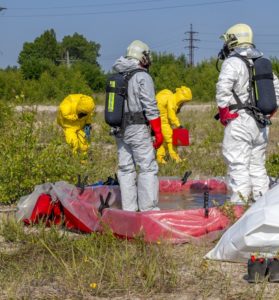
You'll wear extensive protective gear depending on the materials you're handling. For most jobs, this includes coveralls, gloves, shoe covers, and safety glasses or goggles. More hazardous work requires respirators or supplied-air breathing equipment. When dealing with highly toxic or radioactive materials, you'll wear full-body protective suits that provide complete isolation from contaminants.
Working with this equipment can be uncomfortable, especially in hot conditions or for extended periods. The suits are heavy, restrict movement, and can cause fatigue. Part of the training involves learning to work effectively while wearing full protective gear.
Medical Monitoring
Most employers require regular medical monitoring for decontamination technicians. This typically includes baseline health assessments at the start, periodic check-ups throughout your career, and exit examinations upon leaving the field. These screenings help detect early signs of health changes and ensure you're fit for the physical demands of the work.
Work-Life Balance and Physical Demands
Most decontamination technicians work full-time schedules, typically 40 hours or more per week. Overtime is common, particularly when responding to emergencies or working on time-sensitive projects. If you're on an emergency response team, expect to be on call, which means your phone could ring at 2 a.m. with a hazmat incident to respond to.
The physical demands are significant. You might spend hours in confined space,ssuch ase crawl spaces or attics. Some jobs require working at heights on scaffolding. The work often involves lifting heavy equipment, bending, stooping, and working in awkward positions. If you have back problems or mobility limitations, this might not be the right career for you.
Travel is a daily part of life, especially for disaster response technicians. When hurricanes, floods, or industrial accidents occur, you might deploy to the affected area and work there for several days or weeks. This can strain family relationships and personal commitments, so it's something to consider carefully.
Frequently Asked Questions
Is a decontamination technician a dangerous job?
Yes, working with hazardous materials carries inherent risks, including exposure to toxic substances, radiation, and dangerous chemicals. However, strict safety protocols, protective equipment, and comprehensive training significantly reduce these risks. Most injuries in this field result from accidents rather than exposure, and proper adherence to safety procedures keeps injury rates relatively low. The industry maintains rigorous standards specifically because the materials are dangerous.
What's the difference between a decontamination technician and a hazmat specialist?
While there's overlap, decontamination technicians typically focus on site cleanup, facility decommissioning, and long-term remediation projects. Hazmat specialists often concentrate on emergency response, transportation safety, and immediate incident management. Decontamination technicians might spend weeks decommissioning a nuclear facility, while hazmat specialists respond to highway spills. Many professionals have training in both areas, and some job postings use the terms interchangeably.
Do I need a college degree to become a decontamination technician?
No, you don't need a college degree. A high school diploma or GED is sufficient to enter the field. You will need to complete OSHA HAZWOPER training (typically 40 hours for regular exposure roles) and obtain any required state licenses or permits. However, an Associate's degree in environmental science or a related field can help you advance to management positions more quickly and may increase your starting salary.
How long does OSHA certification training take?
The basic OSHA HAZWOPER training requires 40 hours for workers with regular exposure to hazardous substances, which is typically completed over one week of full-time training. This includes both classroom instruction and supervised field experience. Some positions with occasional exposure require only 24 hours of training. Most employers provide this training when you're hired. If you want to work with nuclear materials, you'll need additional specialized training through NRC-approved programs, with duration varying by facility and role. Many technicians complete additional certifications throughout their careers as they specialize in different types of hazardous materials.
Can decontamination technicians work in nuclear facilities?
Yes, but it requires additional specialized training and certification beyond the standard OSHA HAZWOPER requirement. You'll need to complete Nuclear Regulatory Commission (NRC)- approved training programs covering radiation safety, contamination control, and nuclear-specific procedures. Training duration varies by facility and role, typically ranging from several weeks to several months. Nuclear facility work often pays higher than other decontamination jobs, with experienced nuclear decontamination technicians earning in the upper salary ranges for the field.
Key Takeaways
- Career Overview: Decontamination technicians identify, remove, and safely dispose of hazardous materials,s including asbestos, lead-based paint, radioactive waste, and chemical contaminants,s in various industries from construction to nuclear facilities.
- Salary Range: The median annual salary is $48,490 (May 2024), with earnings ranging from $37,330 (lowest 10%) to $82,480 (highest 10%). Management companies and manufacturing sectors pay the highest salaries, with experienced managers earning $60,000 to $75,000 or more.
- Education Path: Entry requires only a high school diploma plus OSHA HAZWOPER training (typically 40 hours, including field experience). Nuclear work requires additional NRC-approvecertificationnn, with the duration varying by facility. An Associate's degree helps with career advancement, but it isn't mandatory.
- Job Outlook: Employment growth of 1% from 2024 to 2034 (slower than average) will produce about 5,000 annual job openings, primarily from retirements. Nuclear facility decommissioning may create specialized opportunities beyond general projections.
- Work Environment: Most positions (62%) are in remediation and waste management services, with others in waste treatment facilities (10%), construction (6%), government agencies (5%), and other industries, including nuclear facilities (17%). Expect physical demands, protective equipment requirements, overtime, potential travel, and emergency response duties.
Ready to explore environmental science careers that protect public health and safety? Discover degree programs that can enhance your qualifications and open doors to advanced positions in hazardous materials management.

Professional Organizations and Resources
Several professional organizations support hazardous materials disposal and handling professionals:
EPA (Environmental Protection Agency) - The country's most significant regulatory body on hazardous materials, pollution regulation, and environmental law. They approve training programs and set standards for organizations that provide education for decontamination technicians.
DOE (Department of Energy) - Their mission is to ensure prosperity, energy security, and safety in line with government regulation. They're involved in public education and are one of the largest employers of decontamination and decommissioning technicians.
Nuclear Regulatory Commission - Individuals who want to enter specialized training programs for nuclear waste disposal certification must apply through the NRC. Their job is to ensure good practices in protecting people and the environment from nuclear waste.
2024 US Bureau of Labor Statistics salary and job growth figures for hazardous materials removal workers reflect national data, not school-specific information. Conditions in your area may vary. Data accessed January 2026.