
Sustainability and green careers span diverse roles focused on environmental conservation and resource efficiency, from environmental engineers earning $92,120 annually to solar installers making $46,470-$64,600. The field encompasses renewable energy, sustainable building, conservation, and corporate sustainability across virtually every industry. With 4% projected growth from 2024 to 2034 and educational pathways from associate's degrees to doctoral programs, sustainability careers offer opportunities at every level.
Sustainability careers are among the fastest-growing sectors in environmental science. What makes this field unique is its diversity-you'll find sustainability professionals in corporate boardrooms, on solar installation crews, in conservation areas, and everywhere in between. Whether you're drawn to hands-on technical work or strategic policy development, there's a pathway here that aligns with your interests and goals.


Though the words "sustainability" and "green" often evoke images of environmental scientists, this narrow view doesn't accurately reflect the field's true scope. While scientific careers are certainly part of the industry, there are many other options for those seeking a sustainability job or green profession. In fact, many sustainability careers focus on helping organizations run more efficiently, thereby increasing their profits, pleasing their customer base, and creating community well-being.
Sustainability & Green Employment Conditions
Employment conditions in sustainability careers vary considerably from position to position. Because this industry addresses diverse issues, one sustainability worker might spend their days in an office, another in an industrial environment, and yet another most of their time outdoors.
Consider the range of work environments: A Director of Sustainability typically works in a corporate office, overseeing a company's environmental practices and energy consumption strategies. On the other hand, a soil and plant scientist may spend considerable time in the field, enduring adverse weather conditions while monitoring soil pH levels and developing measures to prevent soil pollution. Energy managers might split their time between office analysis and on-site facility assessments.
If you're looking for a field that offers diverse options and the ability to match your work environment to your preferences, sustainable careers and green jobs provide exactly that flexibility.
Related: What is Sustainability?
Sustainability & Green Job Outlook
Though the outlook for each career path varies, sustainability careers as a whole are positioned for substantial growth well into the future. Sustainability is a growing industry that's expanding as technology advances and the world's natural resources become increasingly scarce. Green jobs and sustainability careers are now replacing positions that once existed in many 20th-century non-sustainable industries.
The field is projected to grow by 4% over the 10 years from 2024 to 2034. This growth rate reflects the increasing importance organizations place on environmental responsibility and resource efficiency. From renewable energy installation to corporate sustainability management, opportunities continue to emerge across sectors.
What's driving this growth? Several factors contribute to the expanding job market:
- Climate policy initiatives: Federal and state regulations continue to expand environmental compliance requirements.
- Corporate sustainability commitments: Major corporations are investing in sustainability teams and green infrastructure.
- Renewable energy expansion: Solar and wind energy sectors continue to grow rapidly.
- Green building standards: LEED certification (a voluntary green building certification program) and sustainable construction practices are becoming industry norms.
- Consumer demand: Customers increasingly favor environmentally responsible companies.
Sustainability & Green Jobs: What You'll Do
As our population becomes more environmentally aware, a host of job opportunities in the sustainability and green jobs industry are becoming available. From sustainable agriculture to green business to conservation and nature jobs, all sustainability professionals share some core tasks and values.
Core Responsibilities Across Sustainability Careers
While specific duties vary by role, most sustainability professionals handle some combination of these responsibilities:
- Provide support for the client's environmental management needs
- Understand environmental policies at the local, state, and federal levels
- Audit operations regularly to ensure compliance
- Prepare written recommendations and critical documentation
- Submit correspondence, reports, and appeals to regulatory agencies
- Liaise with regulatory agencies and stakeholders as required
- Manage and review environmental impact assessments
- Use investigation and remediation reports to guide decision-making
- Pay close attention to quality assurance details
- Coordinate issues that extend beyond individual project boundaries
- Work directly with government and civilian clients
- Pursue relevant certifications like LEED (a voluntary green building certification program), where applicable
- Consult on policy development and implementation
- Collaborate in team environments to maximize resources
Senior Sustainability Management Responsibilities
Senior sustainability and green jobs mirror other management positions, with one key difference: these experienced professionals place environmentally sustainable solutions at the core of their business strategy. Think of them as strategic leaders who've made environmental responsibility their competitive advantage.
Most senior sustainability professionals will handle these tasks at some point in their careers:
- Design outcome measurements for green initiatives
- Understand each sustainability program's impact to inform strategy
- Work with compliance professionals to meet technical guidelines
- Provide leadership and strategic direction
- Vet research directions before team pursuit
- Offer expert environmental advice for planning efforts
- Define project scope and benchmarks
- Track project schedules, costs, and deliverable items
- Participate in public meetings and hearings
- Respond to public comments and concerns
- Evaluate employee and contractor performance
- Allocate project, material, and human resources
Degree Options and Salaries for Sustainability Careers
Careers in sustainable energy and building are unique because they're expanding in every industry. As sustainability becomes more important to both public approval and economic growth, companies need professionals who understand trends and best practices in sustainable building and engineering.
This means you can find work in sustainable building and engineering at almost every educational level. You'll discover ground-level technical positions involving the manufacturing and installation of sustainable energy infrastructure, such as wind turbines and solar arrays, as well as high-level engineering jobs responsible for designing, developing, and testing that equipment. This is an area with excellent room for growth and strong financial prospects.
According to the Bureau of Labor Statistics, environmental engineers, engineering technicians, solar photovoltaic installers, and wind turbine service technicians are all projected to be among the fastest-growing green jobs from 2024 to 2034.
Salary Expectations by Education Level
Here's a realistic look at what you can expect to earn at different education levels in sustainability careers:
| Education Level | Representative Roles | Salary Range | Career Growth Potential |
|---|---|---|---|
| Associate's Degree | Solar Photovoltaic Installer, Wind Turbine Technician, Environmental Technician | $46,470 - $64,600 | Strong demand, hands-on technical roles with overtime opportunities |
| Bachelor's Degree | Environmental Scientist, Project Management Specialist, Environmental Engineer | $46,850 - $92,120 | Entry to mid-level professional positions with a management track |
| Master's/Doctoral Degree | Urban Planner, Landscape Architect, Senior Environmental Engineer, Director of Sustainability | $70,630 - $144,810 | Senior leadership, research, policy development, consulting |
Jobs and Degrees for Associate's Graduates
Perhaps more than any other green career category, sustainability and green economy jobs offer substantial, well-paying opportunities to associate's-qualified candidates. Ground-level, blue-collar skills can earn solid money as overall demand for construction and building management positions continues to grow.
A couple of the most popular positions with their salary information:
- Solar Photovoltaic Installers: $46,470 - $64,600 per year
- Wind Turbine Technicians: $56,230 - $83,580 per year
Associate's degrees for green economy careers focus on both practical and in-demand subjects, with degree options that include:
- AAS in Environmental Technologies and Sustainable Practices
- AS in Green Sustainable Design
- AS in Renewable Energy
- AAS in Green Building Maintenance and Management
You can also use these as transfer degrees to extend your studies to the bachelor's level in the future.
There are no special prerequisites for associate's degrees in this category. The curriculum at the two-year level is commonly hands-on and task-oriented. Some courses you might encounter include:
- Renewable Energy Systems: Studying solar, wind, geothermal, and high-efficiency systems
- Green Design Elements: Looking at how architecture and building construction lead to sustainability, including LEED evaluation (LEED is a voluntary green building certification program)
- Ecological Design Principles: Examining how modern design and build practices help structures fit into natural ecological systems
Jobs and Degrees for Bachelor's Graduates
A bachelor's degree opens up even more positions in sustainable building and design. Many natural progressions from associate's-level degrees can take you into more in-depth studies of design and development at the four-year level. These programs also serve as excellent preparation for more advanced study at the master's level.
A broad range of entry-level positions is available for bachelor's-prepared graduates, all with solid salary prospects:
- Project Management Specialist: $84,290
- Environmental Engineer: $92,120
- Environmental Science and Protection Technician: $46,850
You'll find a combination of straight scientific study and more applied practical skills at the bachelor's level. Programs serve as preparation for master's studies, but also prepare you for direct entry into sustainable building and engineering jobs.
Common degrees for sustainability and green careers include:
- BAS in Sustainable Practices
- BS in Sustainable Environments
- BA in Landscape Architecture
- BS in Community Development
- BAB (Bachelor of Arts in Business) with Sustainability Management Emphasis
- BS in Environmental Studies
You can expect to study subjects similar to those at the associate's level in these areas of expertise, with an emphasis on hard sciences and lab courses.
Jobs and Degrees for Master's and Doctoral Graduates
Some of the highest-paying sustainability jobs in the nation go to holders of master's degrees in this area, particularly those working in architecture, energy, or environmental policy.
The US Bureau of Labor Statistics publishes salary range data on popular careers in sustainable building and engineering:
- Urban and Regional Planner: $75,950 - $118,280
- Landscape Architect: $70,630 - $115,660
- Civil Engineers: $88,570 - $144,810
- Environmental Engineers: $92,120 - $144,810
People fill the leadership roles at the highest levels of the green economy with master's degrees and doctorates in areas such as:
- MS in Sustainability Management
- MS in Sustainability with Environmental Management Emphasis
- MS in Global Energy Management
- PhD in Built Environment
- PhD in Building Technology
- MS in Engineering in Sustainability Engineering
- MBA in Sustainability and Compliance
Master's programs and doctorates in this category commonly require that you've already gained some experience on the job in the field. While it's possible to enter a graduate program without a standardized test score, it's less familiar with heavily science and math-focused degrees. You may also need to complete some prerequisite courses in areas like chemistry, biology, or algebra to enter these programs.
Frequently Asked Questions
What exactly are sustainability and green jobs?
Sustainability and green jobs are careers focused on environmental conservation, resource efficiency, and reducing environmental impact. They span numerous industries-from renewable energy and sustainable agriculture to corporate environmental management and conservation. These roles share a common goal: meeting today's needs without compromising future generations' ability to meet theirs. You'll find sustainability professionals in engineering firms, government agencies, nonprofit organizations, and corporate sustainability departments.
What education do I need for a career in sustainability?
Educational requirements vary widely depending on your chosen career path. Technical roles like solar panel installation or wind turbine maintenance typically require an associate's degree or vocational training. Professional positions such as environmental scientist or project manager usually require a bachelor's degree in environmental science, sustainability, or a related field. Leadership roles, specialized engineering positions, and policy development careers often require master's degrees or PhDs. The good news is that there are entry points at every education level.
Are sustainability jobs well-paid?
Yes, sustainability careers offer competitive salaries across education levels. Associate's-prepared wind turbine technicians earn $56,230-$83,580 annually, while bachelor's-prepared environmental engineers average $92,120. Master's and doctoral graduates in fields such as urban planning or environmental engineering can earn $70,630- $144,810. Salaries vary by role, location, experience, and industry sector, but the field generally offers solid financial prospects with room for advancement.
Is the sustainability field growing?
Absolutely. Sustainability careers are projected to grow 4% from 2024 to 2034, which is on pace with the average for all occupations. This growth is driven by increasing environmental regulations, corporate sustainability commitments, renewable energy expansion, and consumer demand for environmentally responsible practices. As climate concerns intensify and technology advances, demand for sustainability professionals continues to increase across sectors.
What industries hire sustainability professionals?
Nearly every industry now employs sustainability professionals. You'll find opportunities in renewable energy companies, construction and architecture firms, government environmental agencies, nonprofit conservation organizations, corporate sustainability departments, consulting firms, agriculture and food production, manufacturing, transportation, and urban planning departments. The field's diversity means you can align your environmental passion with virtually any industry that interests you.
Key Takeaways
- Career Diversity: Sustainability careers span technical, professional, and leadership roles across industries-from hands-on solar installation to corporate strategy and policy development.
- Competitive Compensation: Salaries range from $46,470 for entry-level technical positions to over $144,810 for senior engineers and planners, with opportunities at every education level.
- Strong Job Growth: The field is projected to grow 4% from 2024 to 2034, driven by climate policy, corporate commitments, renewable energy expansion, and consumer demand for sustainable practices.
- Accessible Education Paths: You can enter the field with an associate's degree and advance through bachelor's, master's, and doctoral programs-or use associate's degrees as transfer pathways to four-year institutions.
- Meaningful Impact: Sustainability professionals directly contribute to environmental conservation, resource efficiency, and the creation of solutions that benefit both current and future generations.
Ready to explore sustainability careers? Discover degree programs that align with your environmental goals and career aspirations.
2024 US Bureau of Labor Statistics salary and job growth figures for Environmental Scientists and Specialists, Environmental Engineers, Conservation Scientists and Foresters, Environmental Scientists and Protection Technicians, and related occupations reflect national data, not school-specific information. Conditions in your area may vary. Data accessed January 2026.
Explore Specific Sustainability Careers
Ready to learn more about individual career paths in sustainability and green jobs? We've compiled comprehensive guides for specific roles across the field. Each career page includes detailed information on daily responsibilities, educational requirements, salary expectations, and job outlook.
Explore these sustainability and green career specialties to find the path that matches your interests and goals:
Click on the highlighted areas below to learn more about each green career specialty.
Jump to Careers in Sustainability and Green Jobs
- Agroforester
- Air Quality Forecaster
- Aquarist
- Aquatic Biologist
- Biofuel Production Operator
- Chemical Engineer
- Director Sustainability
- Ecotourism Guide
- Energy Manager
- Environmental Public Relations Specialist
- Geophysical Engineer
- Geoscientist
- Hydrographic Surveyor
- Landscape Architect
- Nuclear Engineer
- Petroleum Engineer
- Petrologist
- Soil Conservation Technician
- Solar Engineer
- Sustainability Program Coordinator
- Sustainability Specialist
- Turf Scientist
- Water Resource Engineer
- Watershed Manager
- Watershed Science Technician
- Wetland Specialist
- Wind Energy Engineer
- Zoning Technician
Agroforester

Learn more about how to become an Agroforester >>>
Air Quality Forecaster
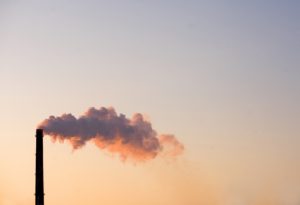
Air Quality Forecasting is a subdivision of meteorology. Rather than looking at natural weather patterns in the environment, they examine pollution levels and predict the impact they will have on the air. Often working with meteorologists, they provide smog forecasts amongst other data. Other areas they may work is with EPA and other government bodies. They may work developing models to enhance accuracy and quality of forecasting, or in education teaching children and adults about the importance of air quality and control of substances potentially damaging to public health or the environment.
Learn more about how to become an Air Quality Forecaster >>>
Aquarist

Aquarists care for marine life and sustain the exhibits at aquariums in many different capacities such as feeding the animals, interacting with them, cleaning habitats, maintaining machinery, designing exhibits, and educating visitors. Sometimes they may be required to perform fieldwork, traveling to particular areas and collecting specimens. Overall, this job is incredibly multi-faceted and relies heavily on work experience and area of specialty. Most Aquarists have a bachelor’s degree in marine biology or other related field. In addition, they typically have a scuba diving and CPR certifications to help them with any emergency situations they may encounter.
Learn more about how to become an Aquarist >>>
Aquatic Biologist

Aquatic Biologists are specialists who work with biological life that lives in wetlands, ponds, streams, lakes and rivers. They differ from a marine biologist in that they also examine and study fresh water ecosystems. Marine biologists deal solely with ocean life. Aquatic Biologists can work in many areas. Some work in conservation, pollution monitoring and management, species protection and water composition. They may also study fish, plankton, invasive species (animal and plant), in education (corporate and schooling). With a specialization in Aquatic Biology, many doors will be open to you.
Learn more about how to become an Aquatic Biologist >>>
Biofuel Production Operator
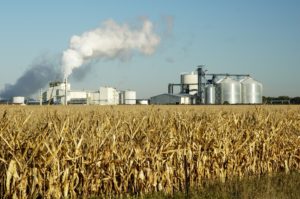
In the race towards sustainability, a number of green jobs have arisen in the last few years. One of these is that of Biofuel Production Operator, working at factory sites to ensure smooth running and quality assurance. Biofuels are produced in a number of ways, mostly in the same way as food produce in agriculture. Yet this material cannot be used straight out of the ground. We need technologies and a place to process that raw material into a usable biofuel. Biofuel production occurs in factories and other facilities. As this is an industrial material, it requires quality checks.
Learn more about how to become a Biofuel Production Operator >>>
Chemical Engineer
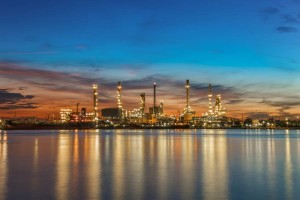
Learn more about how to become a Chemical Engineer >>>
Director Sustainability

Learn more about how to become a Director Sustainability >>>
Ecotourism Guide

Ecotourism is a growth area of the global travel experience. There is a desire to travel and a desire to do so in an environmentally friendly way. An ecotourism guide is essentially a vacation tour who organizes trips and talks to talk about local environments, ecology, how to be an environmentally conscious traveler and encourages sustainability. They tend to have a background in the environmental studies but can come from all walks of life.
Learn more about how to become an Ecotourism Guide >>>
Energy Manager

While solar is now on par with the cost of fossil fuels, a full transition from fossil fuels to clean energy will likely take decades. Energy efficiency and conservation will remain important for slowing climate change and reducing energy dependence during this transition. Energy efficiency also just makes financial and logical sense, both for now and going forward. The earth wastes nothing, and neither should we. We make our businesses and industries much more efficient by following this example. Energy managers help determine the best ways to conserve energy on existing and future projects.
Learn more about how to become an Energy Manager >>>
Environmental Public Relations Specialist

Environmental Public Relations Specialists put together PR campaigns and implement pollution education programs in their communities. By working on public outreach, Environmental PR Specialists ensure that the public and local businesses are aware of all environmental regulations, their importance, and the consequences of ignoring these regulations. Environmental Public Relations Specialists generally work in offices and community events. Because of the comprehensive nature of this position, a background in hazardous waste management or environmental law may be desirable, as well as the ability to analyze complex data and communicate effectively with others.
Learn more about how to become an Environmental Public Relations Specialist >>>
Geophysical Engineer

Geophysical Engineers are responsible for studying potential mining sites, determining what valuable resources may be located there, and then designing the safest and most efficient way to extract those resources from the site. They may also inspect currently functioning mines with the goal of increasing productivity or safety. Typically, they will do this by utilizing advanced equipment and software. More experienced Geophysical Engineers may manage teams of engineers or scientists. Most spend their time working in remote areas studying potential mining sites, but others may work primarily in an office environment. Most people wishing to enter the profession must begin by obtaining a bachelor’s degree from an ABET-certified program and gaining official licensure. Though others go on to earn a master’s degree in their field, many Geophysical Engineers advance in their positions by accumulating work experience.
Learn more about how to become a Geophysical Engineer >>>
Geoscientist
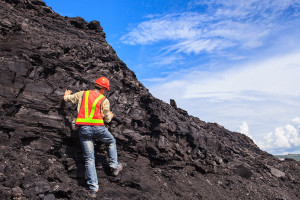
Learn more about how to become a Geoscientist >>>
Hydrographic Surveyor

Learn more about how to become a Hydrographic Surveyor >>>
Landscape Architect

Learn more about how to become a Landscape Architect >>>
Nuclear Engineer

Learn more about how to become a Nuclear Engineer >>>
Petroleum Engineer
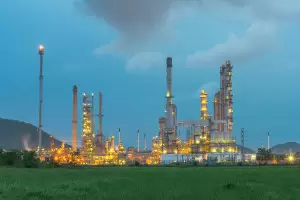
Learn more about how to become a Petroleum Engineer >>>
Petrologist

Petrologists are a specific type of geologist that specializes in understanding the origin, makeup, structure, and distribution of different rocks. They are often hired by private mining and oil companies to figure out the best way to extract precious minerals and other natural resources from certain kinds of rock. Universities and museums may also hire them to study and analyze different kinds of rocks for scientific purposes. These scientists split their time between collecting samples in the field and utilizing complex technological equipment in the lab. The number of positions in Petrology and other geosciences is expected to increase by 16% in the next ten years because of the world’s increased need for natural resources. All of these scientists require at least a bachelor’s degree to enter the field, though many go on to earn master’s degrees and even doctorates as well.
Learn more about how to become a Petrologist >>>
Soil Conservation Technician
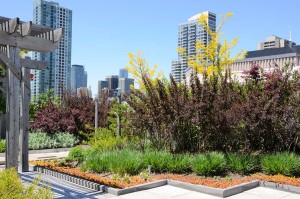
Are you technically minded? Do you enjoy scientific testing and analysis? Would you like to work partly in the outdoors? Soil conservation technicians assist soil conservationists in the implementation of complete resource management system plans. They are also responsible for surveying, designing, engineering plan preparation, and construction inspection. A lot of soil conservation technicians work in agriculture with local government or land developers.
Learn more about how to become a Soil Conservation Technician >>>
Solar Engineer
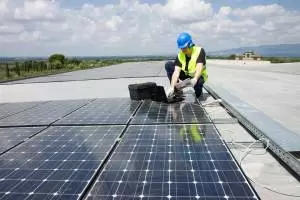
Learn more about how to become a Solar Engineer >>>
Sustainability Program Coordinator

Sustainability Program Coordinators are vital for the design, implementation and logistics of an organization’s sustainability program. They work with stakeholders such as decision-makers, the public, service users and those responsible for putting plans of action into practice. Their skills are practical, requiring a broad knowledge of sustainability issues but with an understanding of the processes of business decisions, costing, human resources and the organization’s scope also. They thrive on problem-solving and enjoy the planning process.
Learn more about how to become a Sustainability Program Coordinator >>>
Sustainability Specialist

Learn more about how to become a Sustainability Specialist >>>
Turf Scientist

Learn more about how to become a Turf Scientist >>>
Water Resource Engineer
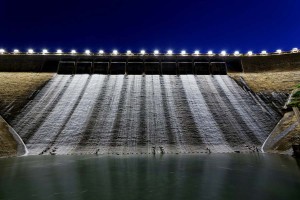
Learn more about how to become a Water Resource Engineer >>>
Watershed Manager

Learn more about how to become a Watershed Manager >>>
Watershed Science Technician

Learn more about how to become a Watershed Science Technician >>>
Wetland Specialist
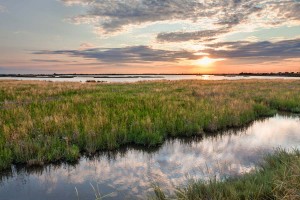
Learn more about how to become a Wetland Specialist >>>
Wind Energy Engineer
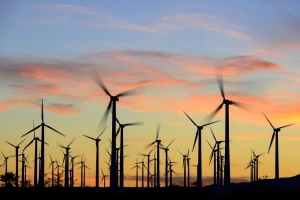
Wind turbines have very sleek geometric designs. But while they appear to be simple, a substantial amount of effort goes into the materials, mechanics, and electronics used to make them. Creating and installing a single wind turbine is a significant challenge; constructing efficient wind farms that involve networks of turbines is still more complicated. Wind energy engineers are the experts who design and improve wind farms. Their work is moving this small but growing clean energy sector forward.
Learn more about how to become a Wind Energy Engineer >>>
Zoning Technician

Learn more about how to become a Zoning Technician >>>