Aquatic biologists study freshwater ecosystems including rivers, lakes, wetlands, and ponds, researching fish populations, plankton, algae, and aquatic plants while monitoring water quality and pollution levels. Classified under the broader Bureau of Labor Statistics category of Environmental Scientists and Specialists, these professionals earned a median salary of $80,060 as of May 2024, with employment projected to grow 6% through 2032, resulting in approximately 6,900 total annual openings including new positions and replacements for workers retiring or changing careers.
Aquatic Biology represents a vital specialization within biological sciences, focusing on the freshwater ecosystems that sustain life across our planet. If you're drawn to rivers, lakes, wetlands, and ponds, and if you're curious about the complex organisms that inhabit these environments, this field offers meaningful work at the intersection of conservation, research, and environmental protection.
Aquatic biologists bridge the gap between scientific discovery and practical conservation. They study wetlands, rivers, lakes, ponds, and river mouths, developing expertise in the fish, invertebrates, plankton, algae, and plants that populate these critical habitats. Their work directly influences water quality standards, habitat restoration projects, and conservation policies that protect freshwater resources for future generations.
While closely related to marine biologists who focus on saltwater ocean environments, aquatic biologists specialize in the unique challenges facing inland water systems. These freshwater ecosystems face distinct conservation pressures from agricultural runoff, urban development, invasive species, and climate change, which differ significantly from those in marine ecosystems.
What Does An Aquatic Biologist Do?
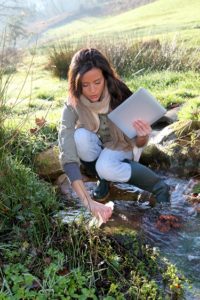
Aquatic biologists balance fieldwork, laboratory analysis, and technical communication throughout their careers. Your typical week might include collecting water samples from a restored wetland, analyzing aquatic invertebrate populations under a microscope, and preparing reports for environmental impact assessments. The work varies significantly by sector and specialization, but most positions share several core responsibilities that blend outdoor field research with rigorous scientific analysis.
Research & Data Collection
Field research forms the foundation of aquatic biology work. You'll design and conduct surveys of fish populations, monitor water-quality parameters such as dissolved oxygen and nutrient levels, collect biological samples using nets and traps, and document environmental conditions across seasons. This work often involves wading through streams, operating watercraft on lakes and rivers, and using specialized equipment such as electrofishing gear and plankton nets. Depending on your region and the ecosystems you study, fieldwork may be seasonal, with intense activity during fish spawning seasons, migration periods, or low-flow summer conditions when water quality concerns peak.
Conservation and monitoring work connect directly to environmental policy. You might assess pollution levels in rivers and lakes, study the effects of nutrient loading on aalgalblooms, evaluate the success of habitat restoration, or track the impact of invasive species on native aquatic communities. This applied research helps state and federal agencies make evidence-based decisions about water quality standards and conservation priorities.
Laboratory Analysis & Modeling
Laboratory work complements field observations by providing a controlled environment for detailed analysis. You'll identify species using microscopy and taxonomic keys, analyze water chemistry through various testing protocols, use biological modeling software to predict population changes under different management scenarios, and develop hypotheses for future research. Proficiency with statistical software like R or SPSS, GIS mapping tools such as ArcGIS or QGIS, and database management becomes essential as you advance in your career and take on more complex analytical responsibilities.
Modeling tools enable aquatic biologists to simulate ecosystem dynamics, forecast the impacts of proposed developments on water quality, predict fish population responses to harvest regulations, and evaluate the effects of climate change on aquatic habitats. These quantitative skills increasingly separate entry-level technicians from biologists who advance to project leadership and research design roles.
Communication & Collaboration
Technical communication occupies a significant portion of most aquatic biologists' schedules. You'll write scientific reports and environmental assessments, present findings to non-technical stakeholders at public meetings, collaborate with engineers on habitat restoration projects, contribute to regulatory permitting processes, and explain complex ecological concepts to policymakers and community members. Strong writing skills and the ability to translate technical findings into accessible language separate effective aquatic biologists from those who struggle to advance beyond purely technical roles.
Working with specialists from other disciplines becomes routine. You might partner with hydrologists studying streamflow patterns, coordinate with wildlife biologists tracking waterfowl populations, consult with water resources engineers designing fish passage structures, or advise wetland specialists on restoration ecology. These collaborative projects require flexibility, clear communication, and respect for different professional perspectives.
Senior aquatic biologists transition into more strategic roles, including project management, team leadership, regulatory consultation, and business development. These positions require negotiation skills when working with diverse stakeholders, budget management experience for grant-funded projects, and the ability to mentor junior scientists while maintaining technical expertise in your specialized field.
Where Does An Aquatic Biologist Work?
The majority of aquatic biologists work for government agencies, reflecting the central role of public institutions in environmental conservation and natural resource management. Federal employers include the Environmental Protection Agency (EPA), the US Geological Survey (USGS), the NationUSark Service, the US Fish and Wildlife Service, and various branches of the Department of the Interior. These positions often focus on policy development, long-term monitoring programs, endangered species protection, and scientific research supporting regulatory decisions.
State-level opportunities appear in departments of environmental quality, natural resources, and fish and wildlife agencies. These roles typically involve water quality monitoring, development of fishing regulations, habitat assessment for development projects, and public education programs. State positions often provide more direct field experience and closer connections to specific watersheds or lake systems compared to federal roles.
The nonprofit conservation sector offers another central employment avenue. Organizations such as The Nature Conservancy, local watershed associations, river trusts, and land conservancies hire aquatic biologists for conservation initiatives, restoration project management, public outreach, and advocacy. Competition for these positions runs high due to their mission-driven nature and direct conservation impact, but they offer meaningful work advancing freshwater protection.
Aquariums, zoos with aquatic exhibits, and natural history museums offer specialized opportunities to work with live collections, develop educational programs, conduct applied research on captive breeding, and engage public audiences. These positions combine animal husbandry, education, and conservation messaging, though openings remain limited and highly competitive.
Private sector opportunities span environmental consulting firms conducting impact assessments for development projects, biotechnology companies developing treatments and materials from aquatic organisms, and water testing laboratories providing analytical services. Consulting work tends to be project-based and deadline-driven, with variable workloads depending on client needs and regulatory cycles. Some aquatic biologists find the applied problem-solving and diversity of projects in consulting more engaging than government monitoring roles.
Regardless of sector, aquatic biologists split time among outdoor field sites, climate-controlled laboratories, and office environments. Field conditions range from wading through mountain streams to collecting samples from boats on large reservoirs. Laboratory work involves microscopy, water chemistry analysis, and specimen identification in controlled settings. Office time covers data analysis, report writing, grant proposal development, and stakeholder coordination.
Aquatic Biologist Salary & Compensation
As of May 2024, aquatic biologists, who fall under the broader Bureau of Labor Statistics category of Environmental Scientists and Specialists, Including Health, earned a median annual salary of $80,060. The mean salary reached $88,640, reflecting higher compensation for experienced professionals in specialized roles or leadership positions. Entry-level positions typically start around $50,130 (10th percentile), while senior biologists and those in federal government or private sector leadership roles can earn upwards of $134,830 (90th percentile).
Federal government positions offer the highest median compensation, with the BLS reporting median salaries of approximately $81,530 for environmental scientists in federal agencies as of recent data. These positions often include comprehensive benefits packages, including retirement contributions, health insurance, and job stability, that add significant value beyond base salary. State government roles typically offer slightly lower compensation but still provide substantial benefits and work-life balance compared to private-sector consulting positions.
Geographic location significantly influences earning potential. Aquatic biologists in coastal states with strong environmental regulations, large metropolitan areas with high costs of living, and regions with active natural resource industries tend to command higher salaries. Specialization also impacts compensation. Expertise in threatened species, invasive species management, or water quality modeling can increase market value for both government and consulting positions.
Career progression brings steady salary increases. Biologists with 5-10 years of experience and advanced degrees often transition into project management roles with salaries in the $90,000-$110,000 range. Senior scientists leading research programs or managing consulting teams can exceed $120,000, particularly in private sector firms or as independent consultants serving multiple clients.
Job Outlook & Career Growth
The Bureau of Labor Statistics projects 6% employment growth for environmental scientists and specialists between 2022 and 2032, adding approximately 4,800 new positions nationally. When accounting for retirements, career changes, and other workforce transitions, the occupation expects approximately 6,900 total annual openings, including both newly created positions and replacements for workers leaving the field. This creates steady opportunities for qualified candidates entering the profession or advancing within it.
Job demand depends heavily on government commitments to environmental protection, water quality standards, and climate change mitigation. Increased public awareness of water scarcity, harmful algal blooms, and freshwater ecosystem degradation drives demand for aquatic biology expertise. Federal infrastructure investments in wetland restoration, dam removal, and water quality improvements create project-based employment opportunities, though these can fluctuate with political priorities and budget cycles.
Climate change adaptation work represents a growing niche within aquatic biology. Agencies need professionals who can assess climate impacts on coldwater fisheries, model the effects of drought on aquatic habitats, develop conservation strategies for climate-vulnerable species, and advise on water resource management under changing precipitation patterns. This emerging focus area offers opportunities for biologists who develop expertise in climate science alongside traditional aquatic ecology skills.
The career trajectory for aquatic biologists follows a predictable pattern. Entry-level positions as field technicians or research assistants involve hands-on data collection, sample processing, and fundamental analysis under supervision. With 2-3 years of experience and often a master's degree, biologists transition to project leadership roles where they design studies, manage field crews, and take primary responsibility for deliverables.
Work schedules vary significantly by employment sector. Government positions generally offer predictable 40-hour workweeks, with occasional intensive fieldwork during critical monitoring periods, such as fish-spawning seasons or after flood events. Environmental consulting involves more variable schedules with deadline-driven project cycles that can require long hours during busy seasons. Academic research positions affiliated with universities offer the most flexibility but may require evening or weekend commitments around teaching responsibilities or grant deadlines.
Career advancement often means trading fieldwork time for administrative and strategic responsibilities. Senior biologists spend more time writing proposals, managing budgets, attending stakeholder meetings, and supervising staff. Some professionals maintain hands-on field involvement through seasonal volunteer monitoring programs or adjunct teaching roles, thereby preserving direct connections to the research and ecosystems that initially drew them to the field.
Education Requirements
While "Aquatic Biology" isn't always offered as a standalone degree program, many universities provide specializations, concentrations, or certificate programs in freshwater ecology, limnology, and aquatic sciences. Students typically major in biology, environmental science, marine biology, zoology, or ecology, then focus coursework and research on freshwater systems through strategic elective selection and thesis work. This flexible approach allows you to develop specialized knowledge while earning a widely recognized degree that doesn't limit career options.
Bachelor's Degree (Entry Point)
Most aquatic biologists begin with a bachelor's degree in biology, environmental science, marine biology, zoology, or related biological sciences. Choose programs offering freshwater ecology courses, field research opportunities, and training in statistics, GIS, and water chemistry. A Bachelor of Science (BS) provides more research-focused preparation than a Bachelor of Arts (BA), making it preferable for laboratory and field research positions. The BS typically requires more mathematics, chemistry, and quantitative coursework that proves valuable throughout your career.
During undergraduate studies, prioritize gaining field experience through summer internships with state fish and wildlife agencies, seasonal technician positions with environmental consulting firms, or undergraduate research projects involving local water bodies. This hands-on experience distinguishes competitive candidates when applying for entry-level positions after graduation. Many students also develop proficiency with research equipment, field techniques, and species identification during these formative experiences.
Related degree options include environmental biology and fish and wildlife management programs, both of which provide excellent foundations for careers in aquatic biology. aquatic biology. The key is selecting programs that offer aquatic-focused coursework and field research opportunities rather than purely terrestrial or marine emphasis.
Master's Degree (Career Advancement)
A master's degree opens doors to specialized roles in conservation planning, water quality management, environmental consulting, and research coordination. Many professionals pursue MS degrees in aquatic biology, fisheries science, limnology, or environmental science while working in entry-level positions, using their field experience to inform graduate research questions. Graduate programs typically require 2-3 years, including thesis research on a freshwater ecosystem topic that contributes original knowledge to the field.
Master's-level education significantly expands career options and earning potential. Government agencies often require graduate degrees for biologist positions (rather than technician positions). Consulting firms value the advanced analytical skills and project management experience gained during thesis research. The master's degree also offers opportunities to specialize in high-demand niches such as invasive species ecology, stream restoration, or water quality modeling.
When selecting graduate programs, prioritize faculty expertise in your areas of interest, access to diverse aquatic field sites for research, and strong connections to potential employers through internship programs or collaborative projects. The relationships you build and the reputation you establish during graduate school often prove as valuable as the degree itself for launching your career.
Doctoral Degree (Research & Academia)
PhDs are primarily necessary for university teaching positions, leading major research programs, and senior roles in government agencies or large conservation organizations. Unless you intend to pursue academic research, university-level teaching, or highly specialized technical leadership roles, you likely won't need a doctorate. The 4-6 year commitment and opportunity costs make PhD programs best suited for those with clear research ambitions and long-term academic or high-level research goals.
Doctoral programs require original research that advances scientific understanding of aquatic ecosystems. This might involve developing new conservation strategies, discovering previously unknown ecological relationships, creating predictive models with broader applications, or resolving long-standing questions in freshwater biology. The dissertation process develops deep expertise in a specific area while teaching advanced research design, statistical analysis, and scientific communication skills.
Essential Skills & Qualifications
Success as an aquatic biologist requires blending scientific knowledge, technical proficiency, and interpersonal skills. While specific requirements vary by employer and role, most positions expect competency in several key areas, including field research, analytical skills, and communication.
Technical Skills
Field research proficiency includes water-quality testing procedures, biological sampling using nets and traps, fish identification across multiple species and life stages, and aquatic invertebrate taxonomy. You'll need comfort with scientific equipment, including dissolved-oxygen meters, GPS units, water-quality sondes, and electrofishing gear. Physical stamina matters. Expect to wade through streams, carry equipment over uneven terrain, and work in variable weather conditions from freezing winter sampling to hot summer field days.
Laboratory skills span microscopy for species identification, specimen preservation techniques, water chemistry analysis, and proper handling of biological samples. Attention to detail is critical for identifying subtle differences between similar species and detecting small changes in water quality parameters that signal larger ecosystem problems.
Data analysis capabilities become increasingly important throughout your career. Employers expect proficiency with statistical software like R or SPSS for analyzing population trends and detecting patterns in environmental data. GIS mapping skills using ArcGIS or QGIS help visualize spatial patterns in water quality, habitat distribution, or species occurrence. Database management and spreadsheet expertise prove fundamental for organizing field observations, maintaining long-term monitoring records, and extracting insights from large datasets.
Soft Skills
Strong written communication separates competent technicians from advancing professionals. You'll write technical reports summarizing research findings, environmental assessments evaluating project impacts, grant proposals seeking research funding, and scientific papers contributing to peer-reviewed literature. The ability to explain complex ecological concepts clearly and concisely becomes essential regardless of career path.
Oral communication matters equally. You'll present findings at professional conferences, explain monitoring results to non-scientific stakeholders at public meetings, train field crews on proper sampling protocols, and coordinate with engineers, policymakers, and community members who need to understand your work. Translating technical jargon into accessible language that maintains scientific accuracy requires practice and conscious effort.
Collaboration skills are essential, as most projects involve multidisciplinary teams. You'll work alongside hydrologists, engineers, water conservation specialists, policy analysts, and community representatives, each bringing different professional perspectives and priorities. Success requires active listening, respect for diverse viewpoints, and finding common ground when conflicts arise.
Time management and organization matter more than many entering the field expect. Balancing multiple field projects with different sampling schedules, managing laboratory analysis workflows, meeting report deadlines, and maintaining equipment requires systematic approaches and attention to detail. The ability to prioritize competing demands and adapt when unexpected field conditions or equipment failures disrupt carefully laid plans distinguishes professionals who thrive from those who struggle.
Professional Organizations & Resources
Aquatic Biology is a recognized discipline with professional organizations dedicated to freshwater conservation and biological research. These societies provide networking opportunities, professional development, access to current research, and advocacy platforms for freshwater protection.
Fresh Water Society: Founded in 1965 following heightened awareness of freshwater contamination from a series of hurricanes, the Fresh Water Society promotes the conservation and protection of freshwater bodies across the United States. The organization provides educational resources, coordinates restoration projects, and advocates for policies protecting inland water systems.
Freshwater Biological Association (UK-based): Established in 1929, the FBA stands as one of the foremost freshwater research, education, and protection organizations globally. While based in the United Kingdom, the organization maintains international connections, hosts regular meetings, organizes conferences, and publishes influential research that shapes freshwater biology worldwide. Their resources prove valuable for aquatic biologists regardless of geographic location.
Society for Conservation Biology - Freshwater Working Group: The Society for Conservation Biology addresses the conservation of biological life across all habitats, with its Freshwater Working Group (FWWG) founded in 2003 to address issues related to freshwater systems. This specialized group within the larger organization connects professionals focused on rivers, lakes, wetlands, and the unique conservation challenges these environments face.
Frequently Asked Questions
What's the difference between an aquatic biologist and a marine biologist?
Aquatic biologists focus on freshwater ecosystems like rivers, lakes, wetlands, and ponds, while marine biologists study saltwater ocean environments. Both fields share similar research methods and educational requirements, but aquatic biologists spend their careers studying inland water systems with their unique organisms, conservation challenges, and ecological dynamics. The distinction matters because freshwater and marine systems face different environmental pressures. Agricultural runoff and dam impacts affect freshwater, while ocean acidification and overfishing affect marine systems.
Do I need a PhD to work as an aquatic biologist?
Most entry-level and mid-career positions require only a bachelor's or master's degree. PhDs are primarily required for academic research positions, university teaching roles, or senior leadership positions in government agencies and large conservation organizations. Many successful aquatic biologists build fulfilling careers with a master's degree, substantial field experience, and specialized expertise in areas such as water quality modeling, endangered species management, or stream restoration.
What percentage of aquatic biology work is field-based versus lab-based?
The balance varies significantly by role and employer. Government monitoring positions might involve 60-70% fieldwork, especially during critical seasons, such as fish-spawning periods or after weather events that affect water quality. Research roles in consulting or academia often split time roughly 50/50 between field sampling and laboratory analysis. Private-sector positions in water-testing laboratories or biotechnology firms tend to be more lab-focused unless explicitly designated as field research roles. Most aquatic biologists appreciate the variety that comes from combining outdoor fieldwork with controlled laboratory analysis.
Can I specialize in a specific type of aquatic ecosystem or organism?
Absolutely. Many aquatic biologists develop deep expertise in particular ecosystem types, such as mountain streams, prairie pothole wetlands, Great Lakes coastal zones, or reservoir systems. Others specialize in specific organism groups such as native freshwater mussels, coldwater trout species, aquatic insects, or algal communities. You can focus your coursework, thesis research, internships, and early-career positions on your area of interest. Specialized knowledge of threatened ecosystems or rare species often creates a competitive advantage when applying for conservation-focused positions.
What are the best undergraduate majors for aspiring aquatic biologists?
Biology, environmental science, marine biology, zoology, and ecology all provide strong foundations for careers in aquatic biology. The specific significant matters less than choosing programs that offer freshwater ecology coursework, access to aquatic field sites for research, and professors conducting relevant research. Prioritize programs that offer hands-on experience in water quality monitoring, species identification, and field sampling techniques. Internships with state fish and wildlife agencies, environmental consulting firms, or university research labs provide crucial practical experience that distinguishes competitive candidates regardless of their specific degree title.
Key Takeaways
- Competitive Compensation: Aquatic biologists fall under the broader Bureau of Labor Statistics category of Environmental Scientists and Specialists, which reported a median salary of $80,060 annually as of May 2024. Experienced professionals in federal government or specialized private sector roles can reach $134,830, while entry-level positions typically start around $50,130, providing clear pathways for salary growth through experience and advanced education.
- Steady Job Growth: Environmental scientists and specialists, including aquatic biologists, face projected 6% employment growth through 2032, resulting in approximately 6,900 total annual openings when including new positions and replacements for workers retiring or transitioning to other careers. Climate change adaptation work and increased focus on freshwater conservation drive demand for qualified professionals.
- Diverse Work Settings: Career opportunities span federal agencies such as EPA and the U.S. Fish and Wildlife Service, state environmental departments, nonprofit conservation organizations, environmental consulting firms, aquariums and museums, and private biotechnology companies. Each sector offers different balances of fieldwork, laboratory analysis, and policy work.
- Flexible Education Paths: Entry-level positions require a bachelor's degree in biology or a related field, with coursework emphasizing freshwater ecology. Master's degrees open doors to project leadership and specialized roles, while PhDs are primarily necessary for academic research and senior government positions. Strategic internship selection and field experience often matter as much as degree credentials.
- Balanced Skill Requirements: Success requires combining technical field research capabilities (water quality testing, species identification, sampling techniques) with analytical skills (statistics, GIS, modeling) and strong communication abilities to explain complex ecological concepts to diverse audiences, including policymakers and community stakeholders.
Ready to explore freshwater ecosystems as your career? Discover degree programs in aquatic biology, environmental science, and related fields that prepare you for rewarding conservation work protecting rivers, lakes, and wetlands.
2024 US Bureau of Labor Statistics salary and job growth figures for Environmental Scientists and Specialists, including Health, reflect national data, not school-specific information. Conditions in your area may vary. Data accessed January 2026.