An ecotourism guide leads sustainable travel experiences that prioritize environmental conservation and cultural respect. These guides combine environmental knowledge with tourism expertise, educating travelers about ecosystems, conservation challenges, and responsible travel practices. The field is growing as more travelers seek meaningful, low-impact adventures that support local communities and protect natural habitats.
If you're passionate about both environmental conservation and helping others experience nature responsibly, ecotourism guiding might be your calling. Travel has exploded in recent years—and with it, a growing awareness of tourism's environmental impact. From coral reefs threatened by overcrowding to trails eroded by foot traffic, popular destinations worldwide face mounting pressure.
That's where ecotourism comes in. Rather than asking travelers to stop exploring, ecotourism guides help people travel mindfully. You'll educate visitors about fragile ecosystems, support carbon-neutral operations, and promote practices that benefit local communities. Whether leading rainforest treks, organizing wildlife observation tours, or facilitating cultural exchanges, ecotourism guides make responsible travel possible.
As climate awareness grows, so does demand for guides who understand sustainability, local environmental issues, and how global travel impacts local ecosystems and wildlife. You'll need knowledge of local customs, regional history, and how your destination connects to broader environmental challenges.
What Does an Ecotourism Guide Do?
Ecotourism guides wear many hats—educators, interpreters, logistics coordinators, and environmental advocates. On any given day, you might lead a group through a cloud forest explaining endemic species, arrange low-impact accommodations, or help travelers understand how their visit supports conservation funding.
Your primary role is education. Unlike traditional tour guides who focus mainly on entertainment or sightseeing, you're teaching environmental science in action. You'll explain how deforestation affects watersheds, why certain species are endangered, or how eco-lodges implement renewable energy. Many ecotourism guides work with travelers who specifically chose sustainable tourism—they want to learn, not just observe.
The work combines outdoor leadership with cultural interpretation. You'll coordinate with local communities, ensure groups follow Leave No Trace principles, and handle logistical challenges (weather changes, equipment needs, accessibility concerns). Strong communication skills matter as much as environmental knowledge—you're translating complex ecological concepts for audiences ranging from school groups to retirees.
Related careers in outdoor education and conservation include park rangers and naturalists, who perform similar interpretive work in protected areas, and sustainability specialists, who work with tourism operators to reduce environmental impact.
Where Does an Ecotourism Guide Work?
Geographic Destinations
Ecotourism guides work wherever natural environments and cultural heritage intersect with tourism. Popular destinations include:
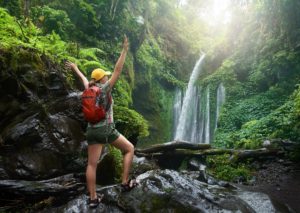
- Tropical rainforests - Costa Rica, Ecuador, Borneo, and the Amazon Basin attract travelers interested in biodiversity hotspots
- National parks and wilderness areas - From Yellowstone to the Galápagos Islands, protected areas need guides who understand conservation
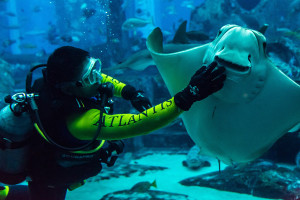
- Coastal and marine environments - Coral reefs, mangroves, and coastal ecosystems draw snorkeling and diving-focused ecotourism
- Mountain regions - Alpine environments and high-altitude ecosystems require specialized knowledge and physical endurance
- Urban ecotourism - Cities with green initiatives, wildlife corridors, or environmental restoration projects increasingly offer eco-focused tours
International opportunities abound, though work visas and language requirements vary by country. Many guides start domestically and expand internationally as they gain experience.
Employment Sectors
Ecotourism is a niche within the broader travel industry. According to the BLS, approximately 38,800 people were employed as tour and travel guides in the U.S. in 2022. Ecotourism represents a specialized subset.
Where ecotourism guides find employment:
- Ecotourism companies and adventure travel operators (30-40%) - Specialized firms focusing on sustainable, educational travel experiences
- Museums and nature centers (20-25%) - Traditional and interactive museums hire guides for educational programs and facility tours
- Scenic and sightseeing tour operators (15-20%) - Companies offering destination tours with environmental or cultural interpretation
- Conservation organizations and non-profits (10-15%) - Environmental groups that conduct educational programs or fundraising trips
- Eco-lodges and sustainable resorts (10-15%) - On-site naturalists and activity coordinators at environmentally-focused accommodations
- Freelance/independent operators (10-20%) - Self-employed guides building their own client base and tour offerings
Many guides work seasonally or combine ecotourism with related work, such as environmental education or conservation fieldwork, during the off-season.
What Is the Average Ecotourism Guide Salary?
Salary expectations for ecotourism guides vary significantly based on experience, location, employment type, and seasonal factors. According to the most current BLS data (2022), the median annual salary for tour and travel guides (SOC 39-7018) is $34,300. The lowest 10% earn approximately $23,460, while the top 10% earn more than $46,080.
Important context about ecotourism guide earnings:
- Seasonal nature of work - Many positions are seasonal or contract-based, meaning annual earnings may reflect 6-9 months of active work rather than year-round employment
- Tips and gratuities - Tour guides often earn 15-30% of their income through tips, which aren't captured in base salary figures
- International vs. domestic - Salary ranges differ dramatically by country and region; guides working internationally may earn less in base pay but benefit from provided housing and meals
- Freelance considerations - Self-employed guides have higher earning potential but also cover their own insurance, equipment, marketing, and irregular income
Salary by Experience Level
| Experience Level | Annual Salary Range | Key Factors |
|---|---|---|
| Entry-Level Guide (0-2 years) | $23,000 - $30,000 | Seasonal work, learning specialized knowledge, building client base, often supplemented with tips |
| Experienced Guide (3-7 years) | $30,000 - $40,000 | Specialized certifications, language skills, established reputation, year-round opportunities |
| Senior Guide/Trip Leader (8+ years) | $40,000 - $50,000 | Training other guides, complex expedition leadership, international experience, niche expertise |
| Business Owner/Operator | $45,000 - $75,000+ | Entrepreneurial income varies widely based on business success, client volume, and operational costs |
Geographic location also significantly impacts earnings. Guides working in high-cost tourism destinations (Alaska, Hawaii, and popular national parks) typically earn more than those in less-visited regions.
Ecotourism Jobs & Job Description
Ecotourism is a specialized segment within the broader travel industry, so job descriptions overlap significantly with traditional tour guiding but with crucial environmental distinctions. Ecotourism guides must understand environmental issues affecting our planet, the tourism industry's impact, and destination-specific conservation challenges.
Core ecotourism guide responsibilities:
- Design eco-focused itineraries: Apply knowledge of travel routes, destination sites, and their environmental assets and sustainability challenges to create meaningful travel experiences
- Coordinate sustainable logistics: Arrange accommodations, transportation, equipment, and support services while prioritizing carbon offsets, alternative fuel options, and minimizing tourism's environmental footprint
- Lead interpretive experiences: Guide individuals or groups to sites while describing points of interest with particular attention to environmental context, ecological relationships, and conservation issues
- Educate on responsible practices: Provide advice to participants on environmentally-friendly sightseeing, shopping, and behavior that supports local communities and ecosystems
- Manage trip logistics: Verify equipment quality and quantity, ensure medical preparedness, resolve itinerary issues, and maintain safety throughout experiences
- Evaluate and improve: Gather customer feedback, supervise activities, document environmental impacts, and report findings to management for continuous improvement
- Interpret cultural and natural history: Serve as cultural interpreter, translator, and educator, requiring deep knowledge of local ecology, history, and customs
Additional responsibilities for senior guides and business owners:
- Staff management: Hire, train, and supervise fellow ecotourism guides and support staff
- Financial operations: Maintain account records, manage budgets, process payments, and handle business financial planning
- Marketing and sales: Promote ecotourism products and services, develop tour packages, and build customer relationships
- Partnership development: Build relationships with sustainable travel businesses, conservation organizations, local communities, and destination services
- Customer service: Resolve complaints, ensure quality experiences, and maintain reputation in the industry
What Is the Job Demand for Ecotourism Guides?
Job demand for tour and travel guides is projected to grow by 8% between 2022 and 2032, faster than the average for all occupations. This growth reflects several trends that favor ecotourism.
First, travel has rebounded strongly post-pandemic, with travelers increasingly prioritizing meaningful experiences over conventional tourism. Climate awareness continues rising, especially among younger travelers who actively seek sustainable options. Many are willing to pay premium prices for travel that supports conservation and local communities.
Second, destinations worldwide are developing ecotourism infrastructure as an alternative to mass tourism. Protected areas, indigenous territories, and rural communities see ecotourism as a way to generate income while preserving their environments. This creates new positions for guides who can bridge cultural and environmental education.
Third, experiential education is growing in schools and universities. Educational travel programs, study abroad with environmental focus, and conservation volunteer trips all need qualified guides who understand both pedagogy and ecology.
However, job stability challenges remain. Much ecotourism work is seasonal, tied to weather patterns, school schedules, or wildlife viewing seasons. Building a year-round income often requires diversification—combining guiding with environmental education, outdoor recreation programming, or conservation work. Many successful ecotourism guides work seasonally in multiple locations or supplement guiding with freelance writing, photography, or online education.
What Are the Education Requirements to Become an Ecotourism Guide?
Here's the straightforward answer: you don't legally need a college degree to become an ecotourism guide, but education significantly improves your competitiveness and expertise.
Minimum Requirements
Most entry-level ecotourism positions require:
- High school diploma or equivalent: Minimum education for most tour guide positions
- Demonstrable environmental knowledge: Understanding of ecology, conservation, and sustainability principles—gained through coursework, self-study, or volunteer experience
- Strong communication skills: Confident public speaking, clear written communication, and the ability to engage diverse audiences
- Cultural sensitivity: Awareness and respect for different cultures, especially important for international work
- Physical fitness: Many positions involve hiking, outdoor activities, and physically demanding work in challenging environments
Degree Programs That Help
While not required, relevant degrees give you a competitive advantage and deeper expertise. Useful programs include:
- Environmental studies - Broad interdisciplinary foundation in environmental issues
- Sustainability - Focus on sustainable practices and systems thinking
- Ecology or biology - Scientific understanding of ecosystems and species
- Cultural anthropology - Insight into cultural systems and practices
- International studies or global politics - Understanding of international affairs and cross-cultural dynamics
- Recreation management or outdoor education - Training in program design and outdoor leadership
- Geography or earth sciences - Understanding of physical landscapes and unique geographic features
Ecotourism - Related Degrees
Certifications and Training That Set You Apart
Professional certifications demonstrate competence and commitment. Valuable credentials include:
- Leave No Trace Trainer: Widely recognized certification in outdoor ethics and minimal-impact practices
- Wilderness First Aid (WFA) or Wilderness First Responder (WFR): Essential for guides working in remote areas without immediate medical access
- Language certifications: DELE (Spanish), DELF (French), or other recognized language proficiency credentials
- Interpretive guide training: Programs through the National Association for Interpretation (NAI) teach effective environmental education techniques
- Specialized environmental knowledge: Certifications in birding, marine biology, botany, or other specialties relevant to your destination
- CPR and Standard First Aid: Basic requirement for most tour operators
Essential Skills
Communication excellence: You'll need confident public speaking, excellent verbal and written communication, and the ability to explain complex environmental concepts to varied audiences—from children to experts.
Languages: Multilingual guides have tremendous advantages. If you're working in South America, Spanish fluency is invaluable. In parts of Africa, French matters. Southeast Asian destinations benefit from Mandarin or regional languages. The more languages you speak, the more groups you can serve, as tour companies increasingly organize international trips with multi-national participants.
Calm under pressure: Weather changes, medical situations, interpersonal conflicts, and logistical challenges require clear thinking and decisive action. You're responsible for both group safety and experience quality.
Environmental expertise: You'll answer endless questions about local species, ecological relationships, conservation challenges, and environmental science. Continuous learning is essential—ecotourism guides are educators first.
Cultural competence: Sensitivity to both client cultures and host community cultures prevents misunderstandings and ensures respectful interactions. This skill can't be overstated for international work.
Career Progression in Ecotourism
Most ecotourism guides follow a progression path that builds expertise, responsibility, and income over time:
Entry-level guide (Years 0-2): You'll start with day trips or short excursions, often working under senior guides. Expect seasonal work, learning destination-specific knowledge, and building your interpretation and group management skills.
Experienced guide (Years 3-7): With a reputation established, you'll lead multi-day trips, develop specialized knowledge (bird identification, marine ecosystems, cultural history), and potentially work year-round by moving between seasonal destinations.
Senior guide or expedition leader (Years 8+): You're leading complex international expeditions, training new guides, developing tour itineraries, and working with conservation organizations. Some guides at this level consult on environmental planning and sustainable development for tourism destinations.
Business owner or operator: Many experienced guides launch their own ecotourism businesses, gaining income potential but also taking on financial risk, marketing responsibilities, and operational headaches.
What Kind Of Societies and Professional Organizations Do Ecotourism Guides Have?
Ecotourism is a growing global movement. These organizations provide education, networking, standards development, and professional support:
- The International Ecotourism Society (TIES) - The largest global organization dedicated to ecotourism, TIES has led the development of industry standards and best practices since 1990. They provide resources for professionals, research publications, and guidance on certification.
- Hawaii Ecotourism Association - Hawaii's volcanic landscapes and fragile island ecosystems require specialized knowledge and conservation-focused tourism. This association supports sustainable tourism development throughout the Hawaiian Islands and provides professional development for guides working in these unique environments.
- United Nations World Tourism Organization (UNWTO) - The UN agency responsible for promoting sustainable tourism worldwide, UNWTO establishes international tourism policies, conducts research, and provides technical assistance to countries developing ecotourism infrastructure.
- National Association for Interpretation (NAI) - While not exclusively ecotourism-focused, NAI provides excellent training and certification for interpretive guides, environmental educators, and heritage tourism professionals.
Frequently Asked Questions
Do I need a degree to become an ecotourism guide?
No, a college degree isn't legally required to work as an ecotourism guide. Most entry-level positions accept applicants with a high school diploma if they demonstrate environmental knowledge, strong communication skills, and relevant experience through volunteering or self-study. However, degrees in environmental studies, sustainability, ecology, or related fields significantly improve your competitiveness and provide deeper expertise that enhances your guiding quality. Many successful guides have degrees, but many others have built careers through practical experience, certifications, and continuous learning.
How much do ecotourism guides make annually?
According to current BLS data (2022), tour and travel guides (which include ecotourism guides) earn a median annual salary of $34,300. However, this figure requires context. Many ecotourism positions are seasonal (6-9 months of active work), so annual figures may not reflect year-round employment. Additionally, tips often constitute 15-30% of total income but aren't captured in official salary statistics. Experienced guides with specialized knowledge, language skills, and international experience earn significantly more than entry-level guides. Freelance guides and business owners have higher earning potential but also face income variability and business expenses.
Is ecotourism guiding a full-time career?
It can be, but many guides piece together a full-time income through strategic planning. The challenge is seasonality—most destinations have peak tourism seasons aligned with weather, wildlife activity, or school vacations. Successful year-round guides typically work in multiple locations (summer in Alaska, winter in Costa Rica, for example), combine guiding with related work (environmental education, outdoor recreation programming, conservation fieldwork), or operate their own businesses serving different markets throughout the year. Some guides embrace seasonal work, using off-seasons for travel, additional education, or personal projects. Career stability improves with experience, specialization, and business development skills.
What languages are most valuable for ecotourism guides?
English remains the most common language for international tourism, but multilingual guides have significant competitive advantages. Spanish is invaluable for work throughout Latin America, where much ecotourism takes place (Costa Rica, Ecuador, Peru, the Galápagos, the Amazon Basin). French is used in parts of Africa, French Polynesia, and Madagascar. Mandarin Chinese is increasingly valuable as Chinese tourists become major participants in ecotourism. Portuguese is essential for Brazil's Amazon region. For guides working domestically in the United States, Spanish proficiency helps serve both international visitors and Spanish-speaking American communities. The most employable guides often speak three or more languages fluently.
What's the difference between a tour guide and an ecotourism guide?
While both lead groups and provide information, ecotourism guides specialize in environmental education and sustainable practices. Traditional tour guides focus primarily on entertainment, sightseeing, and historical or cultural information. Ecotourism guides emphasize environmental science, conservation challenges, ecological relationships, and responsible travel behavior. They choose accommodations and activities based on environmental impact, educate travelers about sustainability, and often work with conservation organizations or protected areas. Ecotourism guides need deeper environmental knowledge and commitment to minimizing tourism's negative impacts while maximizing benefits to local communities and ecosystems. It's less about "showing" destinations and more about helping travelers understand and support environmental conservation.
Can I work internationally as an ecotourism guide?
Yes, but international work involves additional complexity. You'll need appropriate work visas, which vary by country and are often easier to obtain with specialized skills (such as language fluency, environmental expertise, or certifications). Some guides work for international tour companies based in their home country, leading trips abroad without requiring host-country work authorization. Others gain international experience through volunteer programs, internships with conservation organizations, or educational exchanges before pursuing paid positions. Language skills are nearly essential for international work—you'll need to communicate with local partners, handle logistics, and potentially serve multilingual groups. Research visa requirements early, as some countries restrict tourism employment to citizens or require sponsorship from established businesses.
What certifications help ecotourism guides stand out?
Several certifications significantly boost your employability and earning potential. Wilderness First Aid (WFA) or Wilderness First Responder (WFR) training is often required for guides working in remote areas without immediate medical access. Leave No Trace Trainer certification demonstrates expertise in minimal-impact outdoor practices and is widely recognized in the field. Language proficiency certifications (DELE for Spanish, DELF for French) validate multilingual abilities. Interpretive guide training through the National Association for Interpretation equips interpreters with effective environmental education techniques. Specialized knowledge certifications in birding, marine biology, botany, or wildlife tracking add niche expertise that commands premium pricing. CPR and standard First Aid are baseline requirements for most tour operators. The combination of wilderness medicine, interpretive skills, and specialized environmental knowledge creates the most marketable guides.
Key Takeaways
- Growing Field: Ecotourism guiding is expanding as climate-conscious travel increases, with 8% projected growth through 2032. Post-pandemic travelers increasingly prioritize sustainable, meaningful experiences that support conservation and local communities.
- Salary Reality: Median annual earnings are $34,300 for tour guides (BLS 2022 data), but expect seasonal work patterns and significant income from tips (15-30% of total earnings). Experienced guides with specialized skills and language fluency earn substantially more, while business owners have the highest earning potential with accompanying financial risks.
- Education Flexibility: You don't need a college degree to start, but degrees in environmental studies, ecology, sustainability, or related fields provide competitive advantages and deeper expertise. Strong communication skills, environmental knowledge, and cultural sensitivity matter more than credentials alone for entry-level positions.
- Essential Skills: Multilingual ability dramatically improves opportunities (Spanish, French, Portuguese, Mandarin most valuable). Wilderness first aid, Leave No Trace certification, and interpretive guide training separate serious professionals from casual guides. Calm under pressure and cultural competence are non-negotiable for international work.
- Career Pathways: Most guides progress from entry-level day trips to multi-day expeditions to senior roles, training others, or launching businesses. Strategic planning for year-round income often involves working multiple destinations seasonally or combining guiding with environmental education and conservation fieldwork.
Ready to explore meaningful careers that combine environmental passion with education? Discover degree programs and career paths in environmental science, sustainability, and conservation that can launch your career in ecotourism guiding.
2022 US Bureau of Labor Statistics salary and job growth figures for Tour and Travel Guides reflect national data, not school-specific information. Conditions in your area may vary. Data accessed January 2026. BLS Occupational Outlook Handbook: Tour Guides and Escorts.