

Environmental accountants track the environmental costs of business activities, identifying expenses traditionally hidden in overhead. They work in managerial, financial, or national accounting roles focused on natural resource use, pollution control, and sustainability initiatives. While environmental accounting is not separately tracked by BLS, accountants and auditors earned a median salary of $81,680 as of May 2024, with employment projected to grow 5% through 2034.
Thinking about combining your accounting skills with environmental work? Environmental accounting might be the specialization you're looking for. It's a niche field within the broader accounting profession that bridges financial expertise with environmental impact, perfect for accountants who want their work to contribute to sustainability goals while using their analytical skills in meaningful ways.
Environmental accountants do something most traditional accountants don't: they track environmental costs separately rather than lumping them into overhead. This specialization helps companies understand exactly which products and processes drive their environmental expenses, enabling more intelligent decisions about resource use, compliance strategies, and even new revenue opportunities.
What Does an Environmental Accountant Do?
Here's what surprises most people about environmental accounting: compliance cost tracking is just the starting point. Environmental accountants often identify cost savings through alternative chemicals or processes, help design cleaner products, and even find new revenue sources, such as selling waste materials.
Environmental accountants don't just track costs; they find ways to reduce them. By calculating the financial impact of different chemicals or process redesigns, they often identify solutions that benefit both the company's budget and the environment. They work closely with environmental data analysts to interpret complex datasets about resource consumption, emissions, and waste generation.
These professionals also help implement a company's environmental management system (EMS). An EMS is a voluntary management technique that ensures systematic implementation and review of customized environmental and safety best practices. Environmental accountants can be involved in planning, reviewing, and reporting on a company's EMS.
Systems that follow the international standard ISO 14001 are particularly beneficial for the credibility of companies involved in international activities. Environmental accountants may also account for the sale or trade of pollution licenses, the licensing of clean technologies, and the identification of potential new sources of income, such as waste material sales.
Environmental accountants typically work in three distinct areas:
- Managerial Accounting – Internal accounting is intended to help company management make decisions about purchasing, capital investments, product cost and pricing, process and product design, and compliance strategies. An environmental accountant may create, tweak, or document custom accounting practices and systems for their company to accomplish this.
- Financial Accounting – A form of accounting intended for external reporting. Financial accounting reports on a company's environmental costs and liabilities to investors and lenders. Financial accounting follows Generally Accepted Accounting Principles (GAAP).
- National Accounting – Accounting for a country's natural resources, including national supplies of resources like oil or timber, their economic flows, and their costs. Some environmental accountants work with environmental policy analysts on national-level resource tracking and policy recommendations.
Where Does an Environmental Accountant Work?
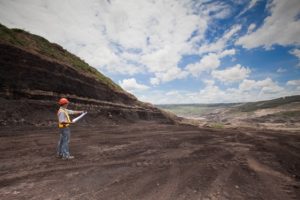
Environmental accountants work primarily in regulated industries that use raw natural resources or create waste streams. The largest employers include oil and gas companies, mining operations, automotive manufacturers, chemical producers, and manufacturing firms of all types. These industries face significant environmental compliance requirements and benefit from specialized accounting that separately tracks environmental costs.
A typical day might involve analyzing a manufacturing plant's waste stream costs, preparing environmental liability reports for quarterly filings, or calculating the ROI of switching to renewable energy sources. Unlike traditional accountants, who might never visit production facilities, environmental accountants often work directly with operations teams and, sometimes, environmental engineers to understand the processes that generate environmental costs.
Some environmental accountants work for federal agencies such as the U.S. Environmental Protection Agency (EPA), where they may calculate the costs of pollution-prevention initiatives, evaluate the use of alternative chemicals, or assess the environmental costs of specific industrial activities. They often collaborate with hazardous materials specialists on compliance and waste management projects.
Others work for nonprofits and international bodies such as the United Nations, where they may calculate the economic benefits of "ecosystem services" contributed by the natural environment, or track the environmental costs of the world economy. Professional services companies usually do not have a dedicated need for environmental accountants.
Most environmental accountants work full-time in office settings, though site visits to production facilities or field locations are common, depending on the role and industry.
What Is the Average Environmental Accountant Salary?
While the Bureau of Labor Statistics does not separately track environmental accountants, general accountants, and auditors, they earned a median annual salary of $81,680 as of May 2024. Salary ranges for accountants and auditors vary significantly based on experience, location, and industry:
- Entry-level (10th percentile): $52,780
- Median: $81,680
- Senior level (90th percentile): $141,420
Environmental accountants with specialized expertise may earn salaries at the higher end of this range, particularly those with both CPA and CPEA certifications working in regulated industries. Those who advance to positions like director of sustainability or chief sustainability officer often earn compensation in the upper percentiles. Actual salaries for environmental accountants may vary depending on whether the position is in a corporate finance department, an environmental consulting firm, or a government agency.
Environmental Accounting Jobs
An environmental accountant can understand highly technical material, such as resource management outcomes and field research studies, and assign reasonable values in accordance with the law to satisfy accounting principles. While responsibilities vary significantly from job to job, environmental accountants typically handle several core functions.
Data Analysis and Interpretation: Environmental accountants analyze data from literature reviews, research findings, imagery, and computer model predictions. They work with energy managers and operations teams to understand resource consumption patterns and identify cost-saving opportunities. This includes analyzing historical data to formulate reasonable valuations for present actions.
Trend Analysis and Forecasting: These professionals identify and analyze ecological and financial trends and cycles, using model data to provide insights into future scenarios. They create multiple hypotheses, or "possible futures," from most to least conservative, and evaluate their likelihood even in uncertain conditions.
Financial Impact Assessment: Environmental accountants explain and illustrate how environmental events or trends may impact a company's balance sheet. They assess and assign financial value to a company's tasks, strategies, and past and future impacts or profits. This work requires clear communication with stakeholders and administrators about both singular environmental incidents and broader environmental trends.
Strategic Decision Support: They make internal strategic decisions by identifying, collecting, analyzing, and using environmental and business information for decision-making. This includes providing information to external stakeholders on financial performance, consulting with investors and lenders, and preparing reports for both for-profit and nonprofit organizations.
Senior-Level Responsibilities: Senior environmental accountants often have enhanced job responsibilities, including managing human resources, budgeting, strategy, and team collaboration. They source and oversee data analysis, lead teams through complex valuation challenges, and prepare "best practice" rubrics for various scenarios. Senior accountants also provide consultation to agencies, professionals, or researchers, establish efficient workgroup protocols, and mentor junior team members.
What Is the Job Demand for Environmental Accountants?
According to the Bureau of Labor Statistics, employment for accountants and auditors is projected to grow 5 percent from 2024 to 2034, faster than the average for all occupations. This translates to approximately 124,200 average annual job openings (including replacement needs), with about 72,800 new positions created over the decade.
While BLS does not separately track environmental accountants, this specialized field is expected to grow as corporate focus on sustainability increases. Regulatory requirements, corporate sustainability commitments, and investor demand for ESG (Environmental, Social, and Governance) reporting are all driving demand for accountants who can quantify environmental impacts in financial terms. Environmental accounting positions are likely to see stronger growth than general accounting roles due to these specialized needs.
What Do Environmental Accountants Study?
Most accounting jobs require at least a bachelor's degree in accounting. Some positions require a master's degree, particularly for advancement into senior management roles or specialized environmental accounting positions.
Bachelor's Degree Requirements
A bachelor's degree in accounting typically includes coursework in financial accounting, managerial accounting, auditing, taxation, business law, and information systems. While environmental-specific accounting courses are rare at the undergraduate level, students interested in this specialization should seek electives in environmental science, natural resource management, or sustainability.
Many environmental accountants start their careers in traditional accounting roles and develop environmental expertise through professional experience and continuing education. Some universities offer dual-degree programs combining accounting with environmental science or sustainability studies.
Graduate Programs
A few schools offer programs in environmental accounting, particularly at the graduate level. These specialized master's programs combine advanced accounting principles with environmental economics, natural resource management, and sustainability reporting frameworks. Graduate study can accelerate career advancement and open doors to consulting, policy, or international organization roles.
Related Degree Options for Environmental Accountants
Environmental Accounting Certification
CPA Certification
Any accountant filing a report with the U.S. Securities and Exchange Commission must be a Certified Public Accountant (CPA). Many other accountants pursue certification to enhance their credentials, gain more clients, or improve their opportunities for advancement.
Their state's Board of Accountancy licenses CPAs. In most states, certification involves a minimum of a bachelor's degree, passing a national exam, and showing relevant work experience. Most states require CPAs to participate in professional development to keep their licenses current.
CPEA Certification
An environmental accountant can also become a Certified Professional Environmental Auditor (CPEA) through the Board of Environmental, Health, and Safety Auditors Certifications. A certification specialty in environmental compliance is available. The EPA and the Department of Energy recognize this certification.
Like CPA certification, CPEA certification requires a bachelor's degree, passing an exam, and demonstrating relevant work experience. The CPEA credential demonstrates specialized environmental expertise and can significantly enhance career prospects in environmental accounting and auditing roles.
What Kind of Societies and Professional Organizations Do Environmental Accountants Have?
- The American Institute of CPAs is a preeminent professional association for accountants. It hosts a portal on Sustainability Accounting and Reporting on its website.
- The Association of Accountants and Financial Planners in Business hosts several publications on sustainability and environmental accounting on its website.
Frequently Asked Questions
Do I need a specific degree to become an environmental accountant?
Most positions require at least a bachelor's degree in accounting. While a few schools offer environmental accounting specializations at the graduate level, most environmental accountants start with traditional accounting education and develop environmental expertise through professional experience and certifications like CPEA (Certified Professional Environmental Auditor). The key is building a strong accounting foundation, then adding environmental knowledge through continuing education, professional development, or specialized graduate study.
What industries hire environmental accountants?
Environmental accountants work primarily in regulated industries that use natural resources or create waste streams, including oil, mining, automotive, chemical, and manufacturing companies. Some work for federal agencies, such as the EPA, nonprofits, or international bodies such as the United Nations. Professional services firms typically don't need dedicated environmental accountants. The largest opportunities are in industries facing significant environmental compliance requirements and sustainability reporting demands.
Is environmental accounting different from sustainability accounting?
Environmental accounting specifically tracks environmental costs and liabilities related to resource use, waste, and compliance. Sustainability accounting is broader, encompassing environmental, social, and governance (ESG) factors. Environmental accountants may contribute to sustainability reporting, but their primary focus is quantifying environmental impacts in financial terms. Many environmental accountants eventually expand their expertise into broader sustainability accounting as they advance in their careers.
Can I become an environmental accountant with a CPA license?
Yes. Any accountant filing reports with the SEC must be a CPA. Many environmental accountants pursue CPA certification for credibility and advancement opportunities, then add the CPEA (Certified Professional Environmental Auditor) certification to demonstrate specialized environmental expertise. The combination of both credentials is particularly valuable for senior roles and consulting positions.
What's the difference between environmental accounting and environmental auditing?
Environmental accounting focuses on tracking and reporting environmental costs within a company's financial systems. Environmental auditing evaluates a company's compliance with environmental regulations and the effectiveness of its environmental management system. Some professionals do both, particularly those with both CPA and CPEA certifications, but they're distinct skill sets. Accounting is ongoing financial tracking, while auditing is periodic evaluation and verification.
Key Takeaways
- Specialized Accounting Role: Environmental accountants track environmental costs separately from general overhead, helping companies make informed decisions about resource use, compliance, and product design that benefit both the budget and the environment.
- Three Accounting Types: Environmental accountants work in managerial accounting (internal decisions), financial accounting (external reporting following GAAP), or national accounting (tracking a country's natural resources and economic flows).
- Competitive Salaries: While the BLS doesn't separately track environmental accountants, general accountants, and auditors, general accountants and auditors earn a median annual salary of $ 81,680. Experienced environmental accountants in regulated industries or senior sustainability roles often earn significantly more, with the 90th percentile for accountants reaching $141,420.
- Education and Certification: Most positions require a bachelor's degree in accounting, though some require a master's degree. CPA certification is essential for SEC reporting roles, while CPEA certification demonstrates specialized environmental expertise and enhances career prospects in this niche field.
- Growing Specialization: While employment for all accountants is projected to grow 5% from 2024 to 2034, environmental accounting positions may see stronger growth driven by increasing sustainability regulations, ESG reporting requirements, and corporate environmental commitments.
Ready to explore environmental accounting careers? Browse accredited accounting programs with environmental focuses, compare degree options, and find the right educational pathway for your sustainability career goals.

2024 US Bureau of Labor Statistics salary and job growth figures for Accountants and Auditors reflect national data, not school-specific information. Environmental accounting is a specialization within the accounting field and is not separately tracked by the BLS. Conditions in your area may vary. Data accessed January 2026.