
Engineering geologists, classified by the Bureau of Labor Statistics under Geoscientists (SOC 19-2042), assess geological stability and environmental risks for construction and infrastructure projects. As of May 2024, they earn a median annual salary of $99,240. Entry into the field typically requires a bachelor's degree in engineering with geology coursework or a geology degree with engineering focus, though master's degrees significantly improve career prospects. BLS projects 3% employment growth from 2024 to 2034, creating approximately 2,000 annual job openings nationwide.
Interested in a career that combines earth science with practical engineering applications? Engineering geologists bridge the gap between geology, engineering, and public safety—playing a critical role in ensuring construction projects are built on stable, safe ground. If you're drawn to both field science and solving real-world infrastructure challenges, this interdisciplinary path offers a unique blend of outdoor work and technical problem-solving.
Engineering geologists assess whether bedrock can support heavy structures, evaluate risks like landslides or earthquakes, and advise on everything from highway construction to residential development. Your work directly impacts public safety, making you an essential part of any major development project.
What Does an Engineering Geologist Do?
Engineering geologists serve as the technical bridge connecting three critical disciplines: geology provides understanding of earth processes and materials, engineering brings structural and design expertise, and public safety considerations guide all decision-making. When developers propose building on a site, engineering geologists are the professionals who determine whether it's geologically feasible and safe.
Primary Responsibilities
Your core work involves assessing geological hazards and site stability. You'll evaluate whether the underlying bedrock can support planned structures, analyze rock and soil composition, measure radioactivity levels in geological formations, and identify risks from past human activities like abandoned mine shafts or waste disposal sites. Each assessment requires both field investigation and laboratory analysis to provide comprehensive safety recommendations.
Beyond solid ground, you'll also evaluate water sources, soil stability, and natural processes that could threaten development. This brings you closer to environmental geologist territory—assessing flood risks, studying erosion patterns, and understanding how construction might affect local hydrology. The interdisciplinary nature of the role means you're constantly considering multiple factors simultaneously.
Typical Projects
Engineering geologists work across diverse project types. Infrastructure development represents a major focus—you'll assess sites for roads, bridges, tunnels, and transit systems, ensuring geological conditions support these critical structures. Building foundation analysis forms another core area, from residential developments to commercial complexes and high-rise construction.
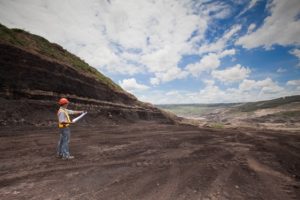
You might evaluate mining site safety, examining ground stability and potential subsidence issues. Post-disaster assessment work takes you to areas affected by earthquakes, floods, or landslides to determine when sites are safe for redevelopment or remediation. Some engineering geologists specialize in military site assessment, particularly in conflict zones where ground conditions must be verified before reconstruction begins.
Day-to-Day Work
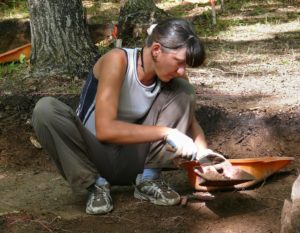
Most engineering geologists split their time between field investigations and office work—typically 40% fieldwork and 60% office-based analysis, though this varies by employer and project type. Field days involve visiting sites to collect rock and soil samples, conduct geological mapping, assess visible ground conditions, and coordinate with construction teams. You'll often work outdoors in various weather conditions, requiring physical stamina for hiking difficult terrain and carrying equipment.
Office days focus on laboratory analysis of field samples, creating detailed geological reports, developing site recommendations, consulting with engineers and planners, and reviewing regulatory compliance requirements. The work requires translating complex geological data into clear, actionable recommendations for clients who may have limited geological knowledge.
Where Does an Engineering Geologist Work?
Most engineering geologists work in civil engineering and public infrastructure sectors. Government agencies—federal, state, and local—employ engineering geologists to assess sites for public projects and ensure development meets safety standards. Environmental health and public safety are now legal requirements in site assessment, not optional considerations. You'll evaluate whether areas face earthquake risks, flood vulnerability, or ground instability before approving development.
Government positions also involve post-disaster work. After a flood recedes, soil and geological stability may be compromised. Engineering geologists assess damage, determine when areas are safe for reoccupation, and recommend remediation steps. Some professionals work in the nonprofit sector providing similar assessment services, particularly in underserved communities or disaster relief contexts.
Private sector engineering geologists typically work for consulting firms, construction companies, or development corporations. The work mirrors government roles—site assessment, hazard evaluation, compliance reporting—but serves private clients. You might also work on mine closure projects, where companies must stabilize old mine shafts and ensure the surrounding land is safe. This specialized work requires both geological expertise and understanding of regulatory obligations.
Work Conditions & Schedule
Expect a mix of office and outdoor work environments. Field conditions vary dramatically—from urban construction sites to remote wilderness areas, from summer heat to winter cold. Physical demands include hiking to access sites, carrying sampling equipment (30-50 pounds), and working in potentially hazardous environments. Personal protective equipment (hard hats, safety boots, high-visibility vests) is standard, and some projects require additional safety gear.
Most positions follow standard business hours (Monday-Friday, 8am-5pm), though field work may require early starts or extended days to align with construction schedules. Regional travel is common, with some positions involving weekly overnight trips. Seasonal variations affect workload—construction-heavy seasons mean more field assessments, while winter months might involve more office-based report writing and project planning.
What Is the Average Engineering Geologist Salary?
According to the most recent Bureau of Labor Statistics Occupational Employment and Wage Statistics survey (May 2024), engineering geologists—classified under Geoscientists, Except Hydrologists and Geographers (SOC 19-2042)—earned a median annual salary of $99,240. This means half of all geoscientists earned more than this amount, and half earned less. The mean (average) salary was $111,310, reflecting higher earnings among experienced professionals and those in specialized sectors.
| Percentile | Annual Salary | What This Means |
|---|---|---|
| 10th Percentile | $58,790 | Entry-level positions, early career |
| Median (50th) | $99,240 | Mid-career professionals |
| 90th Percentile | $178,880 | Senior professionals, specialized roles |
Salary varies significantly by industry sector. Geoscientists working in mining, quarrying, and oil and gas extraction earn the highest median wages at $148,760 annually. Federal government positions offer median salaries around $116,470, while state and local government typically pay less but offer strong benefits and job security. Private consulting firms fall somewhere in the middle, with compensation varying by firm size and specialization.
Geographic location also affects earnings. States with active energy sectors, significant infrastructure development, or high costs of living tend to offer higher salaries. Your educational credentials matter too—master's degree holders typically earn 15-25% more than bachelor's-only professionals, and a Professional Geologist (PG) certification can boost earning potential.
Engineering Geology Jobs & Job Description
Engineering geologists specialize in the interdisciplinary study of geology and engineering fundamentals. The field requires a deep understanding of soil, rock, groundwater, and natural systems, combined with practical knowledge of construction processes and engineering principles. Your technical skills translate directly into ensuring public safety and project success.
Entry-Level Responsibilities (0-3 Years Experience)
Early-career engineering geologists focus on building technical competencies through hands-on work. You'll conduct field investigations to collect rock, soil, and groundwater samples, perform laboratory analysis of samples, assist senior staff with site assessments, and prepare preliminary geological reports. This stage emphasizes learning proper field techniques, understanding geological classification systems, and developing observational skills.
Essential skills at this level include accurate sample collection and documentation, basic geological mapping, understanding of relevant environmental regulations, proficiency with field equipment and safety protocols, and clear technical writing. You'll work under supervision while gradually taking on more independent responsibilities as you demonstrate competence.
Mid-Level Responsibilities (3-7 Years Experience)
Mid-career professionals lead site investigations independently, prepare comprehensive technical reports, interact directly with clients and engineers, supervise junior staff and field technicians, and conduct detailed geological hazard assessments. You're expected to make judgment calls about site conditions and provide clear recommendations without constant oversight.
Advanced skills become critical: interpreting complex geological data, applying engineering principles to geological problems, effective client communication and consultation, project management and timeline coordination, and understanding of geotechnical engineering concepts. Many professionals pursue Professional Geologist (PG) licensing during this career stage, typically requiring four years of experience under a licensed geologist plus passing a state examination.
Senior-Level Responsibilities (7+ Years Experience)
Senior engineering geologists manage multiple concurrent projects, develop investigation plans and budgets, maintain client relationships and business development, mentor junior staff and review their work, and provide expert testimony or regulatory consultation. Leadership and business acumen become as important as technical expertise.
At this level, you're expected to demonstrate strategic thinking about geological challenges, strong business development and client management skills, ability to manage complex, multi-phase projects, expertise in specific geological or regional specializations, and leadership in professional organizations or regulatory bodies. Compensation often includes performance bonuses and, in consulting firms, potential profit sharing or partnership opportunities.
What Is the Job Demand for Engineering Geologists?
The Bureau of Labor Statistics Employment Projections program forecasts 3% employment growth for geoscientists over the 2024-2034 projection period, which aligns with the average growth rate across all occupations. While this represents modest growth of approximately 800 new positions over the decade, the field offers approximately 2,000 annual job openings—most resulting from replacement needs as workers transfer to other careers or retire rather than from new job creation.
Demand for engineering geologists is tied to several key factors. Infrastructure development and maintenance creates consistent need for geological assessment—roads, bridges, tunnels, and transit systems all require site evaluation. Increasing environmental regulations drive demand for professionals who can assess environmental impacts and ensure compliance with safety standards. Climate change concerns are creating new opportunities in areas like coastal erosion assessment, flood risk evaluation, and disaster preparedness planning.
Energy sector demand varies by specialization. Traditional oil and gas exploration continues to employ geoscientists, while renewable energy development (wind farms, solar installations, geothermal projects) requires site assessment for feasibility and environmental impact. The transition toward sustainable infrastructure may shift where opportunities concentrate, but maintain overall demand for geological expertise.
Economic conditions directly affect hiring, as construction and development slow during recessions. However, government positions tend to remain stable even during economic downturns. Long-term, the need for professionals who can assess geological risks and ensure safe development remains solid, even if growth rates are modest.
What Are the Education Requirements to Become an Engineering Geologist?
A bachelor's degree represents the minimum educational requirement, though the specific major can follow different paths. If you're in high school and considering this career, focus on building a strong foundation in mathematics (algebra, geometry, calculus) and sciences (earth science, physics, chemistry). These subjects feature prominently in geology and engineering programs and predict success in the field.
Undergraduate Pathways
Most engineering geologists follow one of three undergraduate paths. The first option is an engineering degree with geology coursework—majoring in civil engineering, environmental engineering, or geological engineering while taking geology courses as electives or a minor. This approach provides strong engineering fundamentals with applied geological knowledge.
The second path is a geology degree with an engineering focus—majoring in geology while strategically selecting engineering electives like mechanics, structural analysis, and civil engineering principles. This builds geological expertise with sufficient engineering knowledge to communicate effectively with engineering teams.
The third option is a dedicated geological engineering or engineering geology program, where available. These specialized degrees integrate both disciplines from the start, though fewer schools offer them compared to traditional engineering or geology programs.
Essential Coursework
Regardless of your major, certain courses prove essential for engineering geology work. On the geology side, prioritize structural geology (understanding rock deformation and stability), hydrogeology (groundwater systems and movement), mineralogy and petrology (rock and mineral identification), and sedimentology and stratigraphy (soil and sediment analysis). For engineering foundations, take rock mechanics and soil mechanics (critical for stability assessment), geotechnical engineering principles, and surveying and geological mapping.
Graduate Education
Master's degrees aren't required for entry-level positions but significantly improve career prospects, salary potential, and access to specialized roles. Graduate programs in engineering geology, geotechnical engineering, or environmental geology typically take two years full-time. Many professionals start their careers with a bachelor's degree, gain field experience, then pursue graduate education part-time while working—a strategy that combines academic learning with practical application.
Doctoral degrees suit specific career paths. If you're interested in university teaching, advanced research, or consulting at the highest technical levels, a Ph.D. may be valuable. However, for most practicing engineering geologists working on site assessment and project consultation, a master's degree provides optimal preparation without the additional years of doctoral study.
Engineering Geology - Related Degrees
Professional Licensing
Licensing requirements vary by state and career specialization. Many engineering geologists pursue Professional Geologist (PG) certification through their state's geological licensing board. Requirements typically include a bachelor's or master's degree in geology or a related field, four years of professional experience under a licensed geologist, and passing the Fundamentals of Geology (FG) and Practice of Geology (PG) examinations.
Some positions, particularly in civil engineering firms, may require or prefer Professional Engineer (PE) licensure if you're signing off on engineering documents or designs. The choice between PG and PE (or both) depends on your specific career path and the technical scope of your work. Research requirements in your target state and industry sector to determine which certification aligns with your goals.
Career Growth & Advancement
Engineering geology offers clear career progression with increasing responsibility, autonomy, and compensation. Understanding the typical trajectory helps you set realistic expectations and plan your professional development.
Entry-Level Stage (0-3 Years) - Building Technical Foundation
As a field technician or junior geologist, you'll focus on developing core competencies. Daily work involves conducting site assessments under supervision, collecting and analyzing samples, assisting with technical reports, and learning field equipment and safety protocols. Entry-level salaries typically range from $55,000 to $70,000, depending on location, education level, and employer type.
Your primary goal during this stage is to build diverse project experience. Work on as many different project types as possible—infrastructure, residential, environmental, hazard assessment—to understand the breadth of the field and discover your interests. Take detailed field notes, ask questions, and seek mentorship from experienced professionals.
Mid-Level Stage (3-7 Years) - Developing Independence
As a project geologist or consultant, you lead site investigations, prepare comprehensive technical reports, interact directly with clients, and supervise junior staff. Mid-career salaries typically range from $75,000 to $110,000, with variation based on specialization, sector, and geographic location.
This stage often involves pursuing Professional Geologist certification, which requires four years of experience plus examination. PG licensure signals professional maturity and opens doors to projects requiring licensed professional oversight. You'll also develop specialization—whether in specific geological conditions (karst terrain, seismic zones), project types (transportation, mining), or geographic regions.
Senior-Level Stage (7+ Years) - Leadership & Strategy
Senior geologists and project managers oversee multiple concurrent projects, develop investigation strategies and budgets, manage client relationships, and mentor junior staff. Senior-level compensation ranges from $110,000 to $160,000+, often including performance bonuses and, in private firms, potential profit sharing.
Your technical expertise remains important, but leadership abilities and business development skills become equally critical. You're expected to bring in new clients, manage complex projects, and represent your organization in professional contexts. Many senior professionals serve on regulatory committees, present at conferences, or contribute to industry publications.
Principal/Partner Level (15+ Years) - Strategic Direction
Company principals set strategic direction, develop major business opportunities, and may hold ownership stakes in consulting firms. Compensation at this level often exceeds $150,000 base salary plus equity participation, profit sharing, or partnership distributions. Technical work becomes selective—you might focus on the most complex or high-profile projects while delegating routine work to your team.
Is Engineering Geology Right for You?
Before committing to this educational path, consider whether the work aligns with your interests and strengths. Engineering geology suits people who enjoy both analytical problem-solving and hands-on fieldwork, not those who prefer purely laboratory or purely outdoor careers.
Ask yourself these questions:
- Do you enjoy working both outdoors (field investigations) and in office settings (analysis and reporting)?
- Are you comfortable with physical work—hiking terrain, carrying equipment, working in various weather conditions?
- Can you explain complex technical concepts to non-technical audiences like clients, planners, or community members?
- Do you thrive in roles combining independent analysis with team collaboration?
- Are you genuinely interested in how Earth processes affect human infrastructure and safety?
- Does problem-solving with real-world consequences (public safety, project feasibility) motivate you more than purely academic research?
If you answered yes to most of these questions, engineering geology could be a strong career match. If you prefer pure laboratory science, office-only work, or roles without physical demands, consider related fields like environmental geology, hydrogeology, or geochemistry that offer different work-life balances.
Professional Organizations & Resources
Joining professional organizations provides networking opportunities, continuing education, industry publications, and career development resources. The following organizations serve engineering geology professionals:
Association of Environmental and Engineering Geologists (AEG) brings together over 3,000 professionals across 15 countries. Founded in 1957 by 13 individuals, AEG has grown into the premier organization for engineering geologists and environmental geologists. Benefits include access to the Environmental & Engineering Geoscience quarterly journal, annual conferences, local section meetings, and professional development programs. Student memberships offer reduced rates and mentorship opportunities.
Environmental and Engineering Geophysical Society (EEGS) focuses on geophysics applications in environmental and geological engineering. With over 700 members worldwide, EEGS publishes the peer-reviewed Journal of Environmental and Engineering Geophysics and hosts technical symposiums. The organization particularly serves professionals using geophysical methods (seismic surveys, ground-penetrating radar, resistivity) in site assessment.
American Institute of Mining, Metallurgical, and Petroleum Engineers (AIME) represents the largest American organization for engineering geologists working in extractive industries. If you're interested in mining geology, mineral resource assessment, or energy sector work, AIME membership provides industry-specific technical resources, safety standards, and networking with mining engineers and geologists.
Frequently Asked Questions
What's a typical day like for an engineering geologist?
Engineering geologists split time between fieldwork and office work, typically 40% field and 60% office, though this varies by employer. Field days involve visiting construction sites or development areas to assess geological conditions, collect rock and soil samples, conduct geological mapping, and coordinate with construction teams. Office days focus on analyzing field samples, creating detailed geological reports, consulting with engineers and planners, and reviewing projects for regulatory compliance. The variety keeps the work interesting—you're rarely doing the same thing two days in a row.
Do I need a Professional Engineer (PE) license or Professional Geologist (PG) certification?
It depends on your career path and state requirements. Many engineering geologists pursue Professional Geologist (PG) certification through their state geological board, which typically requires a geology degree, four years of supervised experience, and passing state examinations. Some positions, especially in civil engineering firms where you're signing off on engineering documents, may require or prefer PE licensure instead. Some professionals hold both certifications. Research requirements in your target state and industry sector—government positions often require PG, while engineering firms may prefer PE.
How does engineering geology differ from environmental geology?
Engineering geologists focus primarily on ground stability, rock mechanics, and geotechnical assessments for construction and infrastructure projects. Your main question is "Can we safely build here?" Environmental geologists concentrate more on contamination, water quality, ecosystem impacts, and environmental remediation—asking "What environmental damage exists and how do we fix it?" Significant overlap exists, and many professionals work in both areas throughout their careers. The distinction is more about primary focus than rigid boundaries.
Can I work as an engineering geologist with just a bachelor's degree?
Yes, entry-level positions are available with a bachelor's degree in engineering (with geology coursework) or geology (with an engineering focus). However, master's degrees significantly improve career prospects, salary potential (typically 15-25% higher), and access to specialized or senior roles. Many professionals use a practical approach—start with a bachelor's, gain 2-3 years of field experience, then pursue graduate education part-time while working. This combines academic learning with real-world application and allows employers to sometimes sponsor your continued education.
What skills are most important for success in engineering geology?
Critical thinking and problem-solving top the list—you're constantly assessing complex geological situations and recommending solutions with safety implications. Strong communication skills are essential because you must explain technical findings to non-geologists like developers, planners, and community members. Field skills, including rock and soil identification, geological mapping, and proper sample collection, form your technical foundation. Understanding engineering principles and construction processes helps you provide practical, implementable recommendations rather than purely academic assessments.
What's the work-life balance like in engineering geology?
Most positions offer a reasonable work-life balance with standard business hours (Monday-Friday, 8 am-5 pm), though field work occasionally requires early starts or extended days to align with construction schedules. Regional travel is common—expect some overnight trips, particularly in consulting roles. Government positions typically offer the best work-life balance with limited overtime and strong boundaries between work and personal time. Private consulting can involve more variable hours during busy seasons, but often provides flexibility during slower periods. Physical demands (hiking, outdoor work) require good health but aren't extreme compared to construction trades.
How does climate change affect job prospects for engineering geologists?
Climate change is creating new opportunities while shifting where demand concentrates. Coastal erosion assessment, flood risk evaluation, and disaster preparedness planning all require geological expertise and are growing fields. Infrastructure resilience projects need engineering geologists to assess how existing and planned structures will handle increased extreme weather events. However, some traditional roles in fossil fuel exploration may decline. Overall, the fundamental need to assess geological risks for development remains strong—climate change is expanding the types of risks you'll evaluate rather than reducing demand for your expertise.
Key Takeaways
- Interdisciplinary Career: Engineering geologists bridge geology, engineering, and public safety—assessing ground stability and environmental risks for construction projects, infrastructure development, and land use planning.
- Competitive Compensation: Median annual salary of $99,240 with top earners exceeding $178,880, varying by industry sector (mining and energy pay the highest), experience level, and geographic location.
- Accessible Entry with Growth Potential: Bachelor's degree in engineering or geology opens entry-level positions, while master's degrees significantly improve career prospects and earning potential by 15-25%.
- Balanced Work Environment: Most roles split 40% fieldwork (outdoor site assessments, sample collection) with 60% office work (analysis, reporting, client consultation), providing variety and avoiding monotony.
- Steady Demand with Specialization Opportunities: 3% job growth through 2034 with approximately 2,000 annual openings, driven by infrastructure needs, environmental regulations, and climate resilience projects.
Ready to explore engineering geology programs? Find accredited geology and engineering programs that prepare you for this interdisciplinary career combining earth science with practical problem-solving.
May 2024 US Bureau of Labor Statistics salary figures and 2024-2034 job growth projections for Geoscientists, Except Hydrologists and Geographers (SOC 19-2042) reflect national data, not school-specific information. Conditions in your area may vary. Data accessed January 2026.