
A Traditional Cultural Property Expert is a specialized archaeologist or anthropologist who works directly with Native American and Native Hawaiian communities to research, document, and preserve sites of cultural and spiritual significance. These professionals are generally classified within the broader BLS occupational category of anthropologists and archaeologists, combining archaeological expertise with legal knowledge to protect culturally sensitive lands from development. The field requires advanced education—typically a master's degree or higher—and reflects median salaries around $66,130 for the broader occupational category, though actual salaries for TCP specialists vary by experience, employer, and region, with opportunities remaining limited due to the highly specialized nature of the work.
Traditional Cultural Property Expertise represents one of the most specialized and culturally sensitive career paths within archaeology and anthropology. Unlike conventional archaeological work focused solely on excavation and artifact analysis, TCP Experts serve as bridges between indigenous communities, government agencies, and development interests. Their work ensures that sites holding deep cultural, historical, or spiritual meaning for Native peoples receive appropriate protection and recognition.
This field emerged in response to the addition of traditional cultural properties to the National Register of Historic Places in the 1990s. Since then, it has become increasingly important as federal and state regulations governing culturally sensitive lands have expanded. Today's TCP Experts must navigate complex legal frameworks, conduct sensitive community consultations, and apply both traditional archaeological methods and modern technologies to fulfill their responsibilities.
What Does a Traditional Cultural Property Expert Do?
Traditional Cultural Property Experts occupy a unique position that combines research, advocacy, legal compliance, and community liaison work. Their responsibilities extend far beyond typical archaeological fieldwork to encompass cultural preservation in its broadest sense.
At the core of their work, TCP Experts conduct extensive archival research to understand the historical and cultural significance of specific locations. They study archaeological records, historical documents, oral histories, and ethnographic data to build comprehensive pictures of how indigenous communities have used and valued particular landscapes over generations. This research forms the foundation for determining whether a site qualifies for protected status under federal and state cultural resource laws.
Community engagement represents another critical dimension of the role. TCP Experts must establish and maintain respectful relationships with tribal nations and indigenous organizations. They facilitate consultations that allow community members to share knowledge about sacred sites, traditional gathering areas, ceremonial locations, and other culturally significant landscapes. This work requires exceptional cultural sensitivity, active listening skills, and deep respect for indigenous sovereignty and knowledge systems.
On the legal and regulatory side, TCP Experts serve as consultants ensuring compliance with the National Historic Preservation Act, the Native American Graves Protection and Repatriation Act (NAGPRA), and related legislation. When development projects are proposed near culturally sensitive areas, TCP Experts assess potential impacts and recommend mitigation strategies. They may observe construction activities, review environmental impact statements, and provide expert testimony in legal proceedings.
The job description for a TCP Expert typically includes the following responsibilities:
- Plan and conduct comprehensive research of archaeological, historical, and ethnographic records to understand traditional cultural practices and sacred site locations
- Facilitate consultations with tribal governments and indigenous communities to gather oral histories and traditional knowledge about culturally significant properties
- Study objects, structures, and landscapes to identify their significance to traditional cultural groups and document their current condition
- Provide consulting services, ensuring that federal and state laws protecting culturally sensitive lands are followed during development projects
- Collaborate with developers, government agencies, and tribal representatives to develop protection plans that balance preservation with other land use needs
- Prepare detailed reports documenting cultural significance, potential impacts, and recommended protective measures
- Collect information through observation, interviews, archival research, and field surveys to support nominations to the National Register of Historic Places
- Compile and present research findings for diverse audiences, including academic conferences, government hearings, and community meetings
With several years of experience, TCP Experts often transition into more advisory and leadership roles that may include:
- Advising federal agencies like the National Park Service on policy development related to traditional cultural properties
- Serving as expert witnesses in legal cases involving indigenous land rights or cultural resource protection
- Acting as spokespersons for cultural organizations or tribal nations in public forums
- Mentoring junior professionals entering the field
- Leading multi-disciplinary teams on large-scale cultural resource management projects
Where Does a Traditional Cultural Property Expert Work?
Traditional Cultural Property Experts work in diverse settings that reflect the multifaceted nature of their responsibilities. According to Bureau of Labor Statistics data for anthropologists and archaeologists—the broader category encompassing TCP Experts—work environments are distributed across several key sectors.
Research and development in the social sciences employs approximately 28% of professionals in this field. TCP Experts in these positions typically work for universities, research institutes, or tribal research centers. They conduct primary research, develop methodologies for documenting traditional knowledge, and publish scholarly articles advancing the field's theoretical and practical frameworks. Much of this work involves collaborating directly with indigenous communities near culturally significant sites.
Technical consulting services account for about 23% of employment. Consulting TCP Experts provide specialized expertise to engineering firms, environmental consulting companies, and cultural resource management firms. They conduct Phase I, II, and III archaeological surveys with specific attention to identifying traditional cultural properties. They review project plans, assess potential impacts to culturally sensitive areas, and recommend mitigation measures that satisfy regulatory requirements while respecting indigenous concerns.
Engineering services employ roughly 7% of professionals in related fields. TCP Experts working alongside engineers help ensure that infrastructure projects—highways, pipelines, transmission lines, and development projects—avoid or minimize impacts to traditional cultural properties. They participate in project planning from the earliest stages, conducting surveys and coordinating tribal consultations before designs are finalized.
Federal government agencies employ approximately 19% of archaeologists and anthropologists, including TCP Experts. Key employers include the National Park Service, Bureau of Land Management, U.S. Forest Service, and the Advisory Council on Historic Preservation. These professionals develop and implement policies protecting cultural resources on federal lands, review project proposals for compliance with preservation laws, and manage programs that support tribal cultural preservation efforts.
State and local governments account for about 8% of positions. State Historic Preservation Offices, state parks departments, and tribal governments employ TCP Experts to manage cultural resource programs, review development permits, maintain cultural site inventories, and coordinate preservation initiatives.
The work setting often varies significantly within a single position. TCP Experts might spend days in climate-controlled archives reviewing historical documents, then transition to fieldwork in remote locations, conducting site surveys. They participate in formal government meetings, facilitate community gatherings in tribal centers, and present findings at academic conferences. The role demands flexibility and comfort working in diverse environments—from dusty excavation sites to corporate boardrooms.
Traditional Cultural Property Expert Salary & Compensation
Traditional Cultural Property Experts are generally classified within the broader BLS occupational category of anthropologists and archaeologists (SOC 19-3091). According to the latest BLS data (May 2022), professionals in this category earned a median annual wage of $66,130. However, salary expectations for TCP Experts specifically may vary based on several factors, including educational credentials, years of experience, work setting, and geographic location.
The salary distribution for anthropologists and archaeologists shows a considerable range, reflecting the broader occupational category that includes TCP Experts; actual salaries for TCP specialists vary by experience, employer, and region. The lowest 10% of earners received less than $40,800 annually, while the highest 10% earned more than $102,770. Given the research-intensive nature and specialized expertise required for traditional cultural property work, TCP Experts with advanced degrees and several years of experience typically position themselves in the middle to upper ranges of this spectrum.
Work setting significantly influences compensation levels. Federal government positions often offer competitive salaries with comprehensive benefits packages, with pay scales determined by the General Schedule (GS) system. Entry-level TCP Experts might begin at GS-9 or GS-11 levels, while senior professionals with supervisory responsibilities can reach GS-13 or GS-14 positions, with salaries exceeding $100,000 in high-cost areas.
Consulting firms and private sector employers may offer higher base salaries, but with greater variability in benefits and job security. Project-based consulting work can provide periods of excellent compensation followed by slower periods between contracts. Many TCP Experts in consulting supplement their income through multiple clients or by combining consulting with part-time academic positions.
Geographic location also affects earning potential. TCP Experts working in states with significant federal land holdings, active development pressure near tribal lands, or strong state-level cultural resource protection programs tend to find more opportunities and competitive salaries. Positions in California, Arizona, New Mexico, Alaska, and the Pacific Northwest—regions with substantial Native American populations and active cultural resource management needs—often command higher compensation.
Educational attainment creates additional salary differentiation. While master's-level professionals can access most TCP Expert positions, those with doctoral degrees often qualify for senior research positions, university faculty appointments, or leadership roles within government agencies, all of which offer enhanced compensation potential.
A Day in the Life: Typical Project Work
The daily experience of a Traditional Cultural Property Expert varies dramatically depending on project phase and work setting, but a typical large-scale project illustrates the role's diverse demands.
Consider a TCP Expert working on a proposed natural gas pipeline project crossing multiple states. During the initial planning phase, the expert spends weeks in archives and government offices reviewing land records, previous archaeological surveys, ethnographic studies, and tribal correspondence to identify potentially affected traditional cultural properties. This archival phase might involve traveling between state historic preservation offices, university libraries, and tribal records centers.
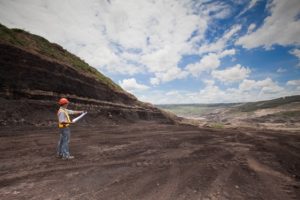
As the project advances to the field survey stage, the expert coordinates with tribal cultural resource staff to conduct reconnaissance of the proposed pipeline corridor. Field days begin early, with teams walking transects across varied terrain—desert, forest, grassland—documenting archaeological features and identifying areas of potential cultural concern. The expert photographs landscapes, records GPS coordinates, and takes detailed notes about site conditions. Evenings involve organizing field data, preparing daily reports, and planning the next day's survey areas.
The consultation phase requires different skills entirely. The TCP Expert facilitates meetings between the pipeline company, tribal representatives, and regulatory agencies. They present survey findings using maps and photographs, listen carefully to tribal concerns about sacred sites or traditional use areas, and help all parties understand the intersection of federal regulations, tribal sovereignty, and project economics. These meetings demand diplomacy, cultural sensitivity, and clear communication across very different knowledge systems and institutional cultures.
Back at the office, the expert dedicates weeks to analysis and report writing. Using GIS software to create detailed maps, writing comprehensive technical reports documenting all identified cultural resources, and preparing recommendations for avoiding or mitigating impacts to traditional cultural properties. This phase involves extensive writing, data management, and careful attention to regulatory requirements.
Throughout the project, the TCP Expert maintains ongoing communication with tribal cultural offices, responding to questions, providing updates, and ensuring that indigenous perspectives receive appropriate consideration in decision-making processes. This continuous coordination work—emails, phone calls, and informal consultations—forms the connective tissue holding complex projects together.
Essential Skills & Qualifications for TCP Experts
Success as a Traditional Cultural Property Expert requires a distinctive combination of technical archaeological competencies, cultural sensitivity, legal knowledge, and interpersonal skills that extend well beyond typical archaeological training.
Technical & Research Skills
TCP Experts must possess strong foundational abilities in archaeological field methods, artifact identification, and site documentation. Beyond these basics, they need specialized competencies in ethnographic research methods, oral history collection, and archival research techniques. Proficiency with geographic information systems (GIS) and remote sensing technologies has become increasingly important for site identification and impact assessment.
Database management skills are essential for organizing complex information about multiple sites, tribal consultations, regulatory requirements, and project timelines. Many TCP Experts work with databases tracking thousands of archaeological sites and cultural resources across large regions. Statistical analysis capabilities support research projects examining patterns in site types, cultural landscapes, and preservation effectiveness.
Cultural Competency & Interpersonal Skills
Perhaps most critically, TCP Experts must develop genuine cultural humility and sensitivity when working with indigenous communities. This involves recognizing the limits of academic knowledge, respecting tribal sovereignty, and understanding that some cultural information is not meant to be documented or shared outside community contexts. Active listening skills, patience, and the ability to build trust over time are fundamental to effective community consultation.
Strong communication abilities enable TCP Experts to translate between different knowledge systems—explaining Western archaeological concepts to tribal communities, conveying indigenous perspectives to regulatory agencies, and presenting technical information to non-specialist audiences. This requires flexibility in communication style, awareness of cultural protocols, and genuine respect for diverse ways of knowing and relating to landscapes.
Legal & Regulatory Knowledge
TCP Experts must thoroughly understand federal legislation, including the National Historic Preservation Act (Section 106 process), NAGPRA, the Archaeological Resources Protection Act, and relevant executive orders. State-level preservation laws add additional complexity, as requirements vary significantly across jurisdictions. Familiarity with tribal law and sovereignty issues is equally important, as tribal nations exercise authority over cultural resources on their lands.
Writing & Documentation
The ability to produce clear, well-organized technical reports is essential. TCP Experts regularly prepare documents for multiple audiences—detailed technical reports for agency archaeologists, executive summaries for decision-makers, presentations for tribal councils, and scholarly articles for academic journals. Strong writing skills and attention to documentation standards make the difference between reports that meet regulatory requirements and those that fail review.
Language Skills
While not always required, knowledge of Native American languages represents a significant asset. Even basic familiarity with indigenous language structure demonstrates respect and facilitates more effective communication during consultations. For TCP Experts working regularly with specific tribal communities, learning elements of those communities' languages shows commitment and can substantially deepen working relationships.
Job Outlook & Career Growth
The employment outlook for Traditional Cultural Property Experts reflects the broader trends affecting anthropologists and archaeologists, though opportunities in this specific niche remain limited due to the field's highly specialized nature. According to Bureau of Labor Statistics projections for 2022-2032, employment of anthropologists and archaeologists is expected to grow by 6%, roughly in line with the average for all occupations. This translates to approximately 6,900 annual job openings nationally, though only a small fraction of these specifically involve traditional cultural property work.
Several factors influence job availability in this field. On one hand, continued federal and state emphasis on cultural resource protection creates ongoing demand for professionals who can navigate the complex intersection of archaeology, tribal consultation, and regulatory compliance. Major infrastructure projects—pipelines, transmission lines, highway expansions, renewable energy developments—all trigger Section 106 review processes that require TCP expertise. Additionally, as tribal nations strengthen their own cultural resource management programs, they increasingly hire professionals with TCP specialization.
However, the field faces challenges that limit growth potential. Technological advances in non-invasive survey methods, including ground-penetrating radar and LiDAR, reduce the need for extensive excavation crews, though these technologies actually increase demand for professionals who can interpret results and coordinate with communities. Federal budget constraints can limit hiring at agencies that traditionally employ TCP Experts. The highly specialized nature of the work means that opportunities concentrate in specific geographic regions with significant federal lands and active development near tribal territories.
Competition for positions remains strong. The field has always seen more qualified candidates than available positions—a pattern common across heritage professions globally. Those who combine advanced degrees with relevant field experience, demonstrated success in tribal consultation, fluency with modern survey technologies, and willingness to relocate position themselves most competitively.
Long-term career stability in this field often requires flexibility. Many TCP Experts piece together multiple roles—part-time consulting, seasonal fieldwork, short-term contracts with federal agencies, and adjunct teaching. Those who establish strong reputations and broad professional networks can build sustainable careers, but the path rarely follows traditional employment patterns.
Technology & Modern Tools in TCP Work
While traditional cultural property work remains grounded in fundamental archaeological and ethnographic methods, modern technologies have significantly expanded practitioners' capabilities. Contemporary TCP Experts integrate sophisticated digital tools with time-tested field techniques.
Geographic Information Systems (GIS) have become indispensable for TCP work. Platforms like ArcGIS enable experts to create detailed maps showing the spatial relationships between archaeological sites, traditional use areas, sacred landscapes, and proposed development projects. GIS analysis helps identify culturally sensitive zones, predict where undocumented sites might exist based on environmental and cultural patterns, and visualize potential project impacts for diverse stakeholders.
Remote sensing technologies provide non-invasive methods for detecting archaeological features and understanding landscape modifications over time. LiDAR (Light Detection and Ranging) can reveal earthworks, ancient agricultural features, and settlement patterns invisible to ground-level surveys. Satellite imagery analysis helps document changes to culturally significant landscapes over decades, supporting both preservation arguments and compliance documentation.
Database systems organize the vast quantities of information TCP projects generate. Professionals use specialized cultural resource management databases to track site locations, consultation records, regulatory correspondence, and research findings. These systems must balance information accessibility with sensitive cultural information protection—some data can be shared freely, while other details require restricted access to protect sites from looting or inappropriate visitation.
3D scanning and photogrammetry technologies enable precise documentation of artifacts, structures, and landscapes. These methods create detailed digital records that support research, education, and preservation planning while minimizing physical handling of sensitive cultural materials.
Digital communication platforms facilitate ongoing tribal consultation even when face-to-face meetings are impractical. Video conferencing, secure file-sharing systems, and project management software help maintain coordination across the multiple parties—tribal representatives, government agencies, developers, consultants—involved in complex cultural resource projects.
Despite these technological advances, TCP work remains fundamentally relationship-based. Technology serves the work but cannot substitute for the trust-building, cultural sensitivity, and deep listening that define effective traditional cultural property expertise.
Education Requirements to Become a Traditional Cultural Property Expert
The educational pathway to becoming a Traditional Cultural Property Expert requires sustained academic commitment, strategic course selection, and careful cultivation of relevant specializations within archaeology and anthropology programs.
High School Preparation
Students interested in this career path benefit from strong foundations in history and social sciences during high school. Geography courses provide an essential background for understanding how human cultures interact with landscapes across time. Native American Studies or Indigenous Studies courses, when available, offer valuable introductions to the communities TCP Experts ultimately serve. Strong writing skills developed through English and composition courses prove essential for the extensive report-writing the profession demands.
Undergraduate Education
At the college level, aspiring TCP Experts should pursue bachelor's degrees in archaeology, anthropology, or closely related fields. While no programs offer specific undergraduate degrees in traditional cultural property expertise, the field remains too specialized—students can strategically shape their education through thoughtful minor and elective selection.
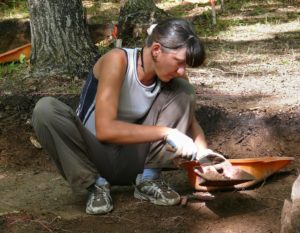
A solid foundation in archaeological field methods is essential. Most anthropology and archaeology programs require students to participate in field schools, where they learn excavation techniques, site mapping, artifact documentation, and laboratory processing. Students interested in TCP work should seek field schools focusing on North American archaeology, particularly those involving collaboration with tribal nations or located in regions with significant indigenous heritage.
Coursework should emphasize cultural anthropology and ethnographic methods alongside traditional archaeology. Classes in Native American Studies, indigenous knowledge systems, and tribal law provide crucial context. When possible, students should take courses specifically addressing NAGPRA, cultural resource management, and heritage preservation policy. GIS courses, increasingly common in geography and environmental science programs, develop technical skills that enhance employability.
Many programs offer opportunities for directed research or honors theses. Students can use these to explore topics relevant to TCP work—perhaps researching traditional land use patterns, examining consultation processes in cultural resource management, or analyzing the effectiveness of cultural site protection policies.
Graduate Education
Most professional TCP Expert roles require a master's degree or higher, though some entry-level positions in cultural resource management may accept a bachelor's degree with relevant experience. Graduate programs allow students to develop their niche within archaeology and anthropology, tailoring their education toward cultural resource management and tribal consultation.
When selecting graduate programs, prospective TCP Experts should consider faculty expertise in North American archaeology, indigenous studies, and cultural resource management. Programs with existing relationships with tribal communities or research projects involving traditional cultural properties offer invaluable networking and practical experience opportunities. Some programs offer specific cultural resource management tracks or certificates that can be pursued alongside anthropology or archaeology master's degrees.
Graduate coursework typically includes advanced archaeological theory, quantitative and qualitative research methods, regional specializations (Southwest, Plains, Northeast, etc.), and in-depth study of specific tribal nations or cultural groups. Many TCP Experts develop geographic specializations—becoming experts in particular regions' archaeology, indigenous communities, and cultural resource management contexts.
Thesis research provides opportunities to build expertise directly relevant to TCP careers. Projects involving tribal consultation, traditional knowledge documentation, or evaluation of cultural preservation policies demonstrate commitment to the field's applied dimensions. Strong thesis work can lead to publications that enhance professional credentials and establish expertise in specific areas.
Doctoral Education
While not required for most TCP positions, doctoral degrees open doors to senior research roles, university faculty positions, and leadership positions within government agencies. PhDs become particularly valuable for those seeking to shape policy, conduct large-scale research programs, or teach the next generation of cultural resource professionals. Academic careers in archaeology or anthropology, with research focusing on traditional cultural properties, provide opportunities to advance the field's theoretical and methodological foundations while maintaining active consulting or collaboration with tribal communities.
Alternative Pathways & Continuing Education
Some professionals enter TCP work through related fields. Environmental scientists with additional training in cultural resources, planners with archaeological backgrounds, or tribal historic preservation officers who pursue formal credentials all contribute TCP expertise from somewhat different entry points.
Professional development continues throughout TCP careers. Attending conferences like the Society for American Archaeology annual meetings, participating in workshops on Section 106 compliance, and completing training offered by organizations like the Advisory Council on Historic Preservation help professionals maintain current knowledge of evolving regulations, methodologies, and best practices.
Career Advancement Pathways
Career progression for Traditional Cultural Property Experts follows several potential trajectories, though advancement often requires strategic positioning and sometimes geographic mobility.
Entry-level TCP professionals typically begin as field technicians or junior consultants on cultural resource management projects. These positions involve conducting surveys, processing artifacts, maintaining field documentation, and supporting senior staff during tribal consultations. This phase usually lasts 2-4 years and provides crucial practical experience bridging academic training and professional practice.
With experience and demonstrated competence, professionals advance to project archaeologist or cultural resource specialist roles. At this level, they may lead small survey projects, conduct archival research independently, represent firms at consultation meetings, and prepare sections of technical reports. Salary and responsibility both increase, though supervision and mentorship from senior staff continue. This mid-level phase typically spans 5-7 years as professionals build reputations and expand professional networks.
Senior TCP Experts, usually with 10+ years of experience, serve as principal investigators on large projects, provide expert testimony in legal proceedings, develop cultural resource management programs for agencies or tribes, and mentor junior staff. They may establish consulting practices, direct cultural resource programs for federal or state agencies, or serve as tribal historic preservation officers. At this level, professionals often specialize further—becoming recognized experts in particular regions, tribal cultures, or regulatory processes.
Some TCP Experts transition into academic careers, combining research, teaching, and continued consulting. Others move into policy roles at agencies like the Advisory Council on Historic Preservation or the National Park Service, where they shape regulations and guidance affecting cultural resource management nationwide. Tribal nations increasingly establish cultural resource departments led by experienced TCP professionals who bring archaeological expertise back to serve their own communities.
Advancement often requires a willingness to relocate, as senior opportunities concentrate in specific regions. Building a strong publication record, maintaining active professional organization involvement, and cultivating respectful long-term relationships with tribal communities all support career progression in this relationship-intensive field.
Related Environmental & Cultural Careers
Traditional Cultural Property Expertise sits at the intersection of several related career paths. Professionals in adjacent fields often collaborate with TCP Experts or pursue similar work with different emphases.
Cultural Resource Managers oversee broader archaeological and historic preservation programs, which may include but extend beyond traditional cultural properties. They work for federal agencies, state historic preservation offices, or consulting firms managing compliance with multiple preservation laws. This role offers somewhat broader employment opportunities than TCP-specific work.
Museum Curators and Collections Managers specializing in indigenous materials work closely with tribal communities on repatriation issues, appropriate curation of sacred objects, and culturally sensitive interpretation. This path emphasizes object-focused work and public engagement over field-based archaeology and consulting.
Historic Preservation Specialists focus on protecting historic buildings, structures, and landscapes generally, sometimes including traditional cultural properties within their broader portfolios. They work in architectural history, preservation planning, and historic resource surveys, often with state or local governments.
Environmental Planners with cultural resource expertise help ensure that development projects consider archaeological and cultural impacts alongside environmental factors. This career path integrates environmental review processes regulated by NEPA (National Environmental Policy Act) with cultural resource protection, often requiring broad knowledge of multiple resource types.
Many of these related careers share educational backgrounds, professional networks, and core competencies with TCP work while offering different emphases or broader employment opportunities. Some professionals move among these roles over their careers, or combine them through multiple part-time positions.
Professional Organizations for Traditional Cultural Property Experts
While no organizations exist specifically for Traditional Cultural Property Experts due to the field's small size, several professional associations serve the cultural heritage community and provide essential resources, networking opportunities, and professional development for TCP professionals.
The Archaeological Institute of America represents the oldest and largest archaeological organization in North America. With thousands of members across academic, government, and private sectors, the AIA provides publications, conferences, and networking opportunities for professionals working in all archaeological specializations. Their annual meetings offer sessions on cultural resource management, indigenous archaeology, and heritage preservation policy.
The American Historical Association serves historians across all specializations and includes numerous affiliates addressing specific topics within American culture, society, and history. The AHA's membership includes scholars studying Native American history, indigenous-settler relations, and cultural heritage topics relevant to TCP work. Their publications and conferences help TCP Experts maintain connections to broader historical scholarship.
The Center for the Study of the First Americans, based at Texas A&M University but operating nationally, began as an anthropology research group and now functions as a membership organization supporting primary research into the earliest peoples in the Americas. They provide resources, publications, and networking opportunities particularly relevant to TCP Experts working with indigenous communities on questions of deep history and cultural continuity.
The Society for American Archaeology (SAA), while not listed in the original references, represents another crucial professional home for TCP Experts. SAA's ethics statements and guidelines specifically address archaeologists' responsibilities to descendant communities and indigenous peoples. Many TCP Experts maintain SAA membership for its specialized interest groups, annual conferences featuring cultural resource management content, and publications like American Antiquity and Advances in Archaeological Practice.
Tribal organizations like the National Association of Tribal Historic Preservation Officers (NATHPO) also connect TCP Experts with the communities they serve, offering training, policy updates, and opportunities to learn directly from tribal perspectives on cultural resource protection.
Frequently Asked Questions
What's the difference between a traditional archaeologist and a Traditional Cultural Property Expert?
While both are trained archaeologists, TCP Experts specialize in identifying and protecting sites with ongoing cultural significance to living communities, particularly Native American and Native Hawaiian groups. Traditional archaeologists might focus on any past culture, emphasizing artifact analysis and historical reconstruction. TCP Experts combine archaeology with ethnography, legal expertise, and community consultation, working to protect sites that hold contemporary spiritual, cultural, or social meaning for indigenous peoples.
Do I need to be Native American to work as a TCP Expert?
No, TCP Experts come from all backgrounds. However, the work requires deep cultural humility, genuine respect for indigenous knowledge systems, and commitment to serving community interests rather than advancing personal academic careers. Many tribal nations prefer hiring their own community members for cultural resource positions when possible, which is entirely appropriate. Non-Native TCP Experts must be prepared to work in genuinely collaborative relationships where indigenous perspectives guide decision-making.
How competitive is the job market for TCP Experts?
Extremely competitive. This represents one of the most specialized niches within archaeology, with far more qualified candidates than available positions. Success requires advanced degrees, relevant field experience, demonstrated consulting abilities, and often geographic flexibility. Many professionals build careers through combinations of part-time positions, seasonal contracts, and consulting work rather than single full-time permanent jobs.
Can I work as a TCP Expert without going to graduate school?
Most professional TCP Expert roles require a master's degree or higher, though some entry-level positions in cultural resource management may accept a bachelor's degree with relevant experience. The vast majority of TCP positions explicitly require master's degrees due to the independent research, advanced analytical skills, and specialized knowledge the work demands. Bachelor's degree holders might find entry-level field technician positions supporting TCP projects, but advancement into professional TCP roles typically requires graduate education.
What regions of the country offer the most TCP career opportunities?
Opportunities concentrate in regions with significant federal land holdings, active tribal nations, and ongoing development pressure near culturally sensitive areas. The Southwest (Arizona, New Mexico), Pacific Northwest (Washington, Oregon), Alaska, California, and the Northern Plains states typically offer more positions than other regions. However, major infrastructure projects anywhere in the country may create temporary demand for TCP expertise.
How does NAGPRA relate to Traditional Cultural Property work?
The Native American Graves Protection and Repatriation Act (NAGPRA) and TCP work intersect significantly but address different aspects of cultural preservation. NAGPRA primarily governs the treatment of human remains and sacred objects already in museum or federal agency collections, requiring repatriation to affiliated tribes. TCP work focuses on protecting culturally significant places—whether or not they contain artifacts or remains—from disturbance or destruction. TCP Experts must understand NAGPRA thoroughly, as excavation of traditional cultural properties might encounter materials subject to repatriation requirements.
What's the typical work-life balance in this career?
Work-life balance varies significantly by position type. Federal government positions often offer regular schedules with good benefits. Consulting work involves irregular hours, with intense field seasons requiring long days in remote locations, followed by office-intensive report writing periods. Travel to archives, consultation meetings, and project sites is common. Many TCP Experts appreciate the variety but should be prepared for periods of long hours and time away from home, particularly when working on large infrastructure projects with tight deadlines.
Key Takeaways
- Highly Specialized Field: Traditional Cultural Property Expertise represents one of the most specialized career paths within archaeology, requiring advanced education, cultural sensitivity, and understanding of complex legal frameworks governing indigenous heritage protection.
- Competitive Employment Landscape: With median salaries around $66,130 for the broader occupational category and limited positions nationwide, the field sees more qualified candidates than available opportunities, requiring flexibility, strong networks, and often multiple part-time or contract roles.
- Master's Degree Essential: Most professional TCP Expert roles require a master's degree or higher in archaeology, anthropology, or closely related fields with appropriate specialization in cultural resource management and Native American studies, though some entry-level positions may accept bachelor's degrees with relevant experience.
- Community-Centered Work: Success requires genuine cultural humility, strong interpersonal skills, and commitment to serving indigenous communities' interests rather than prioritizing personal academic advancement or research agendas.
- Interdisciplinary Skill Set: TCP Experts must integrate traditional archaeological methods with modern GIS technology, ethnographic research techniques, legal knowledge of preservation regulations, and diplomatic communication abilities across diverse stakeholder groups.
Ready to explore archaeology and anthropology programs that can prepare you for specialized cultural resource work? Discover degree programs emphasizing Native American studies, cultural heritage preservation, and archaeological field methods that form the foundation for Traditional Cultural Property expertise.
May 2022 US Bureau of Labor Statistics salary and employment projection figures for anthropologists and archeologists reflect national data, not school-specific information. Conditions in your area may vary. Data accessed January 2026.