
Geological and Petroleum Technicians support scientists and engineers in exploring and extracting natural resources like oil, gas, and minerals. They split time between fieldwork—collecting rock samples and operating seismic equipment—and laboratory work analyzing data and creating geological reports. The median annual salary is $50,510, with positions in oil and gas extraction typically earning significantly more.
Considering a career in the petroleum and natural resource industries? Geological and Petroleum Technicians play a critical role in resource extraction, working on the front lines to collect and analyze geological data. Their work directly supports decision-making for mining operations, oil and gas exploration, and resource management. This field combines hands-on fieldwork with technical laboratory analysis, offering diverse career opportunities for those interested in applied geoscience.
What Does a Geological and Petroleum Technician Do?
Geological and Petroleum Technicians are essential employees in the globally important petroleum industry and natural resource sectors. Their roles roughly divide into two types—fieldwork and laboratory analysis—though these responsibilities often overlap depending on the employer and project needs.
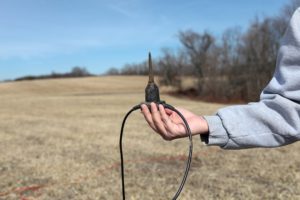
Technicians working in the field collect rock, soil, and mineral samples to determine resource viability and location. They use seismic equipment, ground-penetrating radar, and other advanced technologies during data collection. Their work isn't limited to oil prospecting—they also search for gold and other precious metals, minerals, and hydrocarbons. The geological information they collect may later prove valuable to decontamination technicians when a site or mine closes.
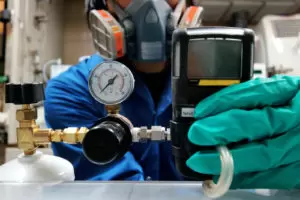
Laboratory and office-based technicians analyze data gathered by fieldworkers, often working with complex datasets to produce reports for senior decision-makers. They frequently use technologies such as Geographic Information Systems (GIS) to map large areas and identify potential resource deposits. These technicians collaborate with GIS specialists who provide additional analytical depth. They integrate visual map data with previously published research to create comprehensive scientific reports that guide exploration and extraction decisions.
Where Does a Geological and Petroleum Technician Work?
According to recent Bureau of Labor Statistics data, approximately 12,900 geological and hydrologic technicians work in the United States. Their work environments vary significantly based on their specific role and employer.
Estimates suggest that significant portions of technicians' work involve support roles at mining or extraction facilities, providing on-site guidance and producing scientific reports for facility management. These professionals help engineers and managers make informed decisions about resource extraction operations.
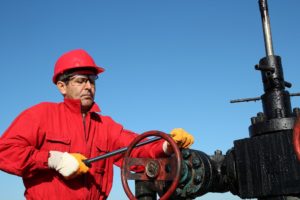
Many technicians work directly at mines or drilling rigs, offering day-to-day operational support and real-time data analysis. These positions typically involve on-call schedules rather than traditional 9-to-5 hours, and work sites may be many miles from population centers. Field technicians should expect irregular schedules and extended periods at remote locations.
Other employment settings include engineering services companies (typically office-based consulting and technical support), laboratory positions focused on sample analysis, and third-party technical consulting services. The exact distribution across these sectors varies by region and current industry demands.
What Is the Average Geological and Petroleum Technician Salary?
Compensation for Geological and Petroleum Technicians varies based on specialization, industry sector, and geographic location. According to the most recent Bureau of Labor Statistics data from May 2024, the median annual wage for geological and petroleum technicians was $50,510. This means that half of all technicians in this field earned more than this amount, while the other half earned less.
Salary ranges vary considerably depending on experience and sector. The lowest 10 percent of earners made less than $32,830 annually, while the highest 10 percent earned more than $92,210. Industry sector significantly impacts earning potential, with technicians in oil and gas extraction and mining operations typically commanding higher salaries than those in consulting or government positions.
For those interested in hydrology-focused work, hydrologic technicians earned a median annual wage of $58,570 in May 2024, reflecting the specialized nature of water resource management and monitoring work.
What Is the Job Demand for Geological and Petroleum Technicians?
Employment for geological and hydrologic technicians is projected to grow 1 percent from 2024 to 2034, which is slower than the average for all occupations. Despite this modest growth rate, approximately 1,700 job openings are projected each year on average over the decade. Most of these openings will result from the need to replace workers who transfer to different occupations or retire.
The job outlook reflects ongoing changes in the energy sector. Demand for natural gas continues to drive geological exploration needs in certain regions. Natural gas is often considered cleaner than coal and oil, but its use varies by region and is subject to evolving energy policies and market factors. Many untapped natural gas resources remain beneath the surface, and where production increases, technicians will be needed to monitor and support extraction operations.
It's worth noting that technological advances—including drones and automated sampling equipment—may reduce the need for some field technician positions. However, the complexity of resource extraction and the need for human expertise in data interpretation ensure continued demand for skilled professionals who can work with both traditional and emerging technologies.
What Are the Education Requirements to Become a Geological and Petroleum Technician?
Education requirements vary by job role, geographic location, and employer preferences, though formal education significantly improves career prospects. For most entry-level positions, an Associate's Degree in applied science or a science-related technology field is the minimum requirement. High school graduates should pursue post-secondary certifications in applied science or related technical fields.
Many colleges now offer flexible approaches to applied geoscience education. If you have strong information technology skills and technical aptitude, you might enter the field with geoscience technical qualifications rather than a traditional degree. Coursework or certification in GIS can be particularly valuable, especially for office-based analytical positions.
For those pursuing a degree path, a geology degree with GIS or surveying coursework provides excellent preparation, particularly if you're interested in fieldwork. Computer science skills offer a significant advantage in today's data-driven environment, while chemistry coursework is advisable but not essential. Some employers prefer candidates with bachelor's degrees, especially for positions that involve complex data analysis or project management.
A Master's Degree can be advantageous if you wish to specialize—for example, becoming a GIS Technician or moving into supervisory roles. However, most specialized training occurs on the job once you have a solid educational foundation. Doctoral degrees are typically only necessary for those pursuing university teaching or advanced research positions.
Essential Skills for Geological and Petroleum Technicians
Success as a Geological and Petroleum Technician requires a combination of technical expertise, physical capabilities, and interpersonal skills. The demanding nature of this work means you'll need to develop proficiency across multiple areas.
Technical and analytical skills form the foundation of this career. You'll need strong competency in data collection and analysis, including proficiency with scientific instruments, computer modeling software, and database management systems. GIS skills are increasingly essential, as is the ability to interpret geological maps, seismic data, and laboratory test results. You should be comfortable learning new technologies, as equipment and analytical methods continue to evolve.
Physical stamina and adaptability are critical for field positions. Field technicians must be prepared to work outdoors in varying weather conditions, including extreme heat, cold, and precipitation. You may need to hike to remote locations while carrying equipment, work irregular hours, including nights and weekends, and spend extended periods away from home. The ability to maintain equipment in challenging field conditions and troubleshoot technical problems with limited resources is essential.
Communication and teamwork skills matter more than many people realize. You'll work closely with scientists, engineers, and other technicians, often as part of multidisciplinary teams. Clear written communication is essential for creating accurate field logs, laboratory reports, and data summaries. You'll need to explain technical findings to non-specialists and present information in formats accessible to various audiences, from field crews to senior management.
Petroleum Technician Jobs & Job Description
The petroleum industry is a multi-billion-dollar sector known for demanding but rewarding careers. A Geological and Petroleum Technician's job varies by employer, but several core components and duties are standard across most positions.
Educational foundation and technical knowledge: Many positions prefer a Bachelor's degree in petroleum engineering, geology, or a related geoscience field, but most entry-level technician roles only require an Associate's degree in applied science or a related field. Employers may accept candidates with relevant experience and technical certifications in place of higher degrees. You'll need a strong working knowledge of geological features in your area of work, including formation characteristics, resource indicators, and local geology. The ability to study underground geology using techniques including core sampling, drilling, and high-resolution seismic reflection is fundamental to the role.
Field and equipment responsibilities: Field technicians must be comfortable working outdoors in varying environmental and weather conditions. Many positions involve work in remote camps and oil fields that may lack modern amenities. You'll need the ability to utilize drilling equipment, large trucks, construction equipment, and other specialized machinery required for data collection. Regular equipment inspection and calibration are ongoing responsibilities, as is providing or arranging maintenance when needed.
Data and reporting duties: The position requires excellent verbal, written, and technical skills to produce accurate geological logs and reports. You'll work with written documentation, graphical data, and geological mapping to communicate findings. Determining reservoir location and characteristics of oil and gas reserves requires both field data and laboratory analysis. Long periods in an office or laboratory may be necessary for data compilation and analysis work.
Practical considerations: Extensive travel may be required to visit various work sites, sometimes including international locations. The work demands flexibility in schedule and location, with some positions involving rotational schedules in which you work several weeks on-site, followed by time off.
Senior-level positions, such as Senior Geological and Petroleum Technician or Geological and Petroleum Manager, build on entry-level responsibilities with additional requirements. These roles typically require either a Bachelor's degree with extensive work experience or a Master's degree or Ph.D. in petroleum engineering, geology, or related fields. Senior technicians evaluate field sites and design sampling methods, work plans, and budgets. They develop new approaches to studying subsurface geology while considering time and cost constraints. Managing and training field crews becomes a key responsibility, as does using simulation programs to predict project outcomes. Strong presentation skills are essential for creating and delivering geological information to stakeholders and clients in formats that diverse audiences can understand. Senior professionals provide educational support at government, client, and management meetings, aid in identifying and analyzing new oil and gas reservoir sites, and regularly attend required meetings.
What Kind of Societies and Professional Organizations Do Geological and Petroleum Technicians Have?
This critical field has several prestigious organizations that provide networking opportunities, professional development, and industry advocacy:
American Geosciences Institute: AGI is part of the National Academy of Sciences, providing tools and networks through which any professional working in geoscience can share information and advance the science. The organization offers resources for career development, education, and staying current with industry trends.
National Mining Association: The NMA advocates for mining professionals across all sectors and job functions. The association provides industry updates, regulatory information, and professional resources relevant to technicians working in mining operations.
Geological Society of America: Despite its name, it is a global organization that advocates for high-quality geoscience research. It brings together professionals in an environment dedicated to advancing the industry through conferences, publications, and collaborative research opportunities.
Frequently Asked Questions
Do I need a degree to become a Geological and Petroleum Technician?
Most entry-level positions require at least an Associate's degree in applied science or a science-related technology field. While some employers may hire candidates with strong IT skills and relevant technical certifications, a formal degree significantly improves your job prospects and advancement opportunities. Bachelor's degrees are preferred for positions involving complex analysis or management responsibilities.
What's the difference between field technicians and laboratory technicians?
Field technicians spend most of their time outdoors at drilling sites, mines, or exploration locations, collecting samples and operating equipment such as seismic instruments and ground-penetrating radar. Laboratory technicians work primarily indoors,s analyzing samples, creating reports, and using GIS software to map geological features. Many technicians develop skills in both areas over the course of their careers.
Is the petroleum industry still growing, or should I be concerned about the shift to renewable energy?
While renewable energy is growing, demand for natural gas and petroleum products remains strong globally. The field is evolving rather than disappearing—natural gas extraction is increasing because it's cleaner than coal and oil. Job growth of 1% through 2034 reflects a stable but mature industry. Consider focusing on skills that transfer across energy sectors, including GIS, data analysis, and resource management.
Can Geological and Petroleum Technicians work remotely?
Field technicians cannot work remotely, as the job requires on-site data collection and equipment operation, often in locations far from urban areas. However, some laboratory and data analysis positions offer remote work options for part of the workweek. The amount of remote work available depends on your specific role and employer policies.
What certifications help Geological and Petroleum Technicians advance their careers?
GIS certifications are increasingly valuable across the industry. Professional certifications from organizations like the American Institute of Professional Geologists (AIPG) can enhance credibility. Specialized training in specific equipment, software platforms (like Petrel or ArcGIS), or analytical techniques also supports career advancement. Many employers value continuing education in emerging technologies like drone operation and automated sampling systems.
Key Takeaways
- Dual Work Environment: Geological and Petroleum Technicians split time between fieldwork collecting samples in remote locations and laboratory work analyzing data—careers often combine both aspects throughout different projects.
- Competitive Compensation: The median salary of $50,510 reflects entry-level and mid-career positions, with experienced oil and gas extraction technicians earning significantly more, with the top 10% exceeding $92,000 annually.
- Education Flexibility: While an Associate's degree provides entry, Bachelor's degrees improve advancement opportunities, and strong GIS and computer skills can sometimes offset traditional degree requirements for certain positions.
- Stable but Evolving Field: With 1% projected growth through 2034 and approximately 1,700 annual openings, the field offers steady employment primarily driven by replacement needs rather than expansion—natural gas demand continues while automation impacts some positions.
- Physical Demands Matter: Field positions require comfort with irregular schedules, remote locations without modern amenities, extended time away from home, and outdoor work in all weather—consider whether this lifestyle aligns with your personal circumstances.


Ready to explore a career in geological and petroleum technology? Discover degree programs in geology, petroleum engineering, and applied geosciences that can prepare you for this hands-on, technically demanding field.

Petroleum Technician - Related Degrees
2024 US Bureau of Labor Statistics salary and job growth figures for geologic and hydrologic technicians reflect national data, not school-specific information. Conditions in your area may vary. Data accessed January 2026.