
Environmental policy and planning careers focus on creating regulations and land-use strategies that balance development with environmental protection. These roles typically require master's-level education and offer median salaries ranging from $83,720 for urban planners to $132,350 for policy analysts. The field shows mixed job growth, with urban planning growing 3% through 2034 while political science roles decline 3%.
Environmental policy and planning are specialized fields that address the administrative and regulatory aspects of environmental preservation and sustainable development. While these terms are sometimes used interchangeably, they represent distinct career paths with different focuses, educational requirements, and employment outlooks.
Environmental policy professionals work within government agencies, nonprofits, and research institutions to develop regulations and legislation that protect natural resources and address environmental challenges. They analyze scientific data, evaluate current laws, and craft new policies that address evolving environmental conditions, such as climate change, pollution, and habitat loss.
Environmental planners focus on land-use, zoning, and development strategies that minimize ecological impacts while meeting community needs. They create comprehensive plans for sustainable development, assess environmental risks associated with proposed projects, and ensure that construction and growth align with conservation goals.
Environmental Policy vs. Environmental Planning: Understanding the Difference
Many students exploring environmental science degrees wonder about the distinction between policy and planning careers. While both fields work toward environmental protection, they approach challenges from different angles.
| Aspect | Environmental Policy | Environmental Planning |
|---|---|---|
| Primary Focus | Legislation, regulation, and compliance frameworks | Land use, zoning, and sustainable development strategies |
| Typical Job Titles | Policy Analyst, Legislative Aide, Regulatory Affairs Specialist, Political Scientist | Urban Planner, Regional Planner, Conservation Planner, Land Use Consultant |
| Work Product | Policy briefs, regulatory documents, impact assessments, advocacy campaigns | Comprehensive plans, zoning ordinances, environmental impact statements, site assessments |
| Primary Employers | Federal/state agencies, advocacy organizations, think tanks, lobbying firms | Local/regional governments, consulting firms, development companies, nonprofits |
| Median Salary (2024) | $132,350 (political scientists) | $83,720 (urban and regional planners) |
| Job Outlook (2024-2034) | -3% decline for political scientists | 3% growth for urban planners |
Understanding this distinction is essential when choosing your educational pathway. Environmental policy careers typically draw on backgrounds in political science, public policy, and environmental studies, while planning roles often require urban planning, geography, or environmental science degrees with a planning emphasis.
Environmental Planning & Policy Employment Conditions
Careers in environmental policy and planning primarily involve office-based work that centers on research, analysis, writing, and stakeholder collaboration. You'll spend considerable time reviewing scientific studies, drafting reports, analyzing data, and meeting with government officials, community groups, and industry representatives.
Environmental planning positions may include more fieldwork than policy roles. Planners frequently visit project sites to assess environmental conditions, evaluate development proposals, and conduct community consultations. This might mean working outdoors in various weather conditions or traveling to rural areas for site inspections.
Educational Reality Check
It's important to understand that most careers in environmental policy and planning require graduate education. While you can find entry-level positions with a bachelor's degree, advancement into true policy development or comprehensive planning roles typically requires a master's degree. This represents a significant educational investment—usually 5-7 years of post-secondary education, including both undergraduate and graduate studies.
Primary Employers
Government agencies at all levels—federal, state, and local—are the largest employers of environmental policy and planning professionals. Federal agencies like the Environmental Protection Agency (EPA), the Department of the Interior, and the Department of Agriculture employ policy analysts and planners. State environmental and natural resources departments offer similar opportunities, while local governments hire urban planners to manage growth and development.
Beyond government, you'll find positions with:
- Environmental consulting firms
- Nonprofit conservation organizations
- Advocacy groups and think tanks
- Private sector companies (compliance and sustainability roles)
- Academic institutions and research centers
- Legal firms specializing in environmental law
Skills Needed for Success
Success in environmental policy and planning demands a blend of technical knowledge and interpersonal skills. You'll need strong analytical abilities to interpret complex environmental data, evaluate policy options, and assess development impacts. Research skills are essential for investigating legal precedents, scientific findings, and community needs.
Communication skills matter tremendously in these fields. You'll translate technical information for policymakers and the public, write persuasive policy briefs, and present findings to diverse audiences. Many positions require public speaking at community meetings or legislative hearings.
Additional skills include:
- Geographic Information Systems (GIS) proficiency
- Statistical analysis and data visualization
- Knowledge of environmental regulations and planning law
- Project management and stakeholder coordination
- Political awareness and strategic thinking
- Conflict resolution and negotiation
Environmental Planning & Policy Job Outlook
The employment outlook for environmental policy and planning careers varies significantly depending on your specific career path. It's essential to understand that recent Bureau of Labor Statistics data shows markedly different trends for policy-focused versus planning-focused roles.
Urban and Regional Planning: Modest Growth
Urban and regional planners specializing in environmental concerns can expect modest but steady job growth. The BLS projects 3% employment growth from 2024 to 2034, which aligns with the average growth rate for all occupations. This translates to approximately 3,400 annual job openings, driven by population growth, demographic shifts, environmental challenges, and the need to replace retiring workers.
Planning positions benefit from several long-term trends:
- Growing emphasis on sustainable development and climate adaptation
- Increased urban population density requires thoughtful land-use strategies
- Aging infrastructure needing environmental assessment and replacement
- Rising sea levels and extreme weather events dare riving resilience planning
- Local governments seeking to balance economic growth with conservation
Political Science & Policy Analysis: Declining Employment
In contrast, employment for political scientists—which includes many environmental policy analysts—is projected to decline 3% from 2024 to 2034. The field will see approximately 500 annual openings, but these represent replacement positions rather than net growth. This decline reflects reduced demand for policy research positions in government and academic institutions.
This doesn't mean environmental policy careers are disappearing. It does mean that:
- Competition for policy analyst positions will be intense
- Advanced degrees and specialized expertise are increasingly necessary
- You may need to be geographically flexible, as opportunities concentrate in Washington D.C., state capitals, and major metropolitan areas
- Career advancement may require moving between sectors (government, nonprofit, private)
Environmental Science Roles: Better Outlook
Interestingly, environmental scientists face better employment prospects than policy-focused political scientists. Environmental scientist positions are projected to grow 4% from 2024 to 2034, with about 8,500 annual openings. This suggests that combining environmental science expertise with policy knowledge may offer stronger career prospects than pursuing political science alone.
2024 US Bureau of Labor Statistics salary and job growth figures for urban and regional planners, political scientists, and environmental specialists reflect national data, not school-specific information. Conditions in your area may vary. Data accessed January 2026.
Environmental Planning / Policy Jobs & Job Description
Environmental policy and planning professionals work across various sectors to address land use, conservation, and environmental regulation. While responsibilities vary by position and sector, these careers share common threads of research, analysis, stakeholder engagement, and strategic problem-solving.
Core Responsibilities
Professionals in environmental planning and policy typically handle these responsibilities:
- Evaluate proposed land use changes and development projects for environmental impact
- Ensure compliance with zoning regulations, environmental laws, and engineering standards
- Research and analyze federal, state, and local environmental policies and regulations
- Develop remediation strategies for contaminated sites or degraded ecosystems
- Collect, organize, and analyze environmental data to support decision-making
- Prepare reports, presentations, and policy briefs for stakeholders and decision-makers
- Facilitate public meetings and community engagement processes
- Coordinate with interdisciplinary teams, including scientists, engineers, and legal experts
- Monitor policy implementation and assessthe effectiveness of environmental programs
- Provide technical feedback on proposed regulations and legislation
- Maintain project budgets and manage consultant contracts
- Build relationships with government agencies, community organizations, and private sector partners
Senior-Level Leadership Responsibilities
As you advance into senior environmental policy and planning positions, your responsibilities shift toward strategic leadership and program management. Senior professionals typically:
- Develop organizational policy frameworks and strategic plans
- Oversee large-scale conservation or development projects
- Manage teams of analysts, planners, and technical specialists
- Direct resource allocation and budgetary decisions
- Represent their organization in high-level negotiations and partnerships
- Secure grant funding and manage major contracts
- Coordinate regional or statewide environmental initiatives
- Provide expert testimony to legislative bodies or regulatory agencies
- Lead interdisciplinary task forces addressing complex environmental challenges
- Mentor junior staff and create professional development opportunities
- Set organizational priorities for environmental advocacy or conservation efforts
Day-to-Day Work Variations
Your daily work varies significantly depending on your specific role:
Policy Analysts spend substantial time researching legislation, analyzing policy proposals, writing position papers, and meeting with elected officials or regulatory agencies. You might draft amendments to environmental regulations, assess economic impacts of proposed policies, or coordinate advocacy campaigns.
Urban and Regional Planners balance desk work with community engagement and site visits. You'll review development applications, create comprehensive land-use plans, conduct environmental assessments, facilitate public hearings, and coordinate with developers, engineers, and community groups to ensure projects meet environmental standards.
Conservation Planners focus specifically on habitat protection and natural resource management. You might identify priority conservation areas, develop management plans for protected lands, coordinate acquisition of conservation easements, and work with landowners to implement sustainable practices.
Education Requirements and Salary Expectations
Environmental policy and planning careers require significant educational investment, with most professional positions demanding graduate degrees. Understanding the relationship between education level and career opportunities helps you plan your path strategically.
Associate's Degree Level (Entry Support Roles)
While positions in true environmental policy and planning require bachelor's degrees or higher, an associate's degree can provide entry into supporting roles that offer valuable experience and exposure to the field.
With an AS or AA, you might find positions as:
- Public Affairs or Outreach Coordinator: Supporting policy organizations by managing community education programs, coordinating public involvement initiatives, and communicating environmental information to diverse audiences. This role bridges policy development and public understanding.
- Environmental Science and Protection Technician: Assisting environmental scientists and specialists with field work, laboratory testing, data collection, and monitoring activities that inform policy decisions.
| Position | Median Annual Salary (May 2024) | Typical Responsibilities |
|---|---|---|
| Public Relations Specialist | $69,780 | Communications, public outreach, media relations for environmental organizations |
| Environmental Science and Protection Technician | $49,490 | Field sampling, laboratory analysis, data collection, monitoring activities |
If you're considering an associate's degree as your entry point, prioritize programs that transfer cleanly to four-year institutions. Your primary goal at this level should be building a foundation for your bachelor's program while gaining relevant work experience.
Bachelor's Degree Level (Entry Professional Roles)
A bachelor's degree opens doors to entry-level professional positions in environmental policy and planning, though advancement typically requires graduate education. Common bachelor's degrees for this career path include:
- BS in Environmental Policy and Management
- BA in Environmental Studies with policy emphasis
- BS in Sustainability
- BA in Political Science with an environmental focus
- BS in Urban and Regional Planning
- BS in Geography with planning concentration
Your undergraduate coursework should cover:
- Environmental science and ecology fundamentals
- Environmental law and regulation
- Policy analysis and development
- Research methods and statistical analysis
- GIS and spatial analysis
- Public administration and governance
Entry-level positions at the bachelor's degree level include:
| Position | Median Annual Salary (May 2024) | Career Progression |
|---|---|---|
| Environmental Scientist and Specialist | $80,060 | Advance to senior scientist, project manager, or specialize in policy analysis |
| Public Relations Specialist (Environmental Focus) | $69,780 | Move into communications director or public affairs management roles |
| Junior Urban/Regional Planner | $83,720 | Gain experience toward master's degree and professional certification (AICP) |
At the bachelor's level, you'll likely start in supporting roles—conducting research for senior analysts, assisting with plan development, managing databases, coordinating community outreach, or preparing background materials for policy documents. These positions provide essential experience but have limited advancement potential without graduate education.
Master's and Doctoral Level (Professional and Leadership Roles)
Graduate education is where environmental policy and planning careers truly open up. Master's and doctoral programs provide the specialized knowledge, research capabilities, and professional networks necessary for advanced positions.
Common graduate degrees include:
- Master of Public Policy (MPP) with environmental concentration
- Master of Public Administration (MPA) with environmental focus
- Master of Urban and Regional Planning (MURP)
- Master of Environmental Management (MEM)
- Master of Science in Environmental Policy
- Master of Environmental Planning and Design
- Juris Doctor (JD) for environmental law careers
- PhD in Environmental Policy for research and academic positions
Graduate-level environmental policy and planning positions command significantly higher salaries and offer greater influence over environmental outcomes:
| Position | Median Annual Salary (May 2024) | Typical Education Requirement |
|---|---|---|
| Political Scientist (Policy Analyst) | $132,350 | Master's or PhD in Political Science, Public Policy, or related field |
| Urban and Regional Planner (Senior Level) | $83,720 | Master's in Urban Planning; AICP certification preferred |
| Natural Sciences Manager | $161,180 | Master's or PhD; extensive experience managing environmental programs |
| Environmental Lawyer | $151,160 | Juris Doctor (JD); bar admission; environmental law experience |
| Management Analyst (Environmental Focus) | $101,190 | Master's in Public Administration, Business, or Policy |
| Construction Manager (Environmental Projects) | $106,980 | Bachelor's minimum; Master's preferred for large environmental remediation projects |
| Emergency Management Director (Environmental Focus) | $86,130 | Master's in Emergency Management, Public Administration, or related field |
Professional Certification: AICP
For planning careers, earning the American Institute of Certified Planners (AICP) certification significantly enhances your professional credentials. The AICP requires a combination of education and experience (typically a master's degree plus two years of professional planning work), passage of a comprehensive examination, and adherence to a professional code of ethics.
Many employers prefer or require AICP certification for senior planning positions. The credential demonstrates your commitment to professional standards and ongoing professional development.
Typical Career Progression Timeline
Here's a realistic timeline for career advancement in environmental policy and planning:
- Years 0-2: Complete bachelor's degree; gain internship experience
- Years 3-5: Entry-level position with bachelor's degree OR pursue a master's degree
- Years 6-10: Professional-level work with a master's degree; pursue AICP or other relevant certifications
- Years 11-15: Senior analyst or planner roles; lead significant projects; potential management responsibilities
- Years 15+: Leadership positions such as planning director, policy director, or senior management in agencies or consulting firms
This timeline assumes continuous career progression, but many professionals take longer due to pauses for additional education, career changes, or personal circumstances.
Learn more about environmental policy degrees and education.
Frequently Asked Questions
What's the difference between environmental policy and environmental planning?
Environmental policy focuses on creating and analyzing regulations, legislation, and compliance frameworks that protect natural resources. Policy professionals work on laws, government programs, and advocacy initiatives. Environmental planning focuses on land-use, zoning, and development strategies that minimize environmental impacts. Planners create comprehensive plans, assess development proposals, and coordinate sustainable growth at the regional and local levels. Think of policy as the "rules" and planning as "how we use space within those rules."
Do I need a master's degree for environmental policy careers?
For true policy development and senior planning roles, yes—a master's degree is typically essential. While you can enter the field with a bachelor's degree in supporting roles like research assistant or junior analyst, advancement into positions where you actually develop policy or lead planning initiatives requires graduate education. Most competitive applicants for policy analyst and senior planner positions hold master's degrees in public policy, public administration, urban planning, or environmental management. The investment in graduate education significantly expands your career opportunities and earning potential in this field.
What's the job outlook for environmental planners and policy makers?
The outlook varies by career path. Urban and regional planners can expect modest 3% growth through 2034, with about 3,400 annual job openings nationwide. However, political scientists (which includes many policy analysts) face a 3% employment decline over the same period, with only 500 annual openings primarily for replacement rather than growth. Environmental scientists who specialize in policy work have better prospects at 4% growth. The field is competitive, and positions are concentrated in major metropolitan areas, state capitals, and Washington, D.C.
Can I work in environmental policy with just a bachelor's degree?
Yes, but with limitations. A bachelor's degree qualifies you for entry-level positions such as research assistant, program coordinator, or junior environmental analyst. These roles support policy development but don't typically involve creating policy yourself. You'll conduct research, gather data, coordinate meetings, prepare background materials, and assist senior staff. These positions offer valuable experience and can help you decide whether to invest in graduate education. However, career advancement and higher salaries generally require a master's degree. Many professionals work for 2-3 years with a bachelor's degree, then pursue graduate education to unlock senior-level opportunities.
What types of organizations hire environmental policy professionals?
Environmental policy and planning professionals work across multiple sectors. Government agencies at federal, state, and local levels are the largest employers—think EPA, Department of the Interior, state environmental agencies, and local planning departments. Nonprofit organizations, including environmental advocacy groups, conservation nonprofits, and think tanks, employ policy analysts and researchers. Private sector opportunities exist in environmental consulting firms, corporate sustainability departments, and companies needing regulatory compliance expertise. Academic institutions hire policy researchers and professors. Legal firms specializing in environmental law employ policy experts to support litigation and regulatory work. Most opportunities concentrate in Washington D.C., state capitals, and major metropolitan areas with substantial environmental concerns.
Key Takeaways
- Distinct Career Paths: Environmental policy focuses on regulation and legislation development, while environmental planning emphasizes land use and sustainable development strategies. Understanding this distinction helps you choose the right educational pathway and career focus.
- Graduate Education Essential: Most professional environmental policy and planning positions require master's degrees. While you can start with a bachelor's degree, advancement into roles where you actually create policy or lead planning initiatives typically requires graduate education, representing a 5-7 year educational investment.
- Mixed Job Outlook: Urban and regional planners face modest 3% growth through 2034, while political scientists specializing in policy experience 3% decline. Competition is intense, with opportunities concentrated in government agencies, major metropolitan areas, and Washingto,n D.C.
- Salary Range Varies: Median salaries span from $49,490 for technician positions to $161,180 for natural sciences managers. Urban planners earn $83,720 median while policy analysts (political scientists) earn $132,350 median. Your education level, specialization, and geographic location significantly affect earning potential.
- Interdisciplinary Skills Required: Success demands both technical capabilities (GIS, data analysis, environmental science) and interpersonal skills (communication, stakeholder engagement, policy writing). You'll need to translate complex environmental information for diverse audiences and coordinate among scientists, officials, and community members.
Ready to explore environmental policy and planning programs? Find accredited degree programs that prepare you for careers shaping environmental regulations and sustainable development.
2024 US Bureau of Labor Statistics salary and job growth figures for urban and regional planners, political scientists, environmental scientists, and related occupations reflect national data, not school-specific information. Conditions in your area may vary. Data accessed January 2026.
Jump to Careers in Environmental Policy and Planning
- Chief Operating Officer
- Data Scientist
- Engineering Geologist
- Environmental Accountant
- Environmental Economist
- Environmental Educator
- Environmental Lawyer
- Environmental Lobbyist
- Environmental Planner
- Environmental Policy Analyst
- Environmental Remediator
- Environmental Sociologist
- Geospatial Analyst
- Land Use Planner
- Power Transmission Engineer
- Preservation Planner
- Public Involvement Specialist
- Recreation Planner
- Recreational Consultant
- Recreational Open Space Analyst
- Registered Environmental Assessor
- Statistician
- Surveyor Cartographer
- Traditional Cultural Property Expert
- Transportation Engineer
- Transportation Modeling Specialist
- Transportation Planner
- Urban Planner
- Wildlife Educator
Chief Operating Officer
A Chief Operating Officer is a business manager rather than a direct environmental professional. In the environmental sector, it is the business, organization and logistics skills for which they are valued. Although they do not need specific environmental training, many choose to enter this type of role from qualifications in environmental policy, environmental law and other business related areas. The modern fusion of business and environmental qualifications means that there is a growing demand for business leaders with advanced (and often specific) knowledge of the technical and scientific industries that they serve.
Learn more about how to become a Chief Operating Officer >>>
Data Scientist

Learn more about how to become a Data Scientist >>>
Engineering Geologist
Learn more about how to become an Engineering Geologist >>>
Environmental Accountant

Are you interested in changing the way companies do business? Over the past few decades we've learned much about the environmental costs of business as usual. Environmental accountants, who determine environmental costs and performance, can help improve business decisions and operations so that they tread more lightly on the earth. When reported to governments, the calculations of environmental accountants can even be helpful in shaping future regulations. If you enjoy math, want to make a difference, and desire to be part of an evolving specialty on the cutting edge of your field, a career in environmental accounting may be for you.
Learn more about how to become an Environmental Accountant >>>
Environmental Economist
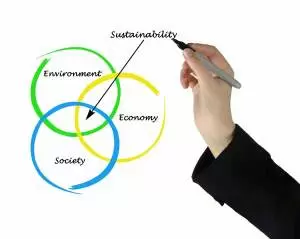
We’ve all heard the perspective that it’s one or the other – the economy or the environment; these two needs are in direct conflict. Or are they? Environmental economists attempt to integrate both of these needs to reduce the environmental impacts of economic activity and develop sustainable economic policies. With both recognition of environmental degradation and human population rising, economic approaches to problem solving are increasingly important. Whether it’s analyzing the job growth potential of the Keystone XL pipeline, or the economic toll of the Deepwater Horizon disaster off the coast of Louisiana, environmental economists play a key role in understanding how our activities affect the planet, and how we can make them greener.
Learn more about how to become an Environmental Economist >>>
Environmental Educator

Learn more about how to become an Environmental Educator >>>
Environmental Lawyer

Learn more about how to become an Environmental Lawyer >>>
Environmental Lobbyist

Learn more about how to become an Environmental Lobbyist >>>
Environmental Planner

Environmental planners function similarly to environmental engineers, but are more directly involved with land use and planning in urban, suburban, and rural environments. Most significantly, environmental planners are responsible for developing both short and long-term plans for development projects at all scales. Environmental planners will commonly work with environmental consultants or environmental engineers to develop a course of action over a given time frame, and then communicate their findings to the stakeholders responsible for that area. Environmental planners must be highly interdisciplinary, as their day-to-day activities can include anything from site-auditing, creating maps or system designs, reviewing legislation and regulations, outlining time frames, or detailing project budgets. In addition, a career as an environment planner will suit individuals with strong interpersonal skills well, as work duties require strong collaboration and communication across a variety of sectors. To best prepare oneself for a career as an environmental planner, higher education training in programs such as urban planning and design, natural resource management, or sustainable development should be sought after. The prospect of working as an environmental planner is an exciting one, and will give individuals a “driver’s seat” type position in the global shift towards a more sustainable future.
Learn more about how to become an Environmental Planner >>>
Environmental Policy Analyst
The need to realign or “reboot” our businesses, manufacturing, economy, transportation systems, cities, energy sources, homes, and lives to make them sustainable has never been clearer. How to do this is less clear. The need for answers will open up jobs for people who can research and understand the many moving pieces involved in creating good public policies. Environmental policy analysts help develop the answers that, when implemented, will help our social systems evolve. With a career in environmental policy, you can be at the forefront of creating and implementing those initiatives, developing a sustainable society and changing the world for the better.
Learn more about how to become an Environmental Policy Analyst >>>
Environmental Remediator

There are many different Environmental Remediation careers that all involve the planning and implementation of pollution cleanup. Environmental Remediation careers are growing because of the budding Green Economy, their essential nature, and overall versatility. The Environmental Remediation field offers a wide array of jobs that are suitable for most background and education levels.
Learn more about how to become an Environmental Remediator >>>
Environmental Sociologist

Why do some groups of people accept the scientific consensus of human-induced climate change while others don't? How do social development and changing demographics from population growth, immigration, and globalization affect the environment and our attitudes toward it? Why and how do certain groups of disadvantaged people come to be subjected to a greater degree of environmental hazards than others? Environmental sociologists study these and other social dynamics of human-environment interactions to understand the attitudes and motivations of human groups, and suggest ways to address sociological stumbling blocks to sustainability.
Learn more about how to become an Environmental Sociologist >>>
Geospatial Analyst

Learn more about how to become a Geospatial Analyst >>>
Land Use Planner
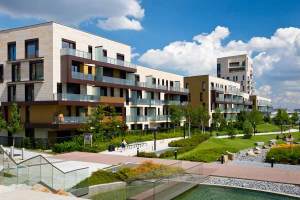
Learn more about how to become a Land Use Planner >>>
Power Transmission Engineer

Power Transmission Engineers are responsible for ensuring that our power needs are maintained. Not only that, but ensuring the best efficiency of placement of powerlines, that those responsible for building lines and network adhere to environmental standards and legal requirements. They may design construction plans and research environmental issues ahead of new power cables and lines to ensure minimum disruption during the building phase. They are essentially engineers, but plan infrastructure over a wide geographic area and with broader understanding of logistics.
Learn more about how to become a Power Transmission Engineer >>>
Preservation Planner

Preservation Planners are a type of Conservationist. They differ from other types of conservationist in that they see landscapes and areas as organic systems. That means, rather than being interested in a single element (wildlife, waterways, specific species) they seek to preserve the landscape for all of its component parts. This means the cultural / archaeological landscapes and the natural processes that make it a living, breathing environment. They have a background in preservation and conservation primarily, typically studying geography.
Learn more about how to become a Preservation Planner >>>
Public Involvement Specialist

In the modern world of social media, the public expects organizations to reach out, inform and engage. Public engagement is a vital part of any promotional campaign for charitable organizations, public works an general awareness raising of issues. That is why Public Involvement Specialists are vital in public, private and charitable sectors equally. They are expert at using media to reach out to relevant audiences in ways with which they are most comfortable and familiar. They are, at once, advocates, PR representatives and marketing managers. They are vital for spreading information about health issues and environmental concerns.
Learn more about how to become a Public Involvement Specialist >>>
Recreation Planner

Learn more about how to become a Recreation Planner >>>
Recreational Consultant

Learn more about how to become a Recreational Consultant >>>
Recreational Open Space Analyst

When planning new towns and cities, or redeveloping existing urban areas, thoughts will inevitably turn to aspects that make these areas a pleasant place to live. We need residential, commercial and industrial areas and infrastructure, but we also need pleasant open spaces for recreation and places for people that simply improve the general aesthetic. We cannot always put a financial value on these things, but they are highly influential in improving an area’s desirability. In rural settings, they help design systems and trails to promote ecology and enhance visitor experience.
Learn more about how to become a Recreational Open Space Analyst >>>
Registered Environmental Assessor
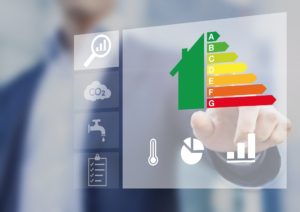
Learn more about how to become a Registered Environmental Assessor >>>
Statistician

Learn more about how to become a Statistician >>>
Surveyor Cartographer
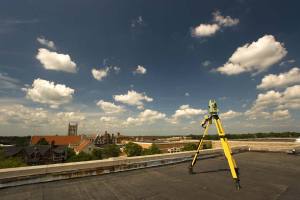
Learn more about how to become a Surveyor Cartographer >>>
Traditional Cultural Property Expert
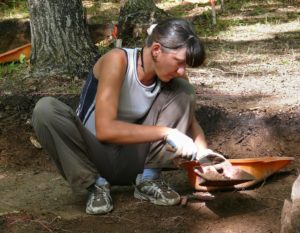
Learn more about how to become a Traditional Cultural Property Expert >>>
Transportation Engineer

Transport Engineers are responsible for designing various transportation systems or improving the designs of current transportation infrastructures. They also develop solutions to various transportation issues, such as heavy traffic and high accident rates. Though Transport Engineers spend the majority of their time in an office environment, they are sometimes required to supervise construction work on site. At minimum this position requires a bachelor’s degree from special programs, as well as licensure. Extensive work experience and possibly higher education may be needed for career advancement. Increasing population, aging infrastructures, and heightened demand for renewable energies will lead to a large amount of growth in this industry.
Learn more about how to become a Transportation Engineer >>>
Transportation Modeling Specialist

Learn more about how to become a Transportation Modeling Specialist >>>
Transportation Planner

Public transport is an essential services in every community in the USA. We need new roads, to repair older damaged roads, public transport systems to supply existing and new communities. All of this requires effective and efficient planning to ensure both smooth running and providing a service that most benefits the people who will use it. Transport Planners work in government and in private industry to ensure that the transport infrastructure operates at its most optimal by ensuring that the services used are the most optimal.
Learn more about how to become a Transportation Planner >>>
Urban Planner

Learn more about how to become an Urban Planner >>>
Wildlife Educator
Wild creatures around the world are facing unprecedented pressures from human activity. Remaining populations can't be preserved without the experts who investigate specific causes of species decline and devise solutions. Wildlife also can't survive without people who care. Wildlife educators aim to inspire a love of wildlife and cultivate behaviors that help preserve wild creatures. They also hope to inspire a new generation of professional wildlife biologists. They do this by teaching in high schools and universities. Wildlife educators recruit and train the next generation of wildlife biologists and wildlife lovers, making sure they have the information needed to help conserve them.
Learn more about how to become a Wildlife Educator >>>