
Groundwater sampling technicians collect and analyze water samples from rivers, lakes, wells, and underground water sources to monitor environmental quality and pollution levels. They earn a median salary of $80,060 nationally as of 2024, with employment projected to grow 6% through 2032. Most positions require a bachelor's degree in environmental science, biology, or related field, though some entry-level roles accept associate degrees with field experience.
Groundwater sampling technicians play a vital role in protecting our water resources. Whether you're considering this career or researching environmental science pathways, understanding what these professionals do and the opportunities available can help you make informed decisions about your future.
This specialized career combines fieldwork, laboratory analysis, and environmental science to ensure the safety and sustainability of our groundwater systems. From municipal water supplies to construction site monitoring, these technicians provide the data that guides critical environmental decisions.
What Does a Groundwater Sampling Technician Do?
Groundwater sampling technicians collect samples from standing water bodies, underground water tables, rivers, and lakes to build an understanding of environmental conditions. They work alongside hydrologists, biotechnologists, and other environmental professionals to examine groundwater quality and identify potential contamination issues.
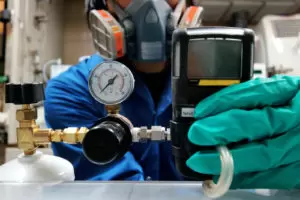
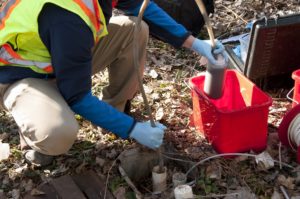
A typical day varies depending on whether you're primarily field-based or laboratory-based. Field technicians often start their mornings calibrating equipment and preparing for sample collection. Mid-day involves traveling to various sampling sites, including remote wilderness areas, urban water treatment facilities, and active construction zones. Afternoons typically focus on properly labeling and storing samples, entering field data into databases, and preparing technical reports.
Their work extends beyond environmental monitoring. Historic research in paleoenvironmental studies, archaeology, and paleontology also relies on groundwater sampling. Technicians look for preserved pollen, spore samples, and microfossils in groundwater and sediment. While the methods remain similar, these samples help scientists understand past environments rather than current conditions.
The physical demands are significant. You'll need to hike across steep slopes and rugged terrain, work in extreme weather conditions, and lift sampling equipment weighing 25-50 pounds. However, for those who prefer indoor work, laboratory positions focus on analyzing samples collected by field teams.
Where Does a Groundwater Sampling Technician Work?
Your work environment depends heavily on the career path you choose. Most technicians fall into either field collection roles or laboratory analysis positions, though many positions involve a combination of both.
The largest employer of groundwater sampling technicians is scientific and technical consulting firms, accounting for 26% of positions. These independent consultants work on a contract basis for government agencies, private businesses, research projects, and development companies. You might spend one week monitoring pollution levels for an EPA compliance project and the next assessing water quality for a commercial real estate developer.
Government agencies are the next-largest sector, accounting for 25% of employment. Federal employers include the EPA and various environmental protection agencies, while state and local positions often involve work with park services, environmental regulators, and remediation teams. National Parks, State Parks, and designated forest areas regularly employ technicians to ensure compliance with environmental regulations.
Approximately 13% of technicians work primarily in laboratory settings. If you prefer controlled indoor environments, these positions involve analyzing water samples collected by field teams. You'll use sophisticated testing equipment to measure water properties, identify contaminants, and prepare detailed analytical reports.
A higher proportion of minor percentages work in engineering services (including government roles) and in the building development sector, such as construction and civic works. Environmental protection laws require modern developments to meet specific standards, and groundwater sampling provides the evidence that projects comply with regulations.
Geographic location significantly impacts your opportunities. States with active oil and gas operations (Texas, Pennsylvania, North Dakota, Colorado) have higher demand due to fracking-related monitoring requirements. Coastal states like California and Florida need extensive water quality monitoring for both environmental and public health reasons. The Midwest relies heavily on agricultural runoff assessment, while the Northeast focuses on aging infrastructure and contamination remediation.
Groundwater Sampling Technician Salary & Compensation
Groundwater sampling technicians, who fall under the broader BLS category of Environmental Science and Protection Technicians, Including Health, earned competitive salaries as of May 2024. Understanding the salary range helps you set realistic expectations and plan your career trajectory.
| Percentile | Annual Percentile | t This Means |
|---|---|---|
| 10th Percentile | $50,130 | Entry-level posiPercentilet-time roles |
| 25th Percentile | $62,090 | Early career with 1-3 years of experience |
| Median (50th) | $80,060 | MiPercentilerofessionals |
| 75th Percentile | $103,730 | Senior technical roles |
| 90th Percentile | $134,830 | Lab supervisors, senior consultants |
The mean annual salary stands at $88,640, reflecting the strong earning potential in this field. Salary varies significantly by sector and location. Local government positions offer the highest median compensation, at approximately $51,510, across entry- to mid-level roles. Laboratory workers typically earn around $40,560 at the median, while state government and scientific consulting positions cluster near the national median.
Your earning potential increases substantially with experience, specialized certifications, and advanced degrees. Technicians who progress into senior roles, earn master's degrees, or transition to water quality specialist positions reach the 75th Percentile or higher within 7-10 years.
Skills & Job Requirements
Success as a groundwater sampling technician requires a combination of technical knowledge, physical capability, and practical skills. Entry-level positions and senior roles share many core competencies, though senior positions demand additional expertise.
Essential Skills for All Technicians:
- Capability to travel to field sites and collect groundwater samples in diverse locations
- Physical ability to work on steep slopes, rugged terrain, and varied site conditions
- Willingness to work in extreme weather conditions and temperature ranges
- Capacity to work independently or collaborate within team environments
- Knowledge of proper sampling methods and protocols for groundwater collection
- Attention to detail for accurate sample labeling and storage procedures
- Technical writing skills to produce clear, accurate reports reflecting field findings
- Specialized safety training, such as a 40-hour OSHA HAZWOPER certification
- Proficiency with GPS systems to locate and document sampling sites
- Computer skills for database entry and data management
- Ability to provide basic groundwater consultation to clients
Advanced Skills for Senior-Level Positions:
- Bachelor's or Master's of Science degree in environmental science or related field
- Comprehensive knowledge of various groundwater sources and hydrological systems
- Team leadership abilities to oversee and mentor junior technicians
- Training development skills to create job-specific instruction programs
- Professional communication skills for presenting technical reports at meetings and seminars
- Project design capabilities for groundwater sampling initiatives
- Budget development and financial management for sampling projects
- Project management skills to handle multiple concurrent tasks and meet deadlines
- Equipment maintenance expertise for routine calibration and inspection of sampling tools
Many positions require a valid driver's license and the ability to operate field vehicles. Some roles, particularly those involving contaminated sites or hazardous waste areas, demand additional certifications beyond basic HAZWOPER training.
Job Outlook & Growth
The employment outlook for groundwater sampling technicians remains positive, driven by increasing environmental awareness and regulatory requirements. According to the Bureau of Labor Statistics, environmental science and protection technicians will experience steady growth through 2032.
National employment is projected to grow 6% between 2022 and 2032, adding approximately 4,800 new positions to the existing base of 80,500 jobs. This growth rate reflects consistent demand rather than explosive expansion. More importantly, the field expects approximately 6,900 average annual openings, which include both new positions and replacements for technicians who retire or transition to other careers.
Several factors contribute to sustained demand. Stricter environmental regulations require ongoing monitoring of groundwater quality. Aging infrastructure in many urban areas necessitates increased testing for contamination from old pipes and industrial sites. Climate change impacts, including droughts and flooding, create new water management challenges that require extensive data collection.
The energy sector's evolution also affects demand. While fracking operations peaked in the mid-2010s, many regions still require active monitoring of water tables near extraction sites. Meanwhile, the growth of renewable energy projects often involves environmental impact assessments that include groundwater sampling.
Geographic demand varies significantly. Western states dealing with water scarcity, southeastern states managing agricultural runoff, and northeastern states addressing legacy contamination all have strong needs for qualified technicians. Your job prospects improve if you're willing to relocate or work in less populated areas where technician positions may be harder to fill.
Education Requirements
Educational pathways for groundwater sampling technicians offer flexibility depending on your career goals and timeline. Understanding your options helps you choose the right educational investment.
Bachelor's Degree (Minimum Standard):
Most employers expect candidates to hold a bachelor's degree in an environmentally related science. Common majors include environmental science, biology, ecology, microbiology, chemistry, or conservation studies. Your degree should incorporate extensive fieldwork, whether through laboratory courses or hands-on sample collection.
Strategic course selection matters significantly. Mathematics, physics, chemistry, and statistics coursework strengthen your quantitative analysis abilities, particularly if you're interested in data-intensive roles. These skills become essential as you advance toward senior positions or transition to related careers, such as environmental sampling technician roles covering broader environmental media.
Master's Degree (Career Advancement):
A master's degree provides substantial advantages for career progression. Graduate programs involve deeper technical detail, independent project work, and original research. Your MA or MS dissertation closely resembles professional-level work, giving you practical experience before entering the workforce.
Consider pursuing a master's degree if you're interested in supervisory positions, want to transition into consulting roles, or plan to work for watershed management teams making regional policy decisions. The additional credential typically accelerates your path to senior technician roles and significantly increases earning potential.
Doctoral Degree (Specialized Paths):
Doctorate degrees suit specific career trajectories rather than standard technician work. PhD holders typically pursue university teaching positions, high-level research roles, or government consultancy positions influencing environmental policy. This path makes sense if you're passionate about advancing the field's scientific understanding rather than day-to-day sampling work.
Alternative Entry Points:
Some entry-level positions accept candidates with an associate degree and 2-3 years of relevant field experience. However, bachelor's degree holders have notably better advancement opportunities and higher starting salaries. This alternative entry point works best if you've gained experience through military environmental roles, natural resource management positions, or related technical work.
Making Your Decision:
Choose your educational path based on these considerations. If you want to start working quickly and are comfortable with limited advancement potential, consider an associate degree plus field experience. For standard career progression with management possibilities, pursue a bachelor's degree. If you're interested in consulting, policy influence, or specialized research, invest in graduate education.
Your undergraduate significant matters less than your coursework mix and fieldwork experience. A biology major with a stint in chemistry and statistics, and extensive field sampling experience, often proves more attractive to employers than an environmental science major with primarily theoretical coursework.
Career Advancement Pathway
Understanding typical career progression helps you set realistic expectations and plan your professional development. Most groundwater sampling technicians follow predictable advancement patterns, though individual timelines vary based on education, performance, and opportunity. Technician-Level Technician (0-2 years): You'll focus on mastering basic sampling protocols, learning equipment operation, and building field experience. Expect close supervision and standardized assignments.
Technician II (2-5 years): With proven competency, you'll gain more independence, handle complex sampling scenarios, and may begin training newer technicians—salary typically in the 25thPercentileentile during Technician II.
Senior Technician (5-8 years): Senior roles involve project leadership, quality control oversight, and client interaction. Many technicians pursue additional certifications or master's degrees during this stage to prepare for management transitions.
Supervisory Roles (8+ years): Lab supervisors, field operations managers, and project coordinators oversee multiple technicians and manage budgets. These positions often require master's degrees and can fall within the 75th-90th salary percentile.
Alternative Advancement Paths: Many experienced technicians transition into related careers. Water quality specialists focus more on laboratory analysis and data interpretation. Environmental consultants work independently, advising multiple clients. Some return to graduate school and move into hydrologist or environmental scientist positions, which require advanced degrees but offer higher earning potential and greater influence on environmental policy.
Professional Organizations & Resources
Professional organizations provide networking opportunities, continuing education, and industry updates. While groundwater sampling is a specialized field, several organizations serve technicians and related professionals:
National Groundwater Association: This organization represents water sampling professionals and advocates for science-based environmental policy. They offer technical resources, certification programs, and conferences focused on groundwater management.
National Environmental Health Association: With over 5,000 members nationwide, NEHA advances environmental health through education and professional development. While not specific to groundwater, they provide valuable resources on sampling protocols and environmental monitoring.
European Environment Agency: For those interested in international environmental work, the EEA conducts research and provides independent environmental advice throughout the European Union. Their publications offer global perspectives on groundwater management challenges.
Many state-level environmental agencies also maintain professional networks and offer region-specific training opportunities. Check with your state's Department of Environmental Quality or equivalent agency for local resources.
Frequently Asked Questions
What's the difference between a groundwater sampling technician and a water quality specialist?
Groundwater sampling technicians primarily collect samples in the field, traveling to various water bodies to gather data. Water quality specialists typically perform laboratory analysis and interpret test results, examining samples collected by technicians. Many technicians advance into specialist roles as they gain experience and complete additional training. The roles often overlap, particularly in smaller organizations where technicians may perform both collection and analysis.
Do I need a master's degree to work as a groundwater sampling technician?
No, most entry-level positions require only a bachelor's degree in environmental science, biology, or a related field. A master's degree can accelerate your path to senior technician positions, lab supervisor roles, or environmental consultant work, but it isn't necessary to start your career. Many successful technicians build their careers through field experience and professional certifications rather than graduate education. However, if you're interested in research, policy influence, or university teaching, a master's or doctoral degree becomes essential.
Is this job mostly fieldwork or lab work?
This varies significantly by employer and position type. Approximately 70% of technicians spend substantial time in the field collecting samples, which involves traveling to remote locations, working outdoors in various weather conditions, and operating portable testing equipment. About 30% work primarily in laboratories analyzing samples collected by field teams, focusing on detailed testing and data interpretation. Many positions involve a combination of both field and lab responsibilities, giving you exposure to the complete sampling and analysis process.
What physical requirements should I expect?
Field technician positions have significant physical demands. You must be able to hike to remote sampling sites, sometimes covering several miles across uneven terrain. Expect to work in varying weather conditions, from extreme heat to cold rain. Equipment-carrying requirements typically range from 25 to 50 pounds, including sampling devices, coolers, and portable testing instruments. You'll need to bend, kneel, and reach to collect samples from different water levels. Indoor laboratory positions have minimal physical demands, primarily involving standing at workstations and careful handling of samples and testing equipment.
Can I work as a groundwater sampling technician with just field experience?
Some entry-level positions will consider candidates with an associate degree plus 2-3 years of relevant field experience, particularly in environmental consulting firms or government agencies with training programs. Relevant experience might include military environmental roles, natural resource management, or work at water treatment facilities. However, bachelor's degree holders have significantly better advancement opportunities, higher starting salaries, and access to specialized positions. If you're considering the experience-only path, understand that you may face career ceiling limitations without eventually completing a bachelor's degree.
Key Takeaways
- Competitive Compensation: Groundwater sampling technicians earn a median salary of $80,060 nationally as of 2024, with experienced professionals in the 75th Percentile earning over $103,730 annually and senior consultants reaching $134,830.
- Steady Job Growth: The field projects 6% employment growth through 2032, creating approximately 6,900 annual openings nationwide, driven by both new positions and replacement needs from retirements and career transitions.
- Flexible Entry Points: While most positions require a bachelor's degree in environmental science, biology, or related fields, some entry-level roles accept associate degrees with relevant field experience, though advancement opportunities favor four-year degree holders.
- Diverse Work Settings: Technicians work across multiple sectors,s including scientific consulting (26%), government agencies (25%), laboratories (13%), and engineering services (6%), offering varied career paths from fieldwork to lab analysis to policy consulting.
- Clear Career Progression: Advancement typically follows an 8-10-year path from technician-level roles to senior roles and supervisory positions, with opportunities to transition into water quality specialist, environmental consultant, or hydrologist careers.
Ready to start your environmental science career? Explore accredited degree programs in environmental science, biology, and related fields that prepare you for groundwater sampling careers and open doors to diverse environmental protection opportunities.

2024 US Bureau of Labor Statistics salary and job growth figures for Environmental Science and Protection Technicians, Including Health, reflect national data, not school-specific information. Conditions in your area may vary. Data accessed January 2026.